Genres
Artists
Albums
Make Music
Sign in
Sign in
Artists
Ambient
Artists
Ambient
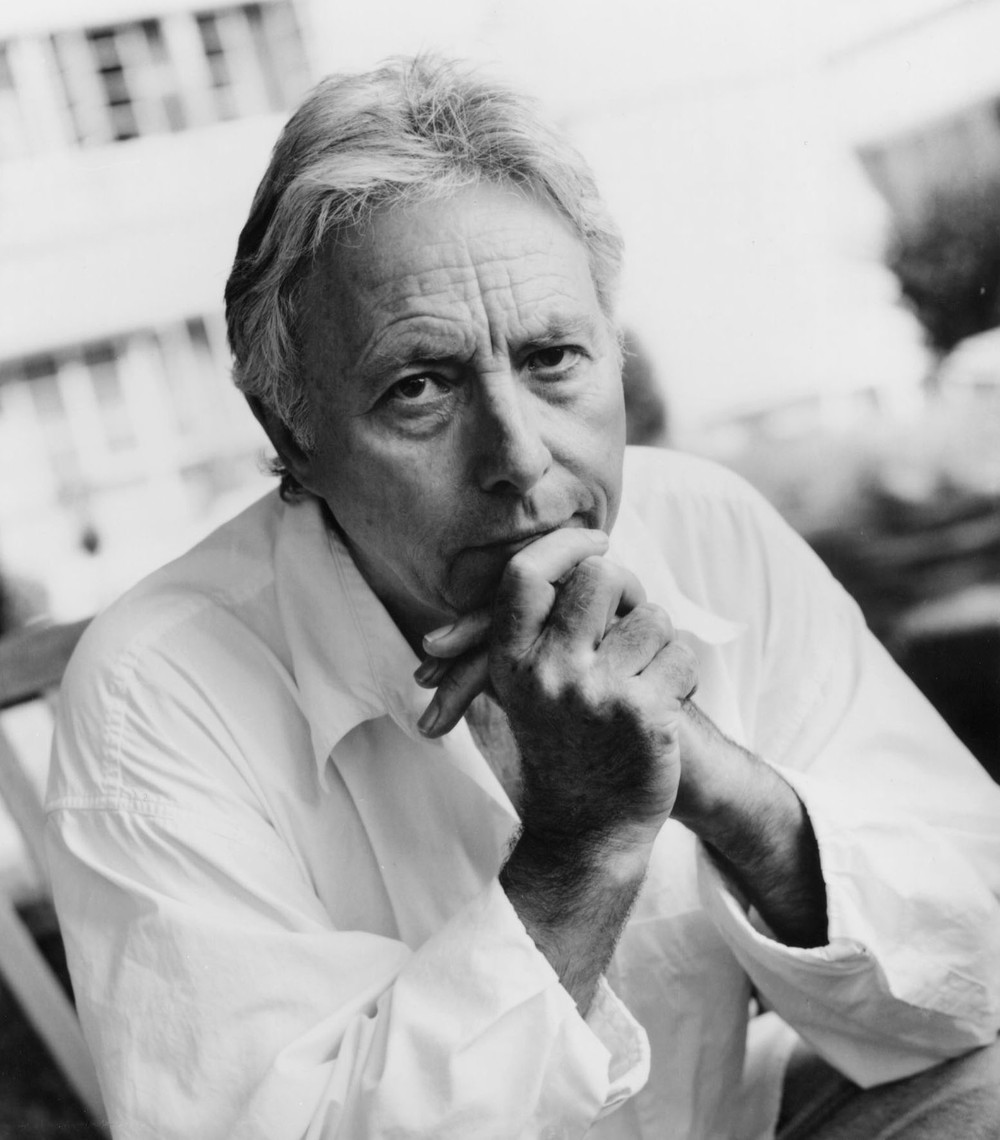
Harold Budd
1971–2020
·
38 albums
Listen
4
/5
Genres
Indie Shoegaze
Indie shoegaze is a modern fusion of indie rock songcraft with the texture-heavy aesthetics of classic shoegaze. It keeps the haze: washed-out guitars drenched in reverb and delay, breathy or buried vocals, and a strong emphasis on atmosphere. Unlike the denser, sometimes overwhelming walls of sound in late-’80s/early-’90s shoegaze, indie shoegaze tends to prize clearer hooks, jangly patterns, and compact song forms. The result is a gauzy, melodic sound that feels intimate and contemporary while still dreamily saturated.
Discover
Listen
Melancholia
Melancholia is an internet-era microgenre centered on soft-focus, sorrow-tinged pop and indie songs that foreground intimacy, space, and emotional candor. Tracks are typically slow to mid‑tempo, sung in a close, almost confessional register, and framed by sparse, reverb‑soaked textures. Sonically it lives between dream pop, bedroom pop, and slowcore: shimmering guitars or wistful synth pads drift over understated beats; piano, acoustic guitar, and low‑key electronic drums carry muted, pulsing grooves. Harmonies often favor minor keys, suspended chords, and gentle extensions (7ths/9ths) that heighten a bittersweet glow. Lyrically, melancholia lingers on solitude, late‑night self‑reflection, breakups, and fragile hope. The genre coalesced through streaming playlists and social media, where its hush, negative space, and diaristic tone translate into a cohesive, instantly recognizable mood.
Discover
Listen
Regalia
Regalia is a cinematic, orchestral-trap hybrid built around lush string sections, dreamy piano motifs, and other symphonic colors layered over modern trap percussion. The core contrast is between “regal” orchestration (wide, sweeping harmony and melodic scoring techniques) and hard-edged rhythmic programming (808 sub-bass, crisp snares/claps, rapid hi-hats, and impactful transitions). It is typically instrumental and soundtrack-adjacent, often designed for dramatic builds, trailers, highlight reels, or emotionally charged beats rather than verse–chorus pop structures.
Discover
Listen
Modern Classical
Modern classical is a contemporary strand of instrumental music that applies classical composition techniques to intimate, cinematic settings. It typically foregrounds piano and strings, is sparsely orchestrated, and embraces ambience, repetition, and timbral detail. Rather than the academic modernism of the early 20th century, modern classical as used today refers to accessible, mood-driven works that sit between classical, ambient, and film music. Felt pianos, close‑miked string quartets, tape hiss, drones, soft electronics, and minimal harmonic movement are common, producing a contemplative, emotionally direct sound that translates well to headphones, streaming playlists, and screen media.
Discover
Listen
Downtempo
Downtempo is a mellow, groove-oriented branch of electronic music characterized by slower tempos, plush textures, and a focus on atmosphere over dancefloor intensity. Typical tempos range from about 60–110 BPM, with swung or laid-back rhythms, dub-informed basslines, and warm, jazz-tinged harmonies. Stylistically, it blends the spaciousness of ambient, the head-nodding rhythms of hip hop and breakbeat, and the cosmopolitan smoothness of lounge and acid jazz. Producers often use sampled drums, Rhodes or Wurlitzer electric pianos, guitar licks with delay, and field recordings to create intimate, cinematic soundscapes. The mood spans from soulful and romantic to introspective and dusk-lit, making it a staple of after-hours listening, cafes, and relaxed club back rooms.
Discover
Listen
Dream Pop
Dream pop is a subgenre of alternative and indie rock that emphasizes atmosphere, texture, and mood over traditional rock dynamics. It is characterized by shimmering, reverb-laden guitars, soft and often breathy vocals, steady but subdued rhythms, and lush harmonic beds created with chorus, delay, and ambient-style processing. Rather than building around riffs or virtuosity, dream pop prioritizes hypnotic repetition, impressionistic lyrics, and a sense of weightless drift, frequently drawing on neo-psychedelia and ambient aesthetics. Its canonical sound coalesced in the mid-1980s (especially around the 4AD label), and later intersected with and helped seed shoegaze and many subsequent bedroom- and internet-era pop styles.
Discover
Listen
Shoegaze
Shoegaze is a subgenre of alternative rock characterized by dense, immersive walls of guitar sound, heavily layered effects, and vocals that blend into the mix as another texture rather than a focal point. Typically mid-tempo and enveloping, it emphasizes timbre, atmosphere, and harmonic color over riff-driven hooks. Reverb, delay, chorus, tremolo, fuzz, and pitch-bending create a blurred, dreamlike quality—often described as a "wash"—while bass and drums provide a steady, understated foundation. The style emerged in the United Kingdom in the late 1980s; the term "shoegaze" was coined by the British press, referencing performers’ tendency to look down at their pedalboards during live shows.
Discover
Listen
Dark Wave
Dark wave is a moody, melancholic offshoot of post-punk and new wave that emphasizes minor-key harmonies, somber timbres, and introspective or romantic lyrical themes. It blends the icy textures of early synthesizers and drum machines with reverb-laden guitars and melodic, driving basslines. The style typically features baritone or ethereal vocals, atmospheric production with heavy use of chorus, delay, and reverb, and tempos that range from slow and brooding to mid-tempo and danceable. Dark wave spans both guitar-oriented and synth-forward approaches, and often overlaps with related movements such as coldwave, minimal wave, and ethereal wave.
Discover
Listen
Ethereal Wave
Ethereal wave is a branch of post-punk/gothic-adjacent alternative music defined by shimmering, reverb-saturated textures, airborne vocal delivery, and a strong emphasis on atmosphere over aggression. It often features chorus- or delay-drenched guitars that blur into pad-like harmonies, minimal or programmed percussion, and bass lines that drift rather than drive. Vocals—frequently female-led—tend toward breathy, angelic timbres, melismatic phrasing, non-lexical vocalise, and poetic or impressionistic lyrics. Harmonies favor modal or diatonic palettes with suspensions and added tones (sus2, sus4, add9), producing a weightless, bittersweet feel. The overall production aesthetic, popularized by 4AD acts, evokes a dreamlike, otherworldly space that can lean medieval, ambient, or neoclassical depending on the artist.
Discover
Listen
Neoclassical New Age
Neoclassical new age is a crossover style that blends contemporary classical writing with the mellow, restorative aesthetics of new age music. It is typically piano-led, harmonically consonant, and minimalist in texture, often supported by soft strings, subtle electronics, and generous ambience. The genre favors lyrical melodies, repeating ostinati, slow builds, and a cinematic sense of space. It trades on intimacy and clarity—close-miked “felt” pianos, warm reverbs, and quiet dynamics—creating music that is contemplative, emotionally direct, and accessible to listeners beyond the traditional classical audience.
Discover
Listen
Ambient
Ambient is a form of electronic and electroacoustic music that prioritizes tone, atmosphere, and texture over conventional song structures and rhythmic drive. It typically features slow-moving harmonies, sustained drones, gentle timbral shifts, and extensive use of space and silence. Rather than drawing attention to itself through hooks or beats, ambient is designed to be as ignorable as it is interesting, rewarding both background listening and focused immersion. Artists often employ synthesizers, samplers, tape loops, field recordings, and subtle acoustic instruments, with reverb and delay creating a sense of place. Substyles range from luminous, consonant soundscapes to darker, more dissonant atmospheres.
Discover
Listen
New Age
New age is a largely instrumental, mood-driven genre that emphasizes calm, spacious textures and a sense of spiritual or contemplative uplift. It blends gentle electronic timbres, acoustic instruments, and global/folk influences to create immersive soundscapes intended for relaxation, meditation, and introspection. Hallmarks include slow tempos or free time, long sustaining pads, modal and consonant harmonies, nature field recordings, and unobtrusive rhythms. The music often avoids dramatic tension in favor of openness and continuity, conveying themes of inner peace, nature, and the transcendent.
Discover
Listen
Post-Minimalism
Post-minimalism is a strand of contemporary classical music that grows out of 1960s minimalism but permits greater harmonic variety, expressive shaping, and formal narrative. It retains hallmarks such as steady pulse, repetitive patterns, and clear tonal or modal centers, yet loosens strict process rules, welcomes richer orchestration, and often draws on influences from rock, jazz, and non-Western musics. Compared with early minimalism’s austere procedures, post-minimalist works tend to feature long-arching climaxes, brighter triadic harmony, layered ostinati, and dynamic textural changes, yielding music that can be both hypnotic and overtly dramatic. The style appears in concert works, opera, chamber music, and film, where its driving pulse and luminous harmonies translate into compelling narrative momentum.
Discover
Listen
Minimalism
Minimalism is a style of Western art music that emerged in the United States during the 1960s, characterized by the use of very limited musical materials, steady pulse, and extensive repetition. Composers often build pieces from short cells or motifs that are repeated and slowly transformed through additive or subtractive processes, phase shifting, and gradual changes in harmony, texture, or register. Harmony is typically consonant (often modal or diatonic), though just intonation and extended drones are also common. The result is music that foregrounds process, clarity, audibility of structure, and a hypnotic sense of stasis and flow. Typical ensembles include keyboards, mallet percussion, strings, winds, voices, and electronics or tape. Minimalism influenced a wide array of later styles, from ambient and new age to post-minimalism and minimal techno.
Discover
Listen
Drone
Drone is a minimalist music genre defined by sustained tones, long durations, and extremely gradual change. Harmony is often static or centered on a single fundamental with subtle overtone shifts, while rhythm tends toward stasis or very slow pulses. Sound sources range from acoustic instruments (e.g., strings, organ, bagpipes, shruti box, tambura) to electronics (sine waves, oscillators, feedback, tape loops, and later digital synthesis and processing). Many composers favor just intonation or other alternative tuning systems to emphasize beating patterns, psychoacoustic effects, and the internal life of sound. Although drone as a sonic principle is ancient and global, the modern experimental genre cohered in the 1960s through the New York minimalists and related avant‑garde circles, then spread into ambient, experimental, and heavy music scenes. The focus is less on melody and more on timbre, resonance, and the phenomenology of listening.
Discover
Listen
Experimental Rock
Experimental rock is a broad, exploratory branch of rock music that prioritizes innovation over convention. It stretches rock’s core instrumentation and song forms through unusual timbres, extended techniques, nonstandard tunings, chance procedures, and studio-as-instrument production. Drawing on avant-garde composition, free jazz, minimalism, and electronic/tape music, experimental rock often rejects verse–chorus structures in favor of drones, suites, collage, and improvisation. It embraces dissonance and noise as expressive tools, employs odd or fluid meters, and incorporates non-rock instruments, found sounds, and unconventional recording methods. The result is a lineage of music that treats rock not as a fixed style but as a laboratory for new sound worlds.
Discover
Listen
Free Improvisation
Free improvisation is a practice of spontaneous music-making that avoids fixed idioms, stylistic templates, and pre-agreed structures. Musicians prioritize listening, interaction, and the exploration of sound itself—timbre, texture, dynamics, and silence—over conventional melody, harmony, or pulse. Guitarist Derek Bailey popularized the notion of "non-idiomatic improvisation," describing a music that deliberately resists falling into recognizable genre habits. While often overlapping with free jazz and contemporary classical experimentalism, free improvisation is not confined to either. It welcomes any instrument or sound source—acoustic, electronic, or everyday objects—and frequently uses extended techniques, feedback, and unconventional performance gestures. Performances can range from whisper-quiet, pointillistic interplay to ferocious, high-energy noise, with the ensemble shaping form in real time through attention and constraint.
Discover
Listen
Process Music
Process music is a movement in which a composition is generated by a clearly defined procedure or rule-set. Sometimes this procedure is made audible—so the listener can follow the gradual changes as they unfold—and sometimes the process remains hidden behind the surface of the sound. Typical processes include phasing (two identical patterns drifting out of sync), additive or subtractive procedures (expanding or contracting a pattern by fixed steps), iterative feedback (repeating an operation so the output becomes the next input), permutations, stochastic or probabilistic rules, or instruction-based performance systems. The aesthetic ranges from hypnotic and pulse-driven to fragile and static, but the core idea remains: the music arises from the process.
Discover
Listen
Rock
Rock is a broad family of popular music centered on amplified instruments, a strong backbeat, and song forms that foreground riffs, choruses, and anthemic hooks. Emerging from mid‑20th‑century American styles like rhythm & blues, country, and gospel-inflected rock and roll, rock quickly expanded in scope—absorbing folk, blues, and psychedelic ideas—while shaping global youth culture. Core sonic markers include electric guitar (often overdriven), electric bass, drum kit emphasizing beats 2 and 4, and emotive lead vocals. Rock songs commonly use verse–chorus structures, blues-derived harmony, and memorable melodic motifs, ranging from intimate ballads to high‑energy, stadium‑sized performances.
Discover
Listen
Beat Poetry
Beat poetry is a performance-oriented strain of mid-20th-century American poetry associated with the Beat Generation and the postwar counterculture. It favors free verse, breath-length lines, spontaneous composition, vivid imagery, and frank treatment of sexuality, spirituality, drugs, and social alienation. In live settings it is often delivered rhythmically over or alongside jazz—especially bebop—adopting the cadence, syncopation, and improvisational ethos of small-combo jazz. Coffeehouses, bookstores, and club stages in San Francisco and New York were its primary incubators.
Discover
Listen
Experimental
Experimental music is an umbrella term for practices that prioritize exploration, process, and discovery over adherence to established genre norms. It embraces new sound sources, nonstandard tuning systems, indeterminacy and chance operations, graphic and open-form scores, extended techniques, and technology-led sound design (tape, electronics, computers, and live processing). Rather than a single style, it is a methodology and ethos: testing hypotheses about sound, structure, and performance, often blurring boundaries between composition, improvisation, sound art, and performance art. Listeners can expect unfamiliar timbres, unusual forms, and an emphasis on how music is made as much as the resulting sound.
Discover
Listen
Electroacoustic
Electroacoustic music is a broad art-music tradition that integrates recorded acoustic sound and electronically generated or processed sound into coherent musical works. It privileges timbre, gesture, texture, and spatialization over conventional melody-and-harmony song forms, often employing tape manipulation, synthesis, live electronics, and computer-based signal processing. Works are frequently composed for fixed media (stereo or multichannel loudspeakers) and may also involve live performers who are transformed in real time. Concert presentation typically emphasizes spatial diffusion and immersive listening, and the repertoire spans concert works, radio pieces, installations, and soundscape compositions.
Discover
Listen
Electronic
Electronic is a broad umbrella genre defined by the primary use of electronically generated or electronically processed sound. It encompasses music made with synthesizers, drum machines, samplers, computers, and studio/tape techniques, as well as electroacoustic manipulation of recorded or synthetic sources. The genre ranges from academic and experimental traditions to popular and dance-oriented forms. While its sonic palette is rooted in electricity and circuitry, its aesthetics span minimal and textural explorations, structured song forms, and beat-driven club permutations. Electronic emphasizes sound design, timbre, and studio-as-instrument practices as much as melody and harmony.
Discover
Listen
Classical
Classical music is the notated art-music tradition of Europe and its global descendants, characterized by durable forms, carefully codified harmony and counterpoint, and a literate score-based practice. The term “classical” can refer broadly to the entire Western art-music lineage from the Medieval era to today, not just the Classical period (c. 1750s–1820s). It privileges long-form structures (such as symphonies, sonatas, concertos, masses, and operas), functional or modal harmony, thematic development, and timbral nuance across ensembles ranging from solo instruments to full orchestras and choirs. Across centuries, the style evolved from chant and modal polyphony to tonal harmony, and later to post-tonal idioms, while maintaining a shared emphasis on written notation, performance practice, and craft.
Discover
Listen
Show all 24 genres
Albums
2020
Another Flower
Robin Guthrie & Harold Budd
Ambient
Electronic
Rock
2020
I Know This Much Is True (Music From The HBO Series)
Harold Budd
Ambient
Classical
Electronic
2014
White Bird in a Blizzard
Robin Guthrie and Harold Budd
Ambient
Electronic
2014
Jane 12-21
Harold Budd
Ambient
Classical
Electronic
2013
Jane 1-11
Harold Budd
Ambient
Electronic
2012
Bandits of Stature
Harold Budd
Classical
2011
Winter Garden
Eraldo Bernocchi, Harold Budd & Robin Guthrie
Ambient
Electronic
Rock
2011
In the Mist
Harold Budd
Ambient
Classical
Electronic
2011
Bordeaux
Robin Guthrie & Harold Budd
Ambient
Dream Pop
Electronic
2011
Nighthawks, Translucence and Drift Music
John Foxx and Harold Budd
Ambient
Electronic
2010
Little Windows
Harold Budd & Clive Wright
Ambient
Electronic
New Age
2009
Candylion
Harold Budd & Clive Wright
Ambient
Electronic
2008
A Song for Lost Blossoms
Harold Budd & Clive Wright
Ambient
Electronic
New Age
2007
Before the Day Breaks
Robin Guthrie & Harold Budd
Ambient
Electronic
2007
After the Night Falls
Robin Guthrie & Harold Budd
Ambient
Electronic
2007
Perhaps
Harold Budd
Classical
Free Improvisation
Modern Classical
2005
Mysterious Skin
Robin Guthrie & Harold Budd
Ambient
Electronic
2005
2
/5
Avalon Sutra / As Long As I Can Hold My Breath
Harold Budd
Neoclassical New Age
New Age
Minimalism
2005
Music for ‘Fragments From the Inside’
Eraldo Bernocchi & Harold Budd
Ambient
Electronic
New Age
2003
La Bella Vista
Harold Budd
Classical
Modern Classical
2003
Translucence + Drift Music
John Foxx + Harold Budd
Ambient
Electronic
2000
2
/5
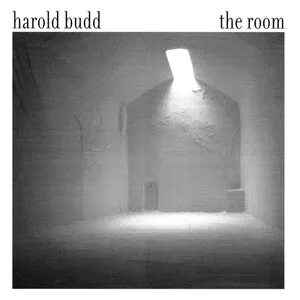
The Room
Harold Budd
Process Music
Ambient
1998
1
/5
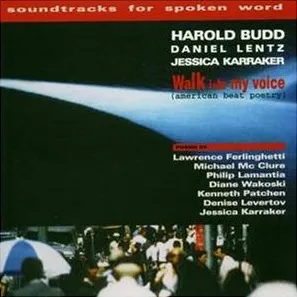
Walk Into My Voice (American Beat Poetry)
Harold Budd, Daniel Lentz & Jessica Karraker
Beat Poetry
Classical
1996
Luxa
Harold Budd
Ambient
Electronic
1995
Glyph
Harold Budd & Hector Zazou
Ambient
Downtempo
Electronic
1994
Through the Hill
Andy Partridge & Harold Budd
Ambient
Electronic
1994
She Is a Phantom
Harold Budd & Zeitgeist
Ambient
Classical
Electroacoustic
1992
Music for 3 Pianos
Harold Budd, Ruben Garcia & Daniel Lentz
Ambient
Classical
Electronic
1991
By the Dawn’s Early Light
Harold Budd
Ambient
Electronic
1988
The White Arcades
Harold Budd
Ambient
Electronic
1986
The Moon and the Melodies
Harold Budd, Simon Raymonde, Robin Guthrie & Elizabeth Fraser
Ambient
Dream Pop
Electronic
1986
1
/5
The Moon and the Melodies
Harold Budd, Elizabeth Fraser, Robin Guthrie & Simon Raymonde
Ethereal Wave
Dark Wave
Dream Pop
1986
Lovely Thunder
Harold Budd
Ambient
Electronic
1984
Abandoned Cities
Harold Budd
Ambient
1984
3
/5
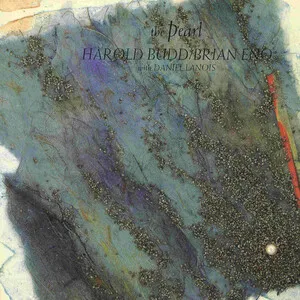
The Pearl
Harold Budd & Brian Eno
Ambient
Electronic
Experimental Rock
1980
3
/5
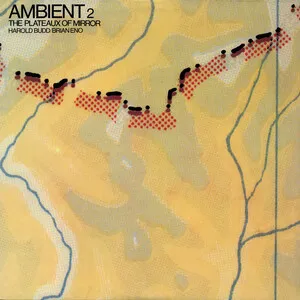
Ambient 2: The Plateaux of Mirror
Harold Budd & Brian Eno
Ambient
Electronic
1978
3
/5
The Pavilion of Dreams
Harold Budd
Post-Minimalism
New Age
Ambient
1971
The Oak of the Golden Dreams
Harold Budd
Classical
Electronic
Experimental
Similar artists
1
/5
Various Artists
Afro-Funk
Alternative Rock
Ambient
4
/5
Brian Eno
Ambient
Krautrock
Experimental
4
/5
Max Richter
Post-Minimalism
Classical
Contemporary Classical
2
/5
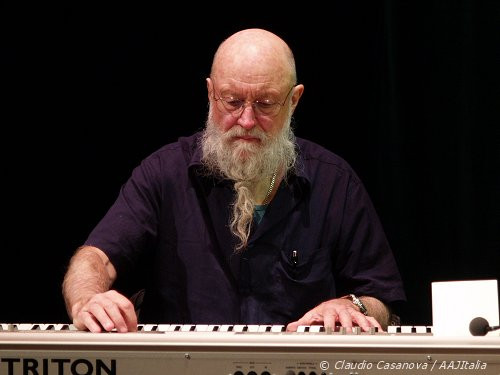
Terry Riley
Minimalism
Classical
Experimental
1
/5
Éliane Radigue
Drone
Experimental
Ambient
1
/5
Yutaka Hirose
Ambient
Minimalism
New Age
5
/5
Hans Zimmer
Country Dawn
Soundtrack
Classical
3
/5
William Basinski
Tape Music
Ambient
Sound Art
4
/5
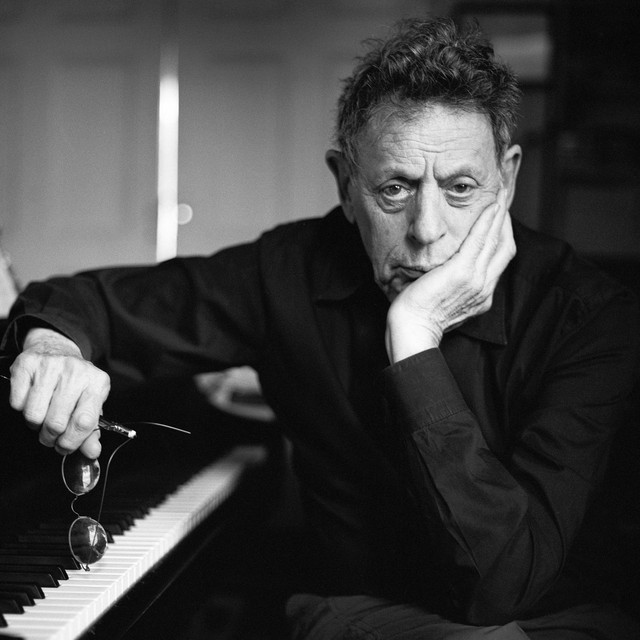
Philip Glass
Classical
Minimalism
Modern Classical
3
/5
The Caretaker
Hauntology
Electronic
Ambient
Download our mobile app
Get the Melodigging app and start digging for new genres on the go
Download on the App Store
Get it on Google Play
© 2026 Melodigging
Give feedback
Legal
Melodding was created as a tribute to
Every Noise at Once
, which inspired us to help curious minds keep digging into music's ever-evolving genres.