Genres
Make Music
Artists
Albums
Challenges
Sign in
Sign in
Albums
By Hiroshi Yoshimura
Albums
By Hiroshi Yoshimura
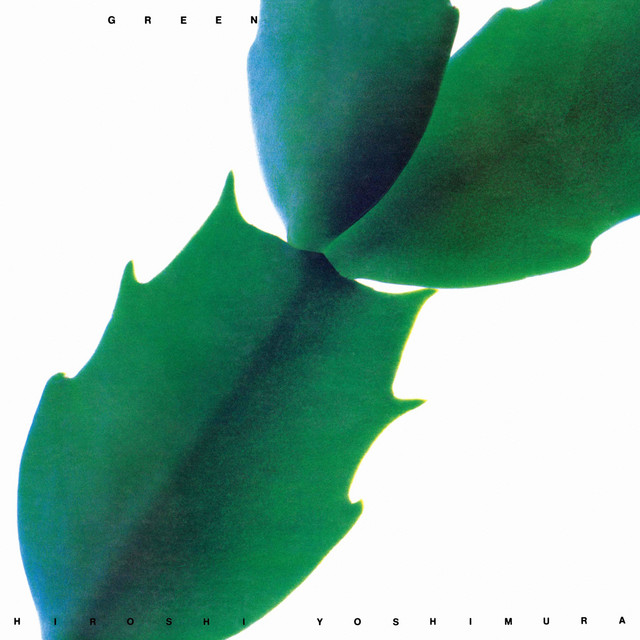
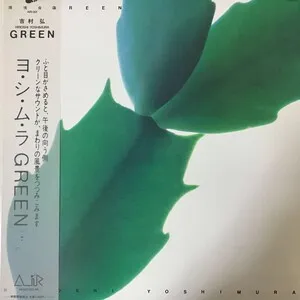
Green
March 20, 2020
Listen
3
/5
Genres
J-Ambient
J-ambient is the Japanese approach to ambient and environmental music, defined by tranquil textures, careful attention to space and silence, and a design-forward sensibility rooted in everyday listening. It favors soft timbres (synth pads, bell-like FM tones, mallet percussion, gentle guitars), field recordings, and slow-evolving harmonic drones that are intended to blend with architecture and daily life rather than dominate it. The style grew alongside Japan’s “environmental music” movement, where artists composed for galleries, shops, museums, and public spaces. Compared with Western ambient, J-ambient often places greater emphasis on the concept of “ma” (間)—the meaningful use of negative space—resulting in understated, contemplative soundscapes that feel functional, humane, and deeply serene.
Discover
Listen
Fourth World
Fourth World is a term coined by trumpeter-composer Jon Hassell to describe a "unified primitive/futuristic sound" that blends ambient minimalism, non-Western traditional musics, and studio electronics into an imagined global music. The style is characterized by modal drones, cyclical hand percussion, and timbral experimentation (often through harmonizers, delays, and pitch-shifting) applied to acoustic instruments—famously Hassell’s processed trumpet—alongside sampled or evoked elements of African, Indian, Southeast Asian, and other traditions. Rather than ethnographic authenticity, Fourth World proposes an imaginative, post-geographic sound world where the studio acts as a cultural crossroads. Musically it favors slow to mid tempos, layered polyrhythms, pentatonic or raga-like modality, microtonal color, spacious reverbs, and textural foregrounding. The result is meditative and sensuous, at once ancient-sounding and hyper-modern.
Discover
Listen
Ambient
Ambient is a form of electronic and electroacoustic music that prioritizes tone, atmosphere, and texture over conventional song structures and rhythmic drive. It typically features slow-moving harmonies, sustained drones, gentle timbral shifts, and extensive use of space and silence. Rather than drawing attention to itself through hooks or beats, ambient is designed to be as ignorable as it is interesting, rewarding both background listening and focused immersion. Artists often employ synthesizers, samplers, tape loops, field recordings, and subtle acoustic instruments, with reverb and delay creating a sense of place. Substyles range from luminous, consonant soundscapes to darker, more dissonant atmospheres.
Discover
Listen
New Age
New age is a largely instrumental, mood-driven genre that emphasizes calm, spacious textures and a sense of spiritual or contemplative uplift. It blends gentle electronic timbres, acoustic instruments, and global/folk influences to create immersive soundscapes intended for relaxation, meditation, and introspection. Hallmarks include slow tempos or free time, long sustaining pads, modal and consonant harmonies, nature field recordings, and unobtrusive rhythms. The music often avoids dramatic tension in favor of openness and continuity, conveying themes of inner peace, nature, and the transcendent.
Discover
Listen
New Wave
New wave is a broad, pop-oriented umbrella for styles that emerged in the mid-to-late 1970s as a sleeker, more melodic outgrowth of punk culture. Initially, the term varied by region: in the United States it was first used by critics and labels (famously Sire Records’ “Don’t Call It Punk” campaign in 1977) to rebrand punk-associated artists with more radio-friendly aesthetics; in the United Kingdom it encompassed a wider constellation of fresh, stylish post-punk-era sounds. Over time, “new wave” became a catch‑all for hooky guitar pop, synth-driven songs, danceable rhythms, and modernist production sensibilities. Sonically, it blends tight, upbeat rhythms (often disco- and reggae-informed), clean chorus/flanger guitars, prominent synthesizers, and concise, hook-led songwriting. Its visual identity—sharp suits, futurist imagery, and fashion-forward presentation—was integral, aligning with the rise of music television and emphasizing art-school wit, irony, and modern urban themes.
Discover
Listen
Similar albums
1986
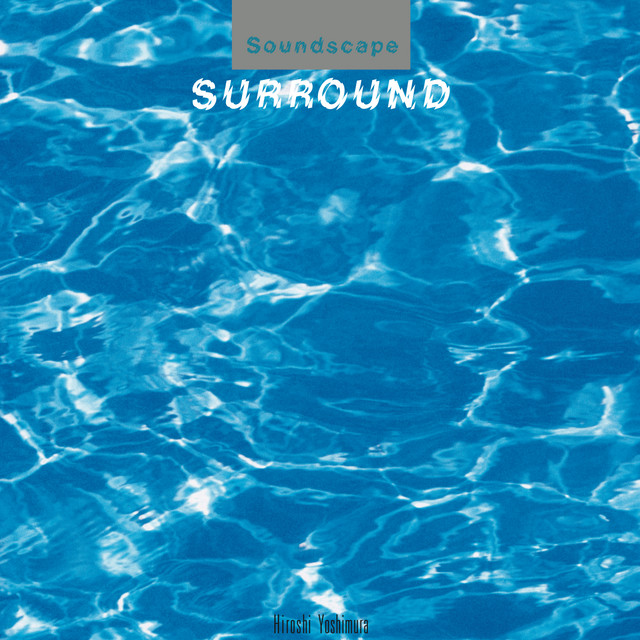
Soundscape 1: Surround
Hiroshi Yoshimura 吉村弘
2017
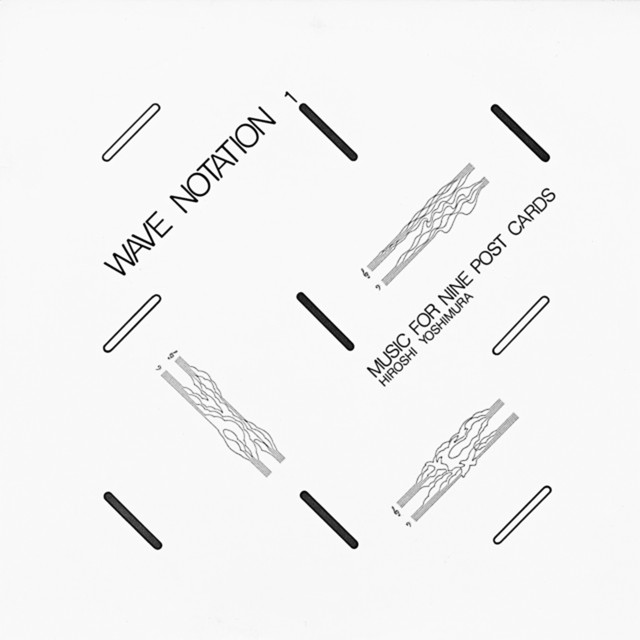
Music for Nine Post Cards
Hiroshi Yoshimura
1982
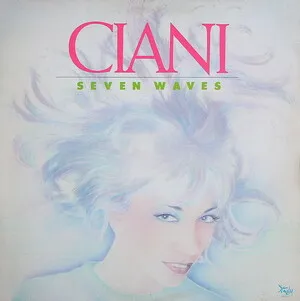
Seven Waves
Ciani
2023
Kalimba
Laraaji
2020
Green
Hiroshi Yoshimura 吉村弘
2000
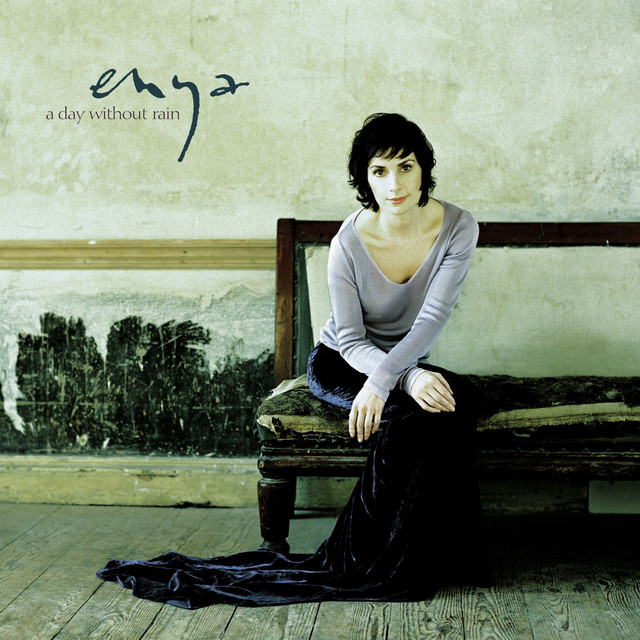
A Day Without Rain
Enya
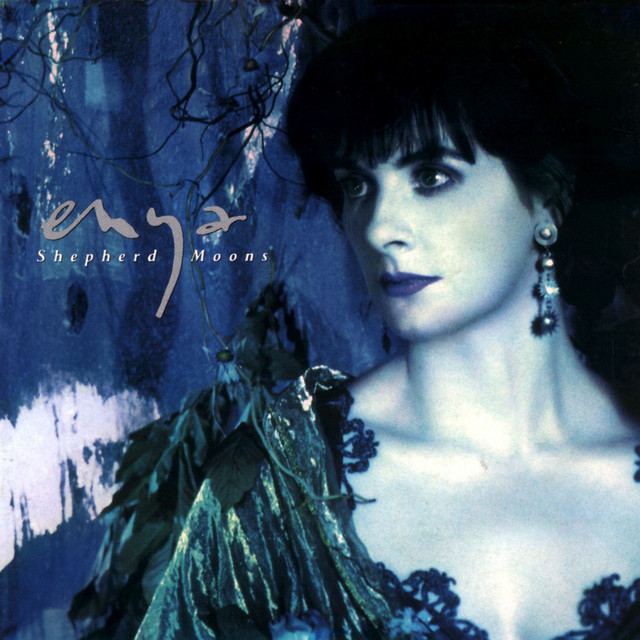
1991
Shepherd Moons
Enya
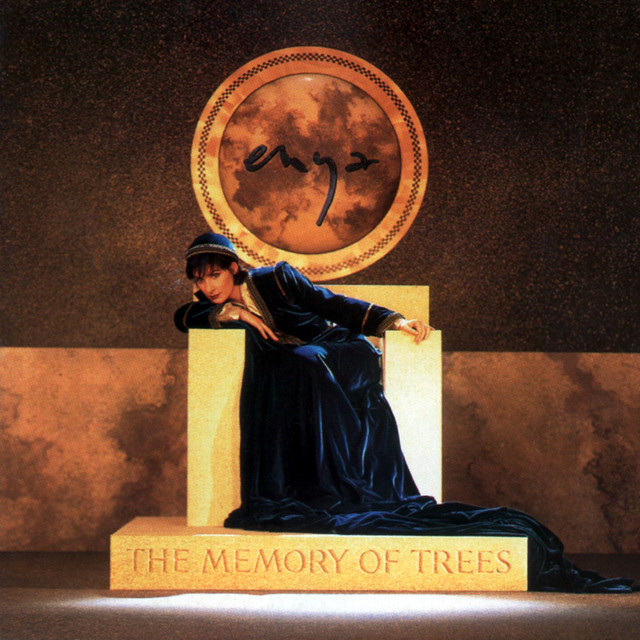
1995
The Memory of Trees
Enya
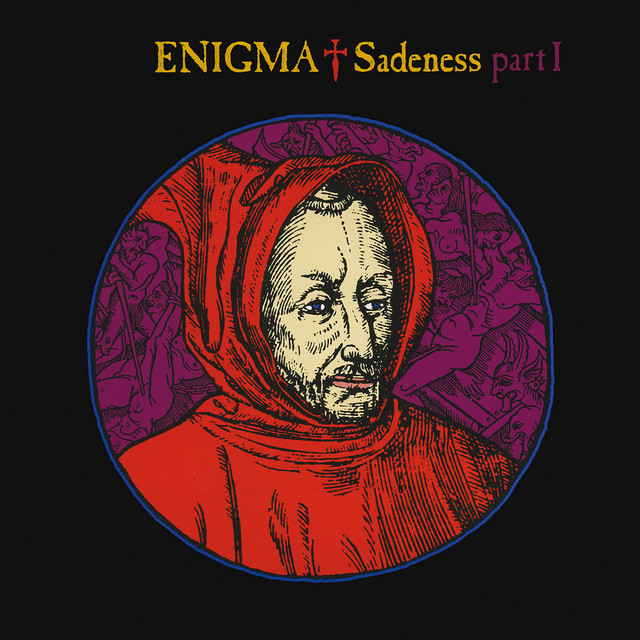
1990
Sadeness (Part I)
Enigma
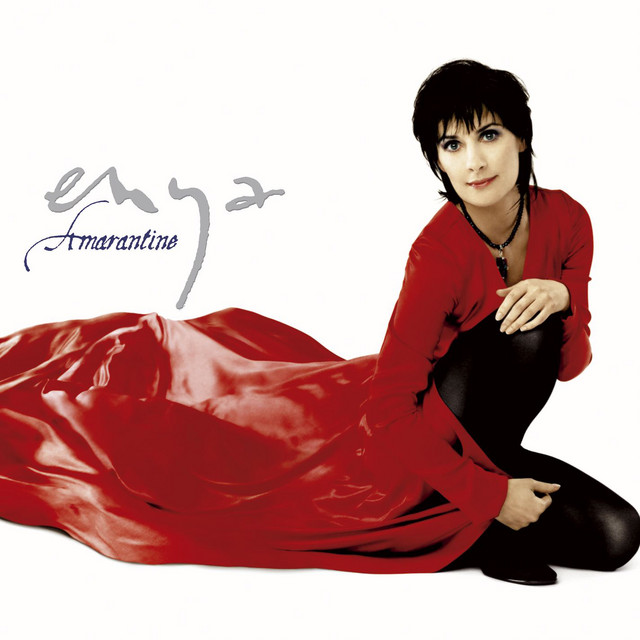
2005
Amarantine
Enya
Download our mobile app
Get the Melodigging app and start digging for new genres on the go
Download on the App Store
Get it on Google Play
© 2026 Melodigging
Give feedback
Legal
Melodding was created as a tribute to
Every Noise at Once
, which inspired us to help curious minds keep digging into music's ever-evolving genres.