Genres
Make Music
Artists
Albums
Challenges
Sign in
Sign in
Albums
By Hiroshi Yoshimura
Albums
By Hiroshi Yoshimura
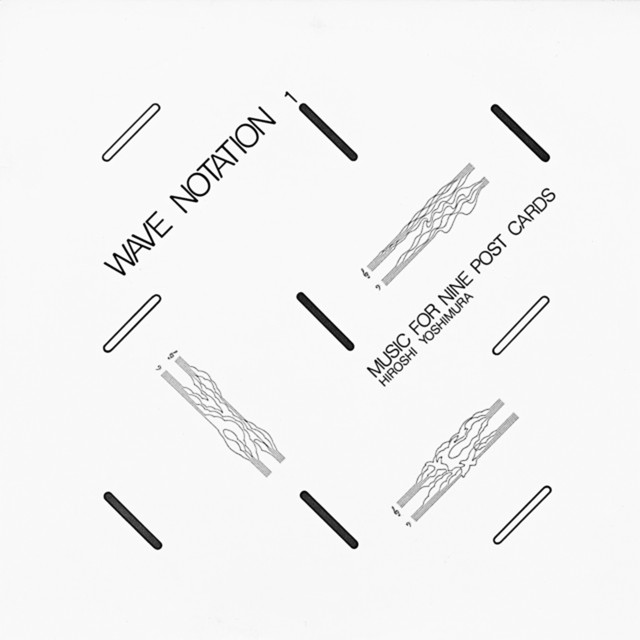
Music for Nine Post Cards
November 3, 2017
Listen
2
/5
Genres
J-Ambient
J-ambient is the Japanese approach to ambient and environmental music, defined by tranquil textures, careful attention to space and silence, and a design-forward sensibility rooted in everyday listening. It favors soft timbres (synth pads, bell-like FM tones, mallet percussion, gentle guitars), field recordings, and slow-evolving harmonic drones that are intended to blend with architecture and daily life rather than dominate it. The style grew alongside Japan’s “environmental music” movement, where artists composed for galleries, shops, museums, and public spaces. Compared with Western ambient, J-ambient often places greater emphasis on the concept of “ma” (間)—the meaningful use of negative space—resulting in understated, contemplative soundscapes that feel functional, humane, and deeply serene.
Discover
Listen
Fourth World
Fourth World is a term coined by trumpeter-composer Jon Hassell to describe a "unified primitive/futuristic sound" that blends ambient minimalism, non-Western traditional musics, and studio electronics into an imagined global music. The style is characterized by modal drones, cyclical hand percussion, and timbral experimentation (often through harmonizers, delays, and pitch-shifting) applied to acoustic instruments—famously Hassell’s processed trumpet—alongside sampled or evoked elements of African, Indian, Southeast Asian, and other traditions. Rather than ethnographic authenticity, Fourth World proposes an imaginative, post-geographic sound world where the studio acts as a cultural crossroads. Musically it favors slow to mid tempos, layered polyrhythms, pentatonic or raga-like modality, microtonal color, spacious reverbs, and textural foregrounding. The result is meditative and sensuous, at once ancient-sounding and hyper-modern.
Discover
Listen
Ambient
Ambient is a form of electronic and electroacoustic music that prioritizes tone, atmosphere, and texture over conventional song structures and rhythmic drive. It typically features slow-moving harmonies, sustained drones, gentle timbral shifts, and extensive use of space and silence. Rather than drawing attention to itself through hooks or beats, ambient is designed to be as ignorable as it is interesting, rewarding both background listening and focused immersion. Artists often employ synthesizers, samplers, tape loops, field recordings, and subtle acoustic instruments, with reverb and delay creating a sense of place. Substyles range from luminous, consonant soundscapes to darker, more dissonant atmospheres.
Discover
Listen
Drone
Drone is a minimalist music genre defined by sustained tones, long durations, and extremely gradual change. Harmony is often static or centered on a single fundamental with subtle overtone shifts, while rhythm tends toward stasis or very slow pulses. Sound sources range from acoustic instruments (e.g., strings, organ, bagpipes, shruti box, tambura) to electronics (sine waves, oscillators, feedback, tape loops, and later digital synthesis and processing). Many composers favor just intonation or other alternative tuning systems to emphasize beating patterns, psychoacoustic effects, and the internal life of sound. Although drone as a sonic principle is ancient and global, the modern experimental genre cohered in the 1960s through the New York minimalists and related avant‑garde circles, then spread into ambient, experimental, and heavy music scenes. The focus is less on melody and more on timbre, resonance, and the phenomenology of listening.
Discover
Listen
Experimental
Experimental music is an umbrella term for practices that prioritize exploration, process, and discovery over adherence to established genre norms. It embraces new sound sources, nonstandard tuning systems, indeterminacy and chance operations, graphic and open-form scores, extended techniques, and technology-led sound design (tape, electronics, computers, and live processing). Rather than a single style, it is a methodology and ethos: testing hypotheses about sound, structure, and performance, often blurring boundaries between composition, improvisation, sound art, and performance art. Listeners can expect unfamiliar timbres, unusual forms, and an emphasis on how music is made as much as the resulting sound.
Discover
Listen
Electronic
Electronic is a broad umbrella genre defined by the primary use of electronically generated or electronically processed sound. It encompasses music made with synthesizers, drum machines, samplers, computers, and studio/tape techniques, as well as electroacoustic manipulation of recorded or synthetic sources. The genre ranges from academic and experimental traditions to popular and dance-oriented forms. While its sonic palette is rooted in electricity and circuitry, its aesthetics span minimal and textural explorations, structured song forms, and beat-driven club permutations. Electronic emphasizes sound design, timbre, and studio-as-instrument practices as much as melody and harmony.
Discover
Listen
Similar albums
1983
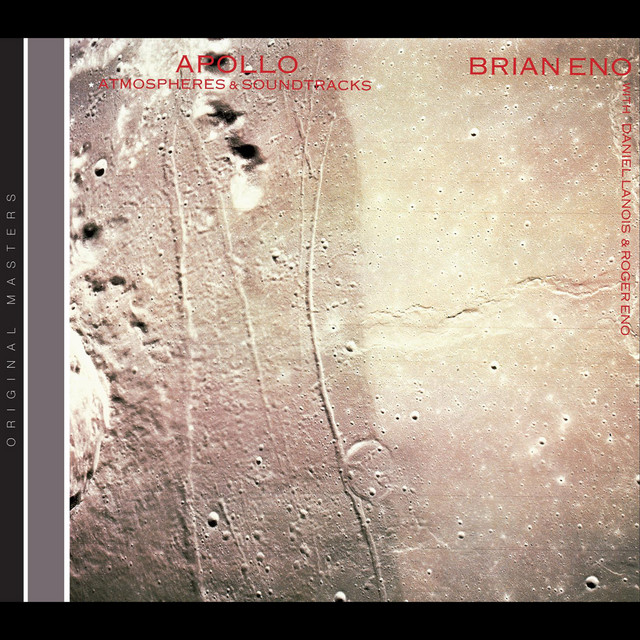
Apollo: Atmospheres & Soundtracks
Brian Eno with Daniel Lanois & Roger Eno
1978
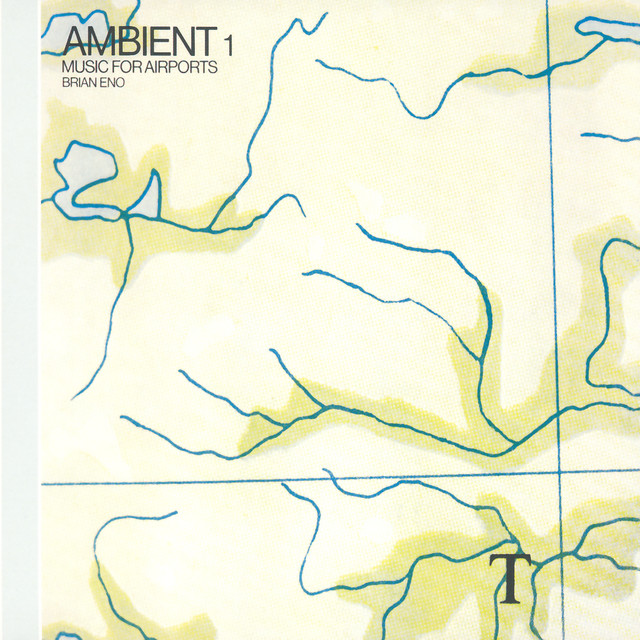
Ambient 1: Music for Airports
Brian Eno
2007
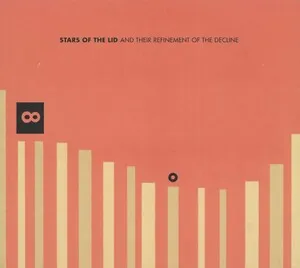
And Their Refinement of the Decline
Stars of the Lid
1986
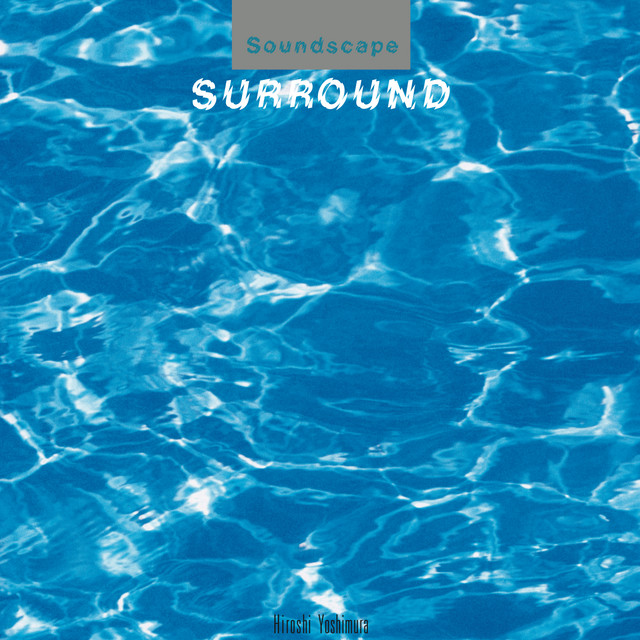
Soundscape 1: Surround
Hiroshi Yoshimura 吉村弘
2013
Daughter of Darkness
Natural Snow Buildings
2023
Everywhere at the End of Time: Stage 6
The Caretaker
2019
Watermelon Woman
Yu Su
2015
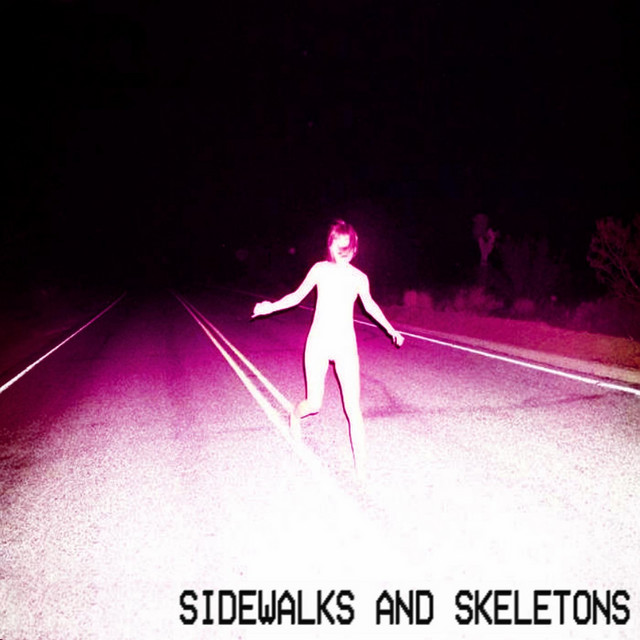
White Light
Sidewalks and Skeletons
2008
Inca Ore / Grouper
Grouper
1994
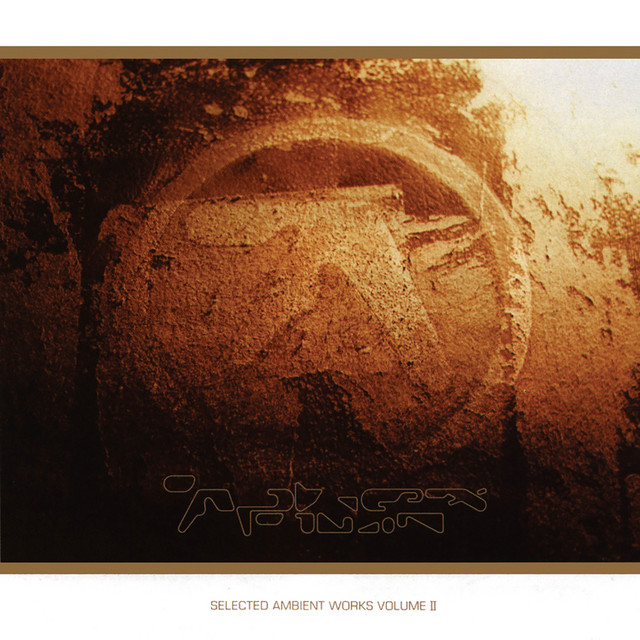
Selected Ambient Works Volume II
Aphex Twin
Download our mobile app
Get the Melodigging app and start digging for new genres on the go
Download on the App Store
Get it on Google Play
© 2026 Melodigging
Give feedback
Legal
Melodding was created as a tribute to
Every Noise at Once
, which inspired us to help curious minds keep digging into music's ever-evolving genres.