Genres
Artists
Albums
Make Music
Sign in
Sign in
Artists
Berlin School
Artists
Berlin School
Tangerine Dream
1972–2022
·
24 albums
Listen
3
/5
Genres
Indie Dream Pop
Indie dream pop blends the hazy, reverb-heavy atmospheres of classic dream pop with the songwriting sensibilities and DIY production ethos of indie music. Typical tracks feature soft, breathy vocals floating over lush guitar textures, analog-leaning synth pads, and understated drum grooves. The sound privileges mood and texture—chorus- and delay-washed guitars, shimmering synths, and gauzy reverbs—while keeping melodies tuneful and intimate. Compared with 1980s dream pop, the "indie" strand leans more on bedroom production, compact song forms, and approachable hooks. Lyrically, themes often center on memory, longing, youth, and small emotional details, delivered in a close-mic, confessional style. The overall aesthetic is nocturnal, nostalgic, and gently hypnotic.
Discover
Listen
Spacewave
Spacewave is an internet-born microgenre that blends the retro-futurist nostalgia of vaporwave with the cinematic pads and arpeggiated synths of synthwave and the vast, slow-moving atmospheres of space ambient. It favors warm analog-style timbres, shimmering pads, slow to mid-tempo grooves, and expansive reverbs that suggest cosmic distance. Tape hiss, vinyl crackle, and radio-voice samples (e.g., NASA mission comms) are common, reinforcing a sense of archival futurism. The aesthetic is both utopian and wistful: neon starfields, VHS-era sci‑fi optimism, and long, flowing arrangements designed for late-night driving, studying, or stargazing. Much of the scene circulates on Bandcamp, YouTube mix channels, and streaming playlists rather than traditional label ecosystems.
Discover
Listen
Cavernous Death Metal
Cavernous death metal is a murky, reverb-drenched strain of old-school death metal that foregrounds claustrophobic atmosphere over clinical precision. Hallmarks include extremely downtuned guitars, tremolo-picked and chromatic riffing, lurching doom-laden passages, and very deep, often indecipherable guttural vocals. Production aesthetics are central: drums are thunderous yet blurred, guitars and bass form a monolithic wall of low-end, and large-room or plate reverbs smear the mix to evoke the feeling of sound emanating from a subterranean chamber. Rather than bright, high-fidelity tones, the style prefers darkness, distance, and density—suggesting sinister space, decay, and ancient dread. Compositionally it draws on early 1990s death and death-doom blueprints, but the 2010s revival codified the "cavernous" sound as a distinct aesthetic, emphasizing mood, negative space, and oppressive resonance as much as riffcraft.
Discover
Listen
Horror Synth
Horror synth is a dark, cinematic electronic style that draws heavily from 1970s–1980s horror film scores and analog synthesizer aesthetics. It emphasizes ominous arpeggios, minor-key ostinati, and brooding pads that evoke suspense, dread, and retro VHS-era atmosphere. While it overlaps with synthwave, horror synth is noticeably darker and more aggressive, often incorporating industrial textures, dissonant intervals, and sound-design cues taken from classic slasher and giallo soundtracks. The music typically features vintage drum machine grooves, tape-like saturation, and motif-driven themes that feel like cues to an unseen film.
Discover
Listen
Modular Techno
Modular techno is a branch of techno centered on composing and performing primarily with modular synthesizers (most commonly Eurorack). Rather than arranging in a DAW, artists patch oscillators, filters, sequencers, clock dividers and utility modules into evolving signal chains, then sculpt rhythm and timbre in real time. The approach privileges improvisation, polyrhythms, and continuously shifting textures over fixed song structures. Early, visible champions included UK/Wales-based artist Steevio—who explicitly framed his 2012 release as "Modular Techno" and recorded it live in single takes—followed by a broader wave of adopters in the mid‑to‑late 2010s as modular systems spread across European techno scenes.
Discover
Listen
New Isolationism
New isolationism is a contemporary strain of isolationist ambient and post-industrial minimalism that emerged in the 2010s, particularly around Scandinavian experimental labels and studios. It foregrounds intimate, close-mic’d sound, negative space, and a quiet-but-present noise floor; its pieces feel both internal and architectural, like rooms built from reverb tails, tape hiss, and soft electronics. Sonically, the style blends glacial drones, fragile chamber timbres (strings, organ, piano), lo‑fi electronics, and field recordings into stark, slow-evolving tableaux. Melodic information is sparse—often only a few tones or gestures—while rhythm is either absent or reduced to distant pulses, heartbeats, or mechanical cycles. Vocals, when they appear, are murmured, diaristic, or abstracted by pitch and time manipulation. Aesthetically, new isolationism is post‑internet and diaristic: it captures solitude, memory, and dislocation with a palette that feels personal yet estranged, drawing as much from contemporary gallery sound practice as from classic dark ambient.
Discover
Listen
New Wave Of Osdm
New Wave of OSDM (Old School Death Metal) is a 2010s–present revival movement that resurrects the aesthetics, riffcraft, and production ethos of late-1980s/early-1990s death metal. It favors down‑tuned guitars, chromatic riffing, guttural vocals, and an organic, unpolished sound that feels tactile and oppressive rather than hyper‑edited. Stylistically it triangulates the Floridian school’s technical menace, the Incantation/Autopsy murk and doom-laden crawl, and the Swedish HM‑2 “buzzsaw” bite—often within the same album. Songs pivot between d‑beat churn, mid‑paced stomps, lurching death‑doom passages, and short blasts, with bass prominent in the mix and drums captured with room ambience. Lyrically and visually, the movement leans on cosmic horror, rot, mysticism, war, and underground tape‑trader aesthetics, sustained by DIY labels and a thriving cassette/vinyl culture. Rather than museum‑piece nostalgia, the scene treats classic techniques as living practice: updating arrangement flow, atmosphere, and harmonic color while preserving the genre’s primal heft.
Discover
Listen
Spamwave
Spamwave is a microgenre of vaporwave and sample-based collage that centers on the sounds, aesthetics, and affect of early-2000s internet clutter: spam emails, robocalls, pop‑up ads, infomercials, and adware/OS notifications. Producers loop, time‑stretch, and detune these commercial and computational artifacts into hypnotic, uncanny textures that feel both nostalgic and slightly menacing. Musically, spamwave favors slow to mid‑tempo loops, heavy reverb, pitch shifting, and granular edits. It blends corporate muzak, hold music, TTS voices, dial tones, and UI sounds with vaporwave’s dreamy pads and tape‑hiss patina. The result is a haunted-office ambience—equal parts retro tech nostalgia and digital detritus.
Discover
Listen
Vapor
Vapor is an internet-born microgenre of atmospheric, half-time electronic trap that emphasizes space, texture, and emotive melody over aggression or technical flash. Its sonic palette leans on airy pads, crystalline bell and pluck leads, misty reverb tails, and round, subby 808s. Drums typically follow a modern trap grid at halftime, with sparse, syncopated hats and gentle percussion instead of hard-edged snares. Vocals, if present at all, are usually textural—chopped phrases, distant calls, or heavily processed one-shots—serving ambience rather than lyrical narrative. The result is a dreamy, nocturnal mood that sits between cloud rap, vaporwave aesthetics, and the UK-led "wave" scene: cinematic yet minimal, melancholic yet weightless, and designed as much for headphones as for late-night club systems.
Discover
Listen
Ambient Trance
Ambient trance is a downtempo-leaning branch of trance that softens the club energy into a floating, cinematic space. Emerging in the mid‑1990s, it often began as chillout or "beatless" remixes of trance tracks, taking the genre’s signature arpeggiated synthesizers, evolving pads, and euphoric harmonies and placing them in Ambient and Downtempo contexts. The result favors long reverb tails, slow filter sweeps, and gradual, wave‑like dynamics over big drops, making it ideal for Ibiza chillout terraces, after‑hours rooms, and attentive headphone listening. Typical pieces use four‑on‑the‑floor or half‑time pulses at relaxed tempos, gentle off‑beat accents, and extended harmonic cycles that evoke vast, weightless atmospheres.
Discover
Listen
Berlin School
Berlin School is a strand of German electronic music built around long, hypnotic sequences, evolving textures, and exploratory improvisation. It foregrounds analog synthesizers, step‑sequencers, and tape delays to create spacious, slowly shifting soundscapes. Emerging from the early 1970s Berlin underground, the style favors extended forms over song structures, minimal harmonic movement anchored by pedal points, and modal or scalar lead lines that weave over pulsing arpeggiations. The result balances mechanistic momentum with cosmic ambience, inviting deep listening and trance-like immersion.
Discover
Listen
Progressive Electronic
Progressive electronic is a 1970s-born branch of electronic music that applies the exploratory ethos of progressive rock to synthesizers, sequencers, and studio-as-instrument techniques. It favors long-form structures, evolving textures, and thematic development over verse–chorus song forms. Hallmarks include analog synth timbres (Moog, ARP), step-sequenced ostinatos, spacious tape and plate reverbs, and gradual modulation of filters and envelopes. The music often embraces minimalistic repetition, cosmic and cinematic atmospheres, and a sense of narrative journey, connecting it to krautrock’s experimentalism and early ambient’s focus on tone and space.
Discover
Listen
Ambient
Ambient is a form of electronic and electroacoustic music that prioritizes tone, atmosphere, and texture over conventional song structures and rhythmic drive. It typically features slow-moving harmonies, sustained drones, gentle timbral shifts, and extensive use of space and silence. Rather than drawing attention to itself through hooks or beats, ambient is designed to be as ignorable as it is interesting, rewarding both background listening and focused immersion. Artists often employ synthesizers, samplers, tape loops, field recordings, and subtle acoustic instruments, with reverb and delay creating a sense of place. Substyles range from luminous, consonant soundscapes to darker, more dissonant atmospheres.
Discover
Listen
New Age
New age is a largely instrumental, mood-driven genre that emphasizes calm, spacious textures and a sense of spiritual or contemplative uplift. It blends gentle electronic timbres, acoustic instruments, and global/folk influences to create immersive soundscapes intended for relaxation, meditation, and introspection. Hallmarks include slow tempos or free time, long sustaining pads, modal and consonant harmonies, nature field recordings, and unobtrusive rhythms. The music often avoids dramatic tension in favor of openness and continuity, conveying themes of inner peace, nature, and the transcendent.
Discover
Listen
Space Music
Space music is an ambient-leaning form of electronic and acoustic soundscaping designed to evoke vastness, weightlessness, and the mystery of the cosmos. It favors long, slowly evolving textures, deep drones, and luminous harmonies over conventional song structure, rhythm, or melody. The style grew around sustained synthesizer pads, sequencer patterns, and expansive reverberation, often integrating field recordings or processed acoustic instruments. Whether contemplative or awe‑struck, its intent is to transport the listener into a spacious, imaginal soundfield—akin to drifting through celestial environments and deep time.
Discover
Listen
Space Ambient
Space ambient is a substyle of ambient music devoted to evoking cosmic scale, interstellar travel, and the vastness of outer space. It emphasizes expansive soundscapes, slow-evolving drones, and a strong sense of spatial depth created by long reverbs, delays, and careful stereo imaging. The music typically avoids overt rhythm and melody in favor of sustained pads, subtly shifting harmonies, and quiet textural details. Analog and digital synthesizers, modular systems, and granular processing are common tools, often complemented by found sounds, radio/space transmissions, and gentle field recordings. The result is immersive, contemplative listening that suggests weightlessness, distance, and awe.
Discover
Listen
Krautrock
Krautrock is an experimental form of rock that emerged in late-1960s West Germany, characterized by hypnotic repetition, long-form structures, and a forward-looking embrace of electronics and studio experimentation. It typically features a steady, driving 4/4 “motorik” beat, circular bass ostinatos, sparse harmonic movement, and textural layering that draws from minimalism, free improvisation, and avant-garde composition. Rather than virtuosic solos, the emphasis is on collective groove, trance-inducing momentum, and timbral exploration. The sound ranges from raw, percussive jams to spacious, cosmic electronics, often eschewing conventional Anglo-American blues forms in favor of a distinctly European modernist aesthetic.
Discover
Listen
Progressive Rock
Progressive rock is a rock subgenre that expands the genre’s formal, harmonic, and conceptual boundaries. It favors long-form compositions, intricate arrangements, and virtuosic musicianship, often drawing on Western classical, jazz, folk, and psychedelic idioms. Typical hallmarks include multi-part suites, shifting time signatures, extended instrumental passages, recurring motifs, and concept albums that present unified themes or narratives. The sound palette commonly features electric guitar, bass, and drums alongside an array of keyboards (Hammond organ, Mellotron, Moog/ARP synthesizers, piano), woodwinds or brass, and occasional orchestral additions. Lyrics often explore science fiction, mythology, philosophy, social commentary, and introspective themes.
Discover
Listen
Space Rock
Space rock is a psychedelic branch of rock characterized by long-form, hypnotic grooves, swirling guitars awash in delay and reverb, and prominent analog synthesizers that evoke cosmic or interstellar imagery. The music often emphasizes texture and atmosphere over conventional song structures, creating expansive soundscapes that feel weightless and otherworldly. Emerging in late-1960s Britain from the overlap of psychedelic rock, early progressive rock, and experimental electronics, space rock frequently employs motorik-leaning rhythms, modal or drone-based harmony, and science-fiction themes. Extended improvisations, phased and fuzz-drenched timbres, and tape or echo effects are common, encouraging a sense of forward drift and cosmic exploration.
Discover
Listen
Rock
Rock is a broad family of popular music centered on amplified instruments, a strong backbeat, and song forms that foreground riffs, choruses, and anthemic hooks. Emerging from mid‑20th‑century American styles like rhythm & blues, country, and gospel-inflected rock and roll, rock quickly expanded in scope—absorbing folk, blues, and psychedelic ideas—while shaping global youth culture. Core sonic markers include electric guitar (often overdriven), electric bass, drum kit emphasizing beats 2 and 4, and emotive lead vocals. Rock songs commonly use verse–chorus structures, blues-derived harmony, and memorable melodic motifs, ranging from intimate ballads to high‑energy, stadium‑sized performances.
Discover
Listen
Electronic
Electronic is a broad umbrella genre defined by the primary use of electronically generated or electronically processed sound. It encompasses music made with synthesizers, drum machines, samplers, computers, and studio/tape techniques, as well as electroacoustic manipulation of recorded or synthetic sources. The genre ranges from academic and experimental traditions to popular and dance-oriented forms. While its sonic palette is rooted in electricity and circuitry, its aesthetics span minimal and textural explorations, structured song forms, and beat-driven club permutations. Electronic emphasizes sound design, timbre, and studio-as-instrument practices as much as melody and harmony.
Discover
Listen
Fairy Tale
Fairy tale (often called Skazka in Russian or Märchen in German) is a Romantic-era, narrative form in classical music that paints scenes and characters from folklore, myths, and children’s tales through instrumental color and memorable leitmotifs. It commonly appears as piano character pieces and orchestral tone poems, but its spirit also infuses ballets and operas based on folk narratives. Typical hallmarks include lush harmonies, modal or folk-derived melodies, magical timbres (harp, celesta, woodwinds), and sharply contrasted moods to depict wonder, danger, and transformation.
Discover
Listen
Show all 22 genres
Albums
2022
2
/5
Raum
Tangerine Dream
Berlin School
Electronic
2022
1
/5
You're Always on Time
Tangerine Dream
Berlin School
2021
2
/5
Probe 6-8
Tangerine Dream
Berlin School
Ambient
Electronic
2021
2
/5
Bandit (Hit & Run Soundtracks)
Tangerine Dream
Berlin School
2016
2
/5
Louder Than Bombs (Original Motion Picture Soundtrack)
Tangerine Dream
Berlin School
2012
2
/5
The '80s Movie Collection (Re-Recorded Versions)
Tangerine Dream
Berlin School
2008
1
/5
The Electronic Magic of Tangerine Dream - the Anthology
Tangerine Dream
Berlin School
1987
2
/5
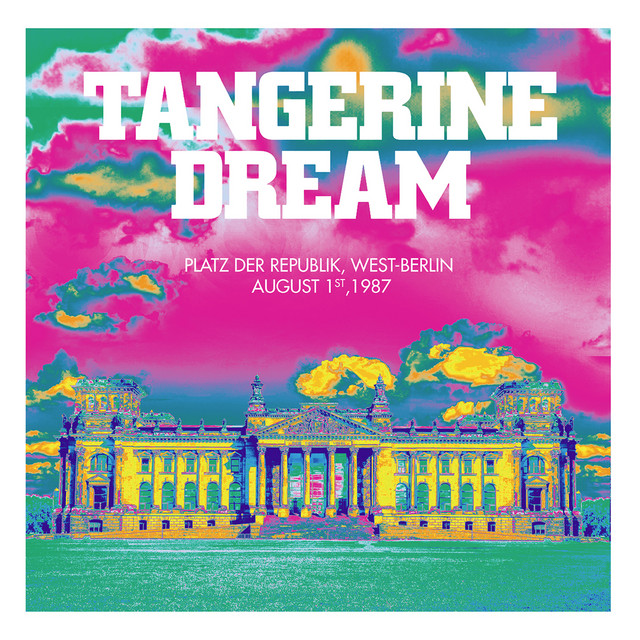
Platz der Republik, West-Berlin - August 1st 1987
Tangerine Dream
Berlin School
1986
2
/5
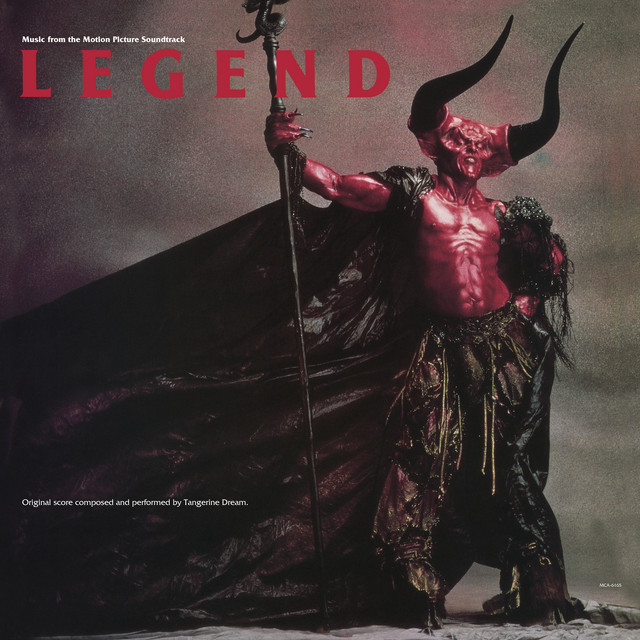
Legend (Original Motion Picture Soundtrack)
Tangerine Dream
Berlin School
1985
2
/5
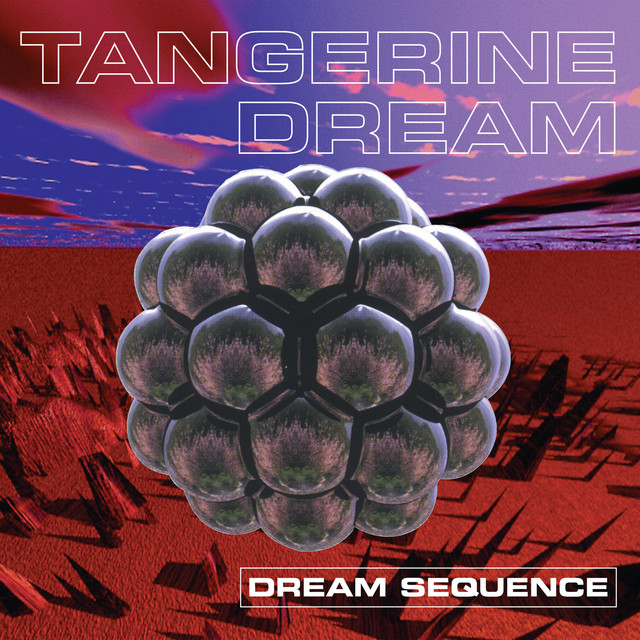
Dream Sequence
Tangerine Dream
Berlin School
1983
3
/5
Hyperborea (Deluxe Version / Remastered 2020)
Tangerine Dream
Berlin School
1983
1
/5
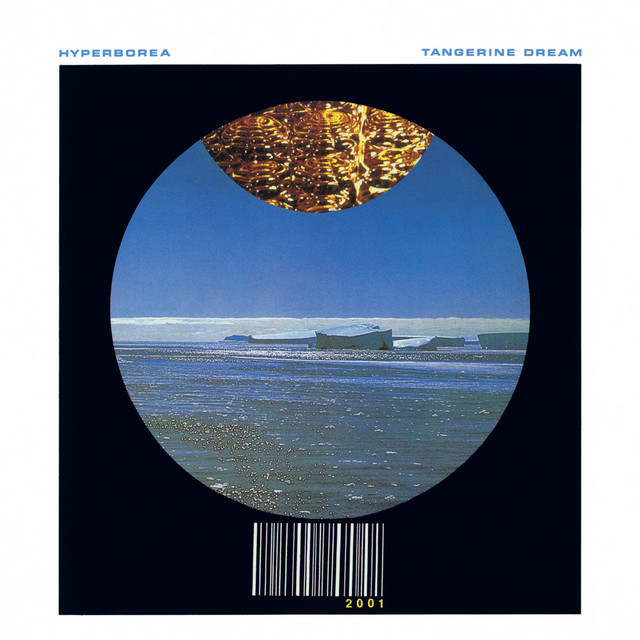
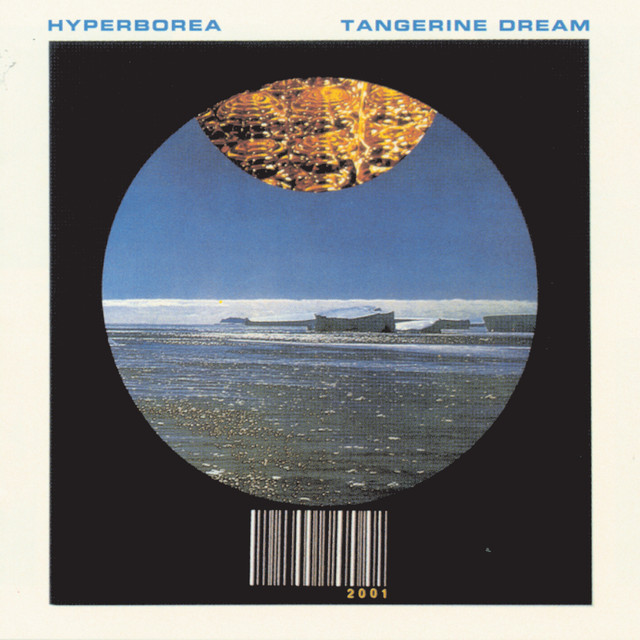
Hyperborea
Tangerine Dream
Berlin School
1982
2
/5
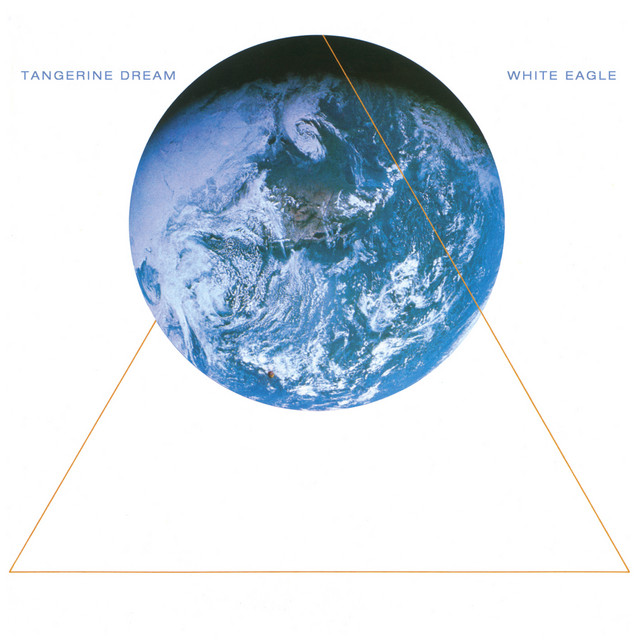
White Eagle (Deluxe Version / Remastered 2020)
Tangerine Dream
Berlin School
1982
1
/5
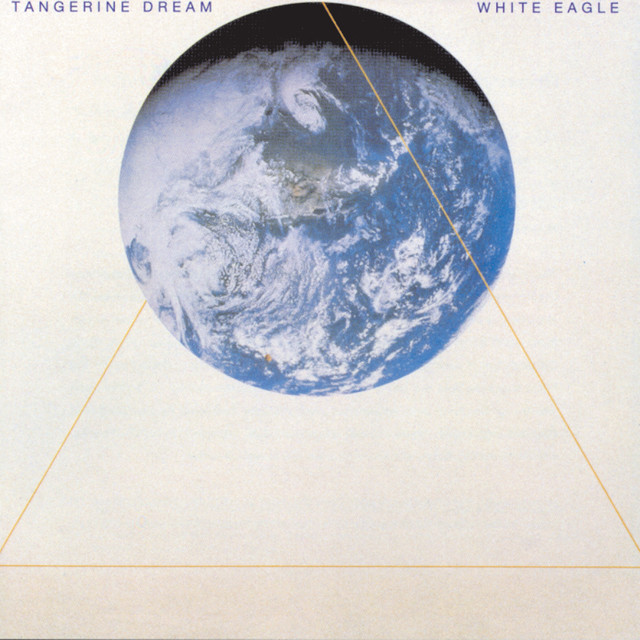
White Eagle
Tangerine Dream
Berlin School
1980
1
/5
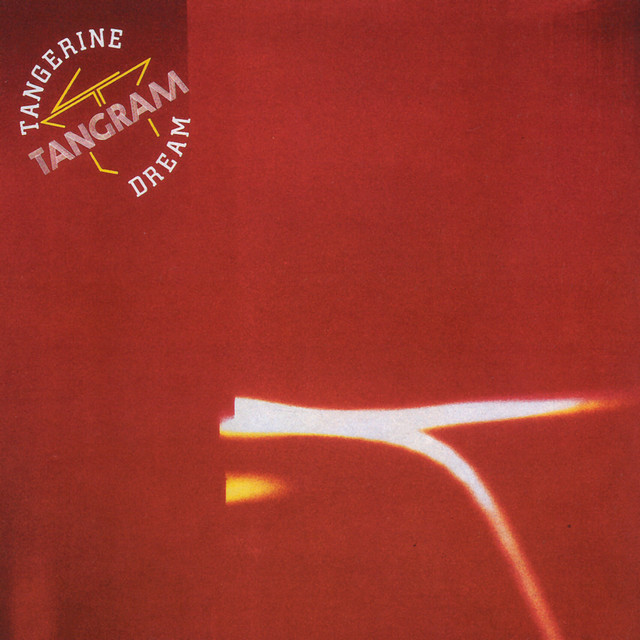
Tangram
Tangerine Dream
Berlin School
Electronic
Progressive Electronic
1979
2
/5
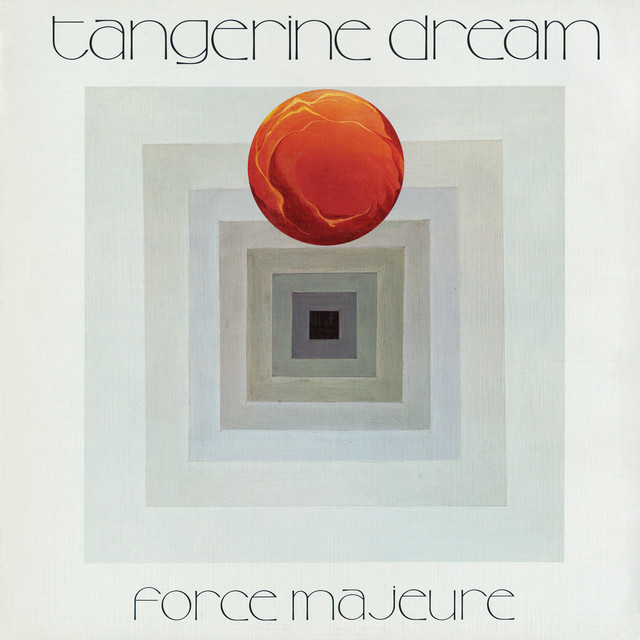
Force Majeure
Tangerine Dream
Berlin School
Progressive Electronic
1977
2
/5
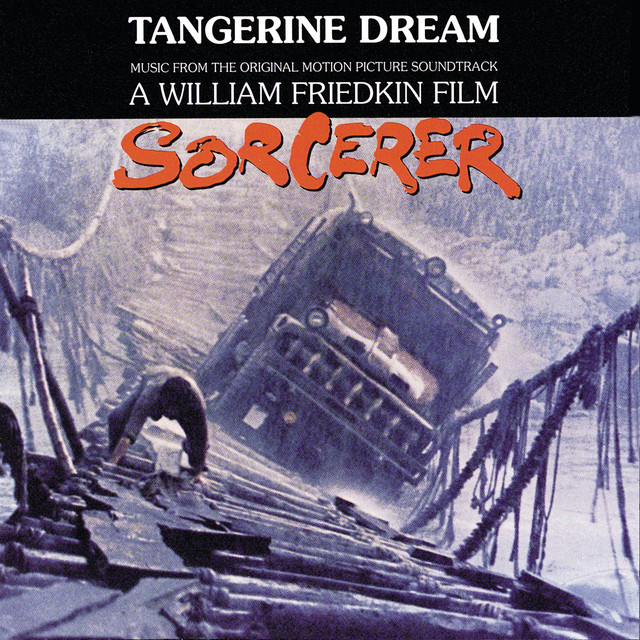
Sorcerer
Tangerine Dream
Berlin School
1976
2
/5
Stratosfear (Remastered 2018 / Deluxe Version)
Tangerine Dream
Berlin School
1976
1
/5
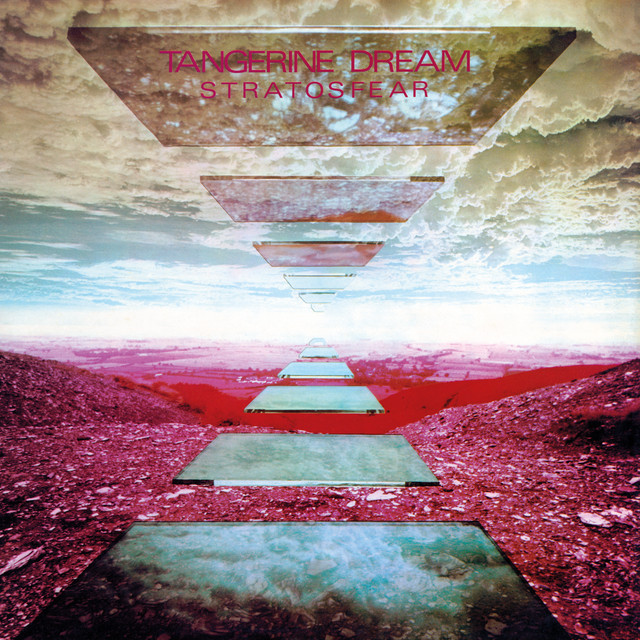
Stratosfear
Tangerine Dream
Berlin School
Progressive Electronic
1975
2
/5
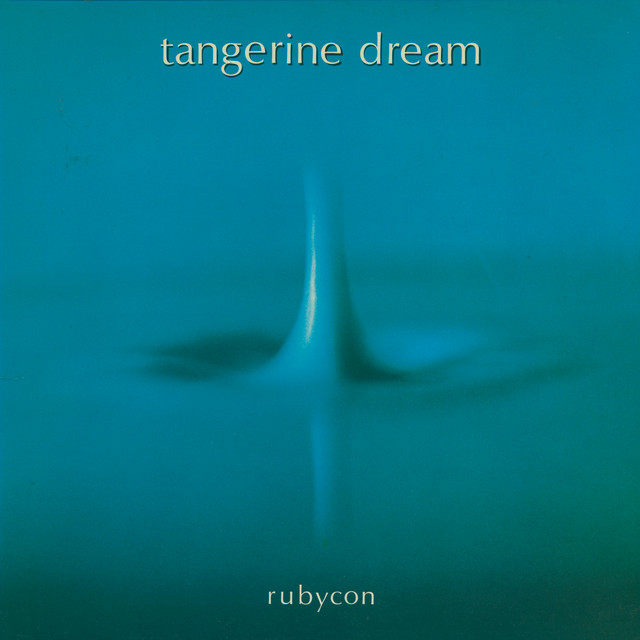
Rubycon
Tangerine Dream
Berlin School
Progressive Electronic
1974
2
/5
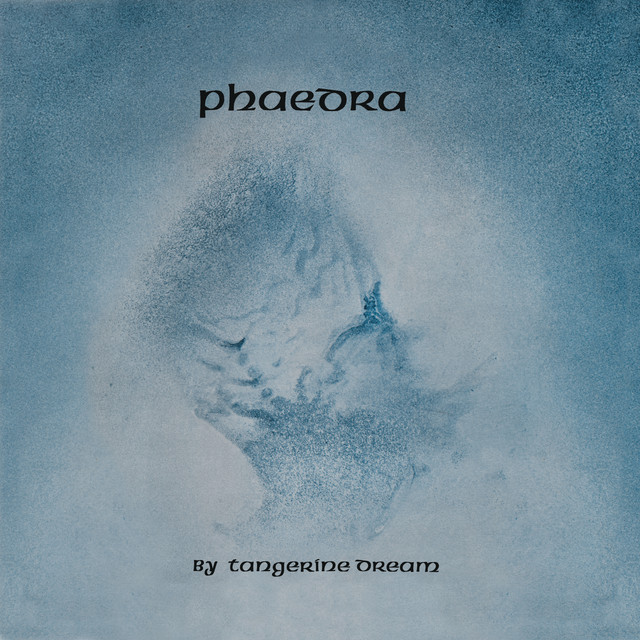
Phaedra
Tangerine Dream
Berlin School
Progressive Electronic
1972
2
/5
Zeit
Tangerine Dream
Space Ambient
Progressive Electronic
Rumpelstiltskin
Tangerine Dream
Fairy Tale
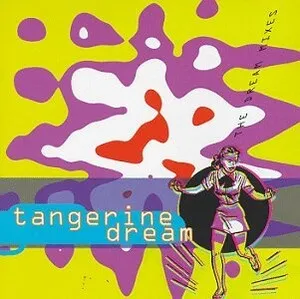
The Dream Mixes
Tangerine Dream
Ambient Trance
Similar artists
2
/5
Klaus Schulze
Berlin School
Ambient
Electronic
2
/5
Manuel Göttsching
Krautrock
Berlin School
Progressive Electronic
2
/5
Roedelius
Krautrock
Berlin School
Ambient
3
/5
Ashra
Berlin School
Ambient
Krautrock
2
/5
Terry Riley
Minimalism
Classical
Experimental
2
/5
Bitchin Bajas
Abstractro
Ambient
Drone
2
/5
Cluster
Krautrock
Ambient
Düsseldorf School
3
/5
Deuter
Krautrock
New Age
Ambient
2
/5
Moebius
Krautrock
Ambient
Avant-Garde
2
/5
Ozric Tentacles
Jam Band
Space Rock
Livetronica
Download our mobile app
Get the Melodigging app and start digging for new genres on the go
Download on the App Store
Get it on Google Play
© 2026 Melodigging
Give feedback
Legal
Melodding was created as a tribute to
Every Noise at Once
, which inspired us to help curious minds keep digging into music's ever-evolving genres.