Genres
Make Music
Artists
Albums
Challenges
Sign in
Sign in
Albums
By Ryuichi Sakamoto
Albums
By Ryuichi Sakamoto
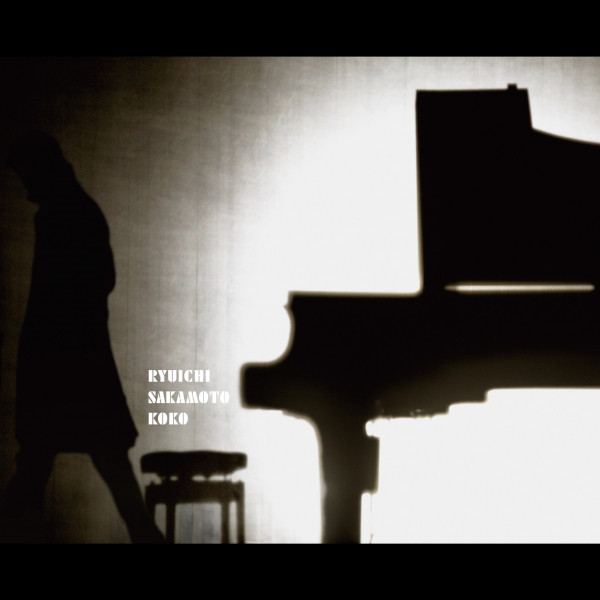
Koko
September 6, 2008
Listen
3
/5
Genres
Drone
Drone is a minimalist music genre defined by sustained tones, long durations, and extremely gradual change. Harmony is often static or centered on a single fundamental with subtle overtone shifts, while rhythm tends toward stasis or very slow pulses. Sound sources range from acoustic instruments (e.g., strings, organ, bagpipes, shruti box, tambura) to electronics (sine waves, oscillators, feedback, tape loops, and later digital synthesis and processing). Many composers favor just intonation or other alternative tuning systems to emphasize beating patterns, psychoacoustic effects, and the internal life of sound. Although drone as a sonic principle is ancient and global, the modern experimental genre cohered in the 1960s through the New York minimalists and related avant‑garde circles, then spread into ambient, experimental, and heavy music scenes. The focus is less on melody and more on timbre, resonance, and the phenomenology of listening.
Discover
Listen
Classical
Classical music is the notated art-music tradition of Europe and its global descendants, characterized by durable forms, carefully codified harmony and counterpoint, and a literate score-based practice. The term “classical” can refer broadly to the entire Western art-music lineage from the Medieval era to today, not just the Classical period (c. 1750s–1820s). It privileges long-form structures (such as symphonies, sonatas, concertos, masses, and operas), functional or modal harmony, thematic development, and timbral nuance across ensembles ranging from solo instruments to full orchestras and choirs. Across centuries, the style evolved from chant and modal polyphony to tonal harmony, and later to post-tonal idioms, while maintaining a shared emphasis on written notation, performance practice, and craft.
Discover
Listen
Japanese Classical
Japanese classical refers to the courtly, religious, theatrical, and chamber traditions that crystallized in Japan from the Nara and Heian periods onward. It encompasses Gagaku (imperial court music), Shinto ritual music (kagura), Buddhist chant (shōmyō), Noh and Kabuki repertories (e.g., nagauta, jōruri), and chamber music for koto, shamisen, and shakuhachi (sankyoku). The style emphasizes modal color (ryō and ritsu modes, along with later in/yo pentatonic variants), the dramatic architecture of jo–ha–kyū (slow introduction, development, swift conclusion), and the aesthetic of ma (meaningful silence/space). Textures are often heterophonic or layered, timbres are cultivated for breathy, reedy, and bell-like colors (e.g., shō, hichiriki, ryūteki), and rhythm can range from free-flowing chant to stately ceremonial cycles. The result is a contemplative yet ceremonially powerful sound world distinct from Western common-practice tonality.
Discover
Listen
Similar albums
1989
Kiki's Delivery Service Soundtrack Music Collection
Joe Hisaishi
2022
Ieta
Ryuichi Sakamoto
2015
Sorgsendömet Fobos
Tusen år under jord
2021
Occam Ocean 3
Eliane Radigue
2014
Interstellar (Original Motion Picture Soundtrack) [Expanded Edition]
Hans Zimmer
2013
In a Time Lapse
Ludovico Einaudi
2004
Una Mattina
Ludovico Einaudi
2015
Sleep
Max Richter
2018
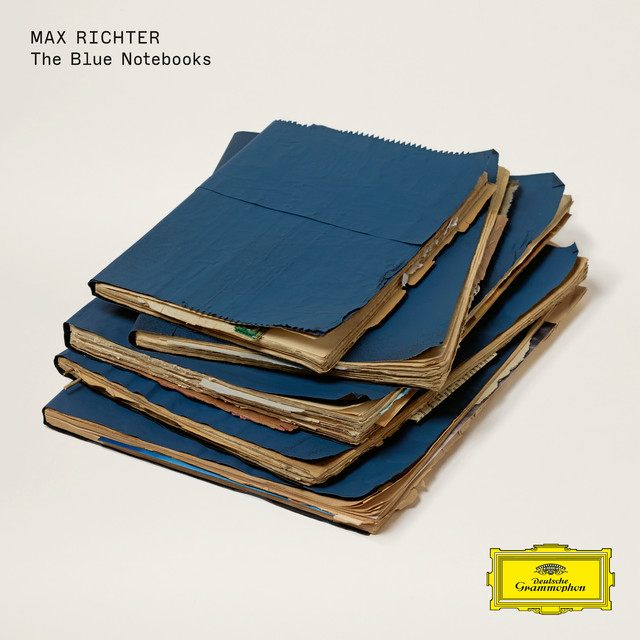
The Blue Notebooks (15 Years)
Max Richter
2023
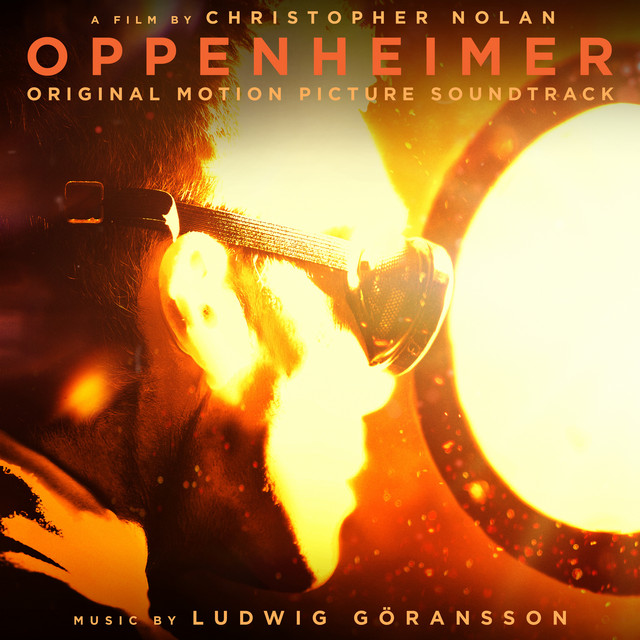
Oppenheimer (Original Motion Picture Soundtrack)
Ludwig Goransson
Download our mobile app
Get the Melodigging app and start digging for new genres on the go
Download on the App Store
Get it on Google Play
© 2026 Melodigging
Give feedback
Legal
Melodding was created as a tribute to
Every Noise at Once
, which inspired us to help curious minds keep digging into music's ever-evolving genres.