Your digging level
Description
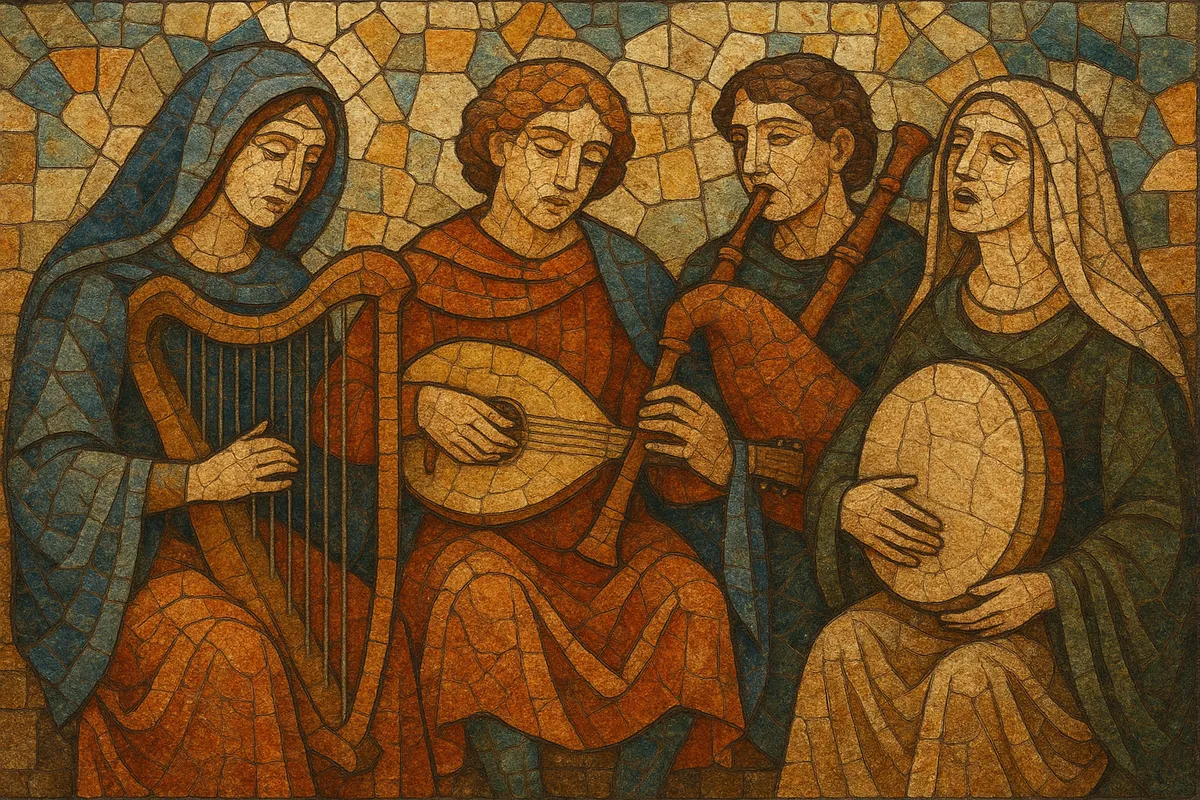
Neo-medieval folk is a modern revivalist style that reimagines the sounds of medieval and early Renaissance Europe through contemporary folk aesthetics. It favors acoustic, historically inspired instruments (hurdy-gurdy, bagpipes, lute, harp, nyckelharpa, recorders, shawms, frame drums) and modal melodies, often sung in historical or reconstructed languages.
While rooted in academic early-music practice, the genre is more atmospheric and narrative-driven than strictly scholarly. Artists blend courtly songs, dance forms (such as estampie and saltarello), drone-based textures, and ballad traditions with modern songwriting and subtle production. Depending on the act, it may lean toward dark wave and gothic timbres or toward pastoral, festival-ready folk.

History
Neo-medieval folk emerged in the 1980s as part of a broader interest in early music and alternative folk. While conservatory-trained ensembles revived historically informed performance, a parallel underground drew on similar sources with a more atmospheric, storytelling focus. Early dark wave and gothic scenes also encouraged artists to explore modal chant-like melodies, drones, and archaic timbres.
Germany became a hub thanks to groups like Corvus Corax and Estampie, who popularized bagpipes, shawms, and hand percussion in vivid, public-facing shows. Medieval markets and renaissance fairs (the Mittelalter scene) provided a natural ecosystem where acoustic sets, dance tunes, and minnesang-inspired ballads could thrive. Sister projects (e.g., Qntal, Helium Vola) fused this palette with dark wave and electronic elements, broadening the audience.
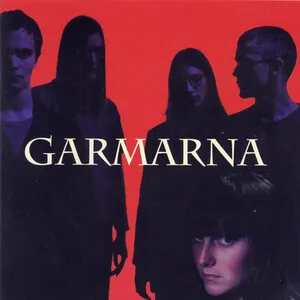
The 2000s saw international growth with acts such as Faun, Blackmore’s Night, Omnia, Mediaeval Baebes, and Garmarna. Some emphasized pastoral pagan folk, others leaned into theatrical vocals and choral textures, and some integrated subtle electronics. Recordings increasingly balanced authenticity (modal writing, period instruments) with modern production (reverb spaces, layered arrangements).
Today, neo-medieval folk overlaps with pagan folk, neoclassical dark wave, and medieval rock/metal scenes. It remains a staple of historical festivals and concert halls alike, influencing everything from soundtrack aesthetics to heavy music offshoots. The core identity persists: modal melodies, archaic timbres, and ballad- or dance-derived forms presented through contemporary storytelling and production.
Use historically inspired instruments such as hurdy-gurdy (for drones and rhythmic buzzing), bagpipes and shawms (bold leads), recorders and flutes (lyrical lines), lute or harp (arpeggiated accompaniment), nyckelharpa or fiddle (melodic ornamentation), and frame drums, davul, tambourines, and hand percussion (dance pulses). Keep textures mostly acoustic; add subtle synth pads or drones if a dark wave tint is desired.
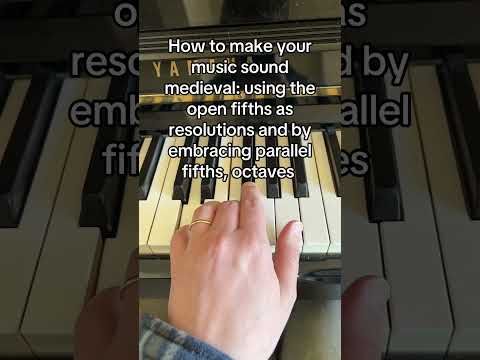
Write in medieval/renaissance modes (Dorian, Aeolian, Phrygian, Mixolydian). Favor drones, open fifths, parallel motion, and cadences that avoid strong dominant-tonic pull. Melodies should be chant-like or dance-derived, with limited chromaticism and expressive ornamentation. Two-voice counterlines (voice + instrument) create authentic intimacy.
Structure pieces as ballads, processional tunes, or dance forms (estampie, saltarello, bourrée-like patterns). Use repeating ostinati, simple phrase structures (AABB/ABAB), and steady hand-percussion grooves. Tempos range from slow, reverent airs to lively circle-dance pulses; allow space for instrumental breaks and call-and-response refrains.
Draw from medieval poetry, minnesang, or folk ballad narratives. Use languages such as Latin, Middle High German, Old French/Occitan, or modern tongues with archaic diction. Themes include courtly love, myth, nature cycles, pilgrimage, and allegory. Storytelling should be vivid and image-rich.
Record in natural spaces or emulate them with warm, long reverbs to suggest chapels or halls. Spotlight acoustic detail (bow noise, key clicks, breath) to enhance immediacy. Layer drones beneath lead voices, and use gentle saturation instead of heavy compression. If adding electronics, keep them textural—pads, low drones, and subtle pulses that never overpower the acoustic core.
For darker aesthetics, blend low choirs, frame-drum thumps, and modal string ostinati with restrained dark wave pads. For festival energy, emphasize bagpipe/shawm hooks, stomping percussion, and sing-along refrains while maintaining modal integrity.


Top albums

Best playlists