Genres
Artists
Albums
Make Music
Sign in
Sign in
Artists
Classical
Artists
Classical
Víkingur Ólafsson
2017–2020
·
5 albums
Listen
4
/5
Genres
Modern Classical
Modern classical is a contemporary strand of instrumental music that applies classical composition techniques to intimate, cinematic settings. It typically foregrounds piano and strings, is sparsely orchestrated, and embraces ambience, repetition, and timbral detail. Rather than the academic modernism of the early 20th century, modern classical as used today refers to accessible, mood-driven works that sit between classical, ambient, and film music. Felt pianos, close‑miked string quartets, tape hiss, drones, soft electronics, and minimal harmonic movement are common, producing a contemplative, emotionally direct sound that translates well to headphones, streaming playlists, and screen media.
Discover
Listen
Modern Cello
Modern cello is a contemporary, post-classical approach to writing and performing for the cello that blends classical technique with ambient textures, minimalist harmony, electronics, and studio-layered production. It treats the cello as both a lyrical, melodic instrument and a sound-design source, using looping, extended techniques, and effects to create cinematic atmospheres as often as traditional concert works. Across albums, film/TV scores, and live solo sets, modern cello emphasizes intimacy, clarity of tone, and evolving textures over virtuosic display, often appealing to classical, ambient, and indie audiences alike.
Discover
Listen
Classical Crossover
Classical crossover blends elements of Western classical music with popular styles to create accessible, cinematic, and vocally forward repertoire. It typically keeps classical vocal technique or orchestral timbres while adopting pop song structures, contemporary production, and ear‑catching hooks. Arrangements often feature lush strings, piano, and choir, with dramatic dynamic arcs and key changes. Repertoire may include pop-influenced originals, classical themes with new lyrics, and reinterpretations of opera arias or film melodies, frequently sung in English, Italian, or Latin. The genre is designed for broad appeal without abandoning the polish and gravitas of classical performance, bridging concert hall aesthetics and mainstream listening contexts.
Discover
Listen
Icelandic Experimental
Icelandic experimental is a cross‑disciplinary strain of Iceland’s music that blends ambient atmospheres, post‑rock scale, modern classical writing, electroacoustic techniques, and noise/field recordings. It favors texture over virtuosity, long dynamic arcs over strict song forms, and a highly spatial, reverberant sound that evokes volcanic landscapes, oceanic weather, and deep winter light. Artists combine electronics (granular synthesis, tape manipulation, modulars) with acoustic timbres (strings, prepared piano, voice, chamber ensembles), often using extended techniques and found sound. Vocals may be choral stacks, wordless syllables, or the Icelandic language itself treated as sonic material. The result ranges from glacially slow drones to fragile glitch‑folk and neoclassical miniatures.
Discover
Listen
Minimalism
Minimalism is a style of Western art music that emerged in the United States during the 1960s, characterized by the use of very limited musical materials, steady pulse, and extensive repetition. Composers often build pieces from short cells or motifs that are repeated and slowly transformed through additive or subtractive processes, phase shifting, and gradual changes in harmony, texture, or register. Harmony is typically consonant (often modal or diatonic), though just intonation and extended drones are also common. The result is music that foregrounds process, clarity, audibility of structure, and a hypnotic sense of stasis and flow. Typical ensembles include keyboards, mallet percussion, strings, winds, voices, and electronics or tape. Minimalism influenced a wide array of later styles, from ambient and new age to post-minimalism and minimal techno.
Discover
Listen
Impressionism
Impressionism in music is a late-19th- and early-20th-century style that prioritizes color, atmosphere, and suggestion over overt drama and functional harmonic progressions. Originating in France, it parallels the visual arts movement in its fascination with light, timbre, and fleeting impressions. Musically, the style favors modal, pentatonic, and whole‑tone materials; parallel (planed) chords; unresolved dissonances; and ambiguous tonal centers. Rhythms are flexible and often blur a sense of strong meter, while textures shimmer through delicate orchestration, pedal tones, and arpeggiated figures. Rather than strict sonata designs, impressionist works tend to be episodic, evocative, and programmatic, conjuring landscapes, water, night, and dreamlike states.
Discover
Listen
Étude
An étude is a short solo instrumental piece, most commonly for piano, designed to develop a specific technical skill while also standing as a musically satisfying work. Emerging in the early 19th century from pedagogical "studies," the concert étude transformed drill-like patterns (arpeggios, octaves, double notes, leaps, rapid scales, polyrhythms) into expressive miniatures suitable for the stage. Typical études are through-composed or ternary in shape, last a few minutes, and center on a single technical focus that is woven into the musical fabric. Although most associated with the piano, the étude tradition extends to violin, winds, brass, and other instruments, where sets of studies target instrument-specific techniques. Over time the genre has ranged from classical tonality (Czerny, Chopin) to late-Romantic and modern harmonic languages (Rachmaninoff, Scriabin, Debussy) and into avant-garde textures and extended techniques (Ligeti).
Discover
Listen
Classical Piano
Classical piano is the tradition of composing and performing music for the acoustic piano within the Western classical lineage. It emphasizes formal clarity, tonal harmony, contrapuntal writing, and expressive nuance across the full compass of the instrument. Its core repertoire ranges from Classical-era sonatas and variations to Romantic character pieces, études, dances, and 20th-century impressionistic and modernist works. Pianists exploit dynamics, articulation, pedaling, and touch to shape phrases, imitate orchestral textures, and project both intimate lyricism and large-scale drama.
Discover
Listen
Baroque
Baroque is a period and style of Western art music spanning roughly 1600–1750. It is characterized by the birth of functional tonality, the widespread use of basso continuo (figured bass), and a love of contrast—between soloist and ensemble, loud and soft, and different timbres. Hallmark genres and forms of the era include opera, cantata, oratorio, concerto (especially the concerto grosso), dance suite, sonata, and fugue. Textures range from expressive monody to intricate counterpoint, and melodies are richly ornamented with trills, mordents, and appoggiaturas. Baroque music flourished in churches, courts, and theaters across Europe, with regional styles (Italian, French, German, English) shaping distinctive approaches to rhythm, dance, harmony, and ornamentation.
Discover
Listen
Classical
Classical music is the notated art-music tradition of Europe and its global descendants, characterized by durable forms, carefully codified harmony and counterpoint, and a literate score-based practice. The term “classical” can refer broadly to the entire Western art-music lineage from the Medieval era to today, not just the Classical period (c. 1750s–1820s). It privileges long-form structures (such as symphonies, sonatas, concertos, masses, and operas), functional or modal harmony, thematic development, and timbral nuance across ensembles ranging from solo instruments to full orchestras and choirs. Across centuries, the style evolved from chant and modal polyphony to tonal harmony, and later to post-tonal idioms, while maintaining a shared emphasis on written notation, performance practice, and craft.
Discover
Listen
Show all 10 genres
Albums
2020
2
/5
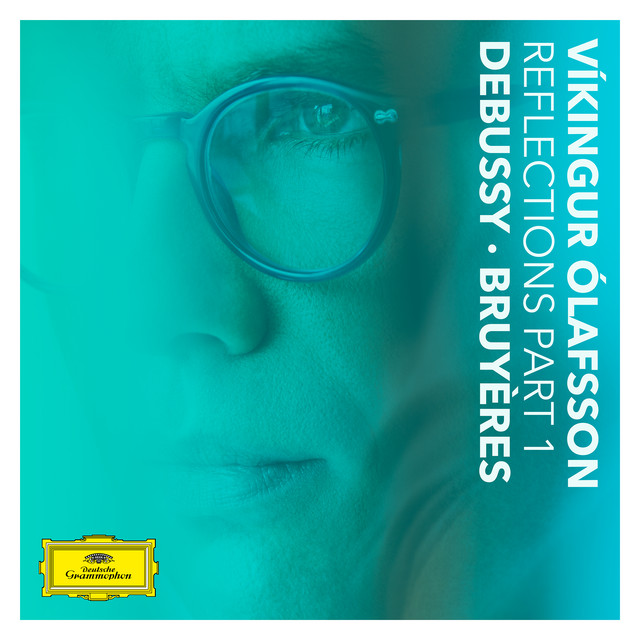
Reflections Pt. 1 / Debussy: Bruyères
Víkingur Ólafsson
Classical Piano
Minimalism
Classical
2020
3
/5
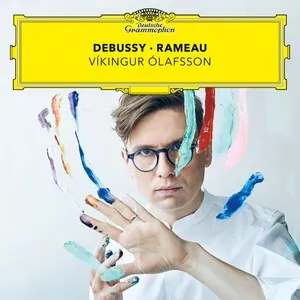
Debussy – Rameau
Claude Debussy / Jean-Philippe Rameau
Impressionism
Classical
Modern Classical
2019
3
/5
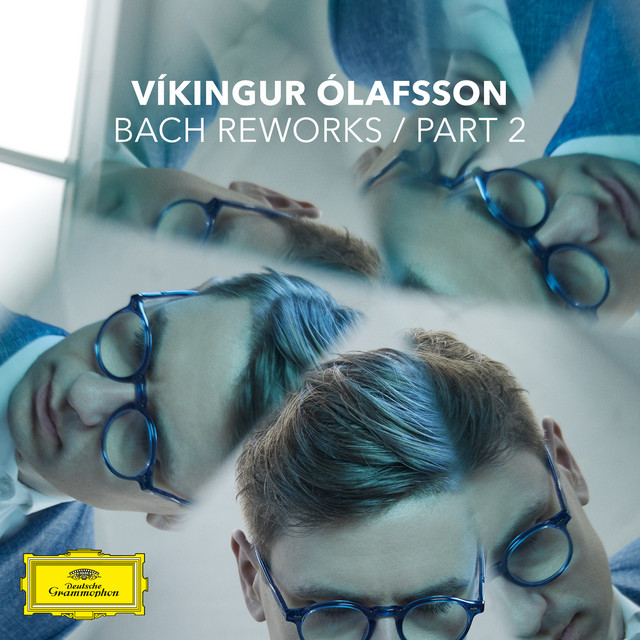
Bach Reworks (Pt. 2)
Víkingur Ólafsson
Classical Piano
Modern Cello
Minimalism
2018
3
/5
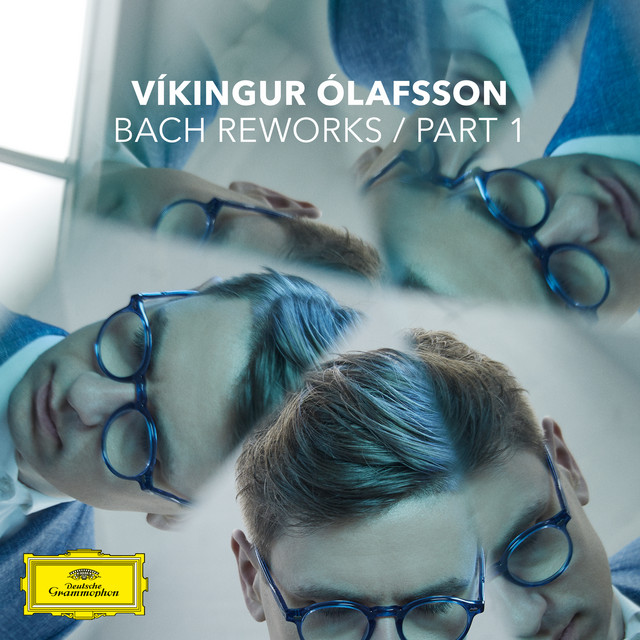
Bach Reworks (Pt. 1)
Víkingur Ólafsson
Minimalism
Classical Piano
Classical Crossover
2017
3
/5
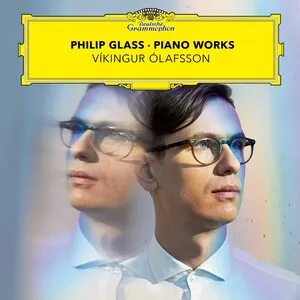
Piano Works
Philip Glass / Víkingur Ólafsson
Étude
Classical
Modern Classical
Similar artists
4
/5
Claude Debussy
Impressionism
Classical
Classical Piano
2
/5
Reinbert de Leeuw
Classical
Classical Piano
Impressionism
1
/5
Various Artists
Afro-Funk
Alternative Rock
Ambient
3
/5
Jean-Philippe Rameau
Classical
Opera-Ballet
Tragédie En Musique
3
/5
Katia Labèque
Classical
Classical Piano
Minimalism
4
/5
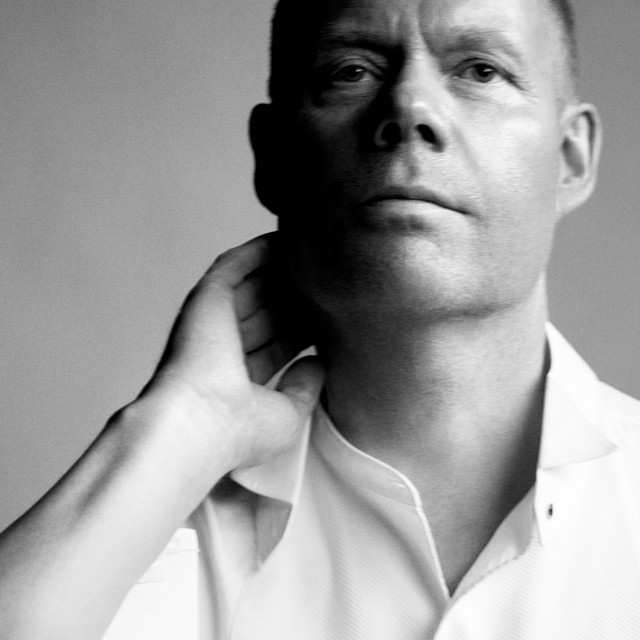
Max Richter
Post-Minimalism
Classical
Contemporary Classical
4
/5
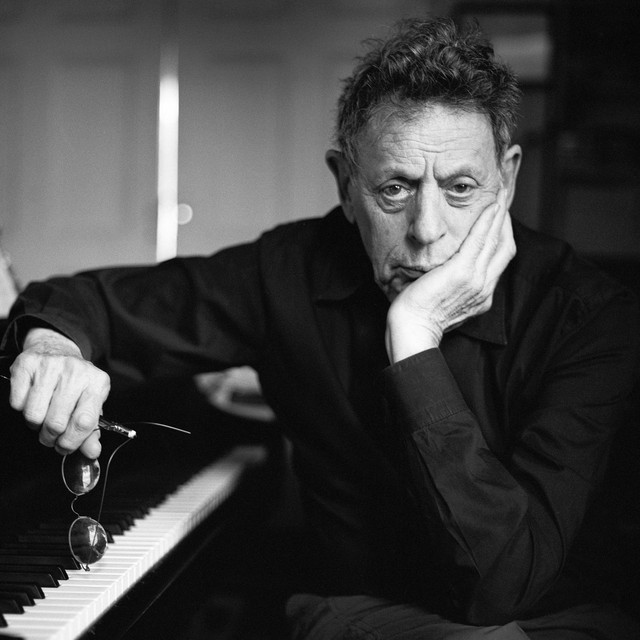
Philip Glass
Classical
Minimalism
Modern Classical
3
/5
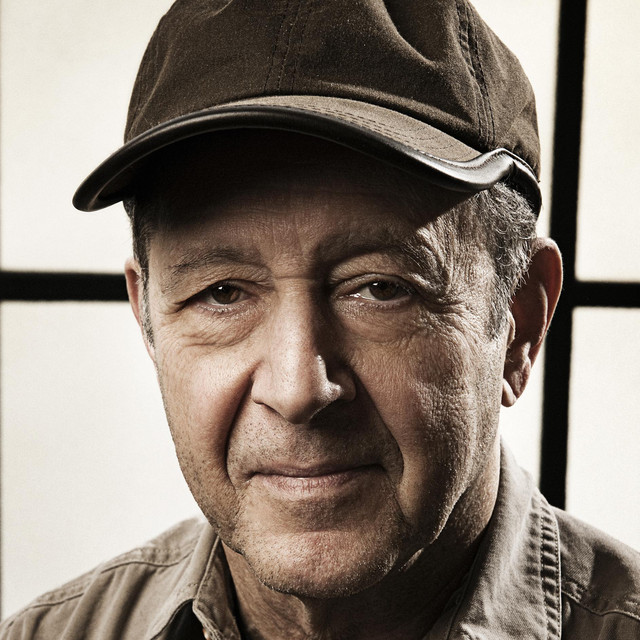
Steve Reich
Minimalism
Classical
Modern Classical
3
/5
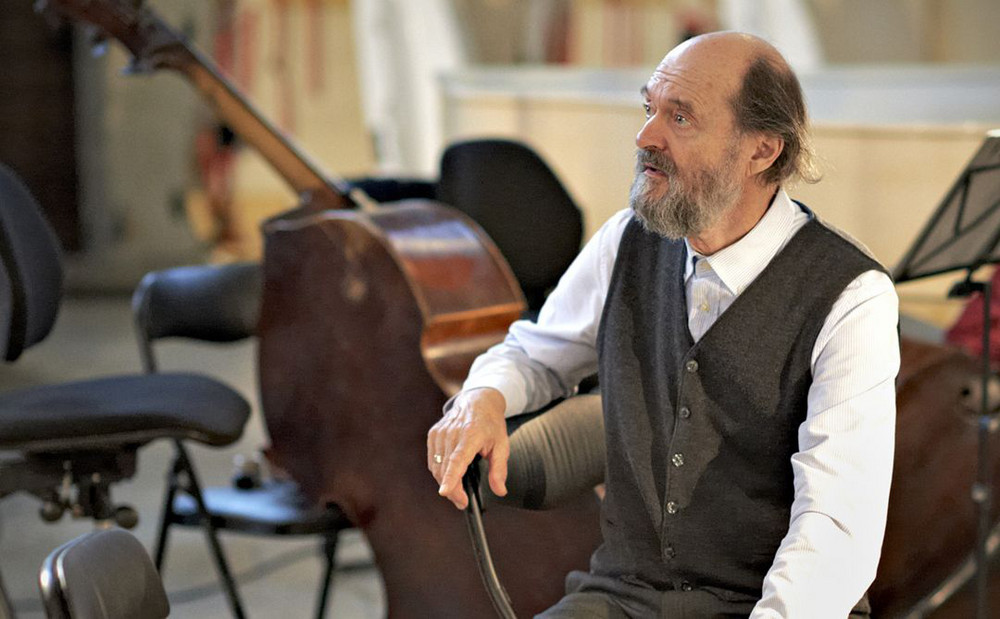
Arvo Pärt
Minimalism
Classical
Holy Minimalism
3
/5
Valentina Lisitsa
Classical
Classical Piano
Minimalism
Download our mobile app
Get the Melodigging app and start digging for new genres on the go
Download on the App Store
Get it on Google Play
© 2026 Melodigging
Give feedback
Legal
Melodding was created as a tribute to
Every Noise at Once
, which inspired us to help curious minds keep digging into music's ever-evolving genres.