Your digging level for this genre

0/8
🏆
Sign in, then listen to this genre to level up

Description

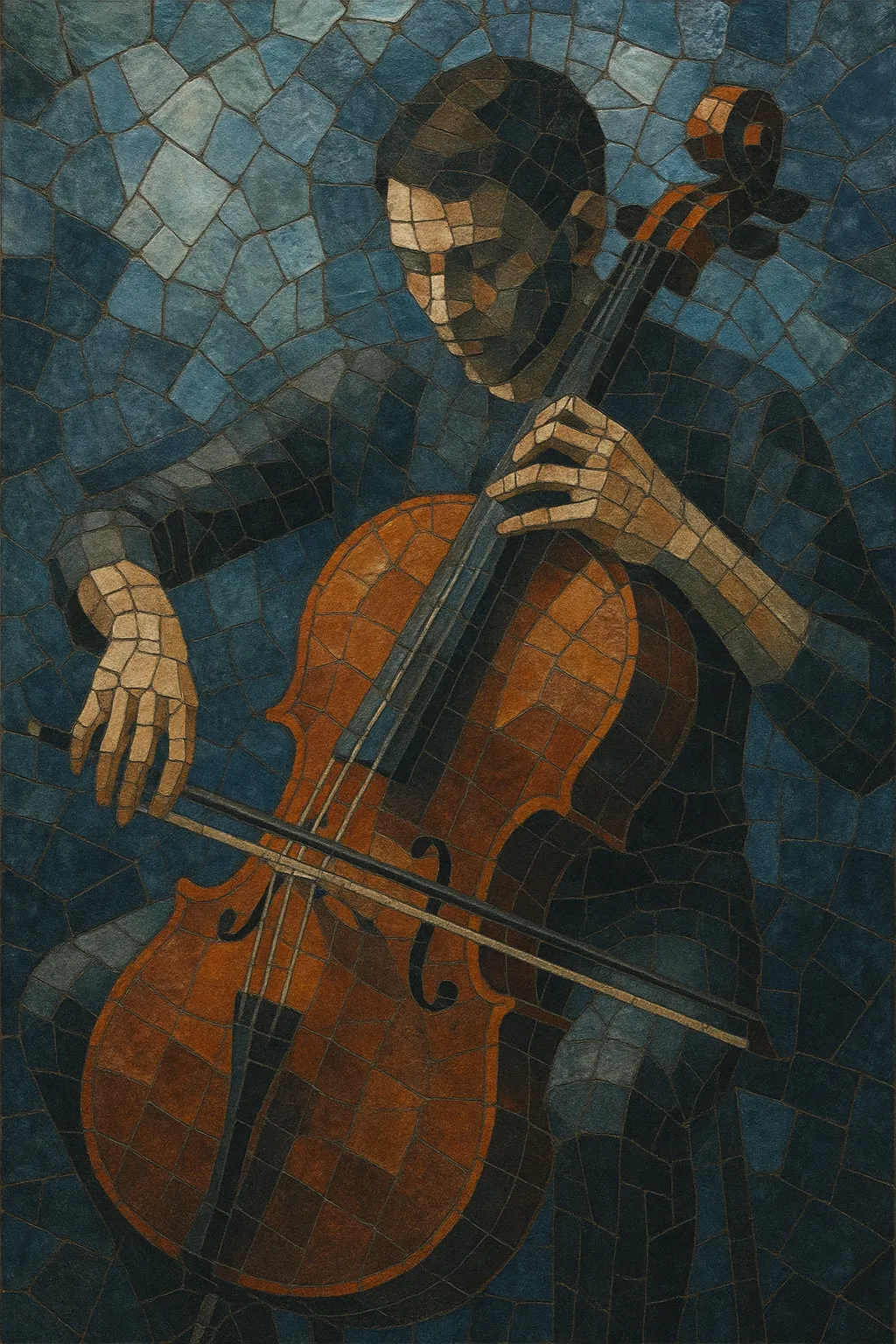
Modern cello is a contemporary, post-classical approach to writing and performing for the cello that blends classical technique with ambient textures, minimalist harmony, electronics, and studio-layered production.

It treats the cello as both a lyrical, melodic instrument and a sound-design source, using looping, extended techniques, and effects to create cinematic atmospheres as often as traditional concert works.

Across albums, film/TV scores, and live solo sets, modern cello emphasizes intimacy, clarity of tone, and evolving textures over virtuosic display, often appealing to classical, ambient, and indie audiences alike.

History

Roots and early catalysts (1990s–2000s)

While the cello has long featured in classical and film music, the modern cello aesthetic took shape in the late 1990s and 2000s as post-classical and ambient scenes embraced minimalism, looping, and home-studio production. Affordable loopers and DAWs let solo cellists build pieces layer-by-layer, moving the instrument from the concert hall to clubs, galleries, and personal studios.

Growth with post-classical and indie crossover (2010s)

In the 2010s, a wave of composers-performers released albums that foregrounded intimate mic’ing, restrained harmony, and patient development. Artists blended cello with subtle electronics, pedals, granular processing, and tape textures, aligning the instrument with ambient and neoclassical catalogs. Parallel growth in streaming playlists ("cello & piano", "focus", "cinematic") helped the sound reach broader audiences beyond classical circles.

Film, TV, and game scoring influence

As the timbre became synonymous with warmth, gravity, and introspection, modern cello entered film/TV, prestige documentaries, and games. Its capacity for sustained emotional arcs and textural nuance made it a go-to color for contemporary scoring, further reinforcing the style’s cinematic identity.

Present day

Modern cello now spans solo loop-based performances, chamber projects, and cross-genre collaborations. It occupies a stable niche between contemporary classical, ambient, and indie experimental scenes, with an expanding toolkit of extended techniques and production methods that continue to redefine what the cello can do in the studio and on stage.

How to make a track in this genre

Core instrumentation and setup
•   Start with solo cello recorded closely (bridge and fingerboard positions) to capture bow nuance. Use a quality condenser/ribbon mic or a blend for warmth and detail. •   Add a looper (hardware or DAW) to build ostinatos, drones, and countermelodies. Introduce subtle effects—reverb, delay, gentle saturation, granular or tape warble—for depth.
Harmony, melody, and form
•   Favor minimal, modal, or slowly evolving harmonies (I–IV, suspended sonorities, drones). Repetition with gradual variation is key. •   Write clear, singable motifs; develop them via register shifts, harmony stacking, and textural growth rather than dense counterpoint. •   Use sectional forms that bloom over 4–8 minute arcs, balancing space and payoff (e.g., drone → pulse → layered climax → dissolving coda).
Rhythm and texture
•   Establish pulse with pizzicato ostinatos, col legno taps, or subtle percussive knocks on the body. •   Layer arco pads and harmonics over rhythmic cells; automate reverb and filtering to open/close space across sections.
Extended techniques and production
•   Combine sul tasto/sul ponticello, harmonics, glissandi, and soft tremolo for evolving timbres. •   Multitrack to create a "string ensemble" from one player; pan layers for width, use sidechain ducking to let motifs breathe. •   Keep dynamics intimate; avoid overcompression—transient bow noise and air are part of the aesthetic.
Collaboration and context
•   Pair with piano, synth pads, or subtle electronics for color; leave space so the cello remains the narrative voice. •   For media scoring, sketch cues around a central motif and a limited palette to ensure cohesion and quick iteration.

Top tracks

Locked
Share your favorite track to unlock other users’ top tracks
Influenced by
Has influenced
Challenges
Digger Battle
Let's see who can find the best track in this genre
© 2025 Melodigging
Melodding was created as a tribute to Every Noise at Once, which inspired us to help curious minds keep digging into music's ever-evolving genres.
Buy me a coffee for Melodigging