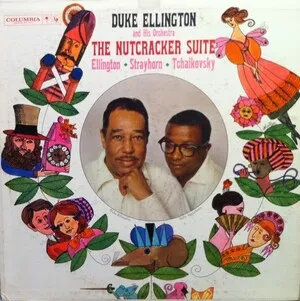
Your digging level
Description
Holiday music is an umbrella category that groups songs and styles expressly created for, or strongly associated with, specific festive days and seasons. Rather than being a single musical style, it is defined by theme and function: to accompany celebration, ritual, community gatherings, and seasonal moods.
In practice, “holiday music” encompasses Christmas carols and pop standards, Hanukkah songs, patriotic music tied to national holidays, carnival/parade repertoires, Allhallowtide/Halloween cues, New Year songs, and many regional traditions such as Latin American aguinaldos and parrandas, Haitian rara, Iberian caramelles, and South American murga. Its arrangements range from intimate folk caroling and liturgical choral writing to big‑band swing, pop balladry, rock, R&B, and marching-band formats.
Musically, holiday songs often employ memorable melodies, consonant harmonies (frequently in major keys), choral textures, bell or glockenspiel colors, and lyrical topics that center on community, winter imagery, faith, remembrance, and celebration. In the recording era, holiday music also became a seasonal commercial genre, with standards revived annually and new songs joining the canon.
History
Holiday music draws on ancient ritual and liturgical traditions. Medieval and early modern Europe produced Christmas carols and hymns for both church and street performance, while many cultures developed processional and communal singing tied to the calendar (e.g., Iberian caramelles, Latin American aguinaldos/parrandas).
With radio and records, holiday music coalesced as a commercial category—especially in the United States. Standards like “Santa Claus Is Comin’ to Town” (1934), “White Christmas” (1942), and “Have Yourself a Merry Little Christmas” (1944) established a template of lush orchestration, crooning vocals, and sentimental themes. Big-band arrangements, choir-backed pop, and broadcast specials cemented holiday music’s annual return.
Beyond Christmas, the umbrella includes patriotic repertoires (military/marching band literature aligned to national days), Allhallowtide/Halloween cues and novelty songs, carnival and parade idioms (murga, marching band, carnival music), Lenten/Easter repertoires, New Year songs (including Chinese New Year songs), and Jewish holiday music (e.g., Hanukkah songs rooted in synagogue and popular traditions). Caribbean rara and parang/parranda, Iberian/Latin caroling practices, and countless local forms underscore the genre’s worldwide scope.
From the 1960s onward, rock, soul, country, and R&B acts contributed holiday originals and covers, expanding stylistic diversity. The 1990s–2000s saw modern pop revivals and TV specials; in the 2010s–2020s, playlist culture and streaming analytics reinforced seasonal spikes, spawning new substyles (holiday jazz/pop crossovers, a cappella arrangements) and annual chart resurgences.

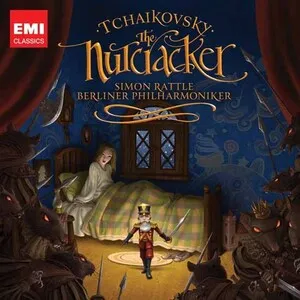
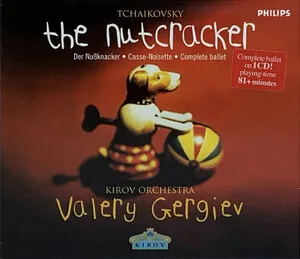
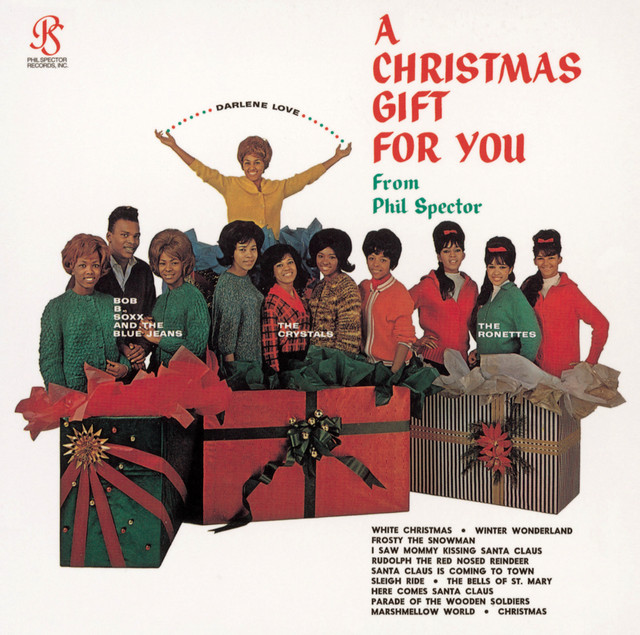
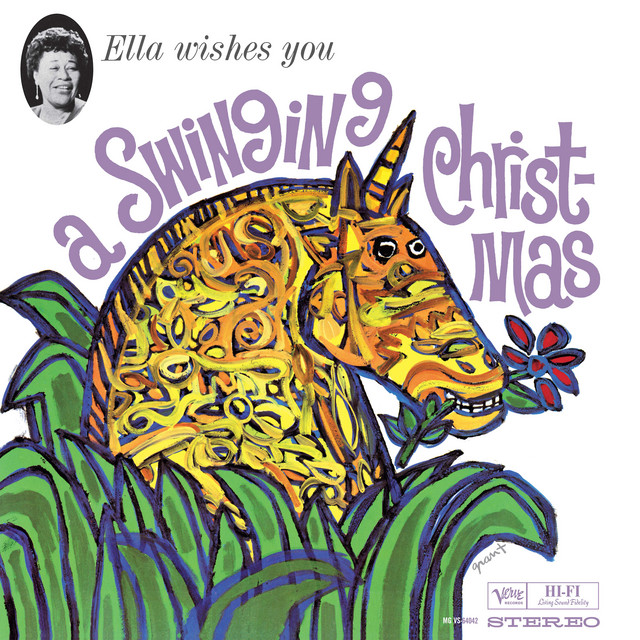
Top albums