Your digging level
Description
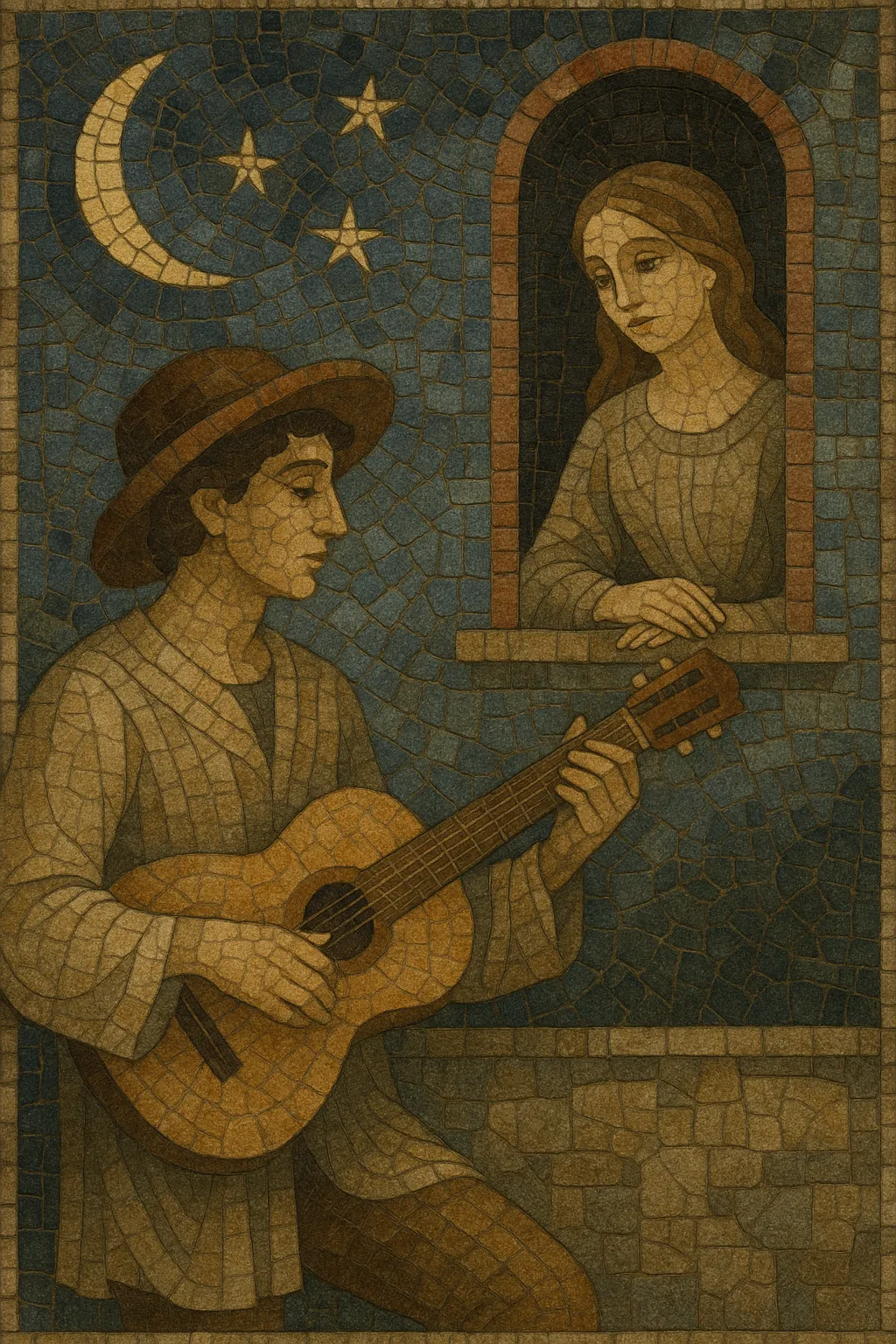
A serenade is a classical-period genre that originally denoted evening music performed outdoors, often offered to honor or woo someone. By the mid–late 18th century, it evolved into a multi-movement instrumental work closely related to the divertimento and cassation, typically lighter in character than a symphony and intended for social occasions.
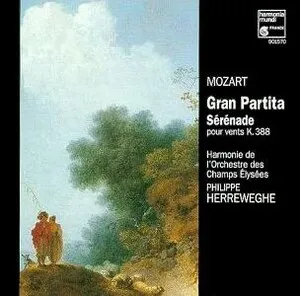
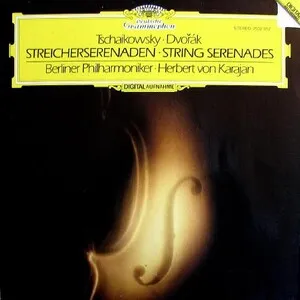
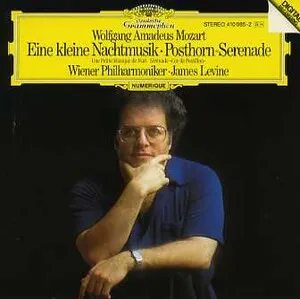
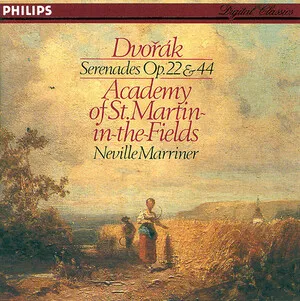
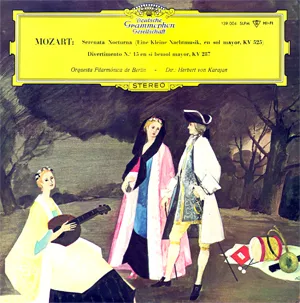
Serenades are tuneful, gracious, and often scored for small orchestra, wind ensemble, or strings, with movement types such as marches, minuets, and lyrical slow movements. Famous examples include Mozart’s Eine kleine Nachtmusik and the string serenades of Dvořák and Tchaikovsky.
History
The term comes from the Italian "serenata"—vocal or dramatic works performed in the evening, often outdoors, during the 17th and early 18th centuries. These serenate drew on operatic and cantata traditions, using expressive arias and recitatives in a festive setting.
In the Classical era, the serenade became a mostly instrumental, multi-movement form suited to social and ceremonial functions. In Austria and the German lands, composers wrote serenades for mixed ensembles, winds (Harmoniemusik), or strings. Wolfgang Amadeus Mozart helped define the genre with works like the Haffner Serenade and Eine kleine Nachtmusik, establishing the serenade as elegant “night music” that was lighter than a symphony but more substantial than incidental background music.
Romantic-era composers reimagined the serenade for concert use, particularly as string-orchestra works. Johannes Brahms wrote two orchestral serenades that bridge symphonic scope with a relaxed serenade ethos. Antonín Dvořák and Pyotr Ilyich Tchaikovsky penned beloved string serenades whose warm melodies and clear forms became models for later composers. Wind serenades also continued through the century (e.g., Richard Strauss’s Serenade in E-flat).
Composers in the 20th century (e.g., Elgar, Dohnányi, Suk) continued to write serenades, often in neoclassical spirit, valuing clarity, lyricism, and intimate scale. The serenade remains a concert staple for string orchestras and wind ensembles, standing as a versatile, audience-friendly classical form.

Top albums
%3B%20Divertimento%20N_%C2%BA%2015%20en%20si%20bemol%20mayor%2C%20KV%20287%2C%20Cover%20art.webp)