Genres
Artists
Albums
Make Music
Sign in
Sign in
Artists
Classical
Artists
Classical
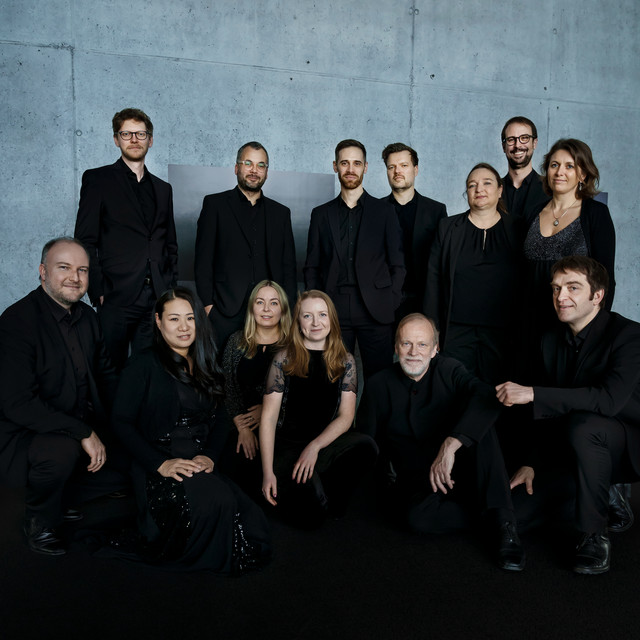
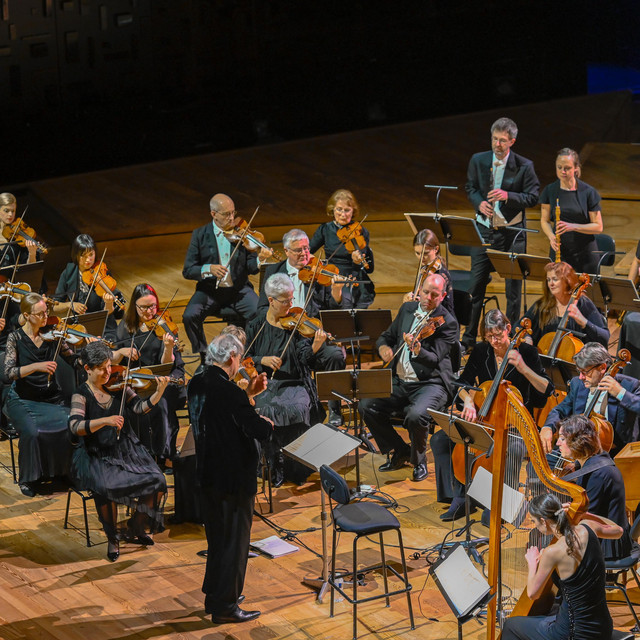
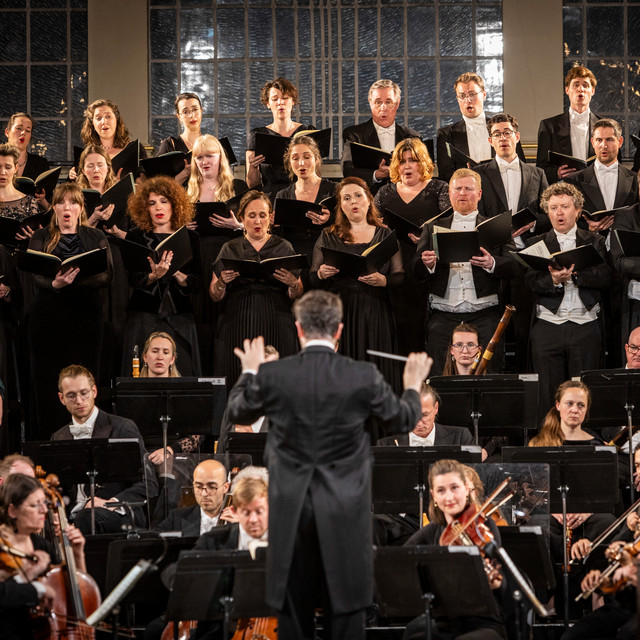
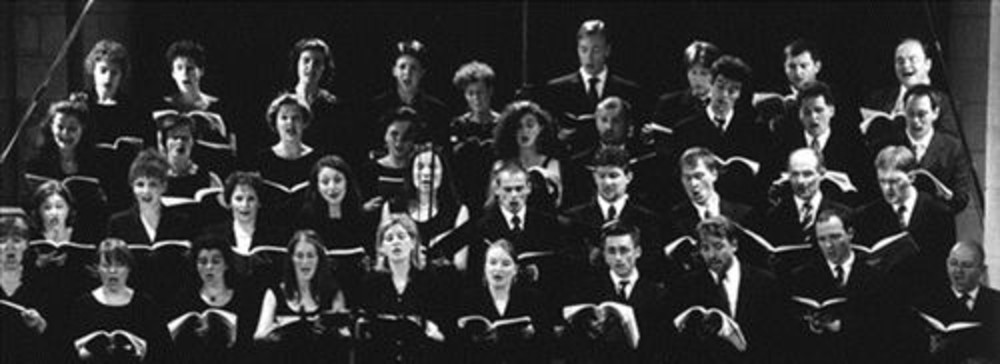
Collegium Vocale Gent
1988–2024
·
20 albums
Listen
3
/5
Genres
Regional Music
Regional music is an umbrella term for locally rooted musical styles that are strongly tied to a specific place, community, and cultural practice. Rather than denoting one uniform sound, it encompasses many traditions whose instrumentation, rhythms, language, and performance customs reflect the history and daily life of a region. In the recording era, labels, radio programmers, and later streaming platforms used “regional music” to group market- or scene-specific traditions (for example, Cajun in Louisiana, son in Cuba, morna in Cape Verde, or Irish traditional music). The term highlights locality, vernacular identity, and continuity with folk or indigenous practices, even when these styles modernize or cross over into pop and rock contexts.
Discover
Listen
Tragédie En Musique
Tragédie en musique (also called tragédie lyrique) is a French Baroque operatic genre forged at the court of Louis XIV by composer Jean-Baptiste Lully and librettist Philippe Quinault. It blends a solemn, heroic or mythological subject with a distinctive five-act plan plus a ceremonial prologue, abundant choral writing, instrumental interludes, and elaborate danced divertissements. The music features the French overture (majestically dotted rhythms), supple French récitatif tailored to the nuances of the language, brief airs rather than showpiece arias, and rich orchestral colors shaped by a five-part string band and basso continuo. Its overall aesthetic is one of noble declamation, dramatic clarity, and courtly spectacle—where text, dance, chorus, and stagecraft combine into a unified theatrical experience.
Discover
Listen
Baroque
Baroque is a period and style of Western art music spanning roughly 1600–1750. It is characterized by the birth of functional tonality, the widespread use of basso continuo (figured bass), and a love of contrast—between soloist and ensemble, loud and soft, and different timbres. Hallmark genres and forms of the era include opera, cantata, oratorio, concerto (especially the concerto grosso), dance suite, sonata, and fugue. Textures range from expressive monody to intricate counterpoint, and melodies are richly ornamented with trills, mordents, and appoggiaturas. Baroque music flourished in churches, courts, and theaters across Europe, with regional styles (Italian, French, German, English) shaping distinctive approaches to rhythm, dance, harmony, and ornamentation.
Discover
Listen
Cantata
A cantata is a multi-movement vocal composition with instrumental accompaniment, typically written for one or more soloists, choir, and a continuo or small orchestra. It may be sacred (for liturgical use) or secular (for courtly or domestic performance). Emerging in early 17th-century Italy, the cantata adopts the expressive recitative–aria contrast of opera on a smaller scale. Baroque church cantatas—especially in the German Lutheran tradition—often weave congregational chorales, contrapuntal choruses, and solo arias into a coherent cycle tied to the liturgical calendar. Stylistically, cantatas use tonal Baroque harmony, basso continuo, and movement types such as recitativo secco/accompagnato, da capo arias, choruses, and sinfonias. The genre later broadened into concert and scenic cantatas in the 19th and 20th centuries.
Discover
Listen
Oratorio
An oratorio is a large‑scale, multi‑movement work for voices and orchestra, typically on a sacred narrative subject, performed without staging, costumes, or scenery. It combines solo recitatives and arias with powerful choruses and instrumental movements, using a dramatic arc similar to opera but presented as a concert work. Languages and styles vary by era and region (Italian and Latin in early Roman oratorios, German for Lutheran works such as Bach’s, and English for Handel’s). While most are sacred, secular oratorios also exist. Across the Baroque, Classical, Romantic, and modern eras, the oratorio evolved from intimate devotional storytelling to monumental public concert pieces, often intended for festivals and large choirs.
Discover
Listen
Madrigal
The madrigal is a secular vocal music genre that flourished during the Renaissance and into the early Baroque period. It is typically written for three to six voices and is most often performed a cappella in its 16th‑century form. Madrigals are through-composed, meaning the music changes to suit each line of text rather than following a repeating strophic pattern. Composers prioritized vivid text expression and word painting, aligning musical gestures with the imagery and rhetoric of the poetry—frequently drawing on Petrarchan themes of love, desire, nature, and melancholy. Over time, the style evolved from relatively clear textures and diatonic harmonies to highly expressive chromaticism and bold dissonances. Late madrigals introduced instruments doubling or accompanying the voices and helped usher in the seconda pratica, ultimately bridging toward early opera and other Baroque vocal forms.
Discover
Listen
Passion
A Passion is a large‑scale sacred musical genre that sets the Gospel narrative of Christ’s suffering and crucifixion (the Passion) to music. It originated as liturgical chant and evolved into elaborate polyphonic and Baroque oratorio forms. Typical Baroque Passions feature an Evangelist (tenor narrator) who declaims the biblical text in recitative, solo roles for Jesus (Christus) and other characters, congregational-style chorales, reflective arias, and dramatic "turba" choruses representing the crowd. Earlier Renaissance Passions are often austere and predominantly choral, while Catholic traditions favored Latin and Protestant (especially Lutheran) Passions used vernacular German. Passions were historically performed during Holy Week, often in two parts surrounding a sermon, and are among the most revered monuments of Christian sacred music.
Discover
Listen
Requiem
A requiem is a musical setting of the Roman Catholic Mass for the Dead (Missa pro defunctis). Historically rooted in Latin liturgy, it sets movements such as the Introit, Kyrie, (historically) the Sequence Dies irae, Offertory, Sanctus, Agnus Dei, and Communion, and often includes additional responsories like Libera me and In paradisum. While the earliest requiems were monophonic chants, the genre became a showcase for polyphonic and later symphonic choral writing. Renaissance composers wrote austere, modal settings; Classical and Romantic composers expanded the forces and dramatic scope; and 20th–21st century composers reimagined the form with new languages, from neo-modal and impressionistic harmonies to avant‑garde sonorities. Today, requiems appear both in liturgy and as concert works, symbolizing collective mourning, remembrance, and spiritual reflection.
Discover
Listen
Passion Setting
Passion setting is a sacred vocal genre that sets the biblical Passion narrative—the arrest, trial, crucifixion, and burial of Jesus—to music. Originally emerging from medieval chant traditions, it later evolved into elaborate multi-movement works featuring narrator (Evangelist), the words of Christ (Christus), soloists for individual roles, and choral "turba" movements representing the crowd. Across history, passion settings range from austere, unaccompanied chant or Renaissance polyphony to large Baroque oratorio-scale works with orchestra and chorales. While Latin and German are the most common languages (reflecting Catholic and Lutheran traditions), the form has been adapted into many vernaculars in the 20th and 21st centuries. In all cases, the musical rhetoric emphasizes solemn devotion, drama, and theological reflection.
Discover
Listen
Renaissance
Renaissance music (c. 1400–1600) marks the shift from medieval sonorities to a clearer, triad-based polyphony in which multiple independent voices are treated with near-equal importance. It favors modal counterpoint, pervasive imitation, smooth voice-leading, and carefully prepared cadences. Text intelligibility and expressive text-setting become central concerns, especially in sacred motets and masses and in secular forms like the Italian madrigal and the French chanson. While much of the repertory is a cappella, instrumental consorts (viol, recorder, sackbut, cornett, organ) play a growing role. A steady tactus underpins rhythms, and tuning systems such as meantone temperament shape its characteristic color. Music printing (from 1501) accelerates stylistic diffusion across Europe.
Discover
Listen
Mass
Mass is a large-scale vocal genre that sets the Ordinary of the Roman Catholic liturgy—Kyrie, Gloria, Credo, Sanctus (and Benedictus), and Agnus Dei—most often in Latin. It began as monophonic chant but developed into sophisticated polyphony and later into concert works for choir, soloists, and instruments or full orchestra. Across history, composers have used techniques such as cantus firmus, imitation, paraphrase, and parody to unify movements. The genre spans from austere a cappella writing to monumental symphonic-choral statements, and today is performed both liturgically and in the concert hall. Common subtypes include Missa brevis (short Mass, often omitting the Credo or compact in scale) and Missa solemnis (festal, expansive forces and duration).
Discover
Listen
Motet
A motet is a polyphonic vocal composition, usually on a sacred Latin text, that emerged in the High Middle Ages and became a central genre of European art music during the Renaissance. Early motets layered different texts and rhythms above a chant-derived tenor, while later Renaissance motets favored smooth, imitative counterpoint shared among voice parts. Across its long history the motet served both liturgical and devotional functions, typically performed a cappella by small choirs. Stylistically it ranges from the rhythmically intricate, isorhythmic constructions of the 13th–14th centuries to the balanced, text-sensitive writing of the 16th century, and onward to concerted and chorale-based treatments in the Baroque and beyond.
Discover
Listen
Classical
Classical music is the notated art-music tradition of Europe and its global descendants, characterized by durable forms, carefully codified harmony and counterpoint, and a literate score-based practice. The term “classical” can refer broadly to the entire Western art-music lineage from the Medieval era to today, not just the Classical period (c. 1750s–1820s). It privileges long-form structures (such as symphonies, sonatas, concertos, masses, and operas), functional or modal harmony, thematic development, and timbral nuance across ensembles ranging from solo instruments to full orchestras and choirs. Across centuries, the style evolved from chant and modal polyphony to tonal harmony, and later to post-tonal idioms, while maintaining a shared emphasis on written notation, performance practice, and craft.
Discover
Listen
European Music
“European music” is a broad umbrella covering the historical and regional practices that developed across the European continent, from medieval sacred chant and courtly song to folk traditions, art (classical) music, and later popular and electronic styles. Common threads include the codification of staff notation, the development of modal and later tonal harmony, the use of structured forms (e.g., mass, motet, madrigal; sonata, symphony, opera; verse–chorus song), and a rich palette of instruments culminating in the modern orchestra and various regional folk ensembles. While extremely diverse from region to region, European music is marked by a continuous dialogue between sacred and secular practices, learned written traditions and oral folk idioms, and later between art music and mass-market popular genres.
Discover
Listen
Polyphonic Chant
Polyphonic chant is a sacred vocal tradition in which two or more independent voices sing liturgical material at the same time, creating vertical harmony from originally monophonic chant. Emerging from the practice of adding a second voice to chant (organum), it favors perfect consonances (fourths, fifths, and octaves) and often places a sustained chant line (tenor) beneath more florid upper parts. In its classic medieval Western form, it is unaccompanied (a cappella), modal rather than tonal, and frequently governed by rhythmic modes. While the Notre Dame school in Paris codified much of its technique, related polyphonic chant practices also exist in other liturgical cultures (e.g., Georgian and Corsican traditions), each with distinctive sonorities and voice-leading norms.
Discover
Listen
Western Classical
Western classical is the notated art-music tradition that developed in Europe from medieval Christian chant into the large-scale secular and sacred forms of the Baroque, Classical, Romantic, and modern eras. It is characterized by staff notation, evolving systems of modality and tonality, and forms such as symphony, sonata, concerto, mass, opera, and chamber music. Across its history, Western classical established an extensive theory of harmony and counterpoint, refined orchestration across strings, winds, brass, and percussion, and cultivated performance practices from a cappella chant to full symphonic and operatic forces. Its repertoire, pedagogy, and institutions (conservatories, orchestras, opera houses) made it a global reference point for compositional craft and instrumental technique.
Discover
Listen
Choral
Choral refers to music written for and performed by a choir—an ensemble of voices organized into sections such as soprano, alto, tenor, and bass (SATB), or same-voice groupings (SSA, TTBB). It encompasses both sacred and secular repertoire and may be sung a cappella or with accompaniment by organ, piano, or full orchestra. Stylistically, choral music ranges from chant-like monophony to intricate polyphony and rich homophonic textures. Texts are drawn from liturgy, scripture, poetry, and vernacular sources, and are set in many languages. Performance contexts include church services, concert halls, and community events, making choral one of the most socially embedded and widely practiced forms of ensemble music. Across history, choral music has served as a laboratory for vocal counterpoint, word painting, and text-driven form, while functioning as a cultural bridge among religious rites, national traditions, and contemporary concert practice.
Discover
Listen
Show all 17 genres
Albums
2024
1
/5
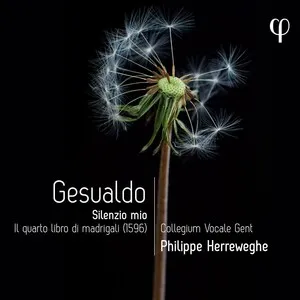
Silenzio mio: Il quarto libro di madrigali
Carlo Gesualdo / Collegium Vocale Gent / Philippe Herreweghe
Madrigal
2022
1
/5
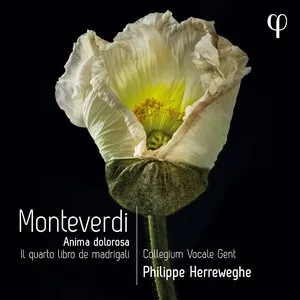
Anima dolorosa: Il quarto libro de madrigali
Claudio Monteverdi / Collegium Vocale Gent / Philippe Herreweghe
Madrigal
2021
1
/5
Soli Deo gloria
Johann Sebastian Bach
Cantata
Baroque
Classical
2020
1
/5
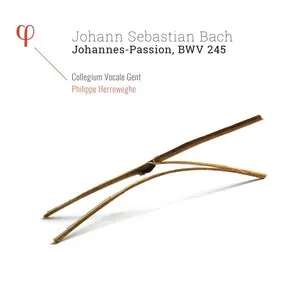
Johannes-Passion, BWV 245
Johann Sebastian Bach / Johann Hermann Schein
Passion Setting
Passion
Classical
2013
1
/5
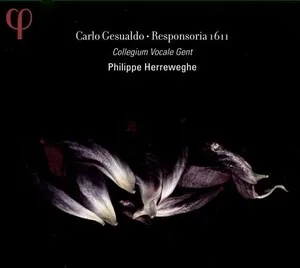
Responsoria 1611
Carlo Gesualdo / Collegium Vocale Gent / Philippe Herreweghe
Polyphonic Chant
Renaissance
2012
1
/5
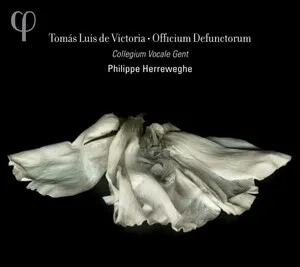
Officium defunctorum
Tomás Luis de Victoria / Collegium Vocale Gent / Philippe Herreweghe
Requiem
2012
2
/5
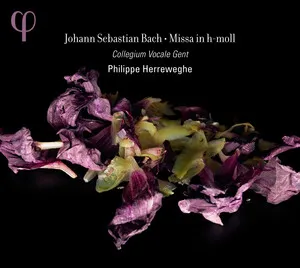
Missa in h-Moll
Johann Sebastian Bach / Collegium Vocale Gent / Philippe Herreweghe
Mass
Choral
Baroque
2012
1
/5
Missa in h-Moll
Johann Sebastian Bach / Collegium Vocale Gent / Philippe Herreweghe
Baroque
Classical
2011
1
/5
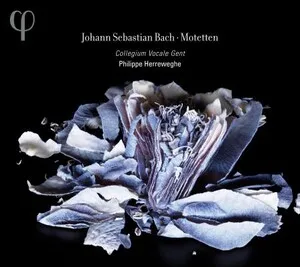
Motetten
Johann Sebastian Bach / Collegium Vocale Gent / Philippe Herreweghe
Motet
Baroque
Classical
2008
1
/5
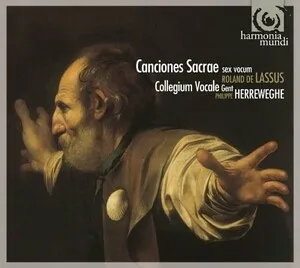
Cantiones sacrae sex vocum
Roland de Lassus / Collegium Vocale Gent / Philippe Herreweghe
Motet
2007
1
/5
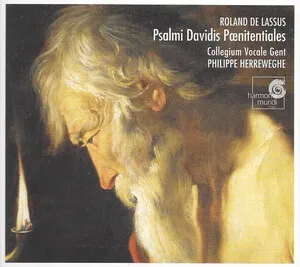
Psalmi Davidis pœnitentiales
Roland de Lassus / Collegium Vocale Gent / Philippe Herreweghe
Polyphonic Chant
Renaissance
2005
2
/5
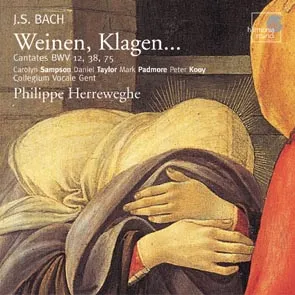
Weinen, Klagen... Cantates BWV 12, 38, 75
Johann Sebastian Bach
Cantata
Classical
2002
1
/5
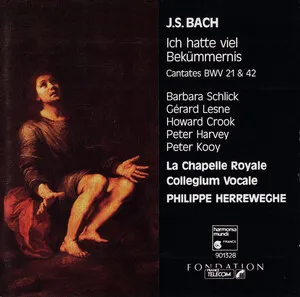
Ich hatte viel Bekümmernis - Cantates BWV 21 & 42
Johann Sebastian Bach
Cantata
2001
2
/5
Johannes-Passion
Johann Sebastian Bach / Johann Hermann Schein
Passion
Passion Setting
Oratorio
2000
2
/5
Cantates pour alto
Johann Sebastian Bach
Cantata
2000
2
/5
Messe en si
Johann Sebastian Bach / Collegium Vocale Gent / Philippe Herreweghe
Mass
Choral
Baroque
1999
3
/5
Matthäus-Passion
Johann Sebastian Bach
Oratorio
Passion
Passion Setting
1997
2
/5
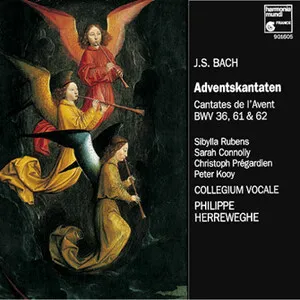
Adventskantaten BWV 36, 61 & 62
Johann Sebastian Bach
Cantata
Baroque
Classical
1993
2
/5
Armide
Jean-Baptiste Lully
Tragédie En Musique
1988
1
/5
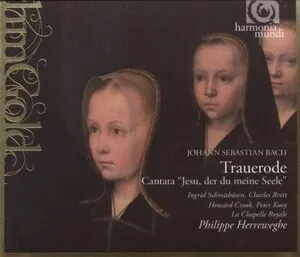
Trauerode; Cantate "Jesu, der du meine Seele"
Johann Sebastian Bach
Cantata
Similar artists
3
/5
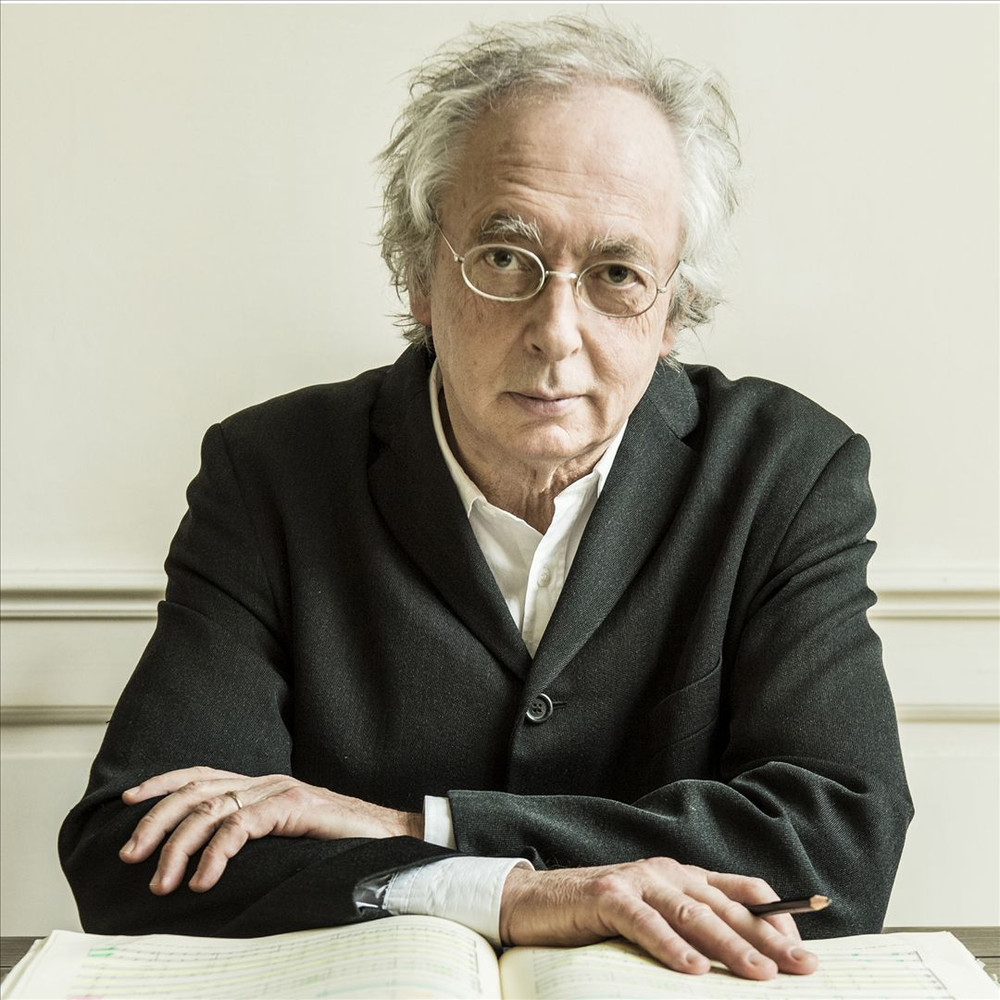
Philippe Herreweghe
Classical
Baroque
Choral
3
/5
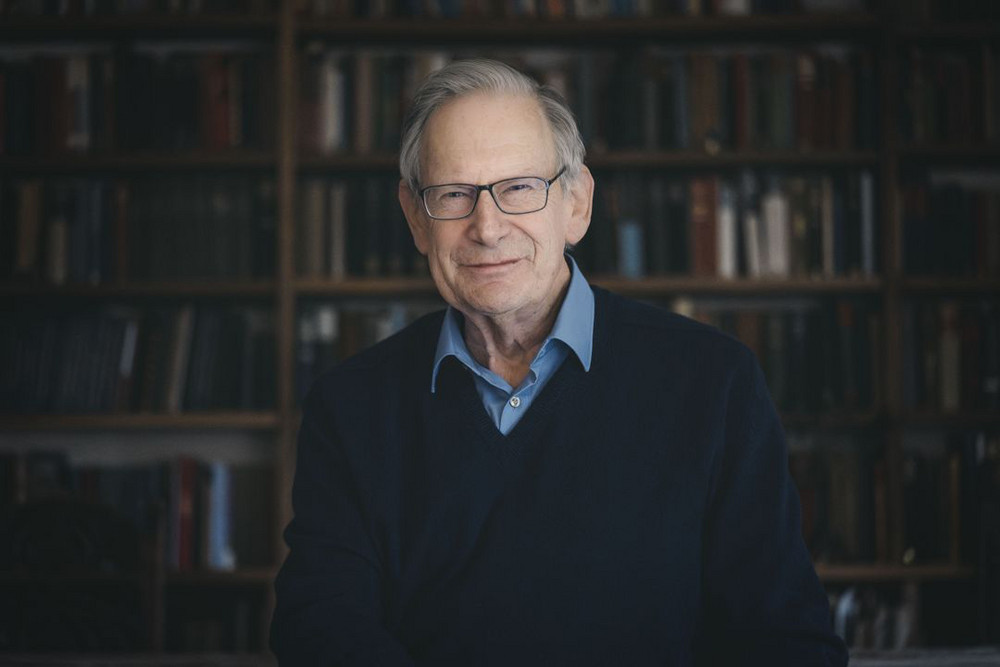
John Eliot Gardiner
Classical
Choral
Requiem
3
/5
English Baroque Soloists
Classical
Choral
Requiem
3
/5
Monteverdi Choir
Choral
Classical
Requiem
2
/5
La Chapelle Royale
Choral
Requiem
Cantata
2
/5
Peter Kooij
Choral
Requiem
Baroque
4
/5
Johann Sebastian Bach
Baroque
Classical
Baroque Suite
3
/5
Masaaki Suzuki
Classical
Cantata
Choral
3
/5
Academy of Ancient Music
Classical
Choral
Requiem
2
/5
Otto Klemperer
Choral
Classical
Opera
Download our mobile app
Get the Melodigging app and start digging for new genres on the go
Download on the App Store
Get it on Google Play
© 2026 Melodigging
Give feedback
Legal
Melodding was created as a tribute to
Every Noise at Once
, which inspired us to help curious minds keep digging into music's ever-evolving genres.