Genres
Artists
Albums
Make Music
Sign in
Sign in
Artists
Classical
Artists
Classical
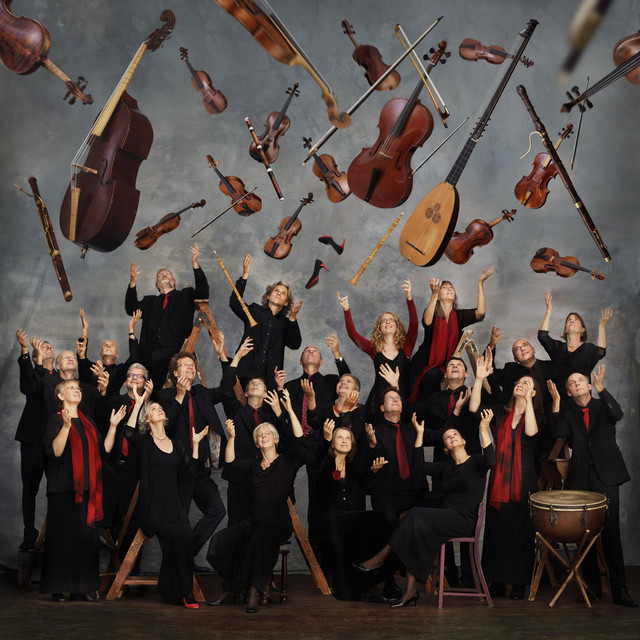
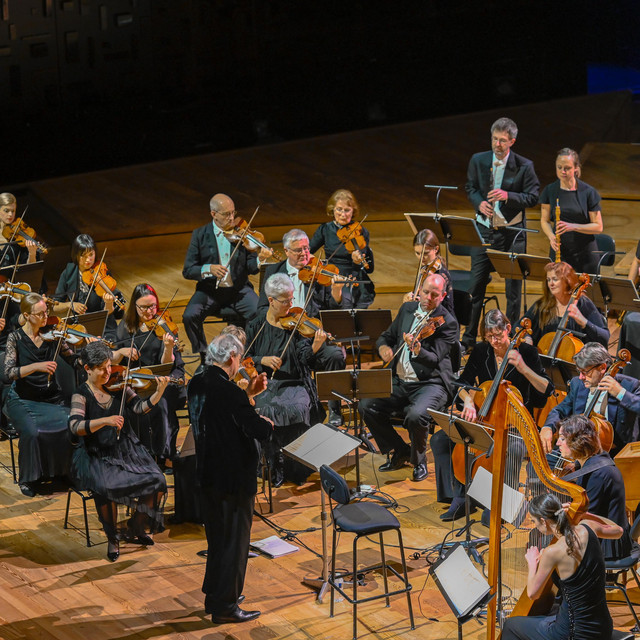
Academy of Ancient Music
1974–2000
·
11 albums
Listen
3
/5
Genres
Meme
Meme is an internet-native umbrella genre for songs and audio clips that are created for, shaped by, or propelled through online meme culture. It blends humor, parody, and fast-turnaround production with infectious hooks designed to spread rapidly across platforms. Stylistically, meme music is eclectic. It can be rap, pop, EDM, rock, or mashup-driven collage; the common thread is comedic framing, referential lyrics, exaggerated vocal processing, and recognizable samples that cue shared online in-jokes. Tracks often favor short runtimes, bold punchlines, and instantly loopable sections optimized for social media. Because it thrives on virality rather than a fixed instrumentation set, meme functions as a meta-genre. It borrows techniques from mashup culture, YTPMV, soundclown, nightcore, and novelty/comedy traditions, while using platform-specific aesthetics from YouTube, SoundCloud, Vine, and TikTok.
Discover
Listen
432hz
432hz is a wellness-oriented ambient/New Age micro-genre built around tuning music to the alternative concert pitch A=432 Hz instead of the modern standard A=440 Hz. In practice, 432hz releases are largely instrumental, slow-tempo, and reverb-rich, combining soft pads, drones, gentle piano, bowls/chimes, and nature sounds. Tracks are marketed for relaxation, meditation, yoga, sleep, and "energy" or "chakra" work, and are frequently tagged with wellness keywords. While advocates claim psychoacoustic or physiological benefits from 432 Hz tuning, these claims remain unproven; the sound signature audiences respond to is the calm production, consonant harmony, and spacious mixing typical of ambient and New Age music. As a streaming-native style, 432hz thrives on platforms like YouTube and Spotify where long-form background listening, SEO-friendly titling, and looping visuals support use-cases such as study, mindfulness, and sleep.
Discover
Listen
Chamber Orchestra
A chamber orchestra is a small, flexible orchestra typically ranging from about 15 to 45 musicians. It preserves the clarity and intimacy of chamber music while retaining orchestral color and range. Compared with a full symphony orchestra, it uses reduced forces—often single or paired winds and brass, a compact string body, and limited percussion—producing a transparent, agile sound. Chamber orchestras perform repertoire from the Baroque and Classical eras through to contemporary works, and they frequently revive older pieces with historically informed approaches. The format lends itself to conductor-led or conductorless performance, encouraging close ensemble listening, elegant phrasing, and finely detailed articulation.
Discover
Listen
Romantic Classical
Romantic classical (Romantic-era) music is the 19th‑century phase of Western art music in which expression, individuality, and imagination came to the fore. Composers expanded the orchestra, embraced chromatic harmony and bold modulations, and favored long‑breathed, emotive melodies. Aligned with the wider Romantic movement in literature and the arts, it prized the subjective—love, nature, the supernatural, nationalism, and the sublime—often through programmatic narratives. New and transformed genres (the symphonic poem, grand opera, the art song/Lied, concert overtures) coexisted with reimagined Classical forms (symphony, sonata, concerto) that grew in scale and harmonic daring. From ca. 1800 through the early 20th century, Romantic music stretched from Beethoven’s heroic style and Schubert’s lyricism to Wagner’s leitmotivic dramas and Tchaikovsky’s symphonic ballet-infused language, culminating in late-Romantic gigantism and post-Romantic continuations.
Discover
Listen
Singspiel
Singspiel is a German-language musical stage genre that alternates spoken dialogue with musical numbers such as arias, ensembles, choruses, and finales. Unlike through‑composed opera, the plot advances through spoken scenes, which makes the style theatrically agile and accessible to broad audiences. Musically, Singspiel blends tuneful, folk‑like melodies and clear Classical‑era harmonies with theatrical flair. Subjects range from domestic comedy to adventure, exoticism, and magic (Zauberoper), and the tone can move from light and humorous to noble and sentimental. It flourished in public theaters across German lands and Austria, where it became closely identified with Viennese stages in the late 18th century.
Discover
Listen
Classical Period
The Classical period in Western art music (c. 1750–1820) is defined by clarity of form, balance of phrase, and transparent textures. Composers favored singable melodies, symmetrical four- and eight-bar phrases, and functional harmony that modulates to closely related keys. Hallmark forms such as the symphony, string quartet, sonata, and classical concerto were standardized, often using sonata form, theme-and-variations, minuet and trio, and rondo designs. Orchestras expanded beyond strings to include standardized pairs of woodwinds and horns, with trumpets and timpani for ceremonial weight, while the fortepiano gradually replaced the harpsichord. The style pivoted away from the dense counterpoint of the late Baroque toward a more galant, conversational musical rhetoric. It culminated in the Viennese masters—Haydn, Mozart, and the early Beethoven—whose works crystallized the era’s ideals and prepared the way for Romanticism.
Discover
Listen
Opera Seria
Opera seria is the 18th‑century Italian "serious" opera that crystallized around noble, moralizing stories drawn from Classical mythology and ancient history. It privileges elevated rhetoric, clear affects, and vocal virtuosity, especially through the da capo (ABA') aria, where singers ornament the return to display technical brilliance and expressive nuance. Typically organized in three acts, opera seria alternates recitatives (secco with continuo for dialogue; accompagnato with orchestra for heightened drama) and solo arias. Ensemble numbers and choruses are rare, and the dramatic flow is shaped by the famous "exit aria" convention, where characters leave the stage after an aria. The style reached canonical form via Metastasian libretti and dominated courts and major opera houses across Naples, Rome, Venice, Vienna, and London.
Discover
Listen
Serenade
A serenade is a classical-period genre that originally denoted evening music performed outdoors, often offered to honor or woo someone. By the mid–late 18th century, it evolved into a multi-movement instrumental work closely related to the divertimento and cassation, typically lighter in character than a symphony and intended for social occasions. Serenades are tuneful, gracious, and often scored for small orchestra, wind ensemble, or strings, with movement types such as marches, minuets, and lyrical slow movements. Famous examples include Mozart’s Eine kleine Nachtmusik and the string serenades of Dvořák and Tchaikovsky.
Discover
Listen
Concerto
A concerto is a large-scale composition that sets one or more solo instruments in dynamic dialogue with an orchestra. Its core idea is contrast—between soloist and tutti—and the dramatic negotiation of power, color, and thematic responsibility. While Baroque concertos often relied on ritornello form, the Classical era standardized a three-movement plan (fast–slow–fast) with sonata principles in the opening movement. The Romantic period emphasized virtuosity and expressive foregrounding of the soloist, and the 20th–21st centuries broadened the palette with new instruments, harmonies, and formats. Across eras, the concerto remains a showcase for instrumental character, technical brilliance, and the art of orchestral conversation.
Discover
Listen
Concerto Grosso
A concerto grosso is a Baroque-era orchestral form built on contrasts between a small group of soloists (the concertino) and the full ensemble (the ripieno or tutti). It typically features strings with basso continuo, terraced dynamics, antiphonal dialogue, and clear tonal harmony. Two principal subtypes emerged: the church-oriented sonata da chiesa (often in a four-movement slow–fast–slow–fast plan) and the dance-inflected sonata da camera (suite-like movements). The genre highlights thematic exchange, sequences, and imitation, with the concertino—often two violins and cello—embroidered against broader tutti refrains. Corelli’s models codified its syntax, and Handel’s sets represent its late-Baroque culmination.
Discover
Listen
Overture
An overture is an orchestral piece that traditionally serves as the opening to an opera, ballet, or stage work, and later evolved into an independent concert genre. Two foundational models emerged in the Baroque era: the French overture (slow, majestic dotted-rhythm opening followed by a faster, often fugal section) associated with Jean-Baptiste Lully, and the Italian overture (sinfonia) with a fast–slow–fast three-part design that presaged the Classical symphony. During the 19th century, the overture expanded into programmatic concert works, sometimes called "concert overtures," that used sonata-allegro or hybrid forms to depict narratives, scenes, or dramatic ideas. Overtures are characterized by bold thematic statements, clear formal signposts, and striking orchestration for full ensemble—strings, woodwinds, brass, and timpani—often designed to set the dramatic tone, preview motifs, or energize an audience before the curtain rises.
Discover
Listen
Baroque
Baroque is a period and style of Western art music spanning roughly 1600–1750. It is characterized by the birth of functional tonality, the widespread use of basso continuo (figured bass), and a love of contrast—between soloist and ensemble, loud and soft, and different timbres. Hallmark genres and forms of the era include opera, cantata, oratorio, concerto (especially the concerto grosso), dance suite, sonata, and fugue. Textures range from expressive monody to intricate counterpoint, and melodies are richly ornamented with trills, mordents, and appoggiaturas. Baroque music flourished in churches, courts, and theaters across Europe, with regional styles (Italian, French, German, English) shaping distinctive approaches to rhythm, dance, harmony, and ornamentation.
Discover
Listen
Orchestral
Orchestral music refers to compositions written for an orchestra—a large ensemble typically built around a string section (violins, violas, cellos, double basses), complemented by woodwinds, brass, percussion, and often harp, keyboard, or other auxiliary instruments. A conductor coordinates the ensemble, shaping balance, phrasing, and expression. The style emphasizes coloristic timbre combinations, dynamic range from the softest pianissimo to explosive tuttis, and textures that can shift seamlessly between transparent chamber-like writing and monumental masses of sound. Orchestral writing underpins concert genres such as symphonies, overtures, and tone poems, as well as opera, ballet, and modern film and game scores. While orchestral writing evolved across centuries, its core craft centers on melody, counterpoint, harmony, register, and orchestration—the art of assigning musical ideas to instruments to achieve clarity, contrast, and narrative impact.
Discover
Listen
Opera
Opera is a large-scale theatrical genre that combines music, drama, and visual spectacle, in which the story is primarily conveyed through singing accompanied by an orchestra. It unites solo voices, ensembles, and chorus with staging, costumes, and often dance to create a total artwork. Emerging in late Renaissance Italy and flourishing in the Baroque era, opera developed signature forms such as recitative (speech-like singing that advances the plot) and aria (lyrical numbers that explore character and emotion). Over the centuries it evolved diverse national styles—Italian bel canto, French grand opéra, German music drama—while continually experimenting with orchestration, harmony, narrative structure, and stagecraft.
Discover
Listen
Violin
“Violin” as a genre tag refers to violin‑centric music, typically spotlighting the instrument as a solo voice or principal melodic carrier across classical, chamber, and modern concert traditions. It encompasses solo works (sonatas, partitas, caprices), concertos with orchestra, chamber settings (duos with piano, trios, quartets), and contemporary pieces that extend the instrument’s timbral palette. Characteristic features include lyrical cantabile lines, virtuosic passagework, double‑stops and chords, harmonics, pizzicato (including left‑hand), scordatura tuning in select works, and expressive bow articulations. While rooted in European art music, violin repertoire has influenced a wide array of later styles and crossovers, from modern classical and film music to symphonic rock/metal and chamber‑inflected pop and folk.
Discover
Listen
Requiem
A requiem is a musical setting of the Roman Catholic Mass for the Dead (Missa pro defunctis). Historically rooted in Latin liturgy, it sets movements such as the Introit, Kyrie, (historically) the Sequence Dies irae, Offertory, Sanctus, Agnus Dei, and Communion, and often includes additional responsories like Libera me and In paradisum. While the earliest requiems were monophonic chants, the genre became a showcase for polyphonic and later symphonic choral writing. Renaissance composers wrote austere, modal settings; Classical and Romantic composers expanded the forces and dramatic scope; and 20th–21st century composers reimagined the form with new languages, from neo-modal and impressionistic harmonies to avant‑garde sonorities. Today, requiems appear both in liturgy and as concert works, symbolizing collective mourning, remembrance, and spiritual reflection.
Discover
Listen
Mass
Mass is a large-scale vocal genre that sets the Ordinary of the Roman Catholic liturgy—Kyrie, Gloria, Credo, Sanctus (and Benedictus), and Agnus Dei—most often in Latin. It began as monophonic chant but developed into sophisticated polyphony and later into concert works for choir, soloists, and instruments or full orchestra. Across history, composers have used techniques such as cantus firmus, imitation, paraphrase, and parody to unify movements. The genre spans from austere a cappella writing to monumental symphonic-choral statements, and today is performed both liturgically and in the concert hall. Common subtypes include Missa brevis (short Mass, often omitting the Credo or compact in scale) and Missa solemnis (festal, expansive forces and duration).
Discover
Listen
Classical
Classical music is the notated art-music tradition of Europe and its global descendants, characterized by durable forms, carefully codified harmony and counterpoint, and a literate score-based practice. The term “classical” can refer broadly to the entire Western art-music lineage from the Medieval era to today, not just the Classical period (c. 1750s–1820s). It privileges long-form structures (such as symphonies, sonatas, concertos, masses, and operas), functional or modal harmony, thematic development, and timbral nuance across ensembles ranging from solo instruments to full orchestras and choirs. Across centuries, the style evolved from chant and modal polyphony to tonal harmony, and later to post-tonal idioms, while maintaining a shared emphasis on written notation, performance practice, and craft.
Discover
Listen
Choral
Choral refers to music written for and performed by a choir—an ensemble of voices organized into sections such as soprano, alto, tenor, and bass (SATB), or same-voice groupings (SSA, TTBB). It encompasses both sacred and secular repertoire and may be sung a cappella or with accompaniment by organ, piano, or full orchestra. Stylistically, choral music ranges from chant-like monophony to intricate polyphony and rich homophonic textures. Texts are drawn from liturgy, scripture, poetry, and vernacular sources, and are set in many languages. Performance contexts include church services, concert halls, and community events, making choral one of the most socially embedded and widely practiced forms of ensemble music. Across history, choral music has served as a laboratory for vocal counterpoint, word painting, and text-driven form, while functioning as a cultural bridge among religious rites, national traditions, and contemporary concert practice.
Discover
Listen
Hymns
Hymns are strophic, text-driven songs of praise, devotion, or instruction intended for congregational or communal singing, most closely associated with Christian worship. They typically use clear, memorable melodies, regular poetic meters, and straightforward harmonies so that large groups can sing together with ease. While the concept of a hymn as a sacred song predates Christianity (e.g., in Ancient Greek and Jewish traditions), Christian hymnody coalesced late in the 4th century with Ambrosian practice in Milan and then expanded through Latin and Greek liturgical cultures. Over time, hymn singing moved from monastic and cathedral settings into congregational life, especially after the Protestant Reformation, where metrical psalms and vernacular hymns became a defining feature of worship. Modern hymnody ranges from chant-like, modal melodies without accompaniment to robust, four-part chorale harmonizations with organ, and even contemporary arrangements that adapt classic hymn texts and tunes to newer popular styles.
Discover
Listen
Show all 20 genres
Albums
2000
3
/5
Rinaldo
Georg Friedrich Händel
Opera Seria
1999
2
/5
Concerti grossi VII-XII (After Corelli, Op. 5)
Francesco Geminiani / Arcangelo Corelli
Concerto Grosso
1998
1
/5
Zaide
Wolfgang Amadeus Mozart
Singspiel
1998
1
/5
Concerti grossi, Op. 6
Georg Friedrich Händel / Academy of Ancient Music / Andrew Manze
Concerto Grosso
Classical
1997
1
/5
Brandenburg Concertos
Johann Sebastian Bach / Academy of Ancient Music / Christopher Hogwood
Concerto Grosso
Baroque
Classical
1997
3
/5
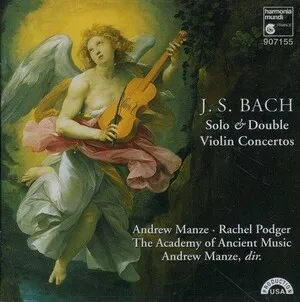
Solo & Double Violin Concertos
Johann Sebastian Bach
Concerto
Classical
Violin
1991
1
/5
Orlando
Georg Friedrich Händel
Opera Seria
1989
3
/5
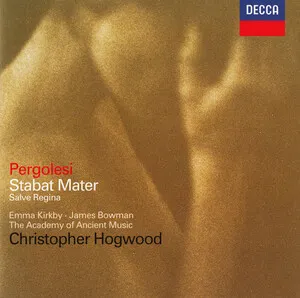
Stabat Mater; Salve Regina
Giovanni Battista Pergolesi
Hymns
1984
1
/5
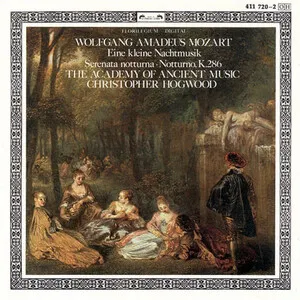
Eine kleine Nachtmusik; Serenata notturna; Notturno, K.286
Wolfgang Amadeus Mozart / Academy of Ancient Music / Christopher Hogwood
Serenade
Classical
1984
2
/5
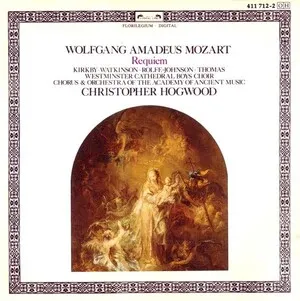
Requiem
Wolfgang Amadeus Mozart / Franz Xaver Süssmayr
Requiem
Mass
Classical Period
1974
1
/5
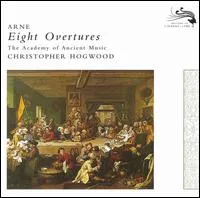
Eight Overtures (The Academy of Ancient Music/Hogwood)
Thomas Arne
Overture
Similar artists
4
/5
Academy of St. Martin in the Fields
Classical
Classical Performance
Baroque
3
/5
Akademie für Alte Musik Berlin
Classical
Opera
Oratorio
4
/5
Sir Neville Marriner
Classical
Baroque
Classical Performance
3
/5
Orchestra of the Age of Enlightenment
Classical
Choral
Opera
3
/5
Christopher Hogwood
Classical
Opera
Opera Seria
3
/5
Collegium Vocale Gent
Classical
Baroque
Cantata
3
/5
Philippe Herreweghe
Classical
Baroque
Choral
3
/5
John Eliot Gardiner
Classical
Choral
Requiem
4
/5
Johann Sebastian Bach
Baroque
Classical
Baroque Suite
3
/5
English Baroque Soloists
Classical
Choral
Requiem
Download our mobile app
Get the Melodigging app and start digging for new genres on the go
Download on the App Store
Get it on Google Play
© 2026 Melodigging
Give feedback
Legal
Melodding was created as a tribute to
Every Noise at Once
, which inspired us to help curious minds keep digging into music's ever-evolving genres.