
Genres
Artists
Albums
Make Music
Sign in
Sign in
Artists
Baroque
Artists
Baroque
Johann Sebastian Bach
1956–2026
·
141 albums
Listen
4
/5
Genres
Vietnamese Melodic Rap
Vietnamese melodic rap blends contemporary hip hop flows with tuneful, often Auto-Tuned vocal lines and pop-leaning hooks. It sits between rap and R&B/pop, with verses that may be rapped or half-sung and choruses designed to be instantly memorable. Production typically draws on trap drum programming (808s, rolling hi-hats, snare rushes), glossy synth pads, and guitar or keyboard loops. Lyrically, it tends to be confessional and emotive—covering love, longing, self-growth, and urban life—delivered with Vietnamese prosody that naturally shapes the rhythm and melody. The style helped bring rap deeper into Vietnam’s mainstream by making it radio- and playlist-friendly while retaining the attitude and wordplay of hip hop.
Discover
Listen
Regional Music
Regional music is an umbrella term for locally rooted musical styles that are strongly tied to a specific place, community, and cultural practice. Rather than denoting one uniform sound, it encompasses many traditions whose instrumentation, rhythms, language, and performance customs reflect the history and daily life of a region. In the recording era, labels, radio programmers, and later streaming platforms used “regional music” to group market- or scene-specific traditions (for example, Cajun in Louisiana, son in Cuba, morna in Cape Verde, or Irish traditional music). The term highlights locality, vernacular identity, and continuity with folk or indigenous practices, even when these styles modernize or cross over into pop and rock contexts.
Discover
Listen
String Quartet
The string quartet is a cornerstone chamber-music genre scored for two violins, viola, and cello. It typically features a conversational texture where four independent voices share thematic material, balancing melody, harmony, and counterpoint. The classic four‑movement plan (fast sonata‑form, slow movement, minuet/scherzo, and a lively finale) became a hallmark in the Classical era, while later composers expanded and transformed the form, harmony, rhythm, and timbre. From Haydn and Mozart through Beethoven and Schubert to Bartók and Shostakovich, the quartet has served as a laboratory for compositional craft and expressive depth, ranging from intimate lyricism to rigorous structure and avant‑garde experimentation.
Discover
Listen
Classical Piano
Classical piano is the tradition of composing and performing music for the acoustic piano within the Western classical lineage. It emphasizes formal clarity, tonal harmony, contrapuntal writing, and expressive nuance across the full compass of the instrument. Its core repertoire ranges from Classical-era sonatas and variations to Romantic character pieces, études, dances, and 20th-century impressionistic and modernist works. Pianists exploit dynamics, articulation, pedaling, and touch to shape phrases, imitate orchestral textures, and project both intimate lyricism and large-scale drama.
Discover
Listen
Concerto
A concerto is a large-scale composition that sets one or more solo instruments in dynamic dialogue with an orchestra. Its core idea is contrast—between soloist and tutti—and the dramatic negotiation of power, color, and thematic responsibility. While Baroque concertos often relied on ritornello form, the Classical era standardized a three-movement plan (fast–slow–fast) with sonata principles in the opening movement. The Romantic period emphasized virtuosity and expressive foregrounding of the soloist, and the 20th–21st centuries broadened the palette with new instruments, harmonies, and formats. Across eras, the concerto remains a showcase for instrumental character, technical brilliance, and the art of orchestral conversation.
Discover
Listen
Concerto Grosso
A concerto grosso is a Baroque-era orchestral form built on contrasts between a small group of soloists (the concertino) and the full ensemble (the ripieno or tutti). It typically features strings with basso continuo, terraced dynamics, antiphonal dialogue, and clear tonal harmony. Two principal subtypes emerged: the church-oriented sonata da chiesa (often in a four-movement slow–fast–slow–fast plan) and the dance-inflected sonata da camera (suite-like movements). The genre highlights thematic exchange, sequences, and imitation, with the concertino—often two violins and cello—embroidered against broader tutti refrains. Corelli’s models codified its syntax, and Handel’s sets represent its late-Baroque culmination.
Discover
Listen
Baroque
Baroque is a period and style of Western art music spanning roughly 1600–1750. It is characterized by the birth of functional tonality, the widespread use of basso continuo (figured bass), and a love of contrast—between soloist and ensemble, loud and soft, and different timbres. Hallmark genres and forms of the era include opera, cantata, oratorio, concerto (especially the concerto grosso), dance suite, sonata, and fugue. Textures range from expressive monody to intricate counterpoint, and melodies are richly ornamented with trills, mordents, and appoggiaturas. Baroque music flourished in churches, courts, and theaters across Europe, with regional styles (Italian, French, German, English) shaping distinctive approaches to rhythm, dance, harmony, and ornamentation.
Discover
Listen
Baroque Suite
The baroque suite is a multi-movement instrumental genre from the Baroque era built from a sequence of stylized dances unified by key and often contrasted by tempo and character. Typically, a core group of dances—Allemande, Courante (or Corrente), Sarabande, and Gigue—forms the backbone, with optional insertions such as Minuet, Gavotte, Bourrée, Passepied, Rigaudon, or Air. Each movement commonly uses binary form with repeated sections (||: A :|| ||: B :||), in which the first part modulates away from the tonic and the second part returns, often with balanced phrasing and motivic recall. Ornamentation (agréments), rhythmic inégalité in French movements, and clear dance rhythms are hallmarks. Suites were composed for keyboard (harpsichord, organ), lute, chamber ensembles, and orchestra (as orchestral suites).
Discover
Listen
Cantata
A cantata is a multi-movement vocal composition with instrumental accompaniment, typically written for one or more soloists, choir, and a continuo or small orchestra. It may be sacred (for liturgical use) or secular (for courtly or domestic performance). Emerging in early 17th-century Italy, the cantata adopts the expressive recitative–aria contrast of opera on a smaller scale. Baroque church cantatas—especially in the German Lutheran tradition—often weave congregational chorales, contrapuntal choruses, and solo arias into a coherent cycle tied to the liturgical calendar. Stylistically, cantatas use tonal Baroque harmony, basso continuo, and movement types such as recitativo secco/accompagnato, da capo arias, choruses, and sinfonias. The genre later broadened into concert and scenic cantatas in the 19th and 20th centuries.
Discover
Listen
Fugue
A fugue is a contrapuntal composition built around a single, clearly defined musical subject that is imitated and developed across multiple independent voices. One voice introduces the subject, and subsequent voices enter successively with an answer (a transposed version of the subject), often accompanied by a recurring countersubject. After the exposition, episodes made from fragments of the subject and countersubject modulate to related keys and prepare further entries. Composers employ devices such as inversion, augmentation, diminution, stretto, and pedal points to intensify the texture and drive form. Fugues appear as stand‑alone keyboard or organ works, as movements in chamber and orchestral music, and as sections within larger vocal or instrumental genres.
Discover
Listen
Oratorio
An oratorio is a large‑scale, multi‑movement work for voices and orchestra, typically on a sacred narrative subject, performed without staging, costumes, or scenery. It combines solo recitatives and arias with powerful choruses and instrumental movements, using a dramatic arc similar to opera but presented as a concert work. Languages and styles vary by era and region (Italian and Latin in early Roman oratorios, German for Lutheran works such as Bach’s, and English for Handel’s). While most are sacred, secular oratorios also exist. Across the Baroque, Classical, Romantic, and modern eras, the oratorio evolved from intimate devotional storytelling to monumental public concert pieces, often intended for festivals and large choirs.
Discover
Listen
Prelude
A prelude is a short, often improvisatory-sounding instrumental piece that traditionally precedes another work or sets a tonal and expressive atmosphere on its own. Emerging in the early Baroque era from the practice of freely extemporizing before a liturgical or secular performance, the prelude evolved from unmeasured lute and keyboard introductions into highly crafted pieces for organ, harpsichord, and later piano. In the 19th century it became an autonomous character piece (e.g., Chopin’s Op. 28), while in the 20th century composers explored cyclic sets across all keys and a wide range of styles (Debussy, Rachmaninoff, Shostakovich). Despite its brevity and flexibility, the prelude typically establishes a key or mode, a figuration pattern, and a distinct mood, favoring clear tonal focus, continuous flow, and a compelling gesture over strict formal constraints.
Discover
Listen
Orchestral
Orchestral music refers to compositions written for an orchestra—a large ensemble typically built around a string section (violins, violas, cellos, double basses), complemented by woodwinds, brass, percussion, and often harp, keyboard, or other auxiliary instruments. A conductor coordinates the ensemble, shaping balance, phrasing, and expression. The style emphasizes coloristic timbre combinations, dynamic range from the softest pianissimo to explosive tuttis, and textures that can shift seamlessly between transparent chamber-like writing and monumental masses of sound. Orchestral writing underpins concert genres such as symphonies, overtures, and tone poems, as well as opera, ballet, and modern film and game scores. While orchestral writing evolved across centuries, its core craft centers on melody, counterpoint, harmony, register, and orchestration—the art of assigning musical ideas to instruments to achieve clarity, contrast, and narrative impact.
Discover
Listen
Chamber Music
Chamber music is a tradition of composed music for small ensembles—typically one player per part—intended for intimate spaces such as courts, salons, and private rooms rather than large public halls. Its aesthetic emphasizes clarity of texture, conversational interplay among parts, and balance without a conductor. Hallmark formations include the string quartet, piano trio, wind quintet, string quintet, and various mixed ensembles. Multi‑movement cycles (often in sonata form) and finely wrought counterpoint are common, ranging from Baroque trio sonatas to Classical string quartets and modern works with expanded timbres and techniques. Because of its scale and transparency, chamber music has long been a proving ground for compositional craft and ensemble musicianship, shaping the core of Western art music from the Baroque through the present.
Discover
Listen
Toccata
A toccata is a virtuosic, often improvisatory keyboard form whose name comes from the Italian toccare, “to touch,” highlighting the performer’s dexterity and articulation. Typical toccatas feature rapid figurations, bold chordal gestures, dramatic pauses, and sudden textural and harmonic contrasts. While born on the organ and harpsichord in late Renaissance Italy, the form flourished in the Baroque—frequently paired with a fugue—and later inspired Romantic and 20th‑century composers to write perpetual‑motion showpieces for piano and other instruments. At its core, the toccata is about kinetic energy and rhetorical freedom: a display of touch, speed, and sonic grandeur that evokes the feel of spontaneous improvisation even when meticulously composed.
Discover
Listen
Passion
A Passion is a large‑scale sacred musical genre that sets the Gospel narrative of Christ’s suffering and crucifixion (the Passion) to music. It originated as liturgical chant and evolved into elaborate polyphonic and Baroque oratorio forms. Typical Baroque Passions feature an Evangelist (tenor narrator) who declaims the biblical text in recitative, solo roles for Jesus (Christus) and other characters, congregational-style chorales, reflective arias, and dramatic "turba" choruses representing the crowd. Earlier Renaissance Passions are often austere and predominantly choral, while Catholic traditions favored Latin and Protestant (especially Lutheran) Passions used vernacular German. Passions were historically performed during Holy Week, often in two parts surrounding a sermon, and are among the most revered monuments of Christian sacred music.
Discover
Listen
Theme And Variations
Theme and variations is a classical musical form in which a clearly stated theme is followed by a sequence of self-contained variations that transform the theme’s melody, harmony, rhythm, texture, register, mode, meter, or orchestration. Although used across many eras, the form crystallized during the late Renaissance and Baroque periods through keyboard and lute traditions, then became a structural mainstay in the Classical and Romantic eras. In performance, the listener recognizes the original idea through its continuities—often the harmonic plan or characteristic contour—while enjoying the inventive contrasts that each variation brings.
Discover
Listen
Passion Setting
Passion setting is a sacred vocal genre that sets the biblical Passion narrative—the arrest, trial, crucifixion, and burial of Jesus—to music. Originally emerging from medieval chant traditions, it later evolved into elaborate multi-movement works featuring narrator (Evangelist), the words of Christ (Christus), soloists for individual roles, and choral "turba" movements representing the crowd. Across history, passion settings range from austere, unaccompanied chant or Renaissance polyphony to large Baroque oratorio-scale works with orchestra and chorales. While Latin and German are the most common languages (reflecting Catholic and Lutheran traditions), the form has been adapted into many vernaculars in the 20th and 21st centuries. In all cases, the musical rhetoric emphasizes solemn devotion, drama, and theological reflection.
Discover
Listen
Mass
Mass is a large-scale vocal genre that sets the Ordinary of the Roman Catholic liturgy—Kyrie, Gloria, Credo, Sanctus (and Benedictus), and Agnus Dei—most often in Latin. It began as monophonic chant but developed into sophisticated polyphony and later into concert works for choir, soloists, and instruments or full orchestra. Across history, composers have used techniques such as cantus firmus, imitation, paraphrase, and parody to unify movements. The genre spans from austere a cappella writing to monumental symphonic-choral statements, and today is performed both liturgically and in the concert hall. Common subtypes include Missa brevis (short Mass, often omitting the Credo or compact in scale) and Missa solemnis (festal, expansive forces and duration).
Discover
Listen
Motet
A motet is a polyphonic vocal composition, usually on a sacred Latin text, that emerged in the High Middle Ages and became a central genre of European art music during the Renaissance. Early motets layered different texts and rhythms above a chant-derived tenor, while later Renaissance motets favored smooth, imitative counterpoint shared among voice parts. Across its long history the motet served both liturgical and devotional functions, typically performed a cappella by small choirs. Stylistically it ranges from the rhythmically intricate, isorhythmic constructions of the 13th–14th centuries to the balanced, text-sensitive writing of the 16th century, and onward to concerted and chorale-based treatments in the Baroque and beyond.
Discover
Listen
Classical
Classical music is the notated art-music tradition of Europe and its global descendants, characterized by durable forms, carefully codified harmony and counterpoint, and a literate score-based practice. The term “classical” can refer broadly to the entire Western art-music lineage from the Medieval era to today, not just the Classical period (c. 1750s–1820s). It privileges long-form structures (such as symphonies, sonatas, concertos, masses, and operas), functional or modal harmony, thematic development, and timbral nuance across ensembles ranging from solo instruments to full orchestras and choirs. Across centuries, the style evolved from chant and modal polyphony to tonal harmony, and later to post-tonal idioms, while maintaining a shared emphasis on written notation, performance practice, and craft.
Discover
Listen
European Music
“European music” is a broad umbrella covering the historical and regional practices that developed across the European continent, from medieval sacred chant and courtly song to folk traditions, art (classical) music, and later popular and electronic styles. Common threads include the codification of staff notation, the development of modal and later tonal harmony, the use of structured forms (e.g., mass, motet, madrigal; sonata, symphony, opera; verse–chorus song), and a rich palette of instruments culminating in the modern orchestra and various regional folk ensembles. While extremely diverse from region to region, European music is marked by a continuous dialogue between sacred and secular practices, learned written traditions and oral folk idioms, and later between art music and mass-market popular genres.
Discover
Listen
Western Classical
Western classical is the notated art-music tradition that developed in Europe from medieval Christian chant into the large-scale secular and sacred forms of the Baroque, Classical, Romantic, and modern eras. It is characterized by staff notation, evolving systems of modality and tonality, and forms such as symphony, sonata, concerto, mass, opera, and chamber music. Across its history, Western classical established an extensive theory of harmony and counterpoint, refined orchestration across strings, winds, brass, and percussion, and cultivated performance practices from a cappella chant to full symphonic and operatic forces. Its repertoire, pedagogy, and institutions (conservatories, orchestras, opera houses) made it a global reference point for compositional craft and instrumental technique.
Discover
Listen
Choral
Choral refers to music written for and performed by a choir—an ensemble of voices organized into sections such as soprano, alto, tenor, and bass (SATB), or same-voice groupings (SSA, TTBB). It encompasses both sacred and secular repertoire and may be sung a cappella or with accompaniment by organ, piano, or full orchestra. Stylistically, choral music ranges from chant-like monophony to intricate polyphony and rich homophonic textures. Texts are drawn from liturgy, scripture, poetry, and vernacular sources, and are set in many languages. Performance contexts include church services, concert halls, and community events, making choral one of the most socially embedded and widely practiced forms of ensemble music. Across history, choral music has served as a laboratory for vocal counterpoint, word painting, and text-driven form, while functioning as a cultural bridge among religious rites, national traditions, and contemporary concert practice.
Discover
Listen
Show all 24 genres
Albums
2026
Variations Goldberg, BWV 988
Johann Sebastian Bach; Geoffroy Couteau
Baroque
Classical
2025
1
/5
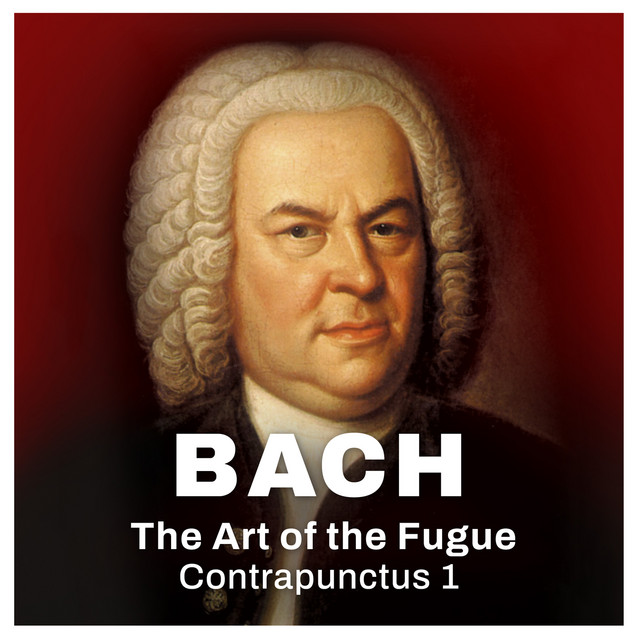
Bach: The Art of the Fugue - Contrapunctus 1 (Excerpt)
Johann Sebastian Bach
Baroque
2025
2
/5
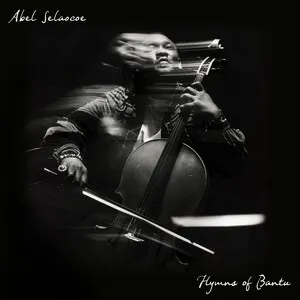
Hymns of Bantu
Abel Selaocoe
Sotho-Tswana Folk Music
Southern African Folk Music
2025
1
/5
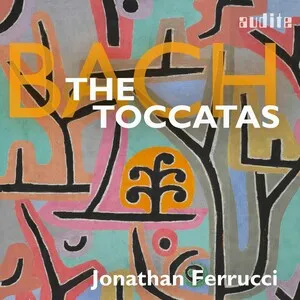
The Toccatas
Johann Sebastian Bach / Jonathan Ferrucci
Toccata
Baroque
Classical
2024
1
/5
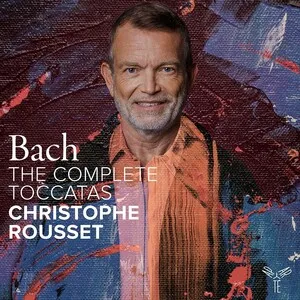
The Complete Toccatas
Johann Sebastian Bach / Christophe Rousset
Toccata
2024
1
/5
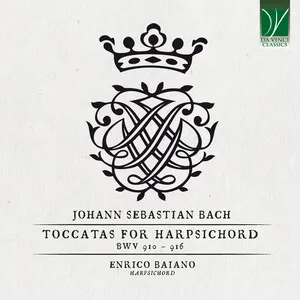
Toccatas for Harpsichord BWV 910 - 916
Johann Sebastian Bach / Enrico Baiano
Toccata
2023
1
/5
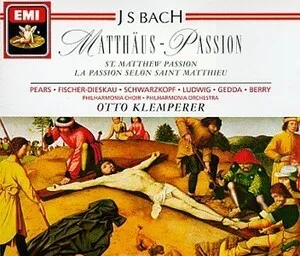
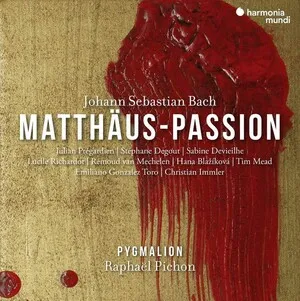
Matthäus-Passion
Johann Sebastian Bach
Passion Setting
Passion
Oratorio
2022
2
/5
Matthäus-Passion
Johann Sebastian Bach
Passion
Passion Setting
Oratorio
2021
1
/5
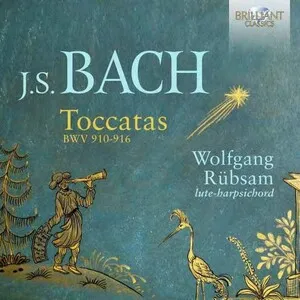
Toccatas BWV 910-916
Johann Sebastian Bach / Wolfgang Rübsam
Toccata
2021
2
/5
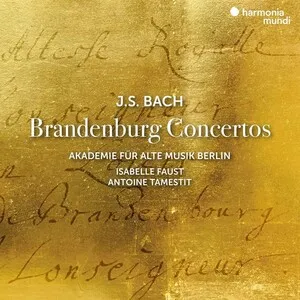
Brandenburg Concertos
Johann Sebastian Bach
Concerto Grosso
Classical
2021
1
/5
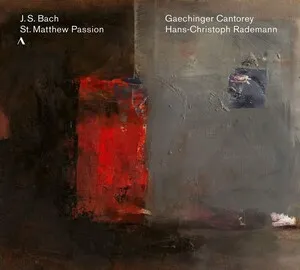
St. Matthew Passion
Johann Sebastian Bach / Gaechinger Cantorey / Hans-Christoph Rademann
Passion
Passion Setting
Classical
2021
1
/5
Soli Deo gloria
Johann Sebastian Bach
Cantata
Baroque
Classical
2021
1
/5
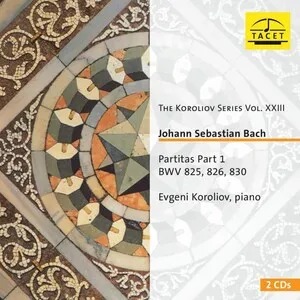
Partitas Part 1: BWV 825, 826, 830
Johann Sebastian Bach / Evgeni Koroliov
Baroque Suite
Classical
2020
1
/5
St John Passion
Johann Sebastian Bach / Johann Hermann Schein
Passion
Passion Setting
Oratorio
2020
1
/5
Toccatas, BWV 910-916
Johann Sebastian Bach / Masaaki Suzuki
Toccata
Classical
2020
1
/5
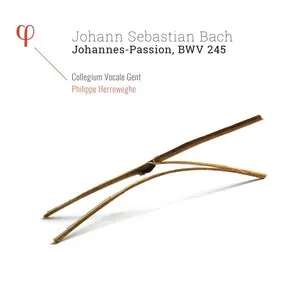
Johannes-Passion, BWV 245
Johann Sebastian Bach / Johann Hermann Schein
Passion Setting
Passion
Classical
2020
1
/5
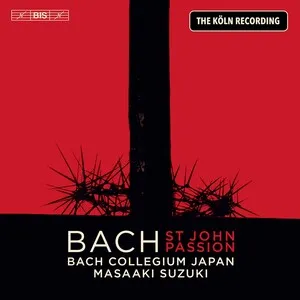
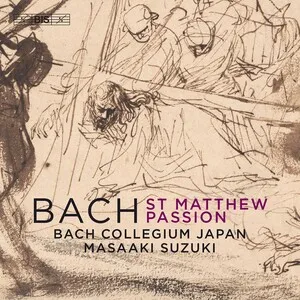
St Matthew Passion
Johann Sebastian Bach / Bach Collegium Japan / Masaaki Suzuki
Passion Setting
Passion
Oratorio
2018
3
/5
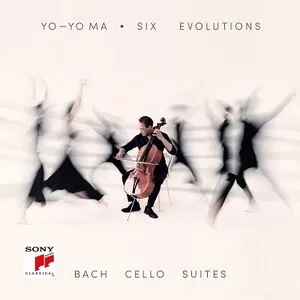
Six Evolutions: Bach Cello Suites
Johann Sebastian Bach / Yo-Yo Ma
Baroque Suite
Baroque
Classical
2018
1
/5
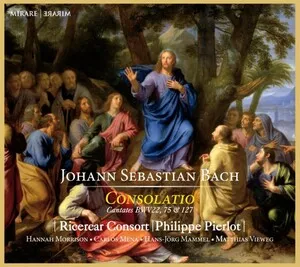
Consolatio
Johann Sebastian Bach
Cantata
2016
2
/5
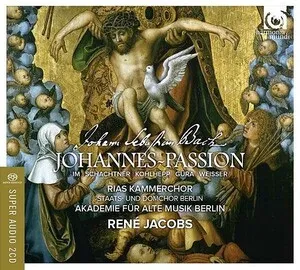
Johannes-Passion
Johann Sebastian Bach / Johann Hermann Schein
Passion
Passion Setting
Oratorio
2015
1
/5
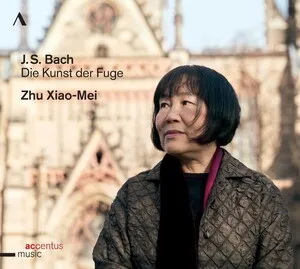
Die Kunst der Fuge
Johann Sebastian Bach / Zhu Xiao-Mei
Fugue
2013
2
/5
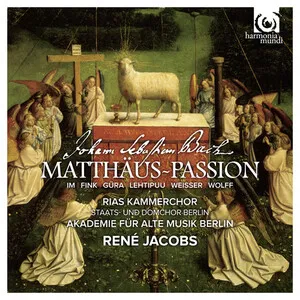
Matthäus-Passion
Johann Sebastian Bach
Passion
Passion Setting
Oratorio
2013
1
/5
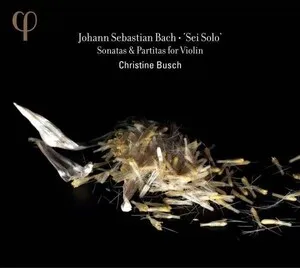
'Sei solo': Sonatas & Partitas for Violin
Johann Sebastian Bach / Christine Busch
Baroque Suite
Classical
2012
1
/5
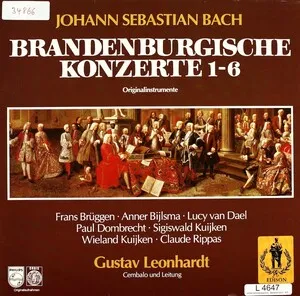
Brandenburgische Konzerte 1-6: Originalinstrumente
Johann Sebastian Bach
Concerto Grosso
2012
3
/5
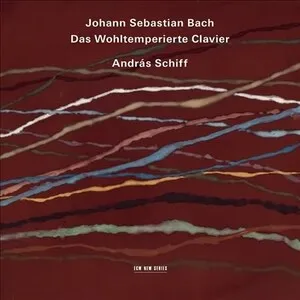
Das wohltemperierte Clavier
Johann Sebastian Bach / András Schiff
Fugue
Prelude
2012
2
/5
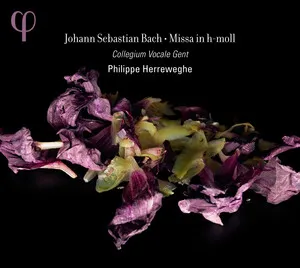
Missa in h-Moll
Johann Sebastian Bach / Collegium Vocale Gent / Philippe Herreweghe
Mass
Choral
Baroque
2012
1
/5
Missa in h-Moll
Johann Sebastian Bach / Collegium Vocale Gent / Philippe Herreweghe
Baroque
Classical
2011
1
/5
Johannes Passion Version IV (1749)
Johann Sebastian Bach / Johann Hermann Schein
Passion
Passion Setting
Oratorio
2011
1
/5
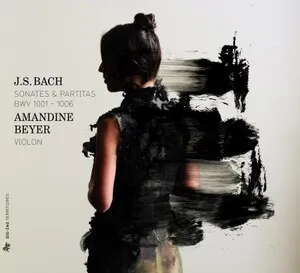
Sonatas & Partitas BWV 1001-1006
Johann Sebastian Bach / Johann Georg Pisendel
Baroque Suite
Baroque
Classical
2011
1
/5
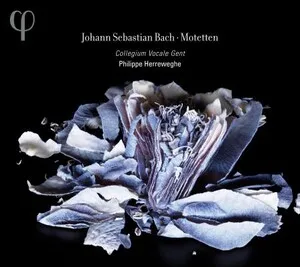
Motetten
Johann Sebastian Bach / Collegium Vocale Gent / Philippe Herreweghe
Motet
Baroque
Classical
2011
1
/5
St. Matthew Passion BWV 244
Johann Sebastian Bach / De Nederlandse Bachvereniging / Jos van Veldhoven
Passion Setting
Passion
2011
1
/5
Passio secundum Johannem
Johann Sebastian Bach / Johann Hermann Schein
Passion
Passion Setting
Oratorio
2011
1
/5
St John Passion
Johann Sebastian Bach / Johann Hermann Schein
Passion Setting
Passion
Classical
2011
2
/5
Wow-Classics Feat. Mozart & Handel
Johann Sebastian Bach
Baroque
2010
2
/5
Les six concerts Brandebourgeois BWV 1046-1051
Johann Sebastian Bach
Concerto Grosso
2010
1
/5
Motets
Johann Sebastian Bach / Bach Collegium Japan / Masaaki Suzuki
Motet
Baroque
Classical
2010
1
/5
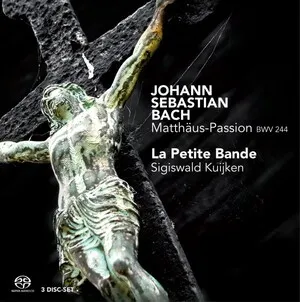
Matthäus-Passion
Johann Sebastian Bach / La Petite Bande / Sigiswald Kuijken
Passion
Passion Setting
Oratorio
2010
1
/5
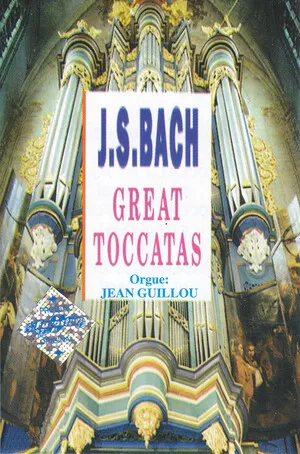
Great Toccatas
Johann Sebastian Bach / Jean Guillou
Toccata
Classical
2009
1
/5
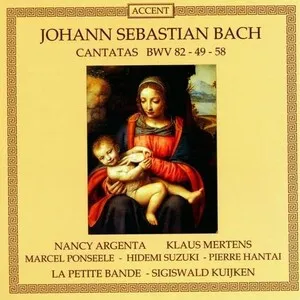
Cantatas BWV 82, 49 & 58
Johann Sebastian Bach
Cantata
2009
1
/5
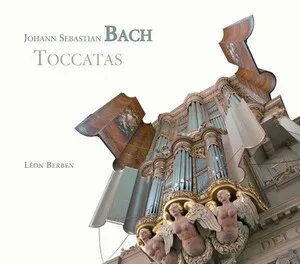
Toccatas
Johann Sebastian Bach / Léon Berben
Toccata
2008
3
/5
Six Concertos for the Margrave of Brandenburg
Johann Sebastian Bach / European Brandenburg Ensemble / Trevor Pinnock
Concerto Grosso
Classical
2007
3
/5
Cello Suites
Johann Sebastian Bach / Jean-Guihen Queyras
Baroque Suite
Baroque
2007
1
/5
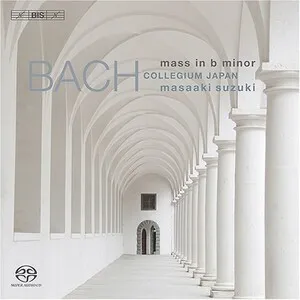
Mass in B minor
Johann Sebastian Bach / Bach Collegium Japan / Masaaki Suzuki
Mass
Choral
Baroque
2007
1
/5
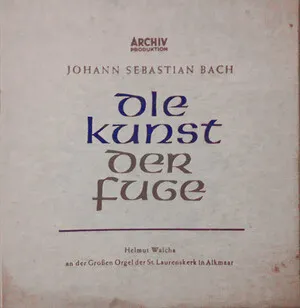
Die Kunst der Fuge
Johann Sebastian Bach / Helmut Walcha
Fugue
2007
3
/5
Sechs Suiten für Violoncello solo BWV 1007-1012
Johann Sebastian Bach / Pierre Fournier
Baroque Suite
Baroque
European Music
2006
1
/5
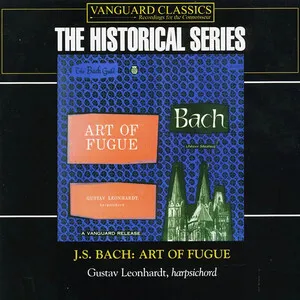
Art of Fugue
Johann Sebastian Bach / Gustav Leonhardt
Fugue
Baroque
Classical
2006
1
/5
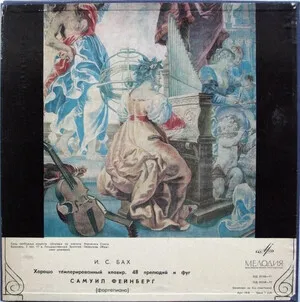
Хорошо темперированный клавир. 48 прелюдий и фуг
Johann Sebastian Bach / Samuel Feinberg Самуил Фейнберг
Fugue
Prelude
2005
1
/5
6 Partitas BWV 825-830
Johann Sebastian Bach / Gustav Leonhardt
Baroque Suite
Baroque
2005
1
/5
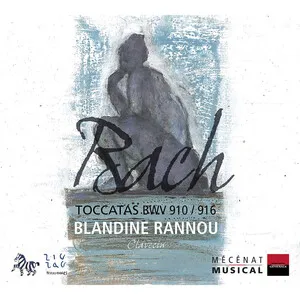
Toccatas BWV 910-916
Johann Sebastian Bach / Blandine Rannou
Toccata
Baroque
Classical
2005
2
/5
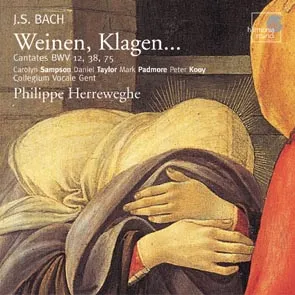
Weinen, Klagen... Cantates BWV 12, 38, 75
Johann Sebastian Bach
Cantata
Classical
2005
2
/5
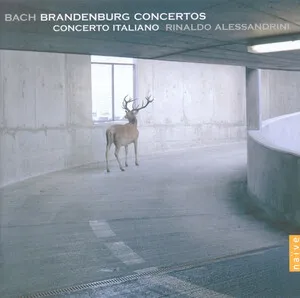
Brandenburg Concertos
Johann Sebastian Bach / Concerto Italiano / Rinaldo Alessandrini
Concerto Grosso
2004
2
/5
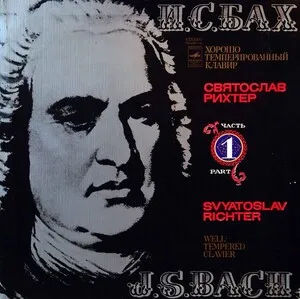
Well-Tempered Clavier Part 1 Хорошо темперированный клавир часть 1
Johann Sebastian Bach / Sviatoslav Richter Святослав Рихтер
Fugue
Prelude
Classical
2004
1
/5
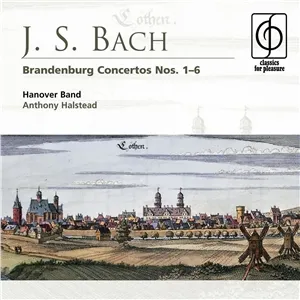
The Brandenburg Concertos
Johann Sebastian Bach / The Hanover Band / Anthony Halstead
Concerto Grosso
Classical
2004
1
/5
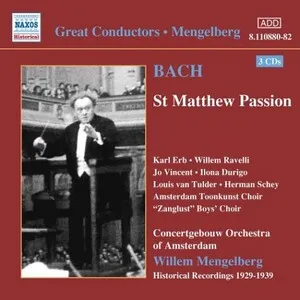
St. Matthew Passion
Johann Sebastian Bach
Passion Setting
Passion
2004
3
/5
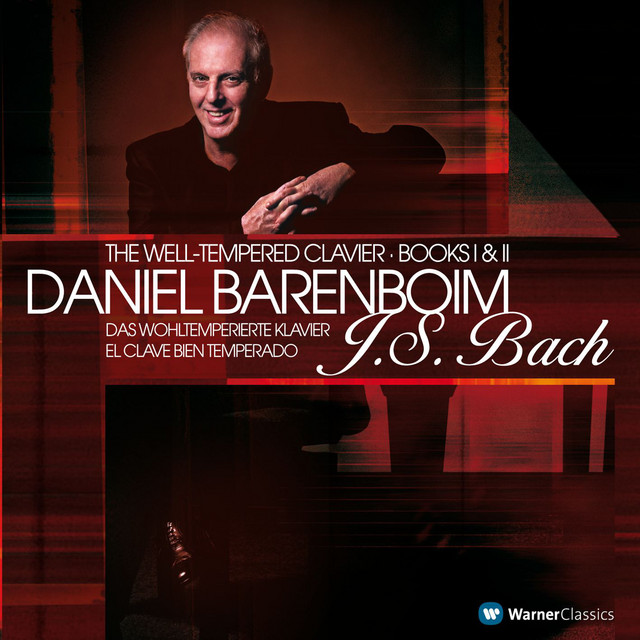
Bach, JS : Well-Tempered Clavier Books 1 & 2
Daniel Barenboim
Impressionism
Baroque
Classical
2003
2
/5
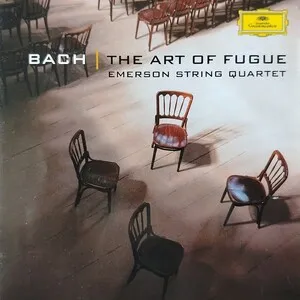
The Art of Fugue
Johann Sebastian Bach / Emerson String Quartet
Fugue
String Quartet
2003
3
/5
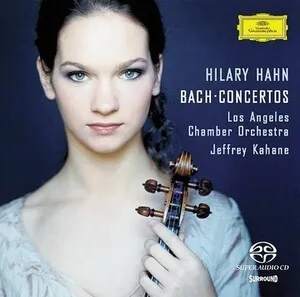
Concertos
Johann Sebastian Bach
Concerto
Classical
2002
2
/5
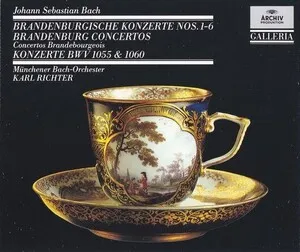
Brandenburgische Konzerte 1 - 6
Johann Sebastian Bach / Münchener Bach-Orchester / Karl Richter
Concerto Grosso
Baroque
Classical
2002
1
/5
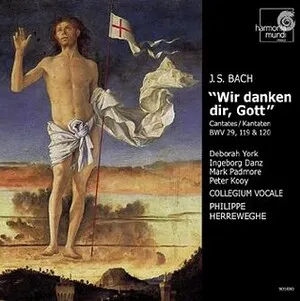
Wir danken dir, Gott
Johann Sebastian Bach
Cantata
2002
1
/5
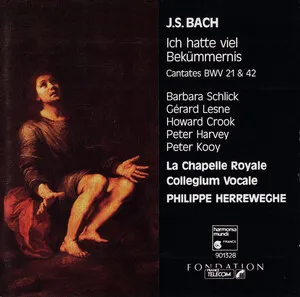
Ich hatte viel Bekümmernis - Cantates BWV 21 & 42
Johann Sebastian Bach
Cantata
Similar artists
4
/5
Antonio Vivaldi
Baroque
Classical
Opera Seria
4
/5
George Frideric Handel
Classical
Opera Seria
Baroque
3
/5
Jordi Savall
Renaissance
Baroque
Classical
3
/5
Trevor Pinnock
Classical
Concerto Grosso
Baroque
3
/5
The English Concert
Classical
Baroque
Concerto
2
/5
Chiara Banchini
Classical
Baroque
Chamber Music
2
/5
Amandine Beyer
Classical
Baroque
Chamber Music
2
/5
Ensemble 415
Classical
Baroque
Cantata
3
/5
Philippe Herreweghe
Classical
Baroque
Choral
3
/5
Collegium Vocale Gent
Classical
Baroque
Cantata
Download our mobile app
Get the Melodigging app and start digging for new genres on the go
Download on the App Store
Get it on Google Play
© 2026 Melodigging
Give feedback
Legal
Melodding was created as a tribute to
Every Noise at Once
, which inspired us to help curious minds keep digging into music's ever-evolving genres.