Genres
Artists
Albums
Make Music
Sign in
Sign in
Artists
Classical
Artists
Classical
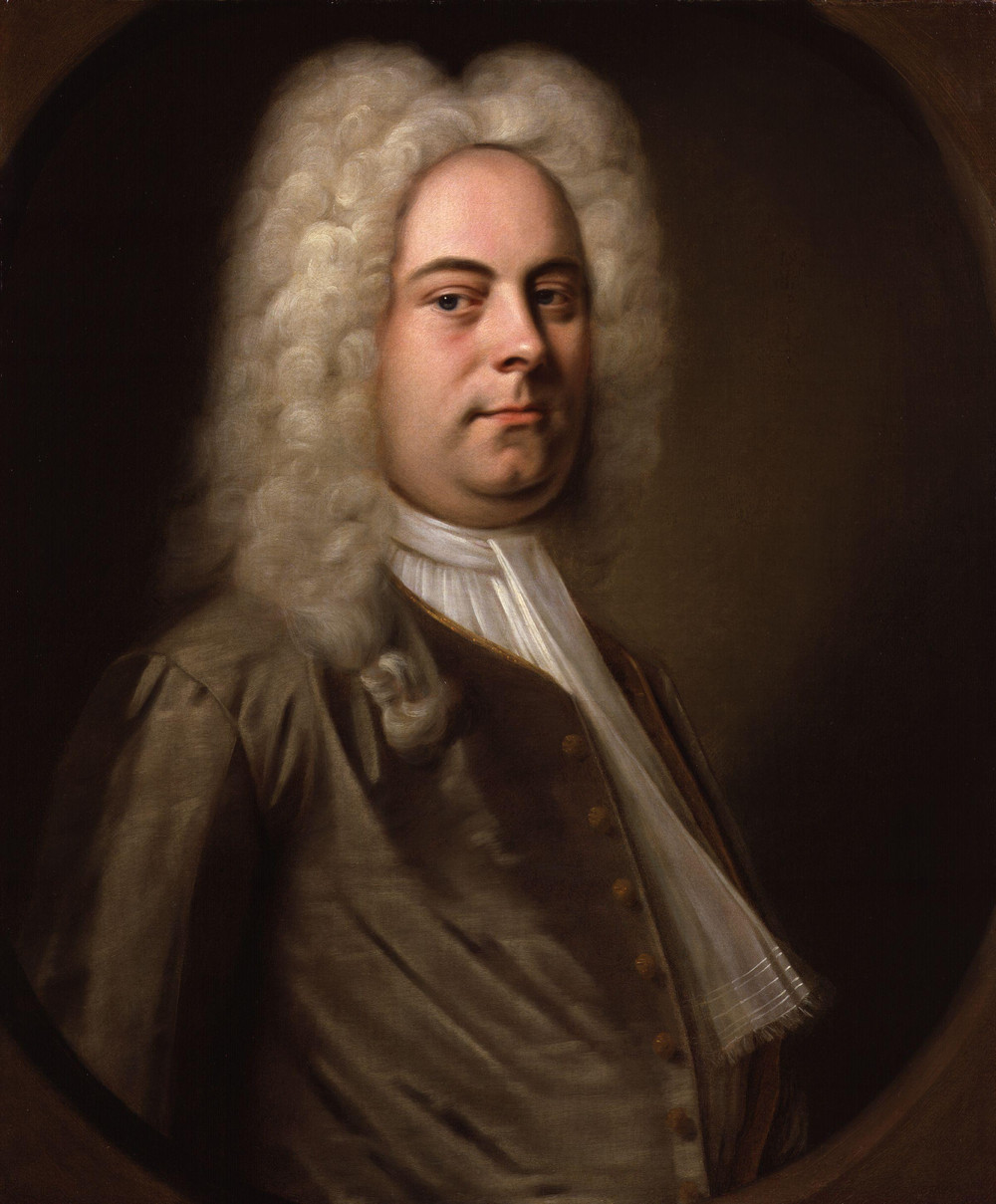
George Frideric Handel
1976–2023
·
19 albums
Listen
4
/5
Genres
Deep Soundtrack
Deep soundtrack is a modern, cinematic substyle that emphasizes low, immersive textures, slow-moving harmony, and spacious ambience over bombast. It sits at the intersection of ambient music, post-classical scoring, and contemporary film/TV/game underscore, favoring drones, soft pulses, and intimate instruments (piano, strings, analog synths) treated with generous space and subtle sound design. Rather than foregrounding memorable themes or trailer-scale crescendos, deep soundtrack cultivates mood: tense, melancholic, or quietly hopeful. It is designed to sit under narrative, visuals, or concentration—music that breathes, evolves slowly, and suggests emotion without overwhelming it.
Discover
Listen
Pet Calming
Pet calming is a functional micro‑genre designed to reduce stress and arousal in companion animals—primarily dogs and cats—during triggering situations such as owner absence, fireworks, vet visits, thunderstorms, or travel. Musically it favors very slow tempos, sparse arrangements, soft timbres (piano, pads, gentle strings, warm guitars), long sustains, smooth envelopes, and stable, consonant harmonies. Dynamics are kept narrow and transients are tamed to avoid startle responses. Many releases add gentle environmental ambiences (rain, ocean, rustling leaves) or unobtrusive pink/white‑noise beds to mask external sounds. Structures are highly repetitive with gradual variation so the soundscape feels predictable and safe. While aimed at non‑human listeners, the genre is informed by animal‑behavior findings (e.g., predictable low‑arousal sound reduces stress) and by human relaxation idioms (ambient, new age, lullaby). It is commonly delivered as long‑form, streaming‑friendly content that owners can loop for hours.
Discover
Listen
432hz
432hz is a wellness-oriented ambient/New Age micro-genre built around tuning music to the alternative concert pitch A=432 Hz instead of the modern standard A=440 Hz. In practice, 432hz releases are largely instrumental, slow-tempo, and reverb-rich, combining soft pads, drones, gentle piano, bowls/chimes, and nature sounds. Tracks are marketed for relaxation, meditation, yoga, sleep, and "energy" or "chakra" work, and are frequently tagged with wellness keywords. While advocates claim psychoacoustic or physiological benefits from 432 Hz tuning, these claims remain unproven; the sound signature audiences respond to is the calm production, consonant harmony, and spacious mixing typical of ambient and New Age music. As a streaming-native style, 432hz thrives on platforms like YouTube and Spotify where long-form background listening, SEO-friendly titling, and looping visuals support use-cases such as study, mindfulness, and sleep.
Discover
Listen
Deep Deep Tech House
Deep deep tech house is a particularly stripped‑back, hypnotic strain of tech house that leans heavily into deep house harmony and minimal, dub‑tinged textures. It keeps the 4/4 groove and club functionality of house while favoring restrained arrangements, long tension arcs, and subtle sound‑design over big breakdowns. Typical tempos sit around 120–126 BPM; drums emphasize tight 909‑style hats and crisp, short kicks; basslines are warm, rolling subs that lock with lightly swung percussion; harmonic content tends to be sparse—muted chord stabs, airy pads, and occasional soulful vocal fragments used as texture rather than focal hooks. The overall aim is an immersive “head‑down” flow that rewards long blends and extended sets. The palette and structure trace back to tech house’s fusion of house and techno and to deep house’s smoother harmonies.
Discover
Listen
Huzunlu Sarkilar
Hüzünlü şarkılar (literally “melancholy/sorrowful songs”) is a contemporary Turkish micro‑scene and streaming tag that gathers slow to mid‑tempo, emotive songs spanning indie, alternative rock, pop ballads, and modern echoes of arabesk. The style is unified less by strict form than by feeling: minor or modal harmony (often with Turkish makam color), intimate vocals, and lyrics steeped in longing (gurbet), heartbreak, and the culturally resonant idea of hüzün. Arrangements typically blend acoustic guitars, piano, soft synth pads, string lines, and occasionally bağlama, with restrained percussion and reverberant spaces. The result is a wistful, atmospheric sound that sits between classic Turkish balladry and modern indie aesthetics.
Discover
Listen
Pianissimo
Pianissimo is a contemporary micro‑genre centered on very soft, intimate piano music designed for calm focus, rest, and reflection. It borrows the classical dynamic marking “pp” (very soft) as an aesthetic principle: close‑miked, felt‑damped pianos, sparse harmonies, slow tempos, and generous ambience. Emerging alongside the streaming era’s focus/sleep/reading playlists, the style sits between post‑classical minimalism and ambient music. Pieces are typically short miniatures, diatonic and melodic, with unobtrusive movement—music that can live comfortably in the background yet rewards attentive listening. Occasional cello or soft strings, subtle tape hiss, and long reverbs are common textural companions. Historically it traces a line from Satie’s quiet piano idiom and the American minimalist school to the 2000s–2010s “neo‑classical” wave (Einaudi, Frahm, Arnalds), but with an explicitly hushed, domestic sound that foregrounds tenderness, space, and restraint.
Discover
Listen
Opera Seria
Opera seria is the 18th‑century Italian "serious" opera that crystallized around noble, moralizing stories drawn from Classical mythology and ancient history. It privileges elevated rhetoric, clear affects, and vocal virtuosity, especially through the da capo (ABA') aria, where singers ornament the return to display technical brilliance and expressive nuance. Typically organized in three acts, opera seria alternates recitatives (secco with continuo for dialogue; accompagnato with orchestra for heightened drama) and solo arias. Ensemble numbers and choruses are rare, and the dramatic flow is shaped by the famous "exit aria" convention, where characters leave the stage after an aria. The style reached canonical form via Metastasian libretti and dominated courts and major opera houses across Naples, Rome, Venice, Vienna, and London.
Discover
Listen
Concerto
A concerto is a large-scale composition that sets one or more solo instruments in dynamic dialogue with an orchestra. Its core idea is contrast—between soloist and tutti—and the dramatic negotiation of power, color, and thematic responsibility. While Baroque concertos often relied on ritornello form, the Classical era standardized a three-movement plan (fast–slow–fast) with sonata principles in the opening movement. The Romantic period emphasized virtuosity and expressive foregrounding of the soloist, and the 20th–21st centuries broadened the palette with new instruments, harmonies, and formats. Across eras, the concerto remains a showcase for instrumental character, technical brilliance, and the art of orchestral conversation.
Discover
Listen
Concerto Grosso
A concerto grosso is a Baroque-era orchestral form built on contrasts between a small group of soloists (the concertino) and the full ensemble (the ripieno or tutti). It typically features strings with basso continuo, terraced dynamics, antiphonal dialogue, and clear tonal harmony. Two principal subtypes emerged: the church-oriented sonata da chiesa (often in a four-movement slow–fast–slow–fast plan) and the dance-inflected sonata da camera (suite-like movements). The genre highlights thematic exchange, sequences, and imitation, with the concertino—often two violins and cello—embroidered against broader tutti refrains. Corelli’s models codified its syntax, and Handel’s sets represent its late-Baroque culmination.
Discover
Listen
Baroque
Baroque is a period and style of Western art music spanning roughly 1600–1750. It is characterized by the birth of functional tonality, the widespread use of basso continuo (figured bass), and a love of contrast—between soloist and ensemble, loud and soft, and different timbres. Hallmark genres and forms of the era include opera, cantata, oratorio, concerto (especially the concerto grosso), dance suite, sonata, and fugue. Textures range from expressive monody to intricate counterpoint, and melodies are richly ornamented with trills, mordents, and appoggiaturas. Baroque music flourished in churches, courts, and theaters across Europe, with regional styles (Italian, French, German, English) shaping distinctive approaches to rhythm, dance, harmony, and ornamentation.
Discover
Listen
Oratorio
An oratorio is a large‑scale, multi‑movement work for voices and orchestra, typically on a sacred narrative subject, performed without staging, costumes, or scenery. It combines solo recitatives and arias with powerful choruses and instrumental movements, using a dramatic arc similar to opera but presented as a concert work. Languages and styles vary by era and region (Italian and Latin in early Roman oratorios, German for Lutheran works such as Bach’s, and English for Handel’s). While most are sacred, secular oratorios also exist. Across the Baroque, Classical, Romantic, and modern eras, the oratorio evolved from intimate devotional storytelling to monumental public concert pieces, often intended for festivals and large choirs.
Discover
Listen
Baroque Suite
The baroque suite is a multi-movement instrumental genre from the Baroque era built from a sequence of stylized dances unified by key and often contrasted by tempo and character. Typically, a core group of dances—Allemande, Courante (or Corrente), Sarabande, and Gigue—forms the backbone, with optional insertions such as Minuet, Gavotte, Bourrée, Passepied, Rigaudon, or Air. Each movement commonly uses binary form with repeated sections (||: A :|| ||: B :||), in which the first part modulates away from the tonic and the second part returns, often with balanced phrasing and motivic recall. Ornamentation (agréments), rhythmic inégalité in French movements, and clear dance rhythms are hallmarks. Suites were composed for keyboard (harpsichord, organ), lute, chamber ensembles, and orchestra (as orchestral suites).
Discover
Listen
Classical Performance
Classical performance refers to the interpretive tradition of presenting Western classical repertoire in concert and studio settings. Rather than defining a compositional style, it describes how ensembles and soloists realize written scores through technique, tone, phrasing, and stylistic choices across eras from Baroque to contemporary. It centers on fidelity to the score and historically informed practice, while allowing space for interpretive nuance such as tempo flexibility, articulation, and dynamic shading. Typical forces include soloists, chamber groups, choirs, and orchestras performing in acoustically resonant venues or purpose-built studios, captured by production teams specialized in naturalistic sound.
Discover
Listen
Opera
Opera is a large-scale theatrical genre that combines music, drama, and visual spectacle, in which the story is primarily conveyed through singing accompanied by an orchestra. It unites solo voices, ensembles, and chorus with staging, costumes, and often dance to create a total artwork. Emerging in late Renaissance Italy and flourishing in the Baroque era, opera developed signature forms such as recitative (speech-like singing that advances the plot) and aria (lyrical numbers that explore character and emotion). Over the centuries it evolved diverse national styles—Italian bel canto, French grand opéra, German music drama—while continually experimenting with orchestration, harmony, narrative structure, and stagecraft.
Discover
Listen
Classical
Classical music is the notated art-music tradition of Europe and its global descendants, characterized by durable forms, carefully codified harmony and counterpoint, and a literate score-based practice. The term “classical” can refer broadly to the entire Western art-music lineage from the Medieval era to today, not just the Classical period (c. 1750s–1820s). It privileges long-form structures (such as symphonies, sonatas, concertos, masses, and operas), functional or modal harmony, thematic development, and timbral nuance across ensembles ranging from solo instruments to full orchestras and choirs. Across centuries, the style evolved from chant and modal polyphony to tonal harmony, and later to post-tonal idioms, while maintaining a shared emphasis on written notation, performance practice, and craft.
Discover
Listen
Choral
Choral refers to music written for and performed by a choir—an ensemble of voices organized into sections such as soprano, alto, tenor, and bass (SATB), or same-voice groupings (SSA, TTBB). It encompasses both sacred and secular repertoire and may be sung a cappella or with accompaniment by organ, piano, or full orchestra. Stylistically, choral music ranges from chant-like monophony to intricate polyphony and rich homophonic textures. Texts are drawn from liturgy, scripture, poetry, and vernacular sources, and are set in many languages. Performance contexts include church services, concert halls, and community events, making choral one of the most socially embedded and widely practiced forms of ensemble music. Across history, choral music has served as a laboratory for vocal counterpoint, word painting, and text-driven form, while functioning as a cultural bridge among religious rites, national traditions, and contemporary concert practice.
Discover
Listen
Show all 16 genres
Albums
2023
1
/5
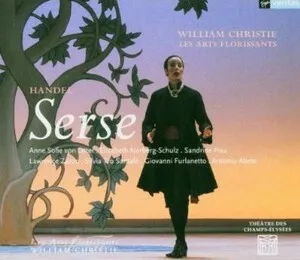
Serse
Georg Friedrich Händel
Opera Seria
2020
2
/5
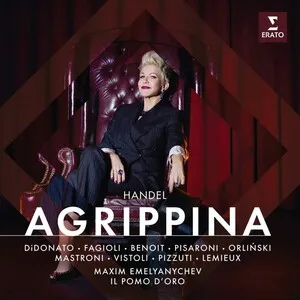
Agrippina
Georg Friedrich Händel
Opera Seria
Classical
2015
2
/5
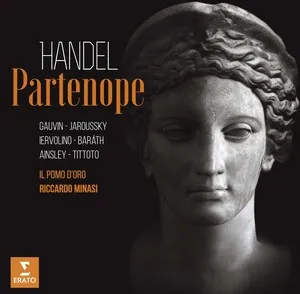
Partenope
Georg Friedrich Händel
Opera Seria
2009
1
/5
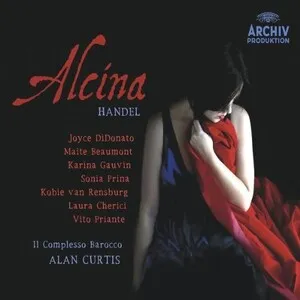
Alcina
Georg Friedrich Händel
Opera Seria
2008
2
/5
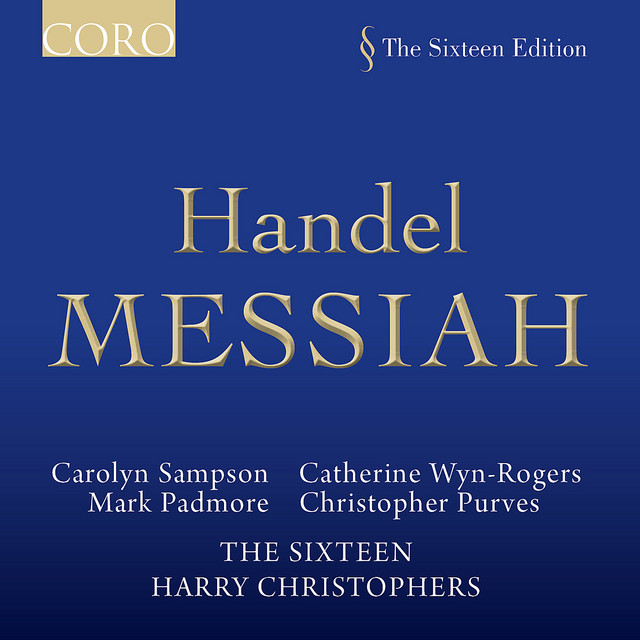
Handel: Messiah
The Sixteen
Classical Performance
Classical
2008
2
/5
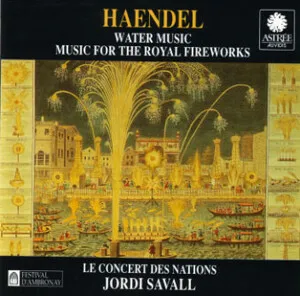
Water Music; Music for the Royal Fireworks
Georg Friedrich Händel / Le Concert des Nations / Jordi Savall
Baroque Suite
2004
2
/5
Serse
Georg Friedrich Händel
Opera Seria
Classical
Opera
2003
2
/5
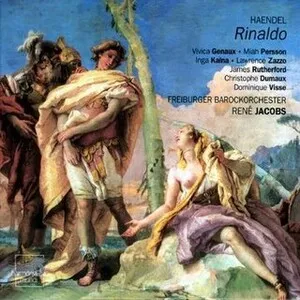
Rinaldo
Georg Friedrich Händel
Opera Seria
2000
3
/5
Rinaldo
Georg Friedrich Händel
Opera Seria
1999
2
/5
Ombra mai fu
Georg Friedrich Händel / Akademie für Alte Musik Berlin / Andreas Scholl
Opera Seria
1998
1
/5
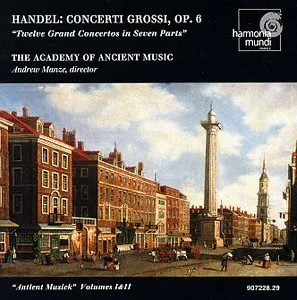
Concerti grossi, Op. 6
Georg Friedrich Händel / Academy of Ancient Music / Andrew Manze
Concerto Grosso
Classical
1997
1
/5
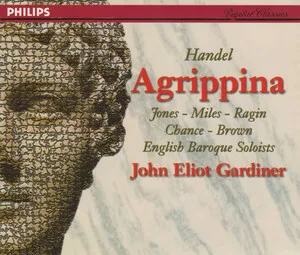
Agrippina
Georg Friedrich Händel
Opera Seria
1995
2
/5
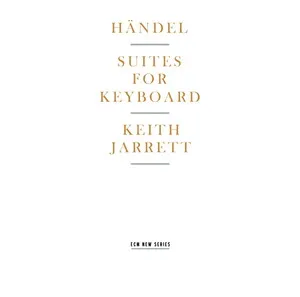
Suites for Keyboard
Georg Friedrich Händel / Keith Jarrett
Baroque Suite
Baroque
Classical
1991
2
/5
Giulio Cesare
Georg Friedrich Händel
Opera Seria
1991
1
/5
Orlando
Georg Friedrich Händel
Opera Seria
1988
2
/5
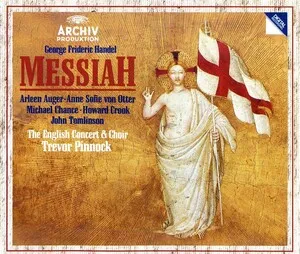
Messiah
Georg Friedrich Händel
Oratorio
1984
1
/5
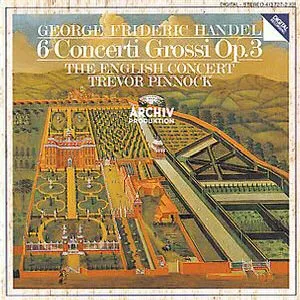
6 Concerti grossi Op. 3
Georg Friedrich Händel / The English Concert / Trevor Pinnock
Concerto Grosso
Baroque
Classical
1983
3
/5
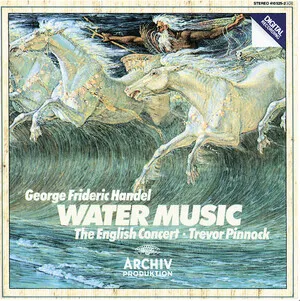
Water Music
Georg Friedrich Händel / The English Concert / Trevor Pinnock
Baroque Suite
1976
3
/5
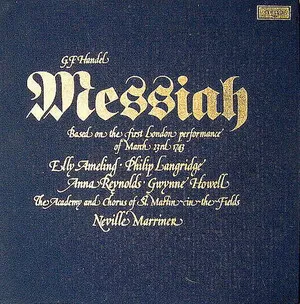
Messiah
Georg Friedrich Händel
Oratorio
Baroque
Classical
Similar artists
3
/5
René Jacobs
Classical
Opera
Orchestral Performance
3
/5
Andreas Scholl
Classical
Baroque
Cantata
3
/5
John Eliot Gardiner
Classical
Choral
Requiem
3
/5
English Baroque Soloists
Classical
Choral
Requiem
3
/5
Akademie für Alte Musik Berlin
Classical
Opera
Oratorio
3
/5
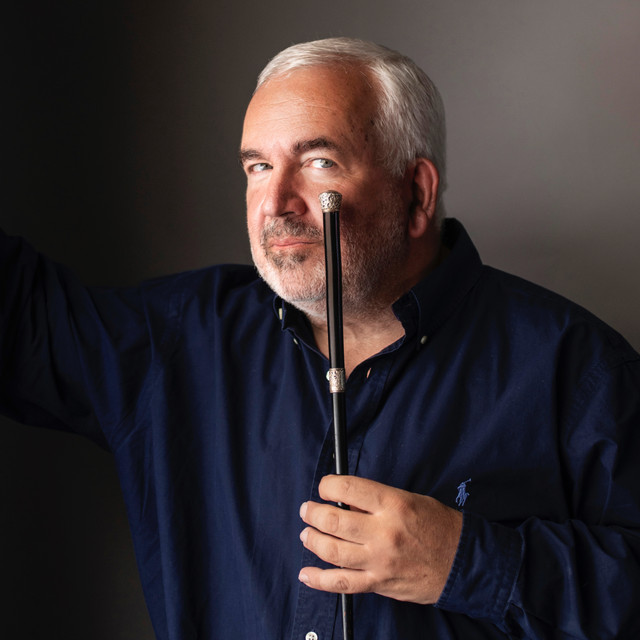
Marc Minkowski
Classical
Opera
Baroque
3
/5
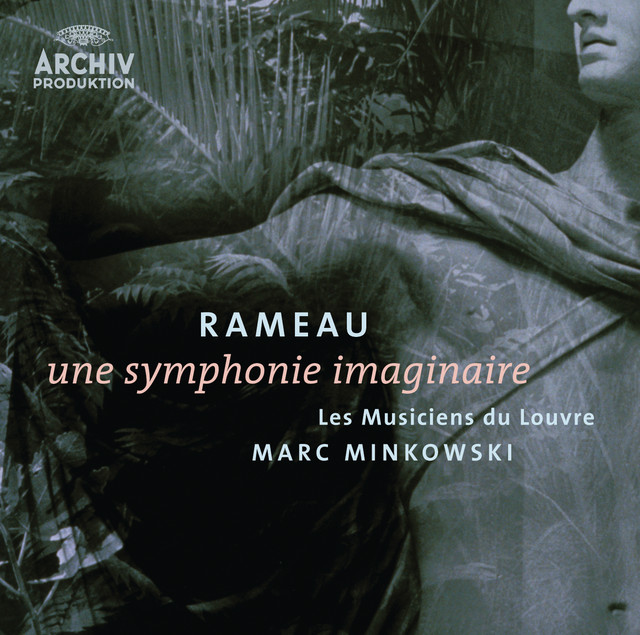
Les Musiciens du Louvre
Classical
Opera
Baroque
3
/5
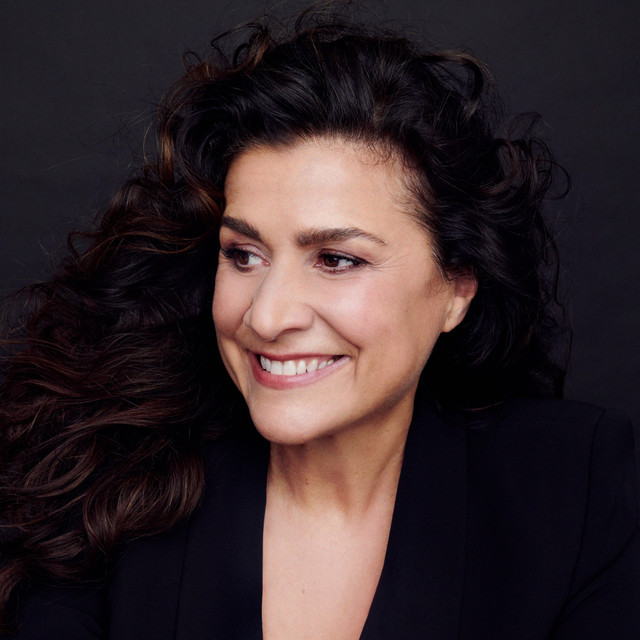
Cecilia Bartoli
Opera Seria
Baroque
Classical
2
/5
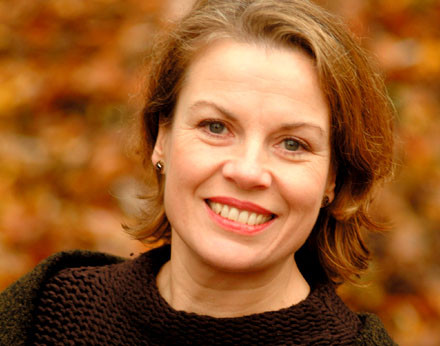
Bernarda Fink
Classical
Choral
Opera
4
/5
Antonio Vivaldi
Baroque
Classical
Opera Seria
Download our mobile app
Get the Melodigging app and start digging for new genres on the go
Download on the App Store
Get it on Google Play
© 2026 Melodigging
Give feedback
Legal
Melodding was created as a tribute to
Every Noise at Once
, which inspired us to help curious minds keep digging into music's ever-evolving genres.