Genres
Artists
Albums
Make Music
Sign in
Sign in
Artists
Classical
Artists
Classical
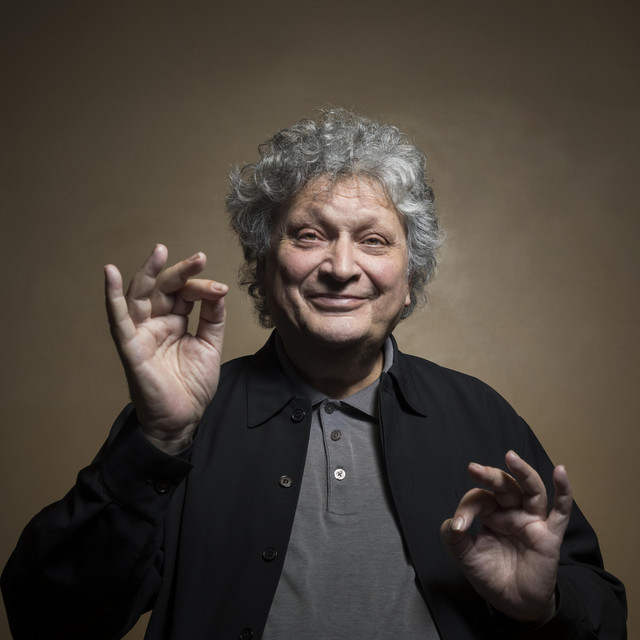
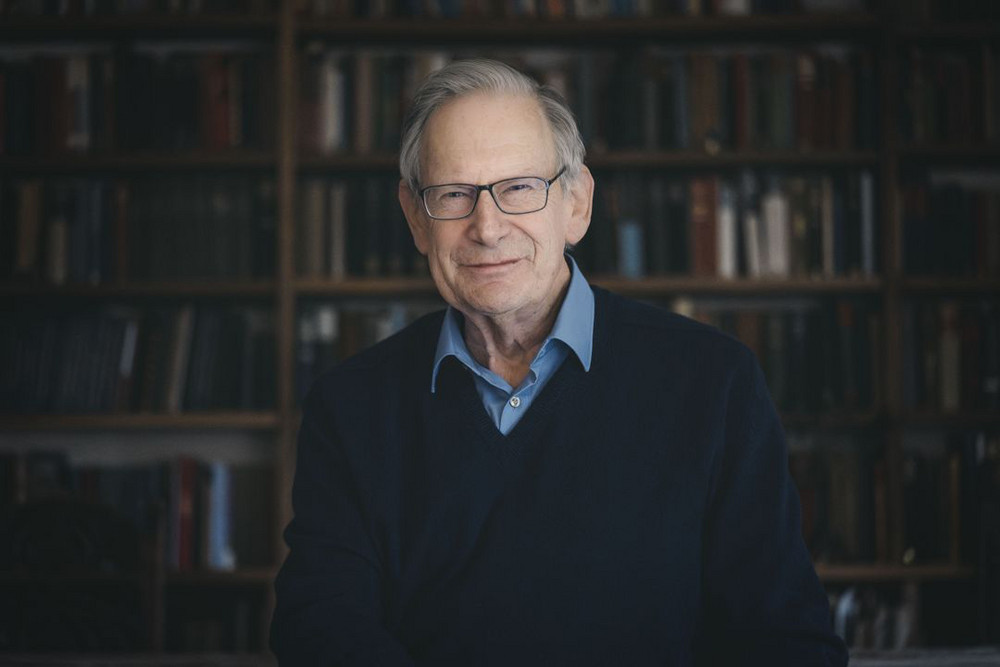
René Jacobs
1991–2025
·
18 albums
Listen
3
/5
Genres
432hz
432hz is a wellness-oriented ambient/New Age micro-genre built around tuning music to the alternative concert pitch A=432 Hz instead of the modern standard A=440 Hz. In practice, 432hz releases are largely instrumental, slow-tempo, and reverb-rich, combining soft pads, drones, gentle piano, bowls/chimes, and nature sounds. Tracks are marketed for relaxation, meditation, yoga, sleep, and "energy" or "chakra" work, and are frequently tagged with wellness keywords. While advocates claim psychoacoustic or physiological benefits from 432 Hz tuning, these claims remain unproven; the sound signature audiences respond to is the calm production, consonant harmony, and spacious mixing typical of ambient and New Age music. As a streaming-native style, 432hz thrives on platforms like YouTube and Spotify where long-form background listening, SEO-friendly titling, and looping visuals support use-cases such as study, mindfulness, and sleep.
Discover
Listen
Romantische Oper
Romantische Oper (Romantic Opera) is an early nineteenth‑century German operatic genre that blends folkloric subject matter, medieval or fantastic settings, and a heightened orchestral role with the number‑opera practices inherited from the late Classical era. Rather than growing directly out of the eighteenth‑century Singspiel, it was decisively shaped by the French opéra comique of the Revolutionary and Napoleonic eras. Characteristic are reminiscence motifs—recognizable musical phrases tied to characters, ideas, or places—that recur across a work to bind drama and music, prefiguring later leitmotivic techniques. Orchestration becomes vivid and dramaturgical (hunting horns, nature painting, offstage ensembles), while choruses and folk‑like tunes reinforce themes of the supernatural, heroism, nationhood, and the poetic power of nature. Typical libretti draw on German folk tales, legends, and medieval romance; musically, the style favors singable, diatonic melodies colored by chromatic harmony and striking timbral effects to depict magic and terror alongside lyric intimacy.
Discover
Listen
Singspiel
Singspiel is a German-language musical stage genre that alternates spoken dialogue with musical numbers such as arias, ensembles, choruses, and finales. Unlike through‑composed opera, the plot advances through spoken scenes, which makes the style theatrically agile and accessible to broad audiences. Musically, Singspiel blends tuneful, folk‑like melodies and clear Classical‑era harmonies with theatrical flair. Subjects range from domestic comedy to adventure, exoticism, and magic (Zauberoper), and the tone can move from light and humorous to noble and sentimental. It flourished in public theaters across German lands and Austria, where it became closely identified with Viennese stages in the late 18th century.
Discover
Listen
Opera Buffa
Opera buffa is an Italian comic opera tradition that crystallized in the early 18th century as a lively, vernacular counterpart to opera seria. It features everyday characters, social satire, rapid-fire patter singing (especially for the basso buffo), and bustling ensemble finales that drive the drama forward. Musically it favors clear, galant-era melody, diatonic harmony, recitativo secco with continuo in earlier works, and increasingly sophisticated multi-voice ensembles. Plotlines draw on commedia dell’arte archetypes and revolve around mistaken identities, class tensions, and witty intrigues, presented in the Italian language with crisp, syllabic text setting.
Discover
Listen
Opera Seria
Opera seria is the 18th‑century Italian "serious" opera that crystallized around noble, moralizing stories drawn from Classical mythology and ancient history. It privileges elevated rhetoric, clear affects, and vocal virtuosity, especially through the da capo (ABA') aria, where singers ornament the return to display technical brilliance and expressive nuance. Typically organized in three acts, opera seria alternates recitatives (secco with continuo for dialogue; accompagnato with orchestra for heightened drama) and solo arias. Ensemble numbers and choruses are rare, and the dramatic flow is shaped by the famous "exit aria" convention, where characters leave the stage after an aria. The style reached canonical form via Metastasian libretti and dominated courts and major opera houses across Naples, Rome, Venice, Vienna, and London.
Discover
Listen
Orchestral Performance
Orchestral performance refers to the live or studio presentation of music by a full orchestra—strings, woodwinds, brass, and percussion—under the direction of a conductor. It is less a compositional genre than a performance tradition that interprets repertory from the Baroque era to contemporary works. Its core values are balance among sections, timbral blend, dynamic control, and expressive phrasing shaped by conducting technique and ensemble discipline. Venue acoustics, seating plans, and modern recording practices (from single-point to multi-mic arrays) further define how orchestral performance is experienced. Although most closely associated with Western classical repertoire, orchestral performance practices have also shaped film music, symphonic rock/metal, and large-scale jazz projects.
Discover
Listen
Oratorio
An oratorio is a large‑scale, multi‑movement work for voices and orchestra, typically on a sacred narrative subject, performed without staging, costumes, or scenery. It combines solo recitatives and arias with powerful choruses and instrumental movements, using a dramatic arc similar to opera but presented as a concert work. Languages and styles vary by era and region (Italian and Latin in early Roman oratorios, German for Lutheran works such as Bach’s, and English for Handel’s). While most are sacred, secular oratorios also exist. Across the Baroque, Classical, Romantic, and modern eras, the oratorio evolved from intimate devotional storytelling to monumental public concert pieces, often intended for festivals and large choirs.
Discover
Listen
Baroque
Baroque is a period and style of Western art music spanning roughly 1600–1750. It is characterized by the birth of functional tonality, the widespread use of basso continuo (figured bass), and a love of contrast—between soloist and ensemble, loud and soft, and different timbres. Hallmark genres and forms of the era include opera, cantata, oratorio, concerto (especially the concerto grosso), dance suite, sonata, and fugue. Textures range from expressive monody to intricate counterpoint, and melodies are richly ornamented with trills, mordents, and appoggiaturas. Baroque music flourished in churches, courts, and theaters across Europe, with regional styles (Italian, French, German, English) shaping distinctive approaches to rhythm, dance, harmony, and ornamentation.
Discover
Listen
Opera
Opera is a large-scale theatrical genre that combines music, drama, and visual spectacle, in which the story is primarily conveyed through singing accompanied by an orchestra. It unites solo voices, ensembles, and chorus with staging, costumes, and often dance to create a total artwork. Emerging in late Renaissance Italy and flourishing in the Baroque era, opera developed signature forms such as recitative (speech-like singing that advances the plot) and aria (lyrical numbers that explore character and emotion). Over the centuries it evolved diverse national styles—Italian bel canto, French grand opéra, German music drama—while continually experimenting with orchestration, harmony, narrative structure, and stagecraft.
Discover
Listen
Madrigal
The madrigal is a secular vocal music genre that flourished during the Renaissance and into the early Baroque period. It is typically written for three to six voices and is most often performed a cappella in its 16th‑century form. Madrigals are through-composed, meaning the music changes to suit each line of text rather than following a repeating strophic pattern. Composers prioritized vivid text expression and word painting, aligning musical gestures with the imagery and rhetoric of the poetry—frequently drawing on Petrarchan themes of love, desire, nature, and melancholy. Over time, the style evolved from relatively clear textures and diatonic harmonies to highly expressive chromaticism and bold dissonances. Late madrigals introduced instruments doubling or accompanying the voices and helped usher in the seconda pratica, ultimately bridging toward early opera and other Baroque vocal forms.
Discover
Listen
Passion
A Passion is a large‑scale sacred musical genre that sets the Gospel narrative of Christ’s suffering and crucifixion (the Passion) to music. It originated as liturgical chant and evolved into elaborate polyphonic and Baroque oratorio forms. Typical Baroque Passions feature an Evangelist (tenor narrator) who declaims the biblical text in recitative, solo roles for Jesus (Christus) and other characters, congregational-style chorales, reflective arias, and dramatic "turba" choruses representing the crowd. Earlier Renaissance Passions are often austere and predominantly choral, while Catholic traditions favored Latin and Protestant (especially Lutheran) Passions used vernacular German. Passions were historically performed during Holy Week, often in two parts surrounding a sermon, and are among the most revered monuments of Christian sacred music.
Discover
Listen
Passion Setting
Passion setting is a sacred vocal genre that sets the biblical Passion narrative—the arrest, trial, crucifixion, and burial of Jesus—to music. Originally emerging from medieval chant traditions, it later evolved into elaborate multi-movement works featuring narrator (Evangelist), the words of Christ (Christus), soloists for individual roles, and choral "turba" movements representing the crowd. Across history, passion settings range from austere, unaccompanied chant or Renaissance polyphony to large Baroque oratorio-scale works with orchestra and chorales. While Latin and German are the most common languages (reflecting Catholic and Lutheran traditions), the form has been adapted into many vernaculars in the 20th and 21st centuries. In all cases, the musical rhetoric emphasizes solemn devotion, drama, and theological reflection.
Discover
Listen
Mass
Mass is a large-scale vocal genre that sets the Ordinary of the Roman Catholic liturgy—Kyrie, Gloria, Credo, Sanctus (and Benedictus), and Agnus Dei—most often in Latin. It began as monophonic chant but developed into sophisticated polyphony and later into concert works for choir, soloists, and instruments or full orchestra. Across history, composers have used techniques such as cantus firmus, imitation, paraphrase, and parody to unify movements. The genre spans from austere a cappella writing to monumental symphonic-choral statements, and today is performed both liturgically and in the concert hall. Common subtypes include Missa brevis (short Mass, often omitting the Credo or compact in scale) and Missa solemnis (festal, expansive forces and duration).
Discover
Listen
Motet
A motet is a polyphonic vocal composition, usually on a sacred Latin text, that emerged in the High Middle Ages and became a central genre of European art music during the Renaissance. Early motets layered different texts and rhythms above a chant-derived tenor, while later Renaissance motets favored smooth, imitative counterpoint shared among voice parts. Across its long history the motet served both liturgical and devotional functions, typically performed a cappella by small choirs. Stylistically it ranges from the rhythmically intricate, isorhythmic constructions of the 13th–14th centuries to the balanced, text-sensitive writing of the 16th century, and onward to concerted and chorale-based treatments in the Baroque and beyond.
Discover
Listen
Classical
Classical music is the notated art-music tradition of Europe and its global descendants, characterized by durable forms, carefully codified harmony and counterpoint, and a literate score-based practice. The term “classical” can refer broadly to the entire Western art-music lineage from the Medieval era to today, not just the Classical period (c. 1750s–1820s). It privileges long-form structures (such as symphonies, sonatas, concertos, masses, and operas), functional or modal harmony, thematic development, and timbral nuance across ensembles ranging from solo instruments to full orchestras and choirs. Across centuries, the style evolved from chant and modal polyphony to tonal harmony, and later to post-tonal idioms, while maintaining a shared emphasis on written notation, performance practice, and craft.
Discover
Listen
Choral
Choral refers to music written for and performed by a choir—an ensemble of voices organized into sections such as soprano, alto, tenor, and bass (SATB), or same-voice groupings (SSA, TTBB). It encompasses both sacred and secular repertoire and may be sung a cappella or with accompaniment by organ, piano, or full orchestra. Stylistically, choral music ranges from chant-like monophony to intricate polyphony and rich homophonic textures. Texts are drawn from liturgy, scripture, poetry, and vernacular sources, and are set in many languages. Performance contexts include church services, concert halls, and community events, making choral one of the most socially embedded and widely practiced forms of ensemble music. Across history, choral music has served as a laboratory for vocal counterpoint, word painting, and text-driven form, while functioning as a cultural bridge among religious rites, national traditions, and contemporary concert practice.
Discover
Listen
Hymns
Hymns are strophic, text-driven songs of praise, devotion, or instruction intended for congregational or communal singing, most closely associated with Christian worship. They typically use clear, memorable melodies, regular poetic meters, and straightforward harmonies so that large groups can sing together with ease. While the concept of a hymn as a sacred song predates Christianity (e.g., in Ancient Greek and Jewish traditions), Christian hymnody coalesced late in the 4th century with Ambrosian practice in Milan and then expanded through Latin and Greek liturgical cultures. Over time, hymn singing moved from monastic and cathedral settings into congregational life, especially after the Protestant Reformation, where metrical psalms and vernacular hymns became a defining feature of worship. Modern hymnody ranges from chant-like, modal melodies without accompaniment to robust, four-part chorale harmonizations with organ, and even contemporary arrangements that adapt classic hymn texts and tunes to newer popular styles.
Discover
Listen
Show all 17 genres
Albums
2025
1
/5
Flowers
René Jacobs
Orchestral Performance
2025
1
/5
Sunnyside
René Jacobs
Orchestral Performance
2022
1
/5
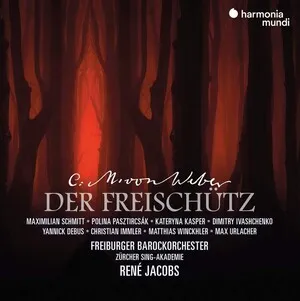
Der Freischütz
Carl Maria von Weber
Romantische Oper
2016
2
/5
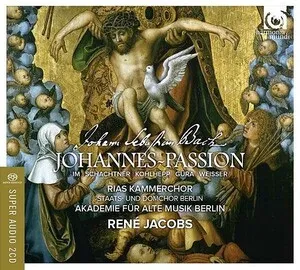
Johannes-Passion
Johann Sebastian Bach / Johann Hermann Schein
Passion
Passion Setting
Oratorio
2013
2
/5
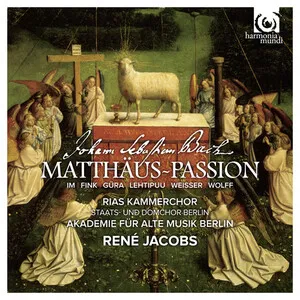
Matthäus-Passion
Johann Sebastian Bach
Passion
Passion Setting
Oratorio
2010
1
/5
Die Zauberflöte
Wolfgang Amadeus Mozart
Singspiel
2009
2
/5
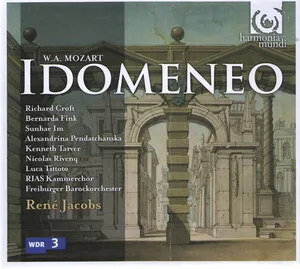
Idomeneo
Wolfgang Amadeus Mozart
Opera Seria
2007
2
/5
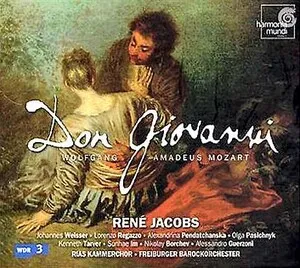
Don Giovanni
Wolfgang Amadeus Mozart
Opera Buffa
2004
2
/5
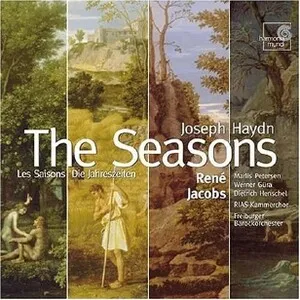
The Seasons
Joseph Haydn
Oratorio
Classical
2004
1
/5
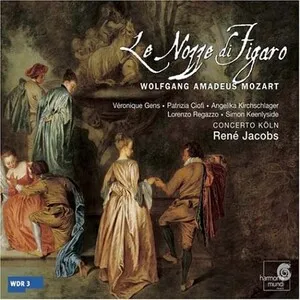
Le nozze di Figaro
Wolfgang Amadeus Mozart
Opera Buffa
Classical
Opera
2003
2
/5
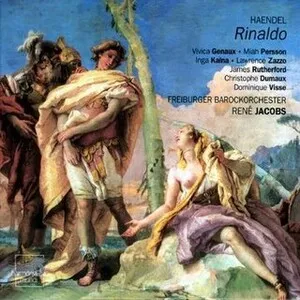
Rinaldo
Georg Friedrich Händel
Opera Seria
2002
1
/5
Madrigali guerrieri ed amorosi
Claudio Monteverdi / Concerto Vocale / René Jacobs
Madrigal
2000
1
/5
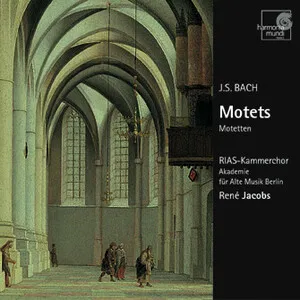
Motets
Johann Sebastian Bach
Motet
Baroque
Classical
2000
1
/5
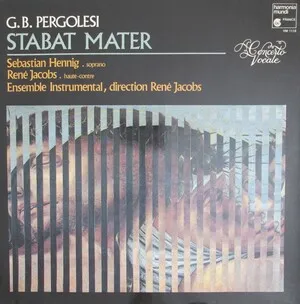
Stabat Mater
Giovanni Battista Pergolesi
Hymns
1999
2
/5
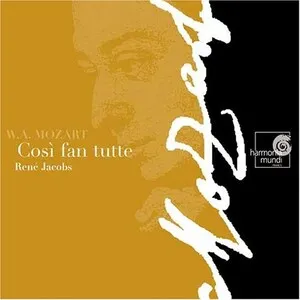
Così fan tutte
Wolfgang Amadeus Mozart
Opera Buffa
Classical
Opera
1996
2
/5
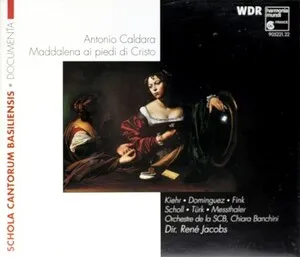
Maddalena ai piedi di Cristo
Antonio Caldara
Oratorio
Baroque
Classical
1993
1
/5
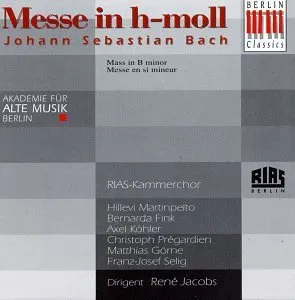
Messe in h-Moll
Johann Sebastian Bach
Mass
Choral
Baroque
1991
2
/5
Giulio Cesare
Georg Friedrich Händel
Opera Seria
Similar artists
2
/5
Otto Klemperer
Choral
Classical
Opera
1
/5
Various Artists
Afro-Funk
Alternative Rock
Ambient
4
/5
George Frideric Handel
Classical
Opera Seria
Baroque
4
/5
Herbert von Karajan
Classical
Symphonic Poem
Symphony
4
/5
Philharmonia Orchestra
Classical
Opera
Choral
3
/5
John Eliot Gardiner
Classical
Choral
Requiem
3
/5
English Baroque Soloists
Classical
Choral
Requiem
3
/5
Andreas Scholl
Classical
Baroque
Cantata
3
/5
RIAS Kammerchor
Classical
Choral
Oratorio
3
/5
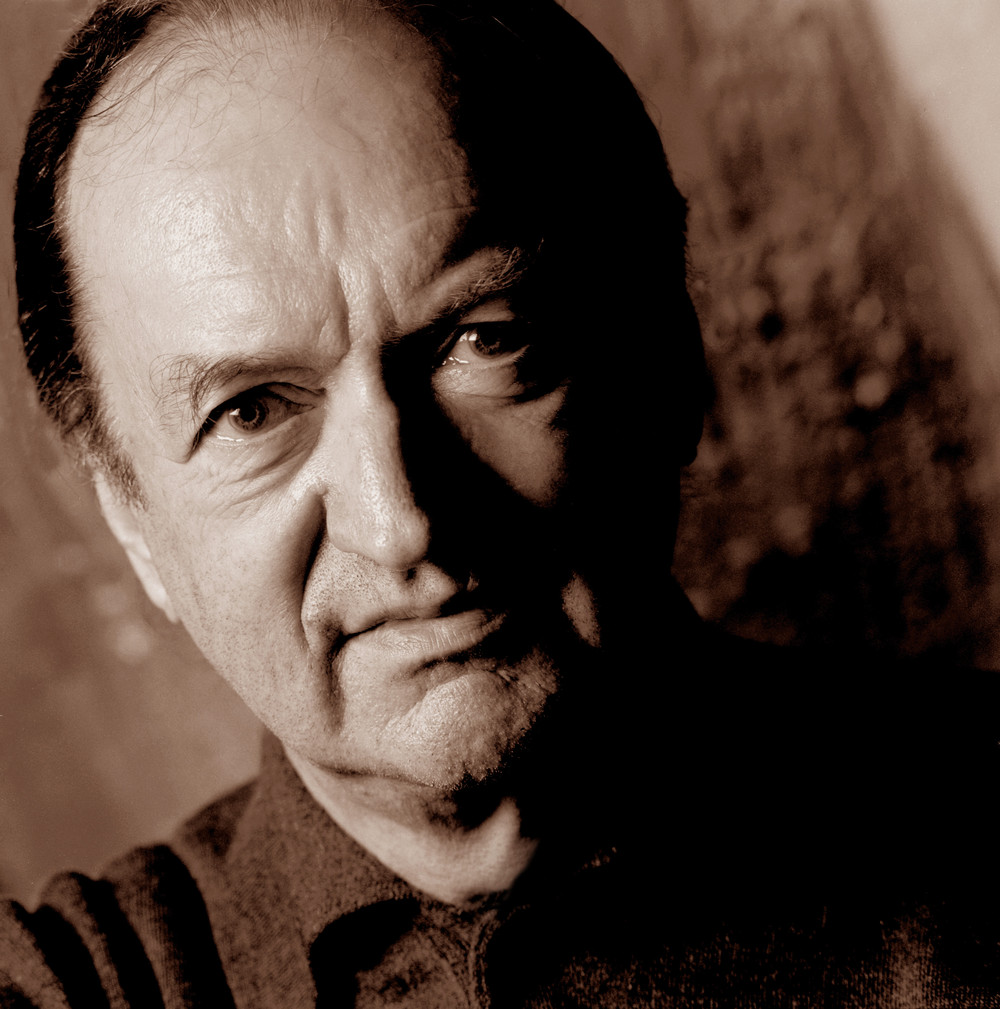
Nikolaus Harnoncourt
Classical
Requiem
Baroque
Download our mobile app
Get the Melodigging app and start digging for new genres on the go
Download on the App Store
Get it on Google Play
© 2026 Melodigging
Give feedback
Legal
Melodding was created as a tribute to
Every Noise at Once
, which inspired us to help curious minds keep digging into music's ever-evolving genres.