Your digging level
Description
Hüzünlü şarkılar (literally “melancholy/sorrowful songs”) is a contemporary Turkish micro‑scene and streaming tag that gathers slow to mid‑tempo, emotive songs spanning indie, alternative rock, pop ballads, and modern echoes of arabesk.
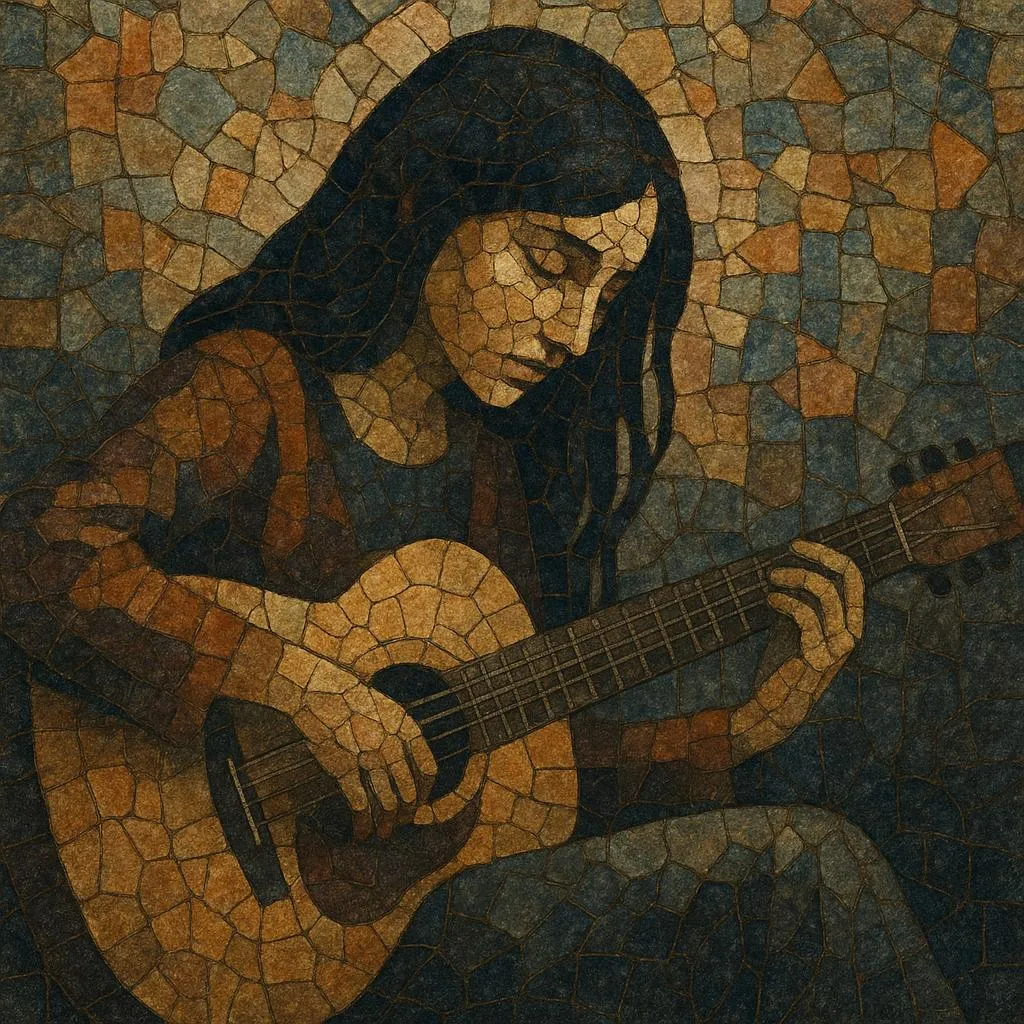
The style is unified less by strict form than by feeling: minor or modal harmony (often with Turkish makam color), intimate vocals, and lyrics steeped in longing (gurbet), heartbreak, and the culturally resonant idea of hüzün. Arrangements typically blend acoustic guitars, piano, soft synth pads, string lines, and occasionally bağlama, with restrained percussion and reverberant spaces. The result is a wistful, atmospheric sound that sits between classic Turkish balladry and modern indie aesthetics.
History
The sensibility behind hüzünlü şarkılar grows from deep currents in Turkish music and culture. Ottoman/Turkish classical traditions, lament forms (ağıt) in türkü folk practice, and the mid‑late 20th‑century rise of arabesk all foregrounded themes of longing, fate, and urban melancholy. These currents established a shared vocabulary of modal color, ornamented vocal delivery, and lyrical introspection.
Through the 1990s and 2000s, Turkish pop ballads and alternative/rock acts popularized emotive, minor‑leaning songwriting with contemporary production. Singer‑songwriters and bands fused Western verse‑chorus craft with Turkish melodic sensibilities, expanding the audience for reflective, lovelorn material that felt modern yet culturally grounded.
With the streaming era, curated playlists and algorithmic micro‑tags helped consolidate this affective space under the label “hüzünlü şarkılar.” Indie and alt‑rock outfits, intimate pop voices, and crossover artists came to be grouped together by mood and lyrical tone rather than by strict genre boundaries. Today the term denotes a recognizable aesthetic—sparse, spacious mixes, hushed or plaintive vocals, and poetic imagery—cutting across pop, indie, and soft rock, while retaining a distinctly Turkish melodic and poetic DNA.