Genres
Artists
Albums
Make Music
Sign in
Sign in
Artists
Classical
Artists
Classical
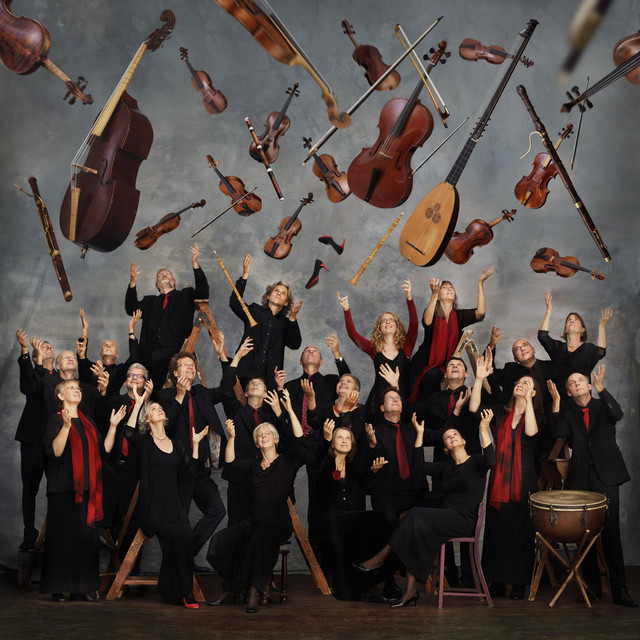
Orchestra of the Age of Enlightenment
1989–2015
·
3 albums
Listen
3
/5
Genres
Grand Opera
Grand opera is a monumental 19th‑century French operatic form defined by large forces, spectacular staging, and serious historical or religious subjects. Typically laid out in five acts, it features extensive choruses, virtuosic arias and ensembles, full ballet sequences (the obligatory "divertissement"), and elaborate scenic effects that turn political and moral conflicts into public spectacle. Musically, grand opera expands the Romantic orchestra, favors accompanied recitative over secco dialogue, and uses coloristic orchestration, on‑ and off‑stage bands, and crowd scenes to heighten dramaturgy. It emerged at the Paris Opéra (Académie Royale/Impériale) in the late 1820s–1830s through works by Auber, Meyerbeer, and Halévy, and quickly became an international template for large‑scale operatic production.
Discover
Listen
Concerto
A concerto is a large-scale composition that sets one or more solo instruments in dynamic dialogue with an orchestra. Its core idea is contrast—between soloist and tutti—and the dramatic negotiation of power, color, and thematic responsibility. While Baroque concertos often relied on ritornello form, the Classical era standardized a three-movement plan (fast–slow–fast) with sonata principles in the opening movement. The Romantic period emphasized virtuosity and expressive foregrounding of the soloist, and the 20th–21st centuries broadened the palette with new instruments, harmonies, and formats. Across eras, the concerto remains a showcase for instrumental character, technical brilliance, and the art of orchestral conversation.
Discover
Listen
Opera-Ballet
Opera-ballet (opéra-ballet) is a French Baroque stage genre that blends sung opera with extensive, self-contained dance episodes. Typically organized as a prologue followed by several independent entrées linked by a loose theme, it favors variety, spectacle, and graceful movement over the strict tragic unity of earlier French opera. Emerging in Paris at the close of the 17th century, the form cultivated elegant divertissements, richly orchestrated choruses, and expressive French recitative, all designed to showcase star singers and dancers. Its subjects range from pastoral and mythological to exotic and festive, creating a refined, courtly entertainment that balances dramatic singing with choreographic display.
Discover
Listen
Concerto Grosso
A concerto grosso is a Baroque-era orchestral form built on contrasts between a small group of soloists (the concertino) and the full ensemble (the ripieno or tutti). It typically features strings with basso continuo, terraced dynamics, antiphonal dialogue, and clear tonal harmony. Two principal subtypes emerged: the church-oriented sonata da chiesa (often in a four-movement slow–fast–slow–fast plan) and the dance-inflected sonata da camera (suite-like movements). The genre highlights thematic exchange, sequences, and imitation, with the concertino—often two violins and cello—embroidered against broader tutti refrains. Corelli’s models codified its syntax, and Handel’s sets represent its late-Baroque culmination.
Discover
Listen
Baroque
Baroque is a period and style of Western art music spanning roughly 1600–1750. It is characterized by the birth of functional tonality, the widespread use of basso continuo (figured bass), and a love of contrast—between soloist and ensemble, loud and soft, and different timbres. Hallmark genres and forms of the era include opera, cantata, oratorio, concerto (especially the concerto grosso), dance suite, sonata, and fugue. Textures range from expressive monody to intricate counterpoint, and melodies are richly ornamented with trills, mordents, and appoggiaturas. Baroque music flourished in churches, courts, and theaters across Europe, with regional styles (Italian, French, German, English) shaping distinctive approaches to rhythm, dance, harmony, and ornamentation.
Discover
Listen
Orchestral
Orchestral music refers to compositions written for an orchestra—a large ensemble typically built around a string section (violins, violas, cellos, double basses), complemented by woodwinds, brass, percussion, and often harp, keyboard, or other auxiliary instruments. A conductor coordinates the ensemble, shaping balance, phrasing, and expression. The style emphasizes coloristic timbre combinations, dynamic range from the softest pianissimo to explosive tuttis, and textures that can shift seamlessly between transparent chamber-like writing and monumental masses of sound. Orchestral writing underpins concert genres such as symphonies, overtures, and tone poems, as well as opera, ballet, and modern film and game scores. While orchestral writing evolved across centuries, its core craft centers on melody, counterpoint, harmony, register, and orchestration—the art of assigning musical ideas to instruments to achieve clarity, contrast, and narrative impact.
Discover
Listen
Opera
Opera is a large-scale theatrical genre that combines music, drama, and visual spectacle, in which the story is primarily conveyed through singing accompanied by an orchestra. It unites solo voices, ensembles, and chorus with staging, costumes, and often dance to create a total artwork. Emerging in late Renaissance Italy and flourishing in the Baroque era, opera developed signature forms such as recitative (speech-like singing that advances the plot) and aria (lyrical numbers that explore character and emotion). Over the centuries it evolved diverse national styles—Italian bel canto, French grand opéra, German music drama—while continually experimenting with orchestration, harmony, narrative structure, and stagecraft.
Discover
Listen
Requiem
A requiem is a musical setting of the Roman Catholic Mass for the Dead (Missa pro defunctis). Historically rooted in Latin liturgy, it sets movements such as the Introit, Kyrie, (historically) the Sequence Dies irae, Offertory, Sanctus, Agnus Dei, and Communion, and often includes additional responsories like Libera me and In paradisum. While the earliest requiems were monophonic chants, the genre became a showcase for polyphonic and later symphonic choral writing. Renaissance composers wrote austere, modal settings; Classical and Romantic composers expanded the forces and dramatic scope; and 20th–21st century composers reimagined the form with new languages, from neo-modal and impressionistic harmonies to avant‑garde sonorities. Today, requiems appear both in liturgy and as concert works, symbolizing collective mourning, remembrance, and spiritual reflection.
Discover
Listen
Classical
Classical music is the notated art-music tradition of Europe and its global descendants, characterized by durable forms, carefully codified harmony and counterpoint, and a literate score-based practice. The term “classical” can refer broadly to the entire Western art-music lineage from the Medieval era to today, not just the Classical period (c. 1750s–1820s). It privileges long-form structures (such as symphonies, sonatas, concertos, masses, and operas), functional or modal harmony, thematic development, and timbral nuance across ensembles ranging from solo instruments to full orchestras and choirs. Across centuries, the style evolved from chant and modal polyphony to tonal harmony, and later to post-tonal idioms, while maintaining a shared emphasis on written notation, performance practice, and craft.
Discover
Listen
European Music
“European music” is a broad umbrella covering the historical and regional practices that developed across the European continent, from medieval sacred chant and courtly song to folk traditions, art (classical) music, and later popular and electronic styles. Common threads include the codification of staff notation, the development of modal and later tonal harmony, the use of structured forms (e.g., mass, motet, madrigal; sonata, symphony, opera; verse–chorus song), and a rich palette of instruments culminating in the modern orchestra and various regional folk ensembles. While extremely diverse from region to region, European music is marked by a continuous dialogue between sacred and secular practices, learned written traditions and oral folk idioms, and later between art music and mass-market popular genres.
Discover
Listen
Choral
Choral refers to music written for and performed by a choir—an ensemble of voices organized into sections such as soprano, alto, tenor, and bass (SATB), or same-voice groupings (SSA, TTBB). It encompasses both sacred and secular repertoire and may be sung a cappella or with accompaniment by organ, piano, or full orchestra. Stylistically, choral music ranges from chant-like monophony to intricate polyphony and rich homophonic textures. Texts are drawn from liturgy, scripture, poetry, and vernacular sources, and are set in many languages. Performance contexts include church services, concert halls, and community events, making choral one of the most socially embedded and widely practiced forms of ensemble music. Across history, choral music has served as a laboratory for vocal counterpoint, word painting, and text-driven form, while functioning as a cultural bridge among religious rites, national traditions, and contemporary concert practice.
Discover
Listen
Show all 11 genres
Albums
2015
1
/5
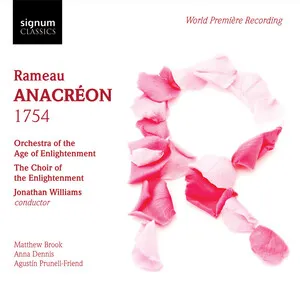
Anacréon 1754
Jean-Philippe Rameau
Opera-Ballet
2015
1
/5
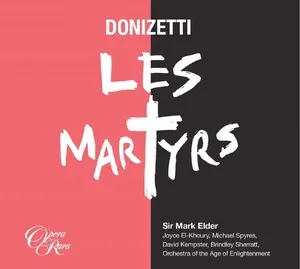
Les martyrs
Gaetano Donizetti
Grand Opera
1989
3
/5
The Brandenburg Concertos
Johann Sebastian Bach / Orchestra of the Age of Enlightenment
Concerto Grosso
Concerto
Baroque
Similar artists
4
/5
Philharmonia Orchestra
Classical
Opera
Choral
3
/5
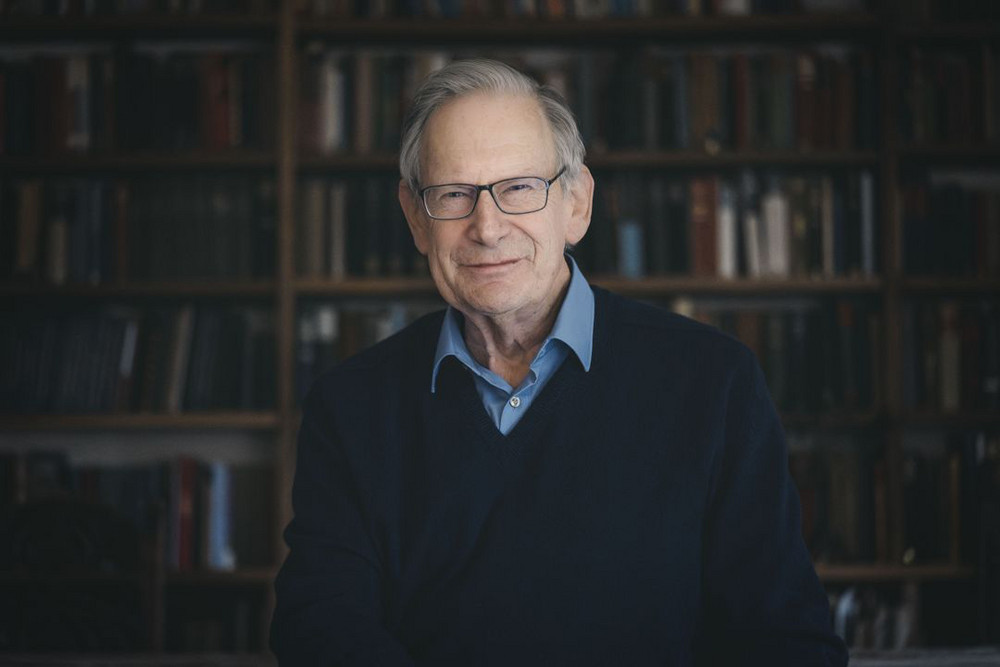
John Eliot Gardiner
Classical
Choral
Requiem
3
/5
Academy of Ancient Music
Classical
Choral
Requiem
3
/5
English Baroque Soloists
Classical
Choral
Requiem
3
/5
RIAS Kammerchor
Classical
Choral
Oratorio
2
/5
Sara Mingardo
Classical
Opera
Choral
2
/5
Otto Klemperer
Choral
Classical
Opera
2
/5
Bernarda Fink
Classical
Choral
Opera
3
/5
Akademie für Alte Musik Berlin
Classical
Opera
Oratorio
1
/5
Various Artists
Afro-Funk
Alternative Rock
Ambient
Download our mobile app
Get the Melodigging app and start digging for new genres on the go
Download on the App Store
Get it on Google Play
© 2026 Melodigging
Give feedback
Legal
Melodding was created as a tribute to
Every Noise at Once
, which inspired us to help curious minds keep digging into music's ever-evolving genres.