Your digging level
Description
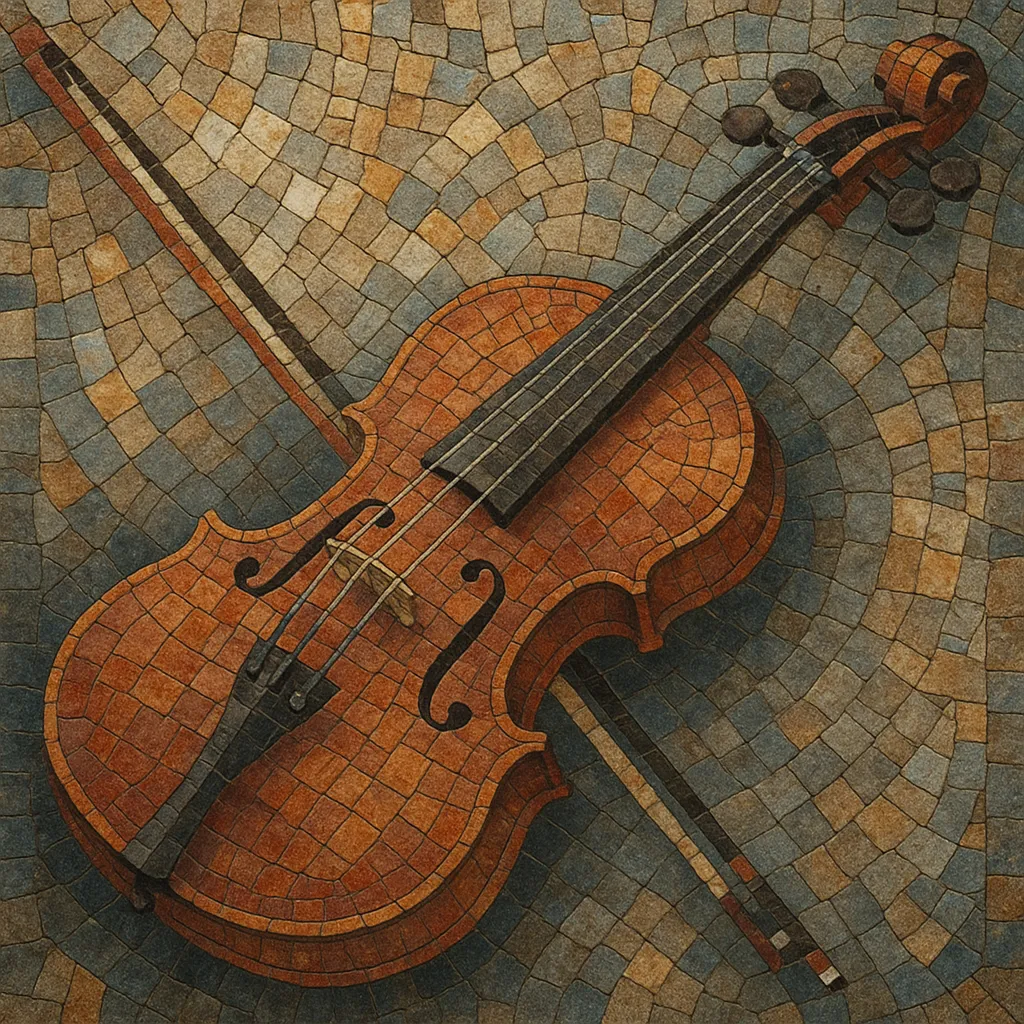
“Violin” as a genre tag refers to violin‑centric music, typically spotlighting the instrument as a solo voice or principal melodic carrier across classical, chamber, and modern concert traditions.
It encompasses solo works (sonatas, partitas, caprices), concertos with orchestra, chamber settings (duos with piano, trios, quartets), and contemporary pieces that extend the instrument’s timbral palette. Characteristic features include lyrical cantabile lines, virtuosic passagework, double‑stops and chords, harmonics, pizzicato (including left‑hand), scordatura tuning in select works, and expressive bow articulations.
While rooted in European art music, violin repertoire has influenced a wide array of later styles and crossovers, from modern classical and film music to symphonic rock/metal and chamber‑inflected pop and folk.
History
The modern violin coalesced in northern Italy (Cremona and Brescia) during the early–mid 1500s, refining bowed‑string traditions of the Renaissance. Its powerful projection and expressive range quickly made it a favorite for dance music, church ensembles, and court entertainment.
The Baroque era codified the violin as a solo virtuoso instrument. Composers and violinists such as Arcangelo Corelli, Antonio Vivaldi, and Heinrich Ignaz Franz Biber developed idiomatic techniques, ritornello‑based concertos, and multi‑movement sonatas. Bow articulation, ornamentation, and scordatura enriched color and complexity, while luthiers like Stradivari and Guarneri defined the instrument’s enduring build and tone.
Classical composers clarified form and balance, elevating the violin in sonatas with piano and in symphonic settings. In the Romantic era, virtuosity and expressive intensity flourished with Paganini’s caprices and the great concertos (Beethoven, Mendelssohn, Brahms, Tchaikovsky). The violin became an emblem of lyrical expression and technical brilliance, supported by evolving bow design and concert‑hall culture.
The 20th century broadened the violin’s language via extended techniques (sul ponticello/tasto, harmonics, col legno), modernist harmony, and global influences. Star soloists (Heifetz, Menuhin, Perlman) popularized the canon, while contemporary composers and film scorers integrated the instrument into new idioms. Today, violin‑centric music spans historically informed performance, new classical works, crossovers, and media scoring, with the instrument’s expressive range continuing to inspire.