Genres
Make Music
Artists
Albums
Challenges
Sign in
Sign in
Albums
By The Tallis Scholars
Albums
By The Tallis Scholars
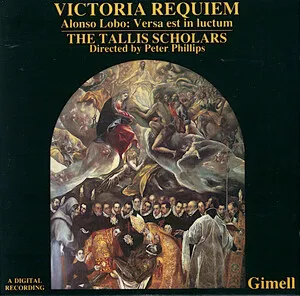
Requiem / Versa est in luctum
1987
Listen
2
/5
Genres
Requiem
A requiem is a musical setting of the Roman Catholic Mass for the Dead (Missa pro defunctis). Historically rooted in Latin liturgy, it sets movements such as the Introit, Kyrie, (historically) the Sequence Dies irae, Offertory, Sanctus, Agnus Dei, and Communion, and often includes additional responsories like Libera me and In paradisum. While the earliest requiems were monophonic chants, the genre became a showcase for polyphonic and later symphonic choral writing. Renaissance composers wrote austere, modal settings; Classical and Romantic composers expanded the forces and dramatic scope; and 20th–21st century composers reimagined the form with new languages, from neo-modal and impressionistic harmonies to avant‑garde sonorities. Today, requiems appear both in liturgy and as concert works, symbolizing collective mourning, remembrance, and spiritual reflection.
Discover
Listen
Renaissance
Renaissance music (c. 1400–1600) marks the shift from medieval sonorities to a clearer, triad-based polyphony in which multiple independent voices are treated with near-equal importance. It favors modal counterpoint, pervasive imitation, smooth voice-leading, and carefully prepared cadences. Text intelligibility and expressive text-setting become central concerns, especially in sacred motets and masses and in secular forms like the Italian madrigal and the French chanson. While much of the repertory is a cappella, instrumental consorts (viol, recorder, sackbut, cornett, organ) play a growing role. A steady tactus underpins rhythms, and tuning systems such as meantone temperament shape its characteristic color. Music printing (from 1501) accelerates stylistic diffusion across Europe.
Discover
Listen
Mass
Mass is a large-scale vocal genre that sets the Ordinary of the Roman Catholic liturgy—Kyrie, Gloria, Credo, Sanctus (and Benedictus), and Agnus Dei—most often in Latin. It began as monophonic chant but developed into sophisticated polyphony and later into concert works for choir, soloists, and instruments or full orchestra. Across history, composers have used techniques such as cantus firmus, imitation, paraphrase, and parody to unify movements. The genre spans from austere a cappella writing to monumental symphonic-choral statements, and today is performed both liturgically and in the concert hall. Common subtypes include Missa brevis (short Mass, often omitting the Credo or compact in scale) and Missa solemnis (festal, expansive forces and duration).
Discover
Listen
Polyphonic Chant
Polyphonic chant is a sacred vocal tradition in which two or more independent voices sing liturgical material at the same time, creating vertical harmony from originally monophonic chant. Emerging from the practice of adding a second voice to chant (organum), it favors perfect consonances (fourths, fifths, and octaves) and often places a sustained chant line (tenor) beneath more florid upper parts. In its classic medieval Western form, it is unaccompanied (a cappella), modal rather than tonal, and frequently governed by rhythmic modes. While the Notre Dame school in Paris codified much of its technique, related polyphonic chant practices also exist in other liturgical cultures (e.g., Georgian and Corsican traditions), each with distinctive sonorities and voice-leading norms.
Discover
Listen
Choral
Choral refers to music written for and performed by a choir—an ensemble of voices organized into sections such as soprano, alto, tenor, and bass (SATB), or same-voice groupings (SSA, TTBB). It encompasses both sacred and secular repertoire and may be sung a cappella or with accompaniment by organ, piano, or full orchestra. Stylistically, choral music ranges from chant-like monophony to intricate polyphony and rich homophonic textures. Texts are drawn from liturgy, scripture, poetry, and vernacular sources, and are set in many languages. Performance contexts include church services, concert halls, and community events, making choral one of the most socially embedded and widely practiced forms of ensemble music. Across history, choral music has served as a laboratory for vocal counterpoint, word painting, and text-driven form, while functioning as a cultural bridge among religious rites, national traditions, and contemporary concert practice.
Discover
Listen
Similar albums
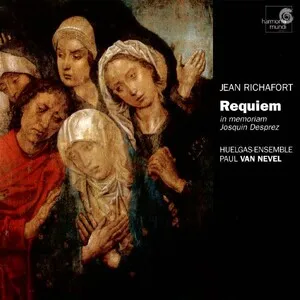
2002
Requiem: In memoriam Josquin Desprez
Jean Richafort / Huelgas Ensemble / Paul Van Nevel
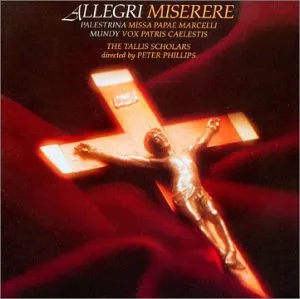
1980
Miserere / Missa Papae Marcelli / Vox Patris caelestis
Gregorio Allegri / The Tallis Scholars / Peter Phillips
1994
Miserere; Messe; Motets
Gregorio Allegri / A Sei Voci
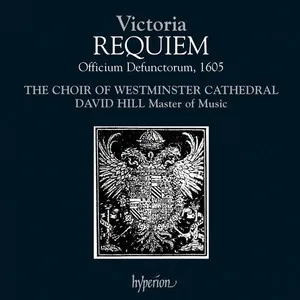
1987
Requiem: Officium defunctorum, 1605
Tomás Luis de Victoria / Westminster Cathedral Choir / David Hill
1987
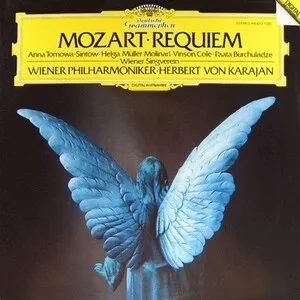
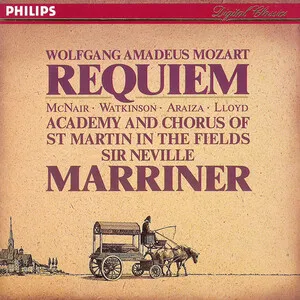
Requiem
Wolfgang Amadeus Mozart / Franz Xaver Süssmayr
1998
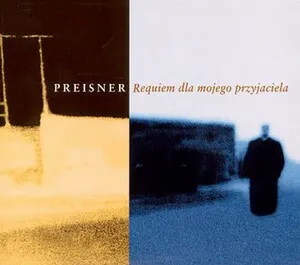
Requiem dla mojego przyjaciela
Zbigniew Preisner
1962
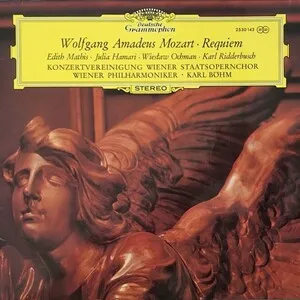
Requiem KV 626
Wolfgang Amadeus Mozart / Franz Xaver Süssmayr
1985
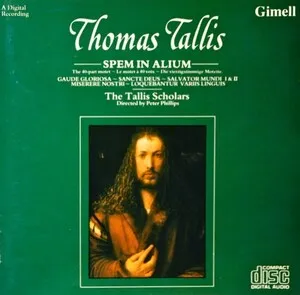
Spem in alium
Thomas Tallis / The Tallis Scholars / Peter Phillips
1971
Requiem
Wolfgang Amadeus Mozart / Franz Xaver Süssmayr
1991
Requiem
Wolfgang Amadeus Mozart / Franz Xaver Süssmayr
Download our mobile app
Get the Melodigging app and start digging for new genres on the go
Download on the App Store
Get it on Google Play
© 2026 Melodigging
Give feedback
Legal
Melodding was created as a tribute to
Every Noise at Once
, which inspired us to help curious minds keep digging into music's ever-evolving genres.