Genres
Make Music
Artists
Albums
Challenges
Sign in
Sign in
Albums
By Traditional
Albums
By Traditional
江南丝竹八大曲 (一) (The Eight Grand Jiangnan Chinese Classics • Vol. 1)
December 9, 1992
Listen
1
/5
Genres
Jiangnan Sizhu
Jiangnan sizhu (literally “silk-and-bamboo” from the Jiangnan region of China) is a refined chamber tradition centered on string (silk) and flute (bamboo) instruments. Typical ensembles feature dizi (transverse bamboo flute), erhu and other huqin fiddles, pipa (pear-shaped lute), sanxian (three-string lute), yangqin (hammered dulcimer), and sometimes sheng (mouth organ). The music is heterophonic: all players render the same qupai (fixed tune) simultaneously while decorating it with individualized ornaments, resulting in a shimmering, interwoven texture. Performances often unfold in an arch of tempo—from slow, spacious introductions to fluid moderate sections and lively climaxes—suited to intimate venues like teahouses and guild halls. The melodic language is largely pentatonic within traditional Chinese modal systems and cyclical rhythms.
Discover
Listen
Sizhu Music
Sizhu (literally “silk and bamboo”) is a refined Chinese chamber tradition for string (silk) and wind (bamboo) instruments. It is typically performed in intimate settings such as teahouses and music clubs, featuring small ensembles that share a single core melody while each player ornaments it in their own way (heterophony). The repertoire is organized around cyclical, beat-patterned frameworks (ban) and named melodic models (qupai), and favors pentatonic modes with elegant, flowing ornamentation. Regional streams exist (most famously Jiangnan sizhu around Shanghai and Suzhou, and related southern styles), but all emphasize light timbre, supple rhythm, and social music-making.
Discover
Listen
Chinese Classical
Chinese classical music refers to the courtly, literati, and ritual musical traditions of China that emphasize refinement, poetic symbolism, and ethical cultivation. It privileges timbre, gesture, and modal color over harmonic progression, and is closely tied to classical poetry, calligraphy, and philosophy. Its core idioms include solo and small-ensemble repertoire for guqin, pipa, xiao, dizi, sheng, guzheng, ruan, and erhu, as well as ritual/ceremonial ensembles. Melodies typically draw on pentatonic and heptatonic modal systems (gong–shang–jue–zhi–yu), use nuanced ornamentation, and favor heterophony when played in ensemble. The tradition is historically transmitted through lineage, handbooks, and mnemonic/character notations (e.g., jianzipu and gongchepu), with performance practice emphasizing breath, space, and expressive inflection (slides, harmonics, and vibrato).
Discover
Listen
Similar albums
1989
Ode to the South (咏南)
Central Conservatory Traditional Ensemble 中央音乐学院民族乐团
2011
Yue Luo: Jiangnan Sizhu Music
Lingling Yu & Guo Gan
2007
Hommage à Chen Zhong
Chen Zhong 陈重
1993
江南丝竹八大曲 (二) (The Eight Grand Jiangnan Chinese Classics • Vol. 2)
Shanghai Conservatory Jiangnan Chinese Classical Ensemble 上海音乐学院江南丝竹小组
1995
Chinese Traditional Erhu Music 1
Lei Qiang
2008
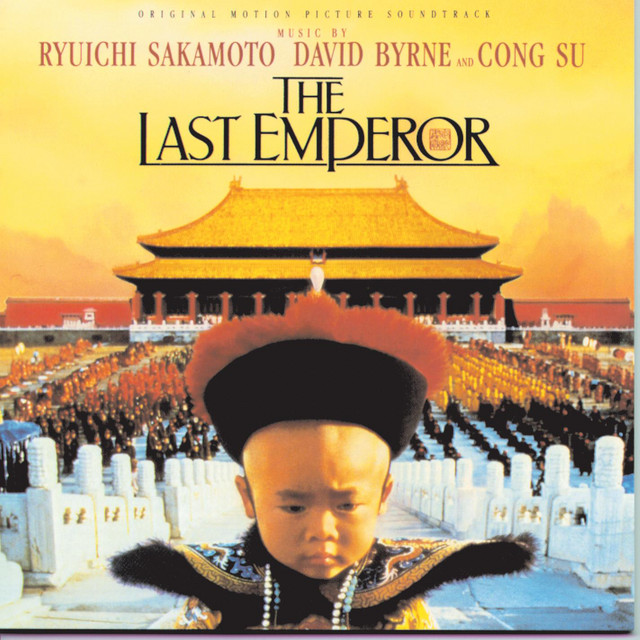
The Last Emperor (Original Soundtrack)
Black Rebel Motorcycle Club, Future Sound of London, The, Jackson, Janet, Genes…
1998
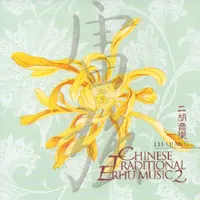
Chinese Traditional Erhu Music 2
Lei Qiang
2002
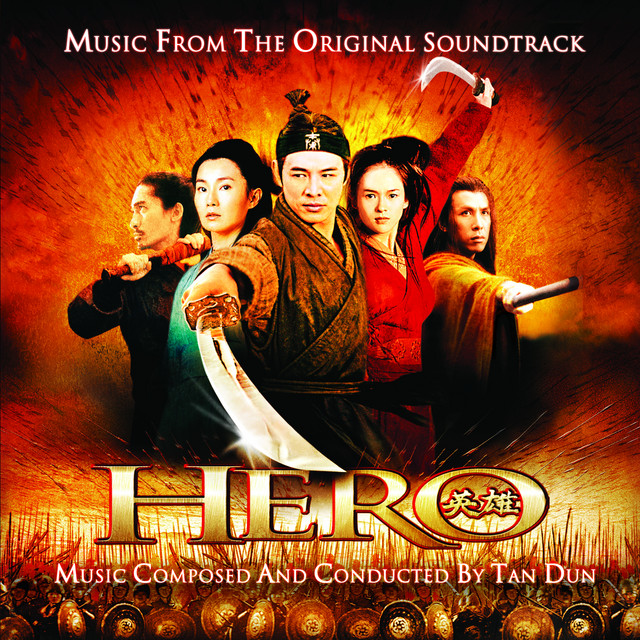
Hero - Music from the Original Soundtrack
Tan Dun
2009
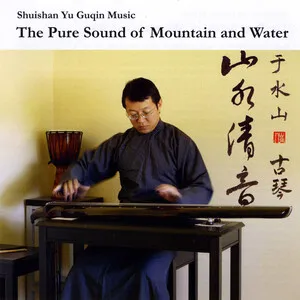
Guqin Music: The Pure Sound of Mountain and Water
Shuishan Yu
1996
Gold Finger: Chinese Guqin
Zeng Chengwei 曾成偉
Download our mobile app
Get the Melodigging app and start digging for new genres on the go
Download on the App Store
Get it on Google Play
© 2026 Melodigging
Give feedback
Legal
Melodding was created as a tribute to
Every Noise at Once
, which inspired us to help curious minds keep digging into music's ever-evolving genres.