Your digging level
Description
Cymraeg is not a single stylistic genre but the umbrella for contemporary music created and performed in the Welsh language across rock, pop, folk, electronic, hip hop, and experimental scenes.
Its defining feature is linguistic and cultural: artists foreground Welsh (Cymraeg) lyrics and identity while drawing freely on broader British and global styles. The result ranges from indie and psych-pop to punk, folk revival, and modern electronic pop, unified by the sound, cadence, and poetic tradition of Welsh.
A strong DIY ethos, regional scenes, and institutions such as Sain Records, Ankst, the Eisteddfod, BBC Radio Cymru, S4C, and the Welsh Music Prize have nurtured a self-sustaining ecosystem that regularly produces acclaimed work and renews the language in contemporary music.
History
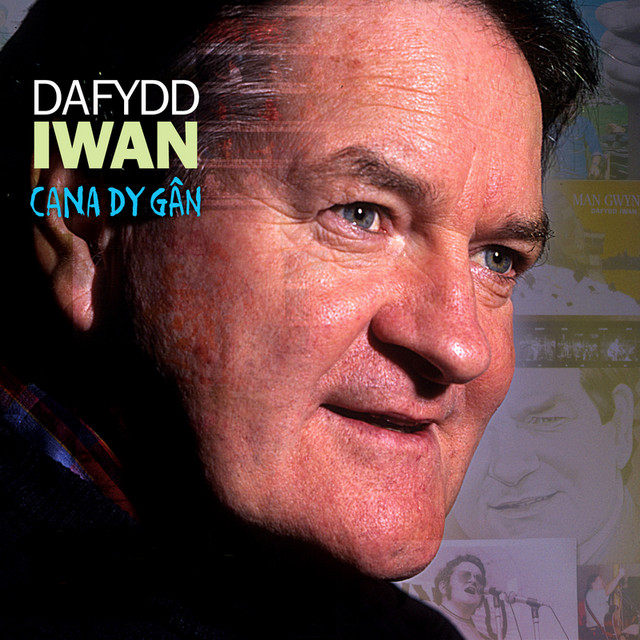
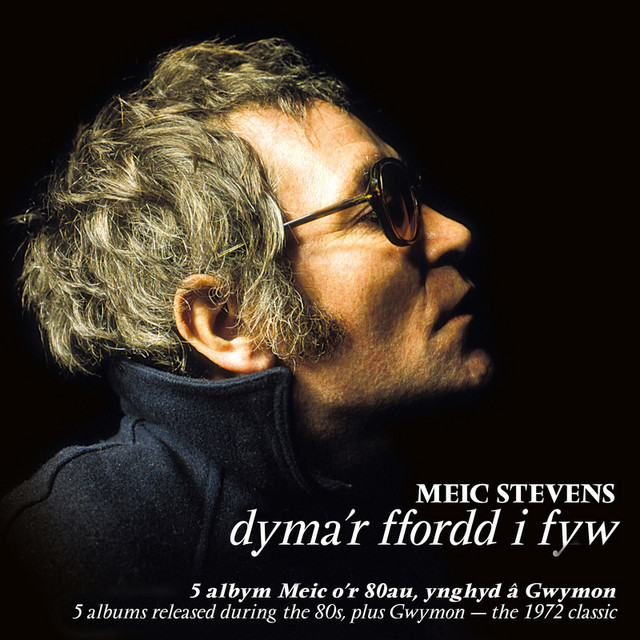
The modern Welsh-language music movement coalesced in the late 1960s alongside language-rights activism and a folk revival. Artists such as Meic Stevens and Dafydd Iwan helped show that Welsh could be a living medium for contemporary song, while Sain Records (founded 1969) provided a dedicated label. BBC Radio Cymru (1977) and the Eisteddfod network amplified the scene.
The 1980s brought post-punk and indie sensibilities into Cymraeg. Bands like Datblygu and Yr Anhrefn pushed experimental, confrontational approaches, proving Welsh could carry cutting-edge rock and alternative forms. The launch of Welsh-language TV channel S4C (1982) expanded exposure, and indie label Ankst championed adventurous releases.
The 1990s “Cool Cymru” moment lifted Welsh acts internationally. Although many mainstream bands sang largely in English, key releases normalized Welsh-language albums in the indie mainstream—most famously Super Furry Animals’ all‑Welsh LP “Mwng” (2000), which charted in the UK. Gorky’s Zygotic Mynci blended psych-pop with Welsh lyrics, influencing a generation of bilingual/monoglot Welsh artists.
Digital distribution, the Sŵn Festival, and the Welsh Music Prize bolstered visibility. Artists such as Gwenno (whose Welsh‑language album “Y Dydd Olaf” drew international praise), Gruff Rhys, 9Bach (BBC Folk Award), and post‑punk outfit Adwaith demonstrated stylistic breadth. A new wave of pop, indie, and hip hop—supported by BBC Radio Cymru and grassroots venues—has kept Cymraeg vibrant and forward-looking, with increasing representation across folk traditions, electronic pop, and rap.