Genres
Make Music
Artists
Albums
Challenges
Sign in
Sign in
Albums
By Jordi Savall
Albums
By Jordi Savall
Villancicos y danzas criollas de la Iberia antigua al Nuevo Mundo (1550-1750)
January 1, 2003
Listen
2
/5
Genres
Latin American Classical Music
Latin American classical music is the concert-music tradition cultivated across the Americas south of (and including parts of) Mexico, drawing on European art-music forms while integrating Indigenous, Afro‑Latin, and criollo musical languages. It encompasses sacred and secular repertoires from the colonial baroque through romantic nationalism, modernism, and contemporary experimental currents. Stylistically, it blends European harmony, counterpoint, and orchestral practice with regional rhythmic cells (sesquiáltera/hemiola, 3‑2/2‑3 clave, malambo, huapango), modal and pentatonic inflections from Andean and Mesoamerican sources, and timbral colors inspired by local instruments and dances. The result ranges from exuberant, rhythmically vital symphonic music to intimate guitar works and choral music suffused with local idioms.
Discover
Listen
Spanish Classical Music
Spanish classical music refers to the art-music tradition created by composers active in Spain from the Renaissance to the present, encompassing sacred polyphony, court and theatrical genres, instrumental idioms for guitar and keyboard, and nationalist currents that elevate regional dance and song types. It is characterized by the coexistence of European common-practice techniques with distinctively Iberian colors: modal inflections (especially the Phrygian flavor), the Andalusian cadence, dance-derived rhythms (fandango, seguidilla, jota, bolero), and an idiomatic centrality of the guitar alongside choirs, keyboard, chamber, and orchestral forces. Across centuries, Spanish composers have contributed both to pan-European classical forms (mass, motet, sonata, concerto, symphony, opera) and to uniquely Spanish hybrids (zarzuela, tonadilla), while absorbing deep historical layers that include medieval chant, Renaissance polyphony, and interactions with Sephardic, Moorish/Andalusian, and folk–flamenco traditions.
Discover
Listen
Villancico
Villancico is an Iberian song form that emerged in late medieval Spain and flourished during the Renaissance and Baroque eras. Originally a secular, vernacular song associated with rural or popular themes, it evolved into a predominantly sacred genre performed in churches and cathedrals—especially around Christmas. Structurally, a villancico typically alternates a recurring refrain (estribillo) with one or more stanzas (coplas), often in lively, dance-like meters. Texts may be in Spanish or Portuguese and sometimes incorporate dialects and topical characters (for example, negrillos, pastorcillos), while the music ranges from simple strophic tunes to richly scored polychoral works with instrumental accompaniment.
Discover
Listen
Similar albums
1956
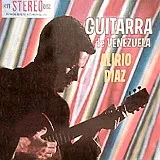
Guitarra de Venezuela
Francisco Tárrega / Alirio Díaz
1994
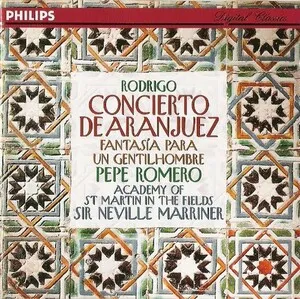
Concierto de Aranjuez; Fantasía para un gentilhombre
Joaquín Rodrigo
1960
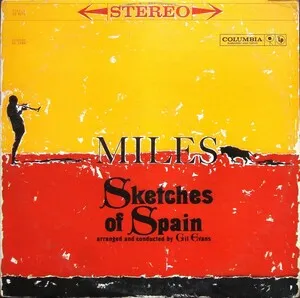
Sketches of Spain
Miles Davis
1995
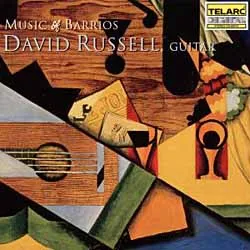
Music of Barrios
Agustín Barrios / David Russell
1999
Misa criolla
Ariel Ramírez / Mercedes Sosa
1998
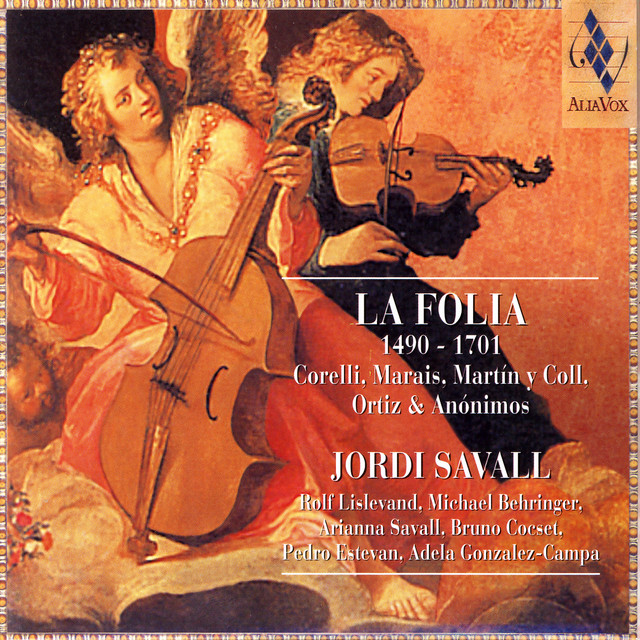
La folia 1490-1701
[anonymous]
2016
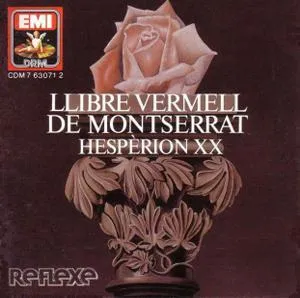
Llibre vermell de Montserrat
[anonymous] / Hespèrion XX
1988
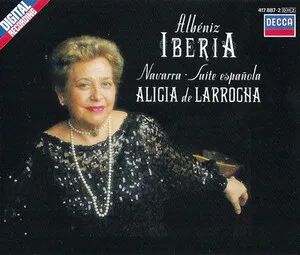
Iberia; Navarra; Suite española
Isaac Albéniz / Alicia de Larrocha
2005
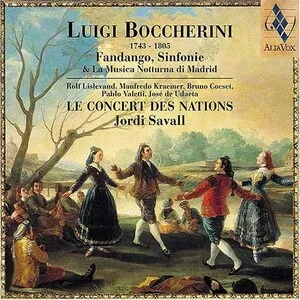
Fandango, Sinfonie & La musica notturna di Madrid
Luigi Boccherini / Le Concert des Nations / Jordi Savall
1988
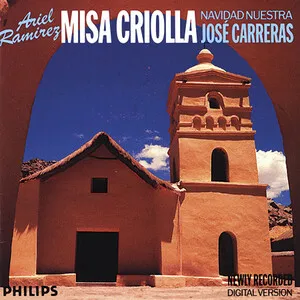
Misa criolla; Navidad nuestra (José Carreras)
Ariel Ramírez
Download our mobile app
Get the Melodigging app and start digging for new genres on the go
Download on the App Store
Get it on Google Play
© 2026 Melodigging
Give feedback
Legal
Melodding was created as a tribute to
Every Noise at Once
, which inspired us to help curious minds keep digging into music's ever-evolving genres.