Genres
Make Music
Artists
Albums
Challenges
Sign in
Sign in
Albums
By Miles Davis
Albums
By Miles Davis
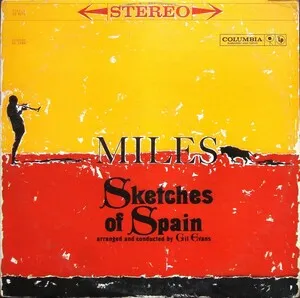
Sketches of Spain
July 18, 1960
Listen
3
/5
Genres
Third Stream
Third stream is a hybrid genre that intentionally merges the languages of jazz and Western classical music. Coined by composer and horn player Gunther Schuller in 1957, the term describes music that is neither "jazz with strings" nor classical music with a swing veneer, but a true synthesis. It typically combines classical forms (such as fugue, theme and variations, or concerto-like structures) and orchestration with jazz harmony, rhythm, and improvisation. The results range from chamber-sized works for jazz combo and string quartet to large pieces for orchestra and jazz soloists. Third stream pieces often alternate between fully notated sections and improvised passages, use counterpoint and extended harmony, and may blend straight and swung time feels within a single work.
Discover
Listen
Modal Jazz
Modal jazz is a style of jazz in which improvisation and composition are organized around musical modes rather than rapid chord changes. Instead of navigating dense harmonic progressions (as in bebop and hard bop), modal jazz often sustains a single scale or a small set of modes for long stretches, creating a spacious, open canvas for melodic development. Hallmarks include slow harmonic rhythm, pedal points or drones, vamp-based forms, and quartal/quintal voicings on piano and guitar. Improvisers focus on color, contour, and motivic variation inside a mode (e.g., Dorian, Mixolydian, Aeolian, Lydian), rather than outlining constant chord substitutions. The sound is typically lyrical, floating, and contemplative, but it can also be turbulent and intense when rhythm section dynamics and modal tension are pushed. Canonical examples include Miles Davis’s Kind of Blue (1959) and John Coltrane’s modal vehicles such as Impressions and My Favorite Things.
Discover
Listen
Jazz
Jazz is an improvisation-centered music tradition that emerged from African American communities in the early 20th century. It blends blues feeling, ragtime syncopation, European harmonic practice, and brass band instrumentation into a flexible, conversational art. Defining features include swing rhythm (a triplet-based pulse), call-and-response phrasing, blue notes, and extended harmonies built on 7ths, 9ths, 11ths, and 13ths. Jazz is as much a way of making music—spontaneous interaction, variation, and personal sound—as it is a set of forms and tunes. Across its history, jazz has continually hybridized, from New Orleans ensembles and big-band swing to bebop, cool and hard bop, modal and free jazz, fusion, and contemporary cross-genre experiments. Its influence permeates global popular and art music.
Discover
Listen
Iberian Music
Iberian music is an umbrella term for the intertwined musical traditions of Spain and Portugal, shaped over centuries by Mediterranean, North African, and European currents. It spans sacred chant and courtly song, rural dance traditions, fado and flamenco, art music inspired by folk idioms, and contemporary fusions. At its core are distinctive rhythmic cycles (such as flamenco compás), modal colors (notably the Phrygian cadence and Hijaz-like inflections), and poetic themes ranging from duende’s raw intensity to fado’s saudade. Guitars (Spanish and Portuguese), clapping (palmas), cajón, castanets, and regional instruments (gaita galega, bandurria, Portuguese guitarra) are central timbral markers. As a cultural matrix rather than a single style, Iberian music both preserves local identities—Andalusian, Galician, Catalan, Alentejano—and continually reinvents itself in dialogue with classical composition, jazz, rock, and electronic music.
Discover
Listen
Spanish Music
Spanish music is an umbrella term for the diverse musical traditions and popular styles that originate in Spain. It spans folkloric and regional idioms (such as flamenco, sevillanas, jota, and Galician, Basque, and Catalan song), urban popular genres (copla, pasodoble, pop, rock), and a rich classical tradition (zarzuela and concert music) shaped by Iberian history. Its sound world is marked by the legacy of Al‑Andalus and the Mediterranean: modal melodies (especially the Phrygian/"Andalusian" color), melismatic singing, intricate clapping (palmas), expressive guitar techniques, castanets, and dance-driven rhythms. At the same time, Spain’s sacred and courtly repertoires (medieval chant, Renaissance and Baroque polyphony) underpin a broader art‑music lineage that culminates in national classical styles of the 19th and 20th centuries. Today the term covers both heritage practices (flamenco cante jondo, regional dances) and contemporary fusions (flamenco pop/urbano, indie, and rock), reflecting Spain’s multilingual cultures and ongoing dialogue with Europe, the Mediterranean, and Latin America.
Discover
Listen
Spanish Classical Music
Spanish classical music refers to the art-music tradition created by composers active in Spain from the Renaissance to the present, encompassing sacred polyphony, court and theatrical genres, instrumental idioms for guitar and keyboard, and nationalist currents that elevate regional dance and song types. It is characterized by the coexistence of European common-practice techniques with distinctively Iberian colors: modal inflections (especially the Phrygian flavor), the Andalusian cadence, dance-derived rhythms (fandango, seguidilla, jota, bolero), and an idiomatic centrality of the guitar alongside choirs, keyboard, chamber, and orchestral forces. Across centuries, Spanish composers have contributed both to pan-European classical forms (mass, motet, sonata, concerto, symphony, opera) and to uniquely Spanish hybrids (zarzuela, tonadilla), while absorbing deep historical layers that include medieval chant, Renaissance polyphony, and interactions with Sephardic, Moorish/Andalusian, and folk–flamenco traditions.
Discover
Listen
Hispanic Music
Hispanic music is an umbrella term for the diverse body of Spanish‑language musical traditions originating in Spain and evolving across the Hispanic world of Latin America and the Caribbean. It encompasses folk, sacred, classical, and popular forms, and today includes everything from flamenco and bolero to salsa, norteño, bachata, rock en español, and reggaetón. Historically, it reflects a multilayered synthesis: Iberian song and dance practices, Catholic liturgical and art‑music lineages, and deep contributions from Indigenous American and West/Central African musics forged during the colonial era. The result is a family of styles united by language but varied in rhythm, instrumentation, and aesthetics, often emphasizing danceable grooves, expressive vocals, and storytelling lyrics.
Discover
Listen
European Music
“European music” is a broad umbrella covering the historical and regional practices that developed across the European continent, from medieval sacred chant and courtly song to folk traditions, art (classical) music, and later popular and electronic styles. Common threads include the codification of staff notation, the development of modal and later tonal harmony, the use of structured forms (e.g., mass, motet, madrigal; sonata, symphony, opera; verse–chorus song), and a rich palette of instruments culminating in the modern orchestra and various regional folk ensembles. While extremely diverse from region to region, European music is marked by a continuous dialogue between sacred and secular practices, learned written traditions and oral folk idioms, and later between art music and mass-market popular genres.
Discover
Listen
Similar albums
2015
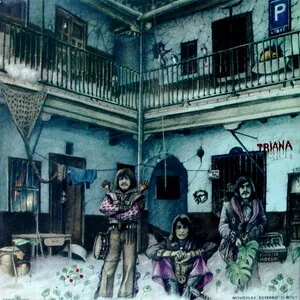
El patio
Triana
1996
Jazz Flamenco Vol. 2
Pedro Iturralde
1976
Almoraima
Paco de Lucía
1998
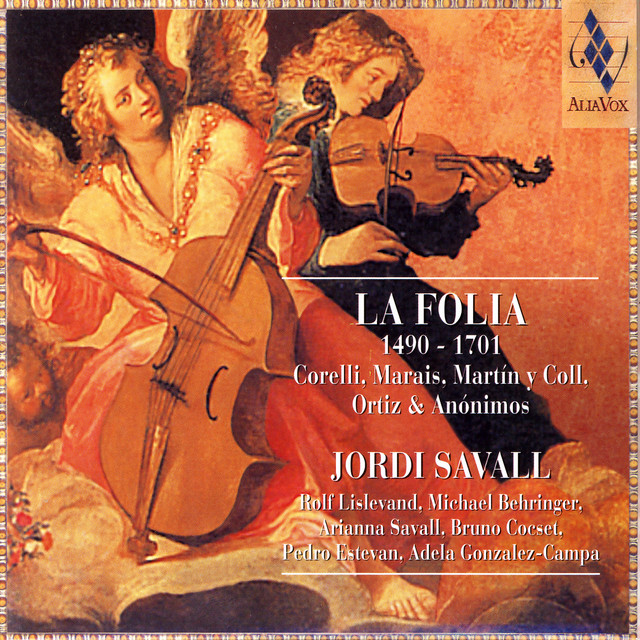
La folia 1490-1701
[anonymous]
1988
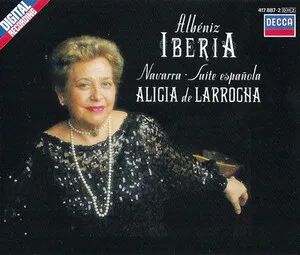
Iberia; Navarra; Suite española
Isaac Albéniz / Alicia de Larrocha
1991
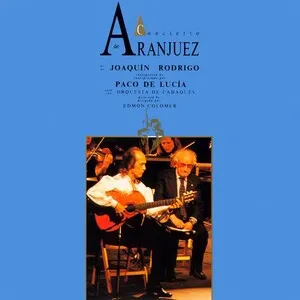
Concierto de Aranjuez
Joaquín Rodrigo / Isaac Albéniz
1973
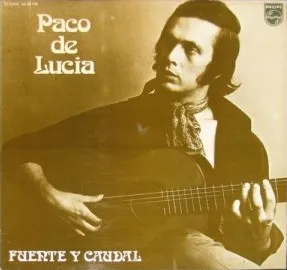
Fuente y caudal
Paco de Lucía
2018
El mal querer
Rosalía
1971
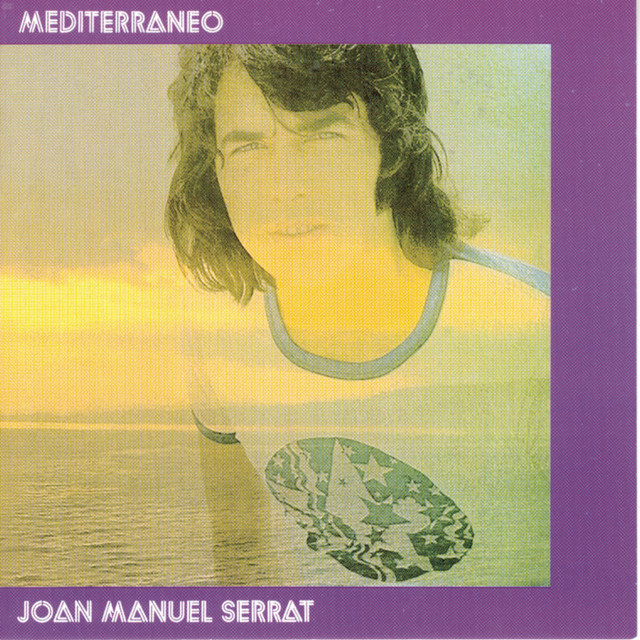
Mediterráneo
Joan Manuel Serrat
1959
Kind of Blue
Miles Davis
Download our mobile app
Get the Melodigging app and start digging for new genres on the go
Download on the App Store
Get it on Google Play
© 2026 Melodigging
Give feedback
Legal
Melodding was created as a tribute to
Every Noise at Once
, which inspired us to help curious minds keep digging into music's ever-evolving genres.