Genres
Make Music
Artists
Albums
Challenges
Sign in
Sign in
Albums
By Jordi Savall
Albums
By Jordi Savall
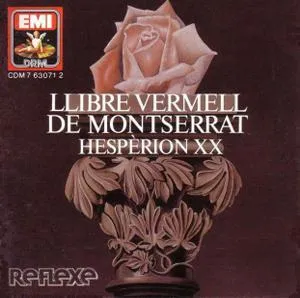
Llibre vermell de Montserrat
December 2, 2016
Listen
2
/5
Genres
Spanish Classical Music
Spanish classical music refers to the art-music tradition created by composers active in Spain from the Renaissance to the present, encompassing sacred polyphony, court and theatrical genres, instrumental idioms for guitar and keyboard, and nationalist currents that elevate regional dance and song types. It is characterized by the coexistence of European common-practice techniques with distinctively Iberian colors: modal inflections (especially the Phrygian flavor), the Andalusian cadence, dance-derived rhythms (fandango, seguidilla, jota, bolero), and an idiomatic centrality of the guitar alongside choirs, keyboard, chamber, and orchestral forces. Across centuries, Spanish composers have contributed both to pan-European classical forms (mass, motet, sonata, concerto, symphony, opera) and to uniquely Spanish hybrids (zarzuela, tonadilla), while absorbing deep historical layers that include medieval chant, Renaissance polyphony, and interactions with Sephardic, Moorish/Andalusian, and folk–flamenco traditions.
Discover
Listen
Medieval Classical Music
Medieval classical music refers to the body of sacred and secular art music created in Europe from roughly the 5th to the late 15th centuries. It encompasses the Christian chant traditions of the early Middle Ages, the emergence of notated polyphony in the High Middle Ages, and the rhythmically and formally sophisticated Ars Nova of the 14th century. At its core are modal melodies (church modes), primarily vocal textures, and a gradual evolution from monophony (single melodic line) to increasingly complex polyphony. Notation develops from adiastematic neumes to staff-based pitch notation and, later, mensural systems that codify rhythm. Characteristic sonorities emphasize perfect consonances (octaves, fifths, and fourths), with triadic harmony only beginning to coalesce near the end of the period. Though rooted in the liturgy (Mass, Office, and Latin song), the era also nurtured rich vernacular traditions—troubadours, trouvères, Minnesänger—and instrumental practices on harp, vielle, recorder, lute, and organ. The period laid the foundational techniques, theories, and repertories that define the entire subsequent Western classical tradition.
Discover
Listen
Similar albums
2009
Cantigas de Santa Maria: Strela do dia
Alfonso X "El Sabio"
2004
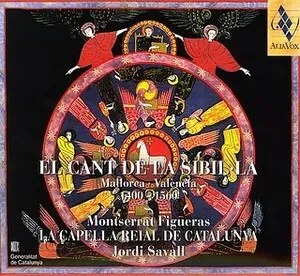
El cant de la Sibil·la: Mallorca/València 1400–1560
[anonymous]
1995
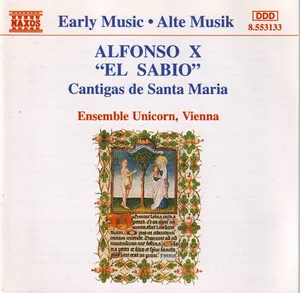
Cantigas de Santa Maria
Alfonso X "El Sabio" / Ensemble Unicorn
2006
Le chant des Templiers
Ensemble Organum / Marcel Pérès
1994
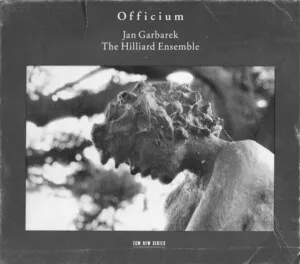
Officium
Cristóbal de Morales, Jan Garbarek & The Hilliard Ensemble
1994
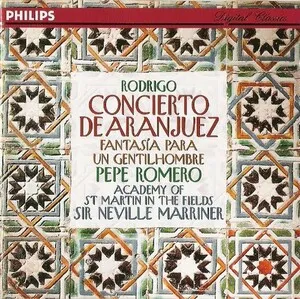
Concierto de Aranjuez; Fantasía para un gentilhombre
Joaquín Rodrigo
1960
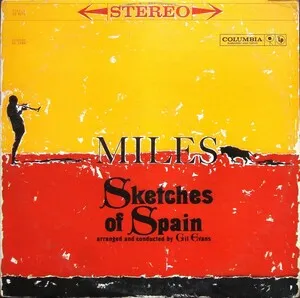
Sketches of Spain
Miles Davis
1998
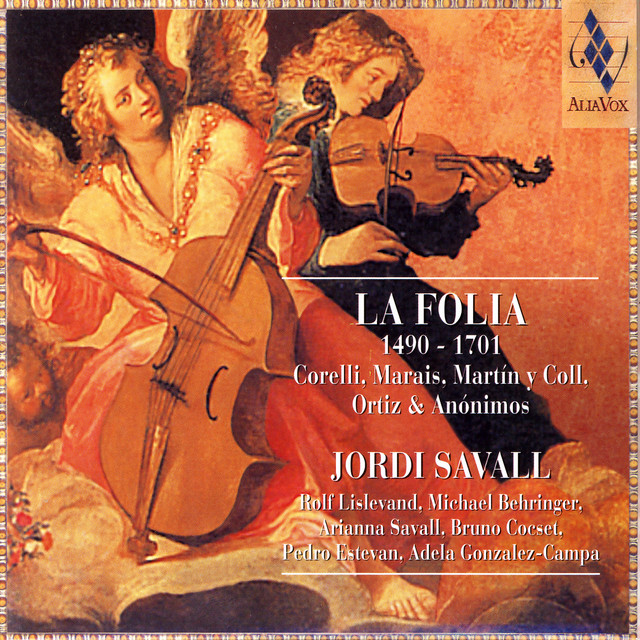
La folia 1490-1701
[anonymous]
1994
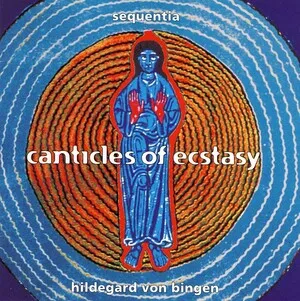
Canticles of Ecstasy
Hildegard von Bingen / Sequentia
1988
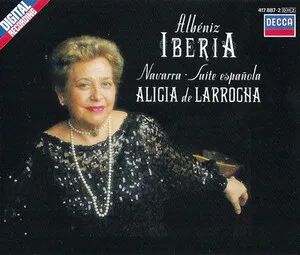
Iberia; Navarra; Suite española
Isaac Albéniz / Alicia de Larrocha
Download our mobile app
Get the Melodigging app and start digging for new genres on the go
Download on the App Store
Get it on Google Play
© 2026 Melodigging
Give feedback
Legal
Melodding was created as a tribute to
Every Noise at Once
, which inspired us to help curious minds keep digging into music's ever-evolving genres.