Genres
Make Music
Artists
Albums
Challenges
Sign in
Sign in
Albums
By Traditional
Albums
By Traditional
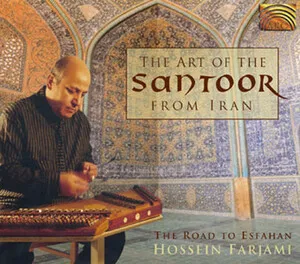
The Art of the Santoor from Iran - the Road to Esfahan
January 1, 2001
Listen
1
/5
Genres
Persian Folk Music
Persian folk music refers to the diverse local song and dance traditions of Iran’s Persian‑speaking heartland and adjacent Iranian cultural regions, preserved mainly through oral transmission. It is strongly modal, uses microtonal inflections (koron and sori), and favors heterophonic textures where multiple instruments/voices ornament the same melody together. Typical forms are strophic songs, narrative ballads, dance tunes, lullabies, work songs, and spiritual/devotional pieces. Instrumentation varies by region but commonly includes voice with tahrir (ornamented melisma), long‑necked lutes (dotar, setar, tar, tanbur), bowed kamancheh, santur, ney, and regional winds (sorna/zirna, ney‑anban). Percussion such as daf, tombak, dohol, dayereh, and dammam underpins dance meters—especially 6/8—alongside additive meters like 5/8 and 7/8. While related to the courtly/classical dastgāh tradition, Persian folk repertories keep distinctive local maqams, rhythms, dialects, and poetic forms (from ghazal‑like love lyrics to epic and ritual texts), making them essential to Iran’s cultural identity.
Discover
Listen
Persian Classical
Persian classical (musiqi-e asil) is the art-music tradition of Iran centered on the modal system called dastgāh and its body of canonical melodies known as the radif. Performances are typically intimate and improvisation-forward, unfolding through a succession of gusheh (short melodic pieces) within a dastgāh, guided by recognizable cadential gestures (forud) and a central tone (shāhed). Its sound world features nuanced microtonal inflections using koron (lowered) and sori (raised) accidentals, fluid rhythmic freedom in avāz (non-metric improvisation), and contrasting metered forms like pishdarāmad, chahārmezrāb, tasnif (song), and reng (dance). Core instruments include tar, setar, kamancheh, santur, ney, and tombak (tonbak), with the human voice employing elaborate ornaments (tahrir). The repertoire draws on classical Persian poetry (Hafez, Rumi, Saadi), creating a contemplative, mystical, and deeply expressive aesthetic.
Discover
Listen
Similar albums
2007
The Endless Ocean
Dastan Ensemble گروه دستان & Salar Aghili سالار عقیلی
2012
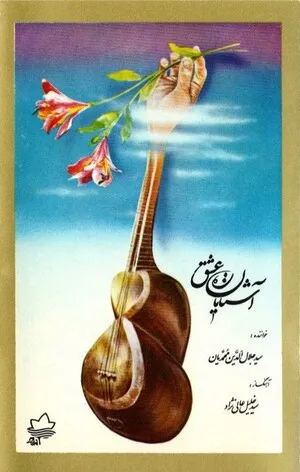
Ashnayane Rahe Eshgh
Seyed Jalaleddin Mohammadian جلال الدّین محمّدیان & Seyed Khalil Alinejad سید خ…
2018
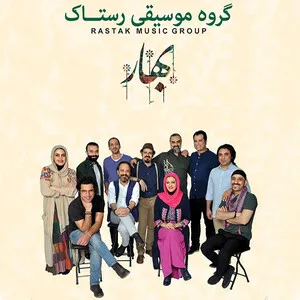
بهار [Bahar]
Rastak رستاک
2005
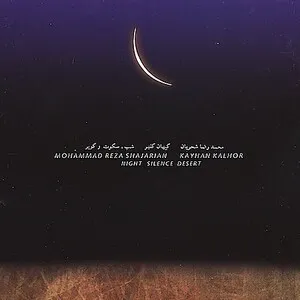
Night Silence Desert
Mohammad Reza Shajarian محمدرضا شجریان & Kayhan Kalhor
2012
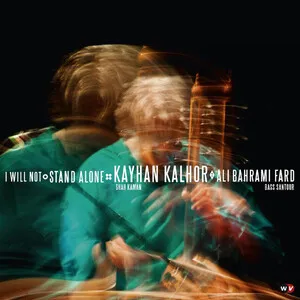
I Will Not Stand Alone
Kayhan Kalhor & Ali Bahrami Fard
2023
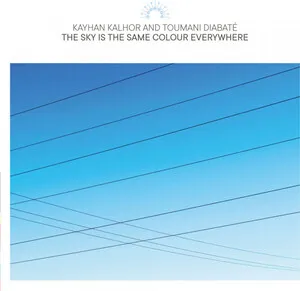
The Sky Is the Same Colour Everywhere
Kayhan Kalhor & Toumani Diabaté
2019
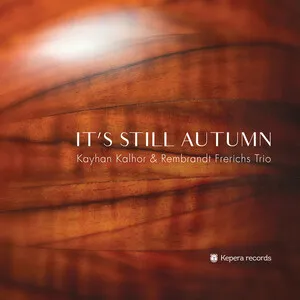
It's Still Autumn
Kayhan Kalhor & Rembrandt Frerichs Trio
2013
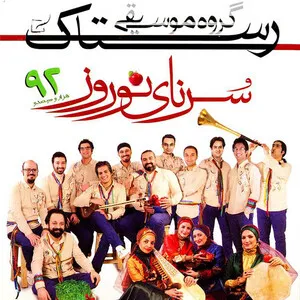
Sornaye Nowruz
Rastak رستاک
2013
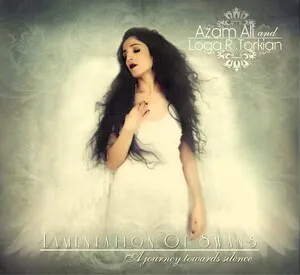
Lamentation of Swans: A Journey Towards Silence
Azam Ali & Loga R. Torkian
2006
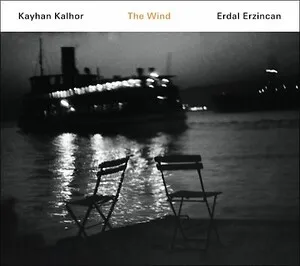
The Wind
Kayhan Kalhor & Erdal Erzincan
Download our mobile app
Get the Melodigging app and start digging for new genres on the go
Download on the App Store
Get it on Google Play
© 2026 Melodigging
Give feedback
Legal
Melodding was created as a tribute to
Every Noise at Once
, which inspired us to help curious minds keep digging into music's ever-evolving genres.