Genres
Make Music
Artists
Albums
Challenges
Sign in
Sign in
Albums
By Traditional
Albums
By Traditional
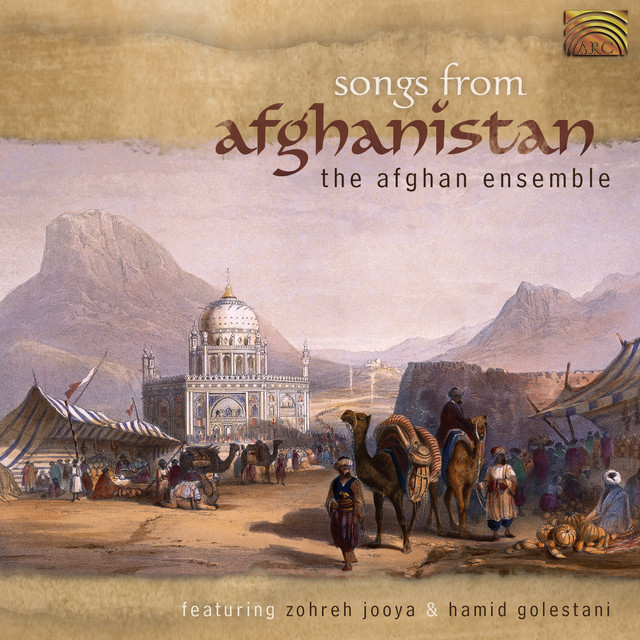
Songs from Afghanistan
January 1, 2003
Listen
1
/5
Genres
Ghazal
Ghazal is a South Asian light-classical vocal genre built around the Urdu–Persian poetic form of the same name. It sets couplets (sher) that share a rhyme (qaafiya) and refrain (radif), often opening with a matla and ending with a maqta featuring the poet’s takhallus. Themes revolve around love, longing, separation, metaphysical yearning, and refined wit. Musically, ghazal draws on Hindustani classical grammar but prioritizes text clarity and melodic expressiveness over elaborate improvisation. Performances commonly feature a singer accompanied by harmonium and tabla (with sarangi, sitar, or guitar as color), use raga-informed melodies, and keep lilting tala cycles such as dadra (6 beats) or keherwa (8 beats). The style favors intimate delivery, subtle ornamentation (meend, murki), and immaculate diction, making it ideal for salon (mehfil) settings as well as recorded and film music.
Discover
Listen
Pashto Folk Music
Pashto folk music is the traditional musical expression of the Pashtun people, centered in the mountainous regions of present-day Afghanistan and northwestern Pakistan. It is an oral, community-based tradition in which poetry and music are inseparable, celebrating love, honor (nang), homeland, tribal history, and everyday life. The sound is defined by the resonant, percussive timbre of the rubab (Afghan lute) and a battery of hand and frame drums—dhol, dholak, tabla, and zerbaghali—often joined by harmonium, surnai/shehnai (double-reed), and wooden flutes. Vocals are highly expressive and ornamented, moving within modal frameworks akin to regional maqam/dastgāh and Hindustani raga practice. Core folk forms include the ancient two-line tappa/landay couplet, narrative ballads (charbeta/badala), wedding and women’s songs, lullabies (neemakai), and dance music for the communal attan, which gradually accelerates to ecstatic intensity.
Discover
Listen
Central Asian Folk
Central Asian folk is a broad family of traditional musics from the steppes and oases of modern Uzbekistan, Kazakhstan, Kyrgyzstan, Tajikistan, Turkmenistan, and the Uyghur region. It blends nomadic bardic traditions with urban courtly repertoires that developed along Silk Road trade routes. Characteristic timbres come from long‑necked lutes (dutar, tanbur, dombra), bowed spike fiddles (ghijak/kamancha), jaw harps (temir komuz), frame drums (doira/dap) and end‑blown flutes (surnai/nay). Melodies are highly ornamented and often modal (maqam/muqam), while steppe styles favor pentatonic and heptatonic pitch collections and drone‑based textures. Rhythms can be fluid and rubato in epic recitation, or dance‑like with asymmetric meters (5/8, 7/8, 10/8) in festive music. Forms range from extended suites (Shashmaqam, Muqam) to instrumental tone‑poems (Kazakh kui), devotional songs (zikr‑related repertoires), and vast oral epics like the Kyrgyz Manas. Performance practice emphasizes heterophony, call‑and‑response, melisma, and storytelling.
Discover
Listen
Similar albums
2000
Memories of Herat: Instrumental Music of Afghanistan
Aziz Herawi
1992
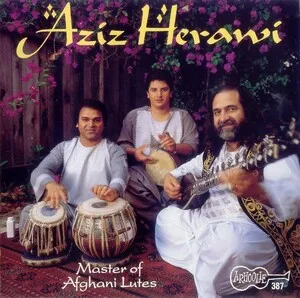
Master of Afghani Lutes
Aziz Herawi
2007
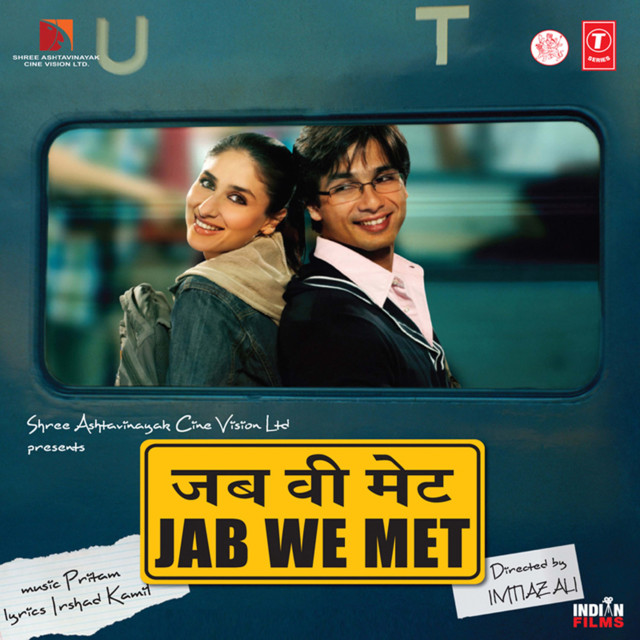
Jab We Met
Pritam
1992
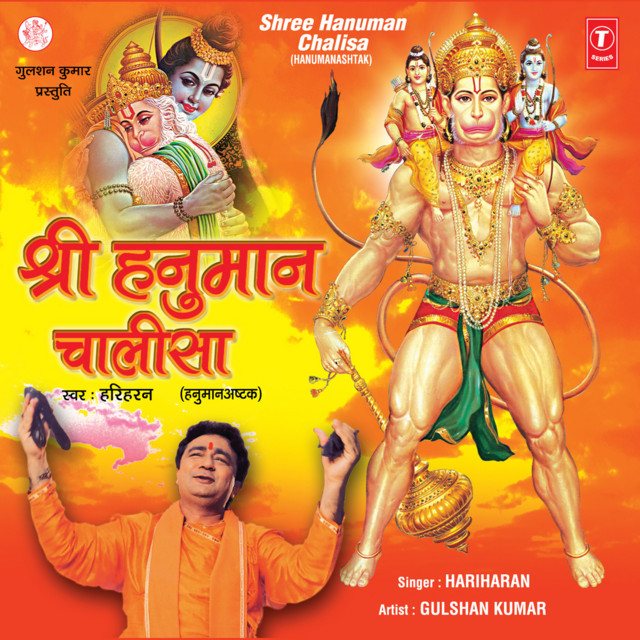
Shree Hanuman Chalisa (Hanuman Ashtak)
Hariharan, Lahiri, Bappi, Laxmikant Pyarelal, Anand-Milind, Burman, Rahul Dev,…
1995
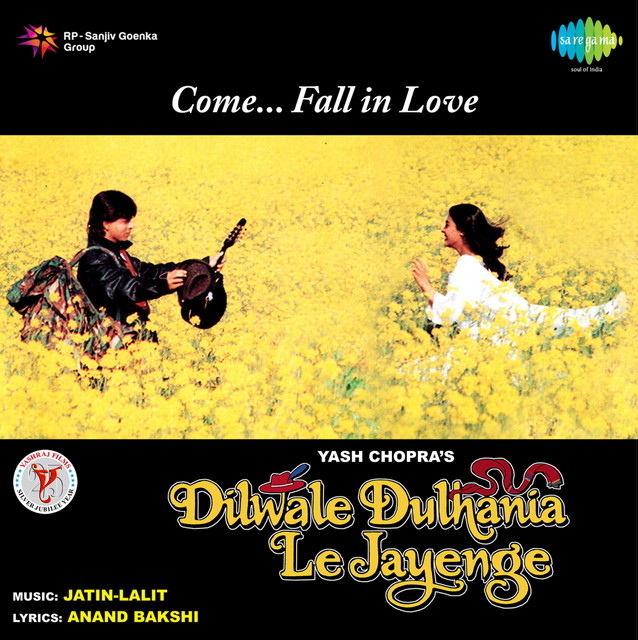
Dilwale Dulhania Le Jayenge
Lata Mangeshkar
2015
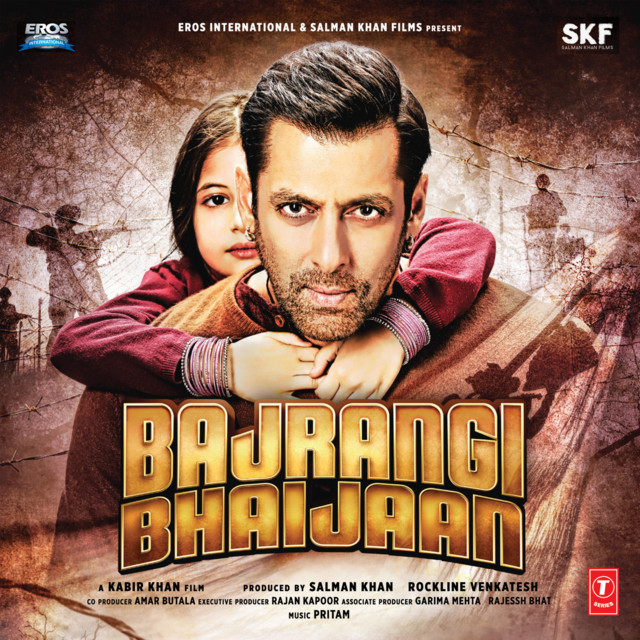
Bajrangi Bhaijaan
Jubin Nautiyal
2025
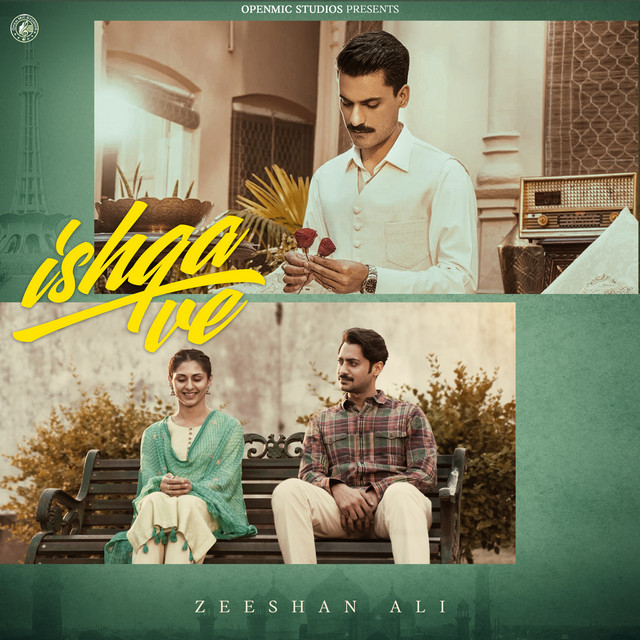
Ishqa Ve
Zeeshan Ali
2009
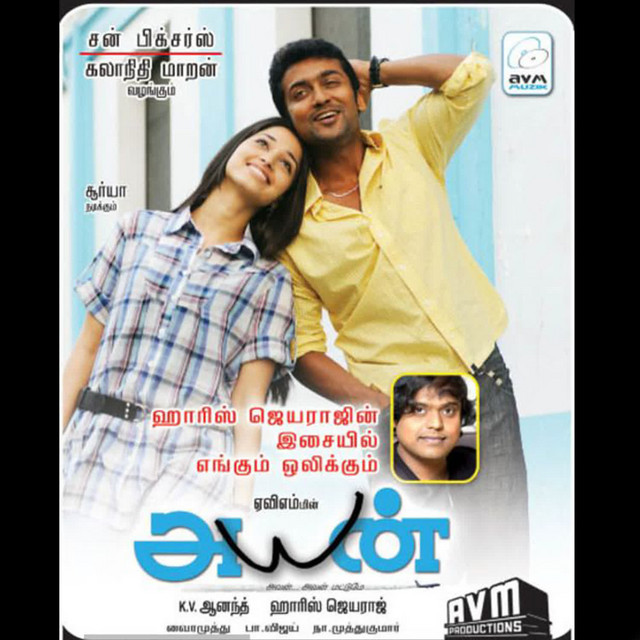
Ayan
Hariharan
2010
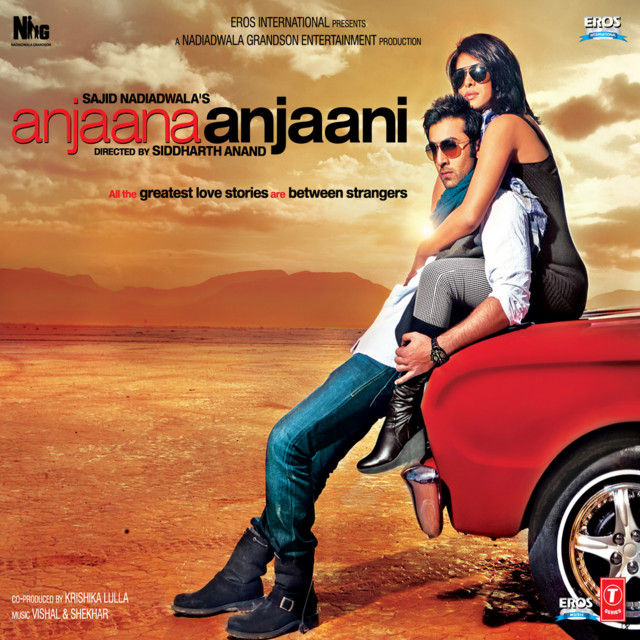
Anjaana Anjaani
Rahat Fateh Ali Khan
1993
Saajan (Original Motion Picture Soundtrack)
Anuradha Paudwal
Download our mobile app
Get the Melodigging app and start digging for new genres on the go
Download on the App Store
Get it on Google Play
© 2026 Melodigging
Give feedback
Legal
Melodding was created as a tribute to
Every Noise at Once
, which inspired us to help curious minds keep digging into music's ever-evolving genres.