Genres
Make Music
Artists
Albums
Challenges
Sign in
Sign in
Albums
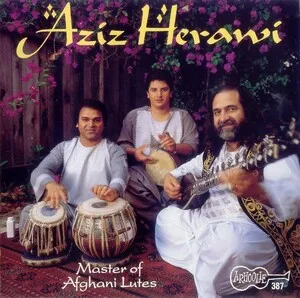
By Aziz Herawi
Albums
By Aziz Herawi
Master of Afghani Lutes
1992
Listen
1
/5
Genres
Klasik
Klasik is the classical music tradition of Afghanistan. It encompasses both instrumental forms and vocal genres such as the Persian ghazal, rendered within raga- and tala-based frameworks adapted to Afghan aesthetics. Shaped at the royal court in Kabul—especially after Indian ustads arrived in the 1860s at the invitation of Amir Sher Ali Khan—klasik sits at a cultural crossroads. Its melodic language draws on North Indian (Hindustani) raga practice while absorbing Persian modal sensibilities and local ornamentation. Typical ensembles feature rubab (the Afghan national lute), dutar or tanbur, bowed instruments (ghichak), harmonium, and tabla, with vocalists singing in Dari (Persian) and Pashto. Klasik performances balance composed material with improvisation: alap-like introductions, fixed compositions (bandish or ghazal couplets), sargam/taans, and extended rhythmic elaboration in talas such as tintal (16), keherwa (8), dadra (6), ektal (12), and rupak (7). The result is an intimate, lyrical art music that bridges courtly refinement, Sufi-inflected poetry, and Afghan instrumental virtuosity.
Discover
Listen
Ghazal
Ghazal is a South Asian light-classical vocal genre built around the Urdu–Persian poetic form of the same name. It sets couplets (sher) that share a rhyme (qaafiya) and refrain (radif), often opening with a matla and ending with a maqta featuring the poet’s takhallus. Themes revolve around love, longing, separation, metaphysical yearning, and refined wit. Musically, ghazal draws on Hindustani classical grammar but prioritizes text clarity and melodic expressiveness over elaborate improvisation. Performances commonly feature a singer accompanied by harmonium and tabla (with sarangi, sitar, or guitar as color), use raga-informed melodies, and keep lilting tala cycles such as dadra (6 beats) or keherwa (8 beats). The style favors intimate delivery, subtle ornamentation (meend, murki), and immaculate diction, making it ideal for salon (mehfil) settings as well as recorded and film music.
Discover
Listen
Pashto Folk Music
Pashto folk music is the traditional musical expression of the Pashtun people, centered in the mountainous regions of present-day Afghanistan and northwestern Pakistan. It is an oral, community-based tradition in which poetry and music are inseparable, celebrating love, honor (nang), homeland, tribal history, and everyday life. The sound is defined by the resonant, percussive timbre of the rubab (Afghan lute) and a battery of hand and frame drums—dhol, dholak, tabla, and zerbaghali—often joined by harmonium, surnai/shehnai (double-reed), and wooden flutes. Vocals are highly expressive and ornamented, moving within modal frameworks akin to regional maqam/dastgāh and Hindustani raga practice. Core folk forms include the ancient two-line tappa/landay couplet, narrative ballads (charbeta/badala), wedding and women’s songs, lullabies (neemakai), and dance music for the communal attan, which gradually accelerates to ecstatic intensity.
Discover
Listen
South Asian Folk Music
South Asian folk music is an umbrella term for the village- and community-rooted song and dance traditions of the Indian subcontinent, including present-day India, Pakistan, Bangladesh, Nepal, and Sri Lanka. It is characterized by orally transmitted melodies, strophic song forms, participatory call-and-response, and region-specific rhythms, instruments, and languages. While distinct from the codified classical systems, it often borrows ragas, drones, and tala-like cycles, translating them into everyday, ceremonial, and seasonal contexts such as harvests, weddings, religious festivals, and storytelling. Typical timbres include the twang of the ektara and dotara, the buzzing reeds of the shehnai and algoza, the resonant dhol and dholak, and the expressive voice supported by harmonium and drone. Themes range from spiritual devotion (Bhakti and Sufi poetry) to love, labor, migration, satire, and nature, with performances designed for dancing, communal bonding, and ritual.
Discover
Listen
Central Asian Music
Central Asian music is a broad family of traditions shared across the Silk Road heartlands—today’s Uzbekistan, Tajikistan, Kazakhstan, Kyrgyzstan, and Turkmenistan, with strong ties to Uyghur, Pamiri, and other regional cultures. It blends Turkic nomadic song and epic recitation with Persianate courtly repertoire and Islamic modal theory, producing rich vocal melismas, intricate modal (maqom/maqam) systems, and cyclical rhythms (usul). Instrumentation centers on long‑necked lutes (dutar, tanbur, komuz, dombra), bowed fiddles (ghijak/kamancheh, qobyz), frame drums (doira/doyra), reed and woodwind instruments (surnay, nai), and zither or harp relatives (chang). Stylistically, it spans refined urban suites such as Shashmaqam to nomadic epic performance (akyn/jyrau/manaschi), wedding dance music driven by doira patterns, and intimate lyrical songs. Its timbral palette favors resonant plucked strings, bright double‑reed leads, and expressive, ornamented vocals.
Discover
Listen
Similar albums
2000
Memories of Herat: Instrumental Music of Afghanistan
Aziz Herawi
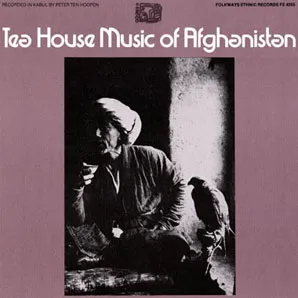
1977
Tea House Music of Afghanistan
2002
Cry of the Mountains
Aziz Herawi
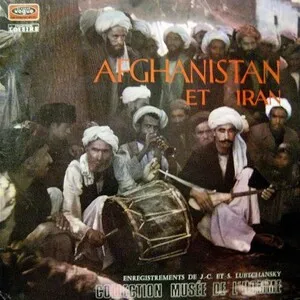
1957
Afghanistan et Iran
Jean-Claude Lubtchansky / S. Lubtchansky
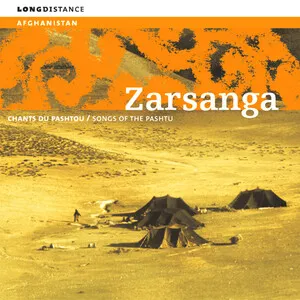
1995
Chants du Pashtou / Songs of the Pashtu
Zarsanga زرسانګه
2016
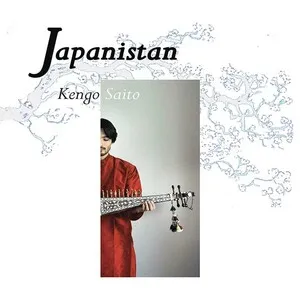
Japanistan
Kengo Saito
2003
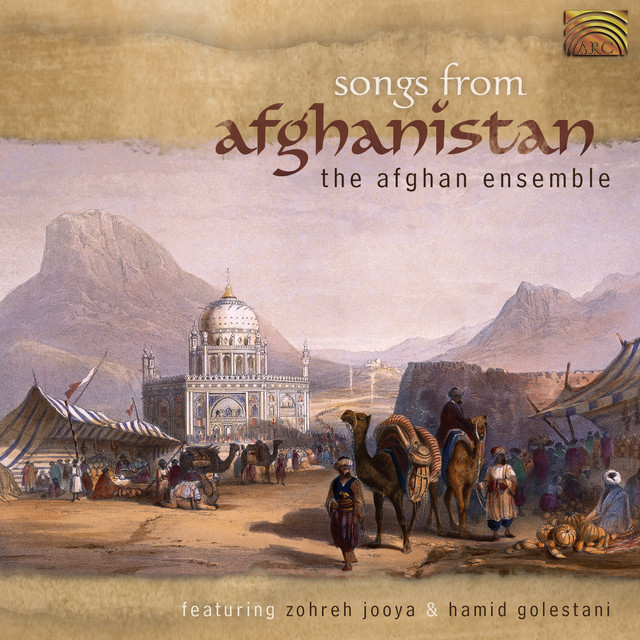
Songs from Afghanistan
The Afghan Ensemble
2007
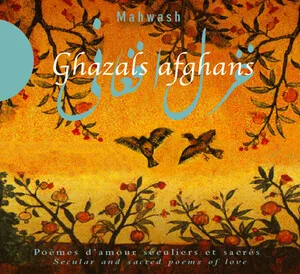
Ghazals Afghans
Mahwash
2007
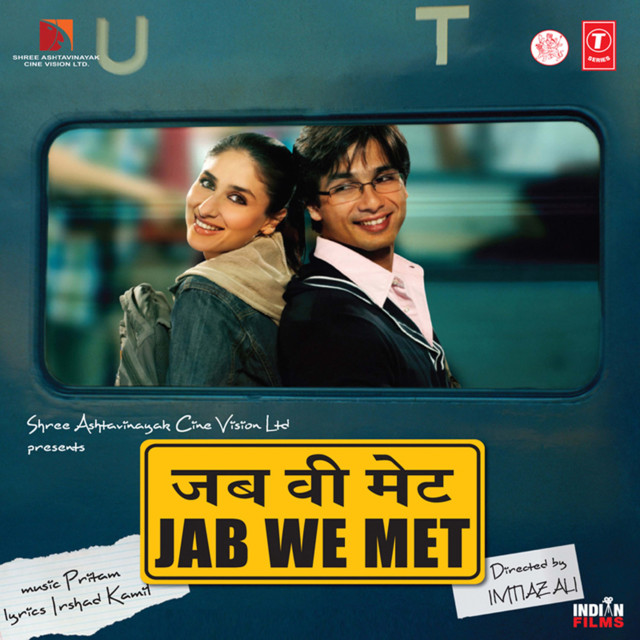
Jab We Met
Pritam
1992
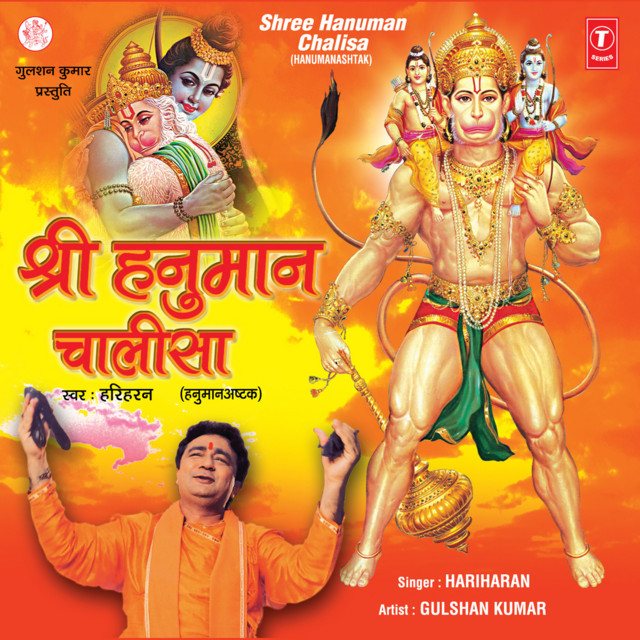
Shree Hanuman Chalisa (Hanuman Ashtak)
Hariharan, Lahiri, Bappi, Laxmikant Pyarelal, Anand-Milind, Burman, Rahul Dev,…
Download our mobile app
Get the Melodigging app and start digging for new genres on the go
Download on the App Store
Get it on Google Play
© 2026 Melodigging
Give feedback
Legal
Melodding was created as a tribute to
Every Noise at Once
, which inspired us to help curious minds keep digging into music's ever-evolving genres.