South Asian folk music is an umbrella term for the village- and community-rooted song and dance traditions of the Indian subcontinent, including present-day India, Pakistan, Bangladesh, Nepal, and Sri Lanka.
It is characterized by orally transmitted melodies, strophic song forms, participatory call-and-response, and region-specific rhythms, instruments, and languages. While distinct from the codified classical systems, it often borrows ragas, drones, and tala-like cycles, translating them into everyday, ceremonial, and seasonal contexts such as harvests, weddings, religious festivals, and storytelling.
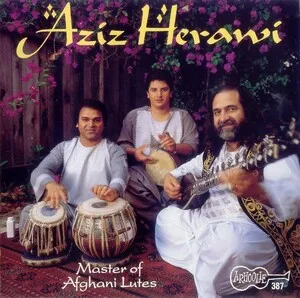
Typical timbres include the twang of the ektara and dotara, the buzzing reeds of the shehnai and algoza, the resonant dhol and dholak, and the expressive voice supported by harmonium and drone. Themes range from spiritual devotion (Bhakti and Sufi poetry) to love, labor, migration, satire, and nature, with performances designed for dancing, communal bonding, and ritual.