Your digging level
Description
Kurdish remix refers to dance‑oriented reworks that fuse Kurdish folk melodies, dance rhythms (often from halay/dîlan traditions), and timbres (saz/tembûr, daf, davul, zurna) with contemporary electronic production—house, techno, trap and related club idioms. The result is a high‑energy, bass‑forward sound that keeps the cyclic, modal character of Kurdish tunes while translating them for clubs, weddings, and social media.
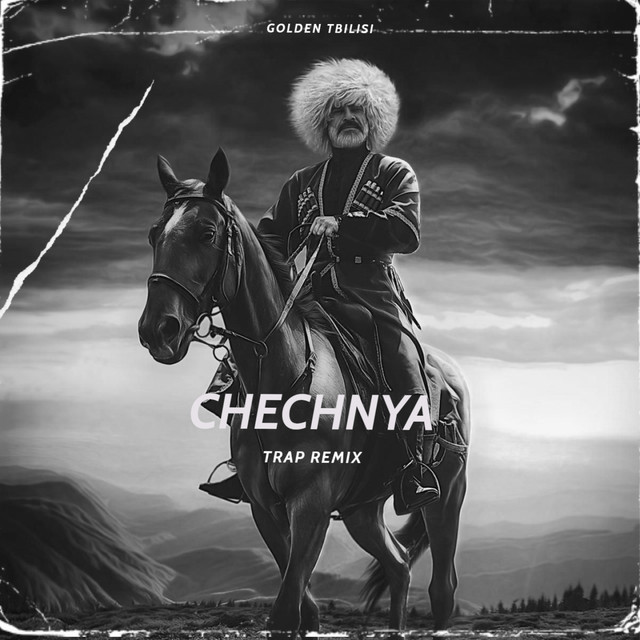
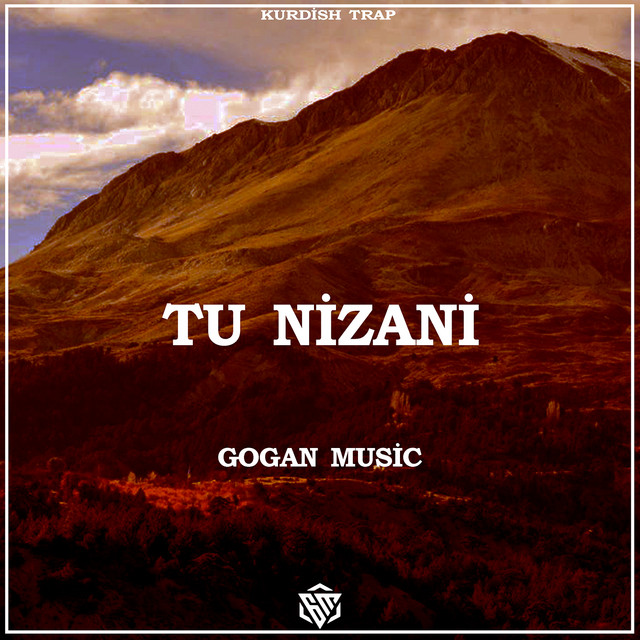
The style grew online via SoundCloud/YouTube playlists labelled “Kurdish Trap/Remix” and later entered mainstream DSPs, where dedicated artists and DJ accounts issue steady singles and “modern covers.” Typical tracks loop folkloric vocal lines or saz riffs over 4/4 kicks or half‑time 808s, add build‑ups/drops, and keep a communal, call‑and‑response feel suited to line dances.
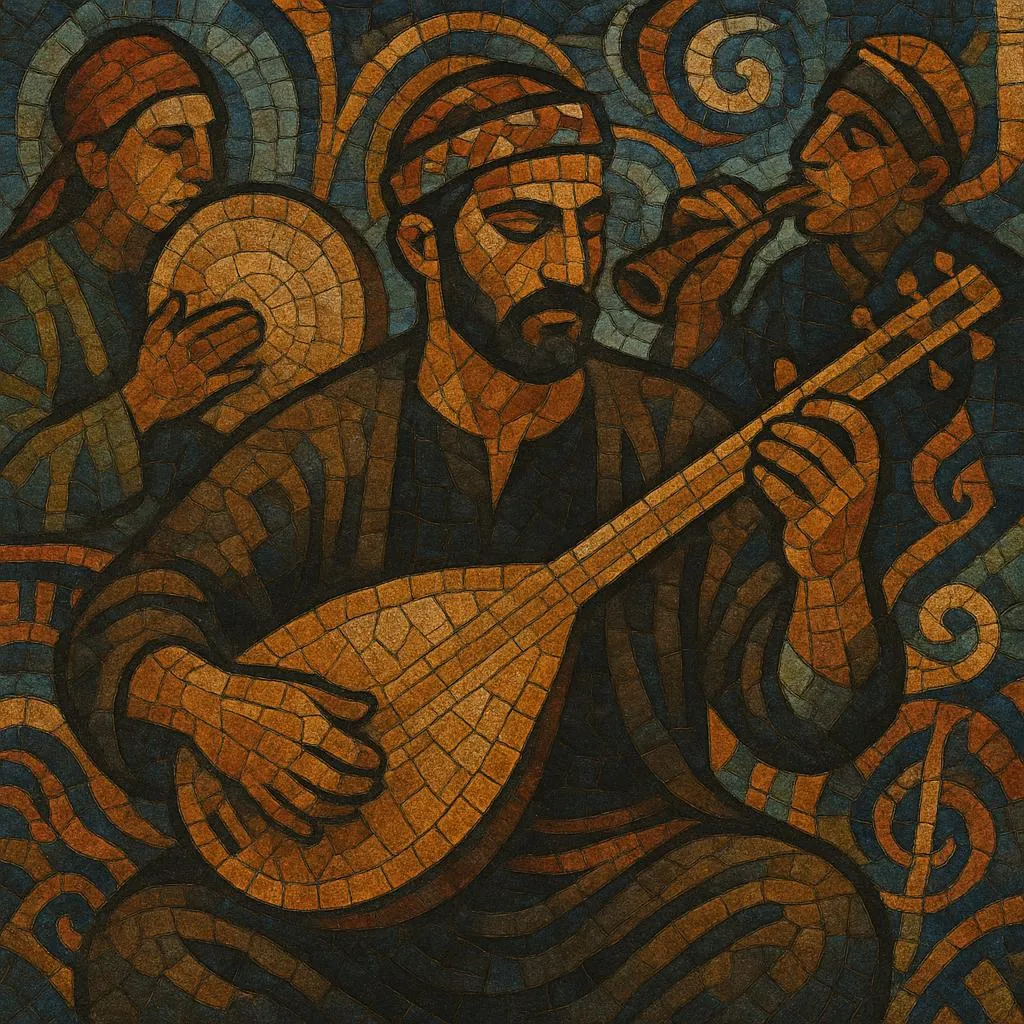
Instruments such as the tembûr (tanbūr) and frame‑drum daf remain touchstones—even when emulated with synths—while halay’s accelerating, pulse‑driven phrasing informs the groove. The genre sits within a wider West Asian club current that includes dabke‑techno and Turkish/Arab electronic hybrids.
History
Kurdish remix inherits cyclic melodies and social dance functions from Kurdish folk practice. Halay/dîlan line‑dances (played historically on zurna and davul) provide the kinetic blueprint, while instruments like the tembûr (saz family) and daf supply modal and timbral references.
By the mid‑to‑late 2010s, Kurdish‑titled “trap/remix/techno” sets proliferated on SoundCloud and YouTube. These uploads—often reworking classic folk songs into bass‑heavy formats—helped consolidate a naming convention (“Kurdish Remix/Trap”) and a shared production vocabulary among bedroom producers and wedding DJs across Turkey, Iraq, Iran, and the diaspora.
In the 2020s, the style’s footprint expanded on major DSPs: artists such as Dj Halay Remix released steady “Kurdish Folk / Modern Cover” singles; playlists dedicated to “The Sound of Kurdish Remix” highlighted trap, drill and EDM crossovers by producers like Beyto Beats, SORE BEATZ, and others. Meanwhile, Erbil’s nightlife documented a shift toward DJ‑led sets mixing Western/Arabic/Kurdish material, situating remix culture within Kurdistan Region club spaces.
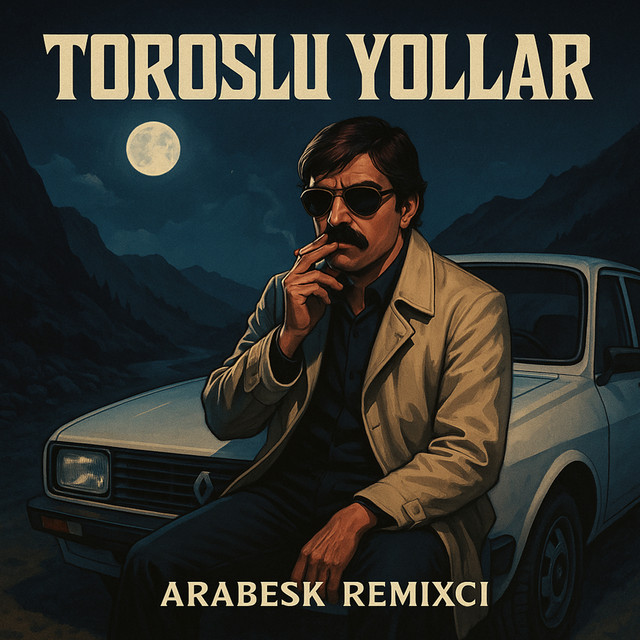
The rise of Levantine/Anatolian electronic fusions (e.g., dabke‑techno) brought global attention to dance styles from Kurdish geographies; high‑profile releases connected to Erbil underscored the club‑readiness of local rhythms and timbres. Kurdish remix circulates within this ecosystem while foregrounding Kurdish repertoire and identity.