Genres
Artists
Albums
Make Music
Sign in
Sign in
Artists
Deconstructed Club
Artists
Deconstructed Club
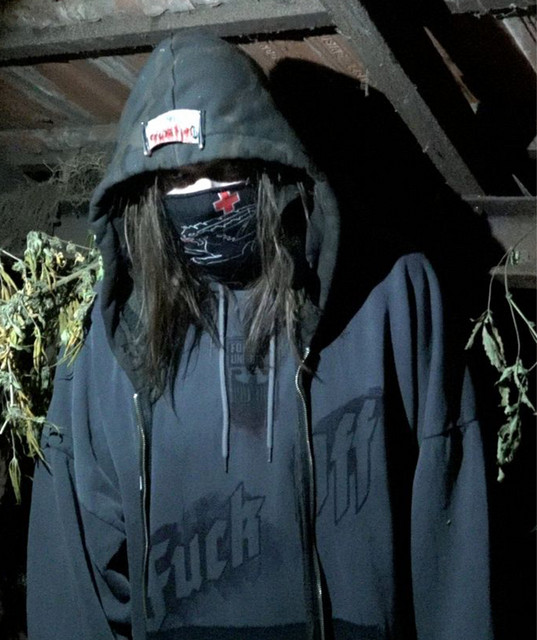
Varg²™
Listen
3
/5
Genres
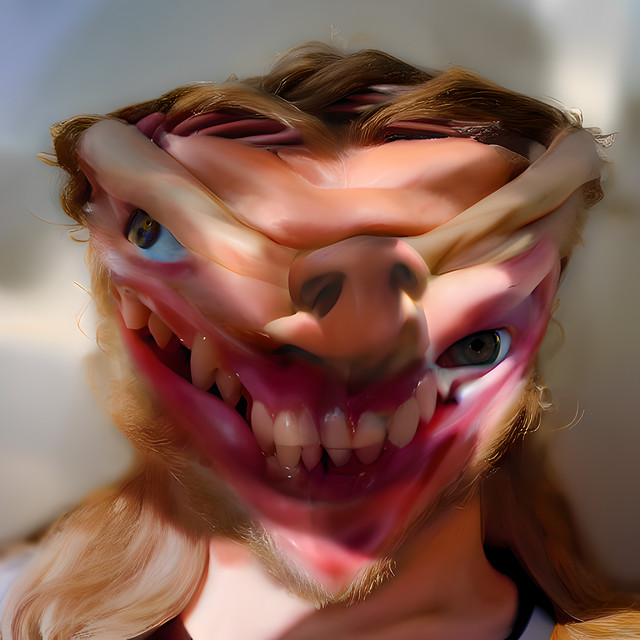
Mandible
Mandible is an internet-born, experimental microgenre whose name evokes the jawbone: brittle, gnashing, and percussive. Producers lean into harsh, dental-adjacent foley (tooth clicks, jaw pops, bone-like clacks) and metallic scrapes, arranging them over lurching trap-derived beats and sub-heavy sound design. Aesthetically, it sits at the intersection of industrial noise, deconstructed club, and dark trap: distorted transients, granular glitches, sudden drop-outs, and unsettling ASMR-adjacent close‑mic textures. Harmony tends to be sparse or atonal, with drones and dissonant clusters used more for atmosphere than for functional progression. The result is club-adjacent music that feels physical and tactile—like rhythm sculpted from mouth and bone.
Discover
Listen
Future Riddim
Future riddim is a melodic, chord-forward offshoot of riddim and dubstep that blends heavy half‑time grooves with bright, future-bass harmonies and colorful, animated sound design. Where classic riddim emphasizes repetitive syncopated bass patterns, future riddim adds expressive chord progressions, memorable leads, and glittering supersaws, creating a style that is both hard‑hitting and euphoric. Typical tracks sit around 140–150 BPM in half‑time, pairing a chesty snare on beat three with call‑and‑response bass phrases that are tightly sidechained to the kick. Sound design frequently uses vowel/formant filtering, harmonic resampling, and lush stereo layers so that each bass hit sings like a melodic instrument rather than a purely percussive hit.
Discover
Listen
Deconstructed Club
Deconstructed club is an experimental approach to dance music that dismantles the usual club structures (steady four-on-the-floor kicks, predictable breakdowns, and genre-pure palettes) and rebuilds them as jagged, collage-like forms. It combines extreme sound design, sudden dynamic shifts, and fragmented rhythms that reference—but refuse to settle into—familiar styles like reggaeton, jersey club, grime, techno, and dancehall. The aesthetic favors abrasive textures, hyper-detailed edits, and dramatic negative space. Samples are often cut into stuttering shards, drums arrive and vanish mid-bar, and synths lurch from crystalline to corroded. The result is club music that feels physical and cathartic yet conceptually critical, foregrounding ideas of hybridity, diasporic identity, and the politics of the dance floor.
Discover
Listen
Experimental Club Music
Experimental club music (often called post-club or deconstructed club) is a hybrid, avant‑garde approach to club production and performance that treats the dancefloor as a laboratory. It uses the grammar of contemporary club forms—heavy sub‑bass, kick patterns, samples, MC or chopped vocals—as raw material to be cut apart, collaged, and reassembled. Instead of four‑to‑the‑floor regularity, it favors asymmetry, abrupt contrasts, negative space, and extreme sound design drawn from noise, industrial, grime, ballroom/vogue, reggaeton, and internet culture. The result ranges from skeletal, percussive workouts to dense, cinematic soundscapes that can be as confrontational as they are cathartic. Just as importantly, the scene has been a site of diasporic, queer, and trans expression, where identity and politics are embedded in sonic choices and performance practice.
Discover
Listen
Winter Synth
Winter synth is a microgenre of dungeon synth and ambient that evokes wintertime landscapes, quiet snowfall, candlelit interiors, and festive or solstitial moods. Its sound palette favors soft synth pads, bell and celesta tones, choir and string layers, gentle drones, and understated percussion such as sleigh bells or muffled toms. Production typically leans lo‑fi and reverb‑rich, often with tape hiss or room noise to enhance the cozy, nostalgic feel. While largely instrumental, some releases weave in hymn- or carol-like harmonies, wind and fireplace field recordings, or simple leitmotifs that recur across short vignettes. The focus is atmosphere over virtuosity, creating intimate, scenic miniatures that suggest a quiet winter journey or a peaceful night by the hearth.
Discover
Listen
New Isolationism
New isolationism is a contemporary strain of isolationist ambient and post-industrial minimalism that emerged in the 2010s, particularly around Scandinavian experimental labels and studios. It foregrounds intimate, close-mic’d sound, negative space, and a quiet-but-present noise floor; its pieces feel both internal and architectural, like rooms built from reverb tails, tape hiss, and soft electronics. Sonically, the style blends glacial drones, fragile chamber timbres (strings, organ, piano), lo‑fi electronics, and field recordings into stark, slow-evolving tableaux. Melodic information is sparse—often only a few tones or gestures—while rhythm is either absent or reduced to distant pulses, heartbeats, or mechanical cycles. Vocals, when they appear, are murmured, diaristic, or abstracted by pitch and time manipulation. Aesthetically, new isolationism is post‑internet and diaristic: it captures solitude, memory, and dislocation with a palette that feels personal yet estranged, drawing as much from contemporary gallery sound practice as from classic dark ambient.
Discover
Listen
Fluxwork
Fluxwork is a contemporary microgenre of electronic music optimized for sustained concentration and “flow state” listening. It blends the warmth and space of ambient with the pulse and structure of minimal techno and microhouse, emphasizing unobtrusive rhythms and gradual, textural movement. Tracks usually feature understated four-on-the-floor or gently broken patterns, soft sidechained pads, subtle arpeggios, and carefully filtered transitions. Vocals, if present at all, are sparse and textural. The result is music that feels propulsive yet calm—capable of fading into the background while quietly supplying kinetic focus.
Discover
Listen
Drain
Drain is a Stockholm-born microgenre and scene that blends cloud rap and alternative R&B with icy ambient pads, ethereal synths, and a minimalist trap bounce. Vocals are heavily autotuned and airy, often gliding in falsetto or soft-talked melodies over sparse 808s and glassy, reverb-heavy sound design. Lyrically, drain toggles between melancholy introspection and aspirational, fashion-forward cool, mixing feelings of isolation, friendship/crew loyalty, and internet-age spirituality. The overall aesthetic is glacial and translucent: wide stereo fields, soft clipping, chorus, and washed-out reverbs convey a dreamlike, weightless mood while retaining the rhythmic snap of modern rap.
Discover
Listen
Hybrid Trap
Hybrid trap is an EDM subgenre that fuses Southern hip hop–derived trap rhythms and 808 low end with the sound-design intensity and drop-centric structure of dubstep and electro house. It typically runs at 75/150 BPM in a halftime feel, features skittering hi-hats and snare/clap hits on beat three, and pairs punchy 808 kick–sub combos with midrange growls, reese basses, screeches, and cinematic brass stabs. Producers lean heavily on modern synthesis, resampling, and aggressive processing (distortion, multiband compression, OTT) to craft dynamic, call-and-response drops suited to festival stages. Compared with “classic” EDM trap, hybrid trap places greater emphasis on dubstep-like bass design, complex fills, and theatrical builds, while retaining trap’s swaggering grooves and minimalistic, percussive motifs.
Discover
Listen
Brostep
Brostep is a high-intensity, EDM-leaning strain of dubstep that foregrounds aggressively modulated midrange basses, dramatic builds, and arena-sized drops. Where classic UK dubstep emphasizes sub-bass weight, spaciousness, and dubwise minimalism, brostep shifts the focus to bright, distorted, and highly articulated bass sound design, often supported by festival-ready structures and glossy, loud mastering. Typical tempos sit around 140 BPM (often presented in half-time), with snare on beat 3, punchy kick patterns, and dense fills. Signature sounds include vowel/formant "talking" basses, metallic growls, comb-filtered screeches, and heavy multiband distortion, arranged in call-and-response riffs that drive the drop.
Discover
Listen
Festival Trap
Festival trap is a high‑energy, mainstage‑oriented branch of EDM trap that translates hip‑hop‑rooted 808 rhythms into oversized, stadium‑scale drops. It pairs halftime drum patterns at 70/140 BPM with big‑room buildups, supersaw and brass stabs, sirens/air‑horns, and chantable vocal chops engineered for crowd participation. Compared with classic hip‑hop trap it is brighter, louder, and more bombastic; compared with big room house or dubstep it retains a halftime groove with rolling hi‑hats and sub‑heavy 808s. Typical drops use dramatic snare rolls and risers into a silence‑then‑impact hit, followed by call‑and‑response riffs designed to move festival crowds.
Discover
Listen
Future Ambient
Future ambient is a contemporary strain of ambient music that blends classic beatless atmospheres with modern sound design and post-dubstep, IDM, and minimal techno sensibilities. It typically emphasizes wide, cinematic pads; granular and spectral processing; subtly evolving textures; and low-end sculpting borrowed from modern electronic production. Rhythms, when present, are usually subliminal—pulses, shuffled ghost-kicks, or distant, hazy percussion—so the music retains an essentially immersive, contemplative character while feeling unmistakably current. Compared with 1990s ambient techno and early drone, future ambient tends to be cleaner in its spatial imaging, more detailed in micro-sound events, and more influenced by contemporary mixing and mastering aesthetics developed for headphones and streaming.
Discover
Listen
Glitchcore
Glitchcore is an internet-born microgenre that fuses pop-forward songwriting with hyperactive, digitally mangled sound design. It is characterized by bitcrushed and over-distorted synths, stuttered edits, sudden beat-switches, and heavily pitch-shifted, Auto-Tuned vocals. Arrangements tend to be short, hook-centric, and maximalist, often compressing multiple sections and textures into tracks that last 90–150 seconds. The genre borrows the emotive directness of emo rap and bedroom pop, the rhythmic backbone of trap, and the candy-coated sheen of hyperpop and bubblegum bass, while leaning into deliberate digital artifacts—glitches, dropouts, resampling, and hard clip distortion—as expressive tools. Culturally, glitchcore is inseparable from online communities (Discord, SoundCloud, TikTok), where rapid iteration, meme literacy, and DIY production workflows shaped its sound and aesthetics.
Discover
Listen
Hard Industrial Techno
Hard industrial techno is a punishing, high‑intensity branch of techno that welds together the relentless four‑to‑the‑floor pulse with the abrasion of industrial noise and the body‑music punch of EBM. It is typically fast (often 145–165 BPM), features heavily distorted and side‑chained kick drums, metallic percussion, machine‑like samples, and stark, minimal harmonic content. Arrangements emphasize long, DJ‑friendly intros and outros, pressure‑building transitions, and explosive drops built around a saturated, monolithic low end (“rumble kicks”). The atmosphere is dark, dystopian, and cathartic—designed for warehouses and cavernous clubs—where texture, impact, and groove take priority over melody.
Discover
Listen
Necrotrap
Necrotrap is a dark, morbid branch of trap that fuses the slow, sub‑heavy bounce of Southern trap with horrorcore’s macabre lyricism and witch house’s occult, lo‑fi haze. Producers sculpt bleak atmospheres with detuned bells, creaking pianos, church choirs, funeral organs, reversed pads, and sound‑design lifted from horror films or VHS hiss. Beats typically center on distorted 808s, clipped saturation, and rattling hi‑hat grids full of triplets and burst rolls. Vocals range from deep, ominous deliveries and whispers to harsh growls and screamed ad‑libs, with themes of death, nihilism, occultism, isolation, and urban decay. The palette is intentionally abrasive and cinematic—equal parts trap banger and sonic horror short.
Discover
Listen
Electronic Trap
Electronic trap is a club-oriented hybrid that fuses modern trap’s drum language (punchy 808 kicks, snappy snares, fast hi-hat rolls) with EDM sound design and festival-style arrangement. Compared to rap-first trap, electronic trap is typically more instrumental and drop-driven, with dramatic buildups, heavy bass drops, and highly processed synths. Common sonic traits include distorted 808 subs, aggressive lead synths, chopped or pitched vocal samples, and big FX transitions (risers, impacts, sweeps). The overall focus is energy, bass weight, and crowd impact on large sound systems.
Discover
Listen
Emo Trap
Emo trap is a mid‑2010s fusion of trap production and the melodic, confessional sensibility of 2000s emo and pop‑punk. Built around minor‑key guitar or piano loops, blown‑out 808s, and half‑time trap drums, it favors short, hook‑heavy songs that blur singing and rapping through Auto‑Tune. Lyrically it is candid and diaristic—heartbreak, anxiety, alienation, substance use/recovery, and late‑night introspection are common themes. The sound crystallized on SoundCloud’s DIY ecosystem: rough‑edged mixes, clipped masters, and bedroom workflows that prioritized immediacy over polish, later crossing into the mainstream via viral singles and post‑blog discovery platforms.
Discover
Listen
Escape Room
Escape room is a data-driven label popularized by Spotify to cluster artists who blur lines between alternative R&B, experimental pop, left-field hip hop, and cutting‑edge club/electronic production. Rather than a strict set of musical rules, it signals a sound defined by textural minimalism, sub‑heavy and off‑kilter rhythms, intimate vocal delivery (often breathy or ASMR-adjacent), and a strong emphasis on sound design and negative space. Songs frequently juxtapose glossy melodies with abrasive or deconstructed percussive layers, creating a stylish, future‑leaning mood that resists easy categorization. The name is unrelated to physical puzzle rooms; instead, it marks music that “escapes” legacy genre boxes while remaining pop‑adjacent and internet‑native in aesthetics and distribution.
Discover
Listen
Experimental
Experimental music is an umbrella term for practices that prioritize exploration, process, and discovery over adherence to established genre norms. It embraces new sound sources, nonstandard tuning systems, indeterminacy and chance operations, graphic and open-form scores, extended techniques, and technology-led sound design (tape, electronics, computers, and live processing). Rather than a single style, it is a methodology and ethos: testing hypotheses about sound, structure, and performance, often blurring boundaries between composition, improvisation, sound art, and performance art. Listeners can expect unfamiliar timbres, unusual forms, and an emphasis on how music is made as much as the resulting sound.
Discover
Listen
Show all 19 genres
Similar artists
3
/5
Eartheater
Deconstructed Club
Experimental
Spectra
3
/5
Sega Bodega
Deconstructed Club
Experimental
Art Pop
4
/5
Arca
Experimental
Ai
Electronic
3
/5
SOPHIE
Deconstructed Club
Experimental
Bubblegum Bass
2
/5
Amnesia Scanner
Grimewave
Avant-Garde
Experimental
2
/5
Evian Christ
Grimewave
Experimental Club Music
Ambient Trance
4
/5
Toby Fox
Indie Game Soundtrack
Soundtrack
Video Game Music
4
/5
Grimes
Grave Wave
Neo-Synthpop
Indietronica
4
/5
Björk
Art Pop
Icelandic Experimental
Electronic
4
/5
Aphex Twin
Braindance
Idm
Ambient
Download our mobile app
Get the Melodigging app and start digging for new genres on the go
Download on the App Store
Get it on Google Play
© 2026 Melodigging
Give feedback
Legal
Melodding was created as a tribute to
Every Noise at Once
, which inspired us to help curious minds keep digging into music's ever-evolving genres.