Genres
Artists
Albums
Make Music
Sign in
Sign in
Artists
Deconstructed Club
Artists
Deconstructed Club
Eartheater
2019–2025
·
3 albums
Listen
3
/5
Genres
Spectra
Spectra is a contemporary, internet-native microgenre of moody alternative electronic and R&B-adjacent music characterized by spectral, hazy textures, soft-focus vocals, and lush, wide stereo sound design. It blends downtempo grooves with post-dubstep sound palettes, dreamy pads, and understated, melancholic songwriting. Production often favors granular and time-stretched atmospheres, filtered synths, submerged bass, and delicate percussion patterns that feel intimate yet cinematic. Vocals are commonly breathy and layered with subtle pitch/formant processing, while harmony leans toward extended, suspended, and add-color chords that emphasize bittersweet, nocturnal moods.
Discover
Listen
Rage
Rage is a high-energy, synth-forward trap production style characterized by bright, detuned supersaw leads, pounding 808s, and fast, looping drum patterns built for explosive rap performances. It emphasizes instant-impact hooks, minimal chord movement, and anthemic drops that feel closer to festival EDM crescendos than traditional hip hop breakdowns. The sound rose from the post–SoundCloud, punk-influenced branch of trap, drawing on the icy simplicity of Playboi Carti’s late-2010s palette and marrying it with trance/eurodance-styled leads and EDM trap dynamics. The result is a glossy, adrenalized bed for shouted, rebellious vocals—music designed for mosh pits, arena stages, and viral snippets alike.
Discover
Listen
Deconstructed Club
Deconstructed club is an experimental approach to dance music that dismantles the usual club structures (steady four-on-the-floor kicks, predictable breakdowns, and genre-pure palettes) and rebuilds them as jagged, collage-like forms. It combines extreme sound design, sudden dynamic shifts, and fragmented rhythms that reference—but refuse to settle into—familiar styles like reggaeton, jersey club, grime, techno, and dancehall. The aesthetic favors abrasive textures, hyper-detailed edits, and dramatic negative space. Samples are often cut into stuttering shards, drums arrive and vanish mid-bar, and synths lurch from crystalline to corroded. The result is club music that feels physical and cathartic yet conceptually critical, foregrounding ideas of hybridity, diasporic identity, and the politics of the dance floor.
Discover
Listen
Digital Horror
Digital horror is a contemporary horror aesthetic that focuses on dread emerging from networked technologies, software, and always‑on media. Narratives and sound worlds revolve around screens, social platforms, livestreams, malware, deepfakes, and the uncanny presence of algorithmic systems. In music and sound design, the style translates this fear of the digital into glitching textures, corrupted audio artifacts, synthetic drones, and the weaponization of familiar interface sounds (alerts, keyboards, notification pings). It often blends dark ambient, industrial noise, and hauntological sampling to suggest threats that live inside code, clouds, and data centers—consistent with the wider definition that emphasizes anxiety and supernatural menace arising from the Internet and modern media.
Discover
Listen
Experimental Club Music
Experimental club music (often called post-club or deconstructed club) is a hybrid, avant‑garde approach to club production and performance that treats the dancefloor as a laboratory. It uses the grammar of contemporary club forms—heavy sub‑bass, kick patterns, samples, MC or chopped vocals—as raw material to be cut apart, collaged, and reassembled. Instead of four‑to‑the‑floor regularity, it favors asymmetry, abrupt contrasts, negative space, and extreme sound design drawn from noise, industrial, grime, ballroom/vogue, reggaeton, and internet culture. The result ranges from skeletal, percussive workouts to dense, cinematic soundscapes that can be as confrontational as they are cathartic. Just as importantly, the scene has been a site of diasporic, queer, and trans expression, where identity and politics are embedded in sonic choices and performance practice.
Discover
Listen
Weightless
Weightless is a minimalist, beatless offshoot of grime and UK club music that emphasizes negative space, texture, and atmospherics over traditional drum patterns. Rather than driving on a kick–snare grid, tracks hover at grime-adjacent tempos while using sub-bass swells, icy pads, atonal stabs, and carefully placed percussive flickers. The result feels suspended and disorienting—dense in sound design yet sparse in rhythm—creating a floating, zero-gravity sensation. The style foregrounds sound design and spatial mixing: long decays, reverb tails, and silence are treated as compositional elements. It’s club-informed but introspective, often sitting between ambient, experimental electronic music, and deconstructed grime.
Discover
Listen
Winter Synth
Winter synth is a microgenre of dungeon synth and ambient that evokes wintertime landscapes, quiet snowfall, candlelit interiors, and festive or solstitial moods. Its sound palette favors soft synth pads, bell and celesta tones, choir and string layers, gentle drones, and understated percussion such as sleigh bells or muffled toms. Production typically leans lo‑fi and reverb‑rich, often with tape hiss or room noise to enhance the cozy, nostalgic feel. While largely instrumental, some releases weave in hymn- or carol-like harmonies, wind and fireplace field recordings, or simple leitmotifs that recur across short vignettes. The focus is atmosphere over virtuosity, creating intimate, scenic miniatures that suggest a quiet winter journey or a peaceful night by the hearth.
Discover
Listen
New Isolationism
New isolationism is a contemporary strain of isolationist ambient and post-industrial minimalism that emerged in the 2010s, particularly around Scandinavian experimental labels and studios. It foregrounds intimate, close-mic’d sound, negative space, and a quiet-but-present noise floor; its pieces feel both internal and architectural, like rooms built from reverb tails, tape hiss, and soft electronics. Sonically, the style blends glacial drones, fragile chamber timbres (strings, organ, piano), lo‑fi electronics, and field recordings into stark, slow-evolving tableaux. Melodic information is sparse—often only a few tones or gestures—while rhythm is either absent or reduced to distant pulses, heartbeats, or mechanical cycles. Vocals, when they appear, are murmured, diaristic, or abstracted by pitch and time manipulation. Aesthetically, new isolationism is post‑internet and diaristic: it captures solitude, memory, and dislocation with a palette that feels personal yet estranged, drawing as much from contemporary gallery sound practice as from classic dark ambient.
Discover
Listen
Escape Room
Escape room is a data-driven label popularized by Spotify to cluster artists who blur lines between alternative R&B, experimental pop, left-field hip hop, and cutting‑edge club/electronic production. Rather than a strict set of musical rules, it signals a sound defined by textural minimalism, sub‑heavy and off‑kilter rhythms, intimate vocal delivery (often breathy or ASMR-adjacent), and a strong emphasis on sound design and negative space. Songs frequently juxtapose glossy melodies with abrasive or deconstructed percussive layers, creating a stylish, future‑leaning mood that resists easy categorization. The name is unrelated to physical puzzle rooms; instead, it marks music that “escapes” legacy genre boxes while remaining pop‑adjacent and internet‑native in aesthetics and distribution.
Discover
Listen
Grimewave
Grimewave is a hybrid microgenre that fuses the cold, skippy rhythms and sub-bass pressure of UK grime with the cinematic, reverb-laden atmospheres of the modern “wave”/ambient-trap continuum. It typically runs at grime-leaning tempos but borrows the widescreen pads, washed-out textures, and melancholic tone of wave and witch house. Producers favor skeletal, syncopated drum programming, sine and Reese sub-basses, and minimal but striking motifs—glassy bells, detuned synth chords, and distant vocal chops—leaving space for mood and bass weight to carry the track. Some cuts remain instrumental; others invite sparse grime/UK rap flows, with verses delivered over half-time lurches and foggy, nocturnal soundscapes.
Discover
Listen
Fluxwork
Fluxwork is a contemporary microgenre of electronic music optimized for sustained concentration and “flow state” listening. It blends the warmth and space of ambient with the pulse and structure of minimal techno and microhouse, emphasizing unobtrusive rhythms and gradual, textural movement. Tracks usually feature understated four-on-the-floor or gently broken patterns, soft sidechained pads, subtle arpeggios, and carefully filtered transitions. Vocals, if present at all, are sparse and textural. The result is music that feels propulsive yet calm—capable of fading into the background while quietly supplying kinetic focus.
Discover
Listen
Glitchcore
Glitchcore is an internet-born microgenre that fuses pop-forward songwriting with hyperactive, digitally mangled sound design. It is characterized by bitcrushed and over-distorted synths, stuttered edits, sudden beat-switches, and heavily pitch-shifted, Auto-Tuned vocals. Arrangements tend to be short, hook-centric, and maximalist, often compressing multiple sections and textures into tracks that last 90–150 seconds. The genre borrows the emotive directness of emo rap and bedroom pop, the rhythmic backbone of trap, and the candy-coated sheen of hyperpop and bubblegum bass, while leaning into deliberate digital artifacts—glitches, dropouts, resampling, and hard clip distortion—as expressive tools. Culturally, glitchcore is inseparable from online communities (Discord, SoundCloud, TikTok), where rapid iteration, meme literacy, and DIY production workflows shaped its sound and aesthetics.
Discover
Listen
Shimmer Pop
Shimmer pop is a glossy, hook-forward offshoot of indie pop that emphasizes bright, “glassy” textures and dreamy atmospheres. Its sound is defined by clean, chorus‑drenched guitars or twinkling synth arpeggios, lush pads, and wide, sparkling high‑end detail that gives the music a literal sense of shimmer. Production often merges retro new‑wave and synth‑pop colors with modern indietronica polish, pairing side‑chained synths and gated reverbs with crisp, contemporary drum programming. Melodies are unabashedly pop, while the lyrics frequently explore romantic longing, youthful nostalgia, and late‑night introspection. Tempos typically sit in the mid‑tempo range, with steady 4/4 grooves or lightly syncopated patterns that keep the music buoyant and danceable without becoming aggressive. The overall mood balances optimism and wistfulness, creating a sound that feels both neon‑bright and emotionally tender.
Discover
Listen
Bubblegum Bass
Bubblegum bass is a hyper-sweet, high-gloss strain of experimental pop that exaggerates mainstream chart tropes until they feel surreal. It blends candy-coated melodies, plastic synth timbres, and pitch-shifted vocals with club-ready drums and maximalist sound design. Emerging around the London-based PC Music collective, the style often juxtaposes childlike hooks with abrasive textures, sudden drops, and tongue-in-cheek, consumerist imagery. The production is meticulous and synthetic—supersaws, metallic hits, hard sidechaining, and formant-shifted toplines—yet it retains an earworm pop sensibility. The result is music that feels both satirical and sincere: an ecstatic, futuristic twist on electropop and dance-pop that helped set the stage for the wider hyperpop movement.
Discover
Listen
Seapunk
Seapunk is an early-2010s internet-born microgenre and multimedia aesthetic that fuses retro-rave sonics with Y2K-era, ocean-themed visuals. Its sound blends 1990s house and trance riffs, chopped-and-screwed and vaporwave-adjacent sampling, splashy 808/909 drums, and glossy, “watery” synth textures. The visual world is as important as the music: turquoise/teal palettes, 3D chrome dolphins, coral gradients, pixel seas, and GIF-era net art. Together, these define a playful, nostalgic, and cyber-aquatic identity that celebrates both rave euphoria and web-native DIY culture.
Discover
Listen
Trap Edm
Trap EDM (often called EDM trap) is a fusion of Southern U.S. hip hop trap rhythms with the build–up/drop architecture and sound design of electronic dance music. It typically runs at 140 BPM with a halftime feel (or 70–75 BPM), featuring 808 sub‑bass, crisp snare/clap on the third beat, rapid 1/16 to 1/32 hi‑hat rolls, brass or synth stabs, and big festival‑style drops. Unlike rap-oriented trap, Trap EDM is primarily instrumental and designed for large dance floors and festivals, emphasizing dramatic risers, tension–release dynamics, and heavy low‑end impact.
Discover
Listen
Wave
Wave is an internet-born electronic genre that emerged in the mid‑2010s, blending half‑time trap rhythms with ambient pads, emotive minor‑key harmony, and dubstep-informed sound design. It favors atmosphere and mood over maximal aggression, often pairing wide, reverb‑washed textures with weighty 808 subs and sparse melodic leads. Tracks typically sit around 120–140 BPM with a half‑time feel (60–70 BPM perceived), featuring crisp hi‑hat flicks, roomy snares on beat three, and long, cinematic builds and breakdowns. Vocals, when present, tend to be ethereal phrases or chopped one‑shots used as textures rather than full verses. While rooted in online communities and labels/collectives, Wave gradually crossed over to physical club spaces, maintaining a balance between headphone introspection and dancefloor momentum.
Discover
Listen
Electra
Electra is a glossy, radio-ready branch of electropop that blends the synth sheen of 1980s new wave with the punch of modern dance-pop and house. It centers on big, emotive hooks sung by prominent, often female, vocalists; shimmering arpeggiators; sidechained pads; and crisp four‑on‑the‑floor or half‑time rhythms. The production favors bright, polished textures, euphoric choruses, and a tasteful balance between club energy and pop immediacy. A hallmark of electra is its dramatic, romantic tone—confessional lyrics delivered over lush synth layers and festival‑friendly drops—bridging indie‑electronic sophistication with mainstream pop appeal.
Discover
Listen
Folktronica
Folktronica blends traditional folk instrumentation and songcraft with electronic production techniques. Acoustic guitars, fiddles, banjos, and hand percussion coexist with samplers, drum machines, granular synthesis, and digital processing. The style often favors intimate, pastoral moods, gently syncopated beats, and textural sound design built from field recordings and tape hiss. It draws on the melodic simplicity and modal flavors of folk while adopting the rhythmic subtlety and timbral experimentation of downtempo, IDM, and ambient music.
Discover
Listen
Art Pop
Art pop is a strand of pop music that treats the pop song as a canvas for high-concept ideas, experimental techniques, and cross-media aesthetics. It marries accessible melodies and hooks with the visual culture of art schools, the conceptual rigor of the avant-garde, and the studio-as-instrument ethos. Sonically, art pop favors eclectic instrumentation (synths, orchestral timbres, guitars, found sounds), unusual song forms, and sophisticated harmony. It often employs collage, musique concrète–like textures, and theatrical vocal delivery while still keeping a pop-facing surface. Beyond sound, art pop is deeply visual and conceptual: albums are framed as coherent artworks, stagecraft and video are integral, and lyrics tend toward intertextuality, character work, irony, and social commentary. The result is pop that is both immediate and idea-driven.
Discover
Listen
Experimental Pop
Experimental pop is a boundary-pushing approach to pop music that blends memorable hooks and songcraft with unconventional sounds, structures, and production techniques. It draws on avant-garde ideas, studio experimentation, and cross-genre hybridization while retaining some of pop’s accessibility. Artists often reconfigure verse–chorus forms, manipulate timbre and texture, and use the studio as an instrument, resulting in music that can feel both familiar and radically new.
Discover
Listen
Experimental
Experimental music is an umbrella term for practices that prioritize exploration, process, and discovery over adherence to established genre norms. It embraces new sound sources, nonstandard tuning systems, indeterminacy and chance operations, graphic and open-form scores, extended techniques, and technology-led sound design (tape, electronics, computers, and live processing). Rather than a single style, it is a methodology and ethos: testing hypotheses about sound, structure, and performance, often blurring boundaries between composition, improvisation, sound art, and performance art. Listeners can expect unfamiliar timbres, unusual forms, and an emphasis on how music is made as much as the resulting sound.
Discover
Listen
Experimental Electronic
Experimental electronic is an umbrella term for electronic music that foregrounds exploration and innovation over convention. It treats the studio, computer, and synthesizer as laboratories, using techniques such as tape manipulation, modular and software synthesis, feedback systems, granular and spectral processing, algorithmic/generative composition, circuit-bending, and field recording. Rather than regular song forms or dancefloor functionality, it prioritizes timbre, texture, space, and process. Structures may be nonlinear or open-form; harmony is often non-functional or drone-based; rhythm can be free, irregular, or machine-deconstructed. The style overlaps with electroacoustic music, sound art, industrial, ambient, and noise while continually interfacing with club culture and contemporary art contexts.
Discover
Listen
Electronic
Electronic is a broad umbrella genre defined by the primary use of electronically generated or electronically processed sound. It encompasses music made with synthesizers, drum machines, samplers, computers, and studio/tape techniques, as well as electroacoustic manipulation of recorded or synthetic sources. The genre ranges from academic and experimental traditions to popular and dance-oriented forms. While its sonic palette is rooted in electricity and circuitry, its aesthetics span minimal and textural explorations, structured song forms, and beat-driven club permutations. Electronic emphasizes sound design, timbre, and studio-as-instrument practices as much as melody and harmony.
Discover
Listen
Show all 24 genres
Albums
2025
2
/5
8
Moth Cock, d’Eon, ADT, Nonlocal Forecast, FIN, Moth Cock, Pepper Mill Rondo, Wo…
Deconstructed Club
Spectra
Experimental
2023
3
/5
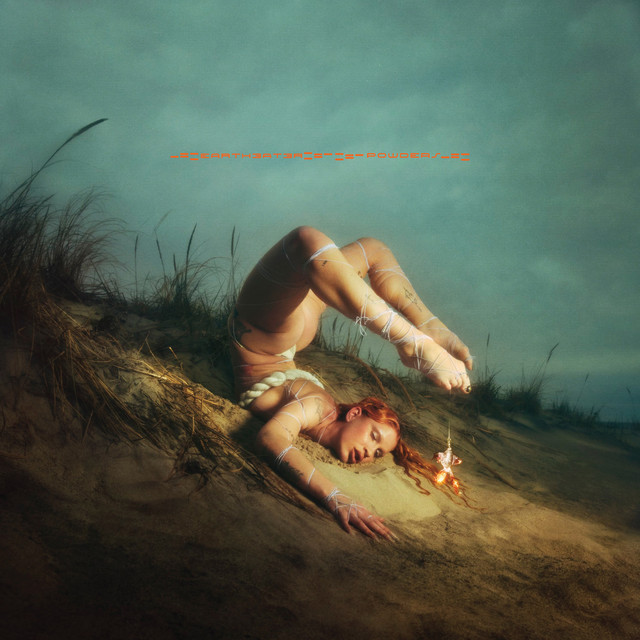
Powders
Eartheater
Deconstructed Club
Spectra
Electronic
2019
3
/5
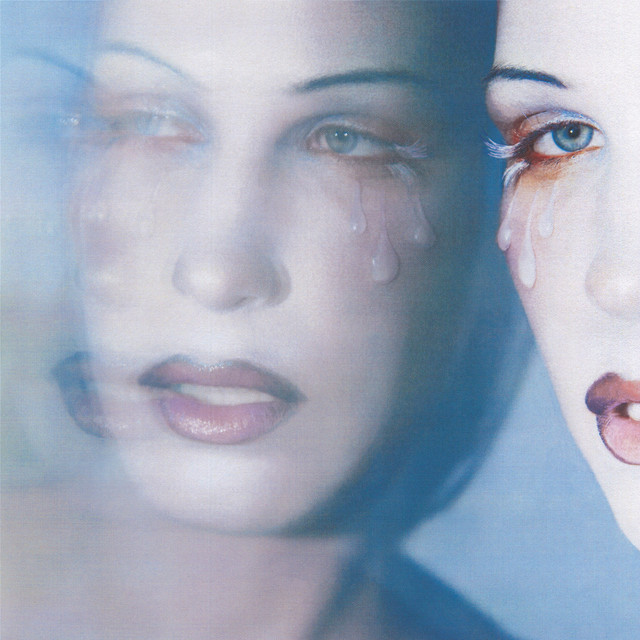
Trinity
Eartheater
Deconstructed Club
Spectra
Electronic
Similar artists
4
/5
Arca
Experimental
Ai
Electronic
3
/5
SOPHIE
Deconstructed Club
Experimental
Bubblegum Bass
3
/5
Sega Bodega
Deconstructed Club
Experimental
Art Pop
3
/5
Iglooghost
Experimental
Idm
Electronic
3
/5
Death Grips
Industrial Hip Hop
Experimental Hip Hop
Experimental
1
/5
Various Artists
Afro-Funk
Alternative Rock
Ambient
3
/5
Grouper
Ambient
Ambient Pop
Drone
2
/5
death's dynamic shroud
Vaporwave
Hardvapour
Slushwave
2
/5
Linn da Quebrada
Deconstructed Club
Ballroom Vogue
Brazilian Pop
2
/5
Swan Meat
Experimental
Grimewave
Hard Techno
Download our mobile app
Get the Melodigging app and start digging for new genres on the go
Download on the App Store
Get it on Google Play
© 2026 Melodigging
Give feedback
Legal
Melodding was created as a tribute to
Every Noise at Once
, which inspired us to help curious minds keep digging into music's ever-evolving genres.