Genres
Artists
Albums
Make Music
Sign in
Sign in
Artists
Electronic
Artists
Electronic
Iglooghost
2017–2024
·
4 albums
Listen
3
/5
Genres
Hybrid Trap
Hybrid trap is an EDM subgenre that fuses Southern hip hop–derived trap rhythms and 808 low end with the sound-design intensity and drop-centric structure of dubstep and electro house. It typically runs at 75/150 BPM in a halftime feel, features skittering hi-hats and snare/clap hits on beat three, and pairs punchy 808 kick–sub combos with midrange growls, reese basses, screeches, and cinematic brass stabs. Producers lean heavily on modern synthesis, resampling, and aggressive processing (distortion, multiband compression, OTT) to craft dynamic, call-and-response drops suited to festival stages. Compared with “classic” EDM trap, hybrid trap places greater emphasis on dubstep-like bass design, complex fills, and theatrical builds, while retaining trap’s swaggering grooves and minimalistic, percussive motifs.
Discover
Listen
Trap Edm
Trap EDM (often called EDM trap) is a fusion of Southern U.S. hip hop trap rhythms with the build–up/drop architecture and sound design of electronic dance music. It typically runs at 140 BPM with a halftime feel (or 70–75 BPM), featuring 808 sub‑bass, crisp snare/clap on the third beat, rapid 1/16 to 1/32 hi‑hat rolls, brass or synth stabs, and big festival‑style drops. Unlike rap-oriented trap, Trap EDM is primarily instrumental and designed for large dance floors and festivals, emphasizing dramatic risers, tension–release dynamics, and heavy low‑end impact.
Discover
Listen
Deconstructed Club
Deconstructed club is an experimental approach to dance music that dismantles the usual club structures (steady four-on-the-floor kicks, predictable breakdowns, and genre-pure palettes) and rebuilds them as jagged, collage-like forms. It combines extreme sound design, sudden dynamic shifts, and fragmented rhythms that reference—but refuse to settle into—familiar styles like reggaeton, jersey club, grime, techno, and dancehall. The aesthetic favors abrasive textures, hyper-detailed edits, and dramatic negative space. Samples are often cut into stuttering shards, drums arrive and vanish mid-bar, and synths lurch from crystalline to corroded. The result is club music that feels physical and cathartic yet conceptually critical, foregrounding ideas of hybridity, diasporic identity, and the politics of the dance floor.
Discover
Listen
Hyperpop
Hyperpop is an internet-native pop movement known for its maximalist sound design, pitch-shifted vocals, and frenetic genre collisions. It exaggerates pop tropes—ultra-bright synths, hard-clipping drums, sugary hooks—then smashes them together with elements of club music, trap, and experimental electronica. The style favors hyper-synthetic timbres, extreme processing (auto‑tune, formant shifting, heavy sidechaining, distortion), and abrupt structural left turns. Lyrically, it swings between irreverent internet humor and disarmingly sincere confessions, often reflecting online identity, queerness, and hyper-modern life. Although diverse, the common thread is a playful, self-aware push of pop to surreal, high-saturation extremes.
Discover
Listen
Neo-Grime
Neo-grime is a modern, experimental mutation of grime that retools the icy, 140 BPM template with contemporary sound design, skeletal rhythms, and a focus on atmosphere as much as impact. Where classic grime emphasized MC-led bangers and rough-and-ready club functionality, neo-grime often privileges instrumental detail, negative space, and futuristic textures—glassine pads, sub‑heavy bass, and detuned square-wave leads—while still retaining grime’s stark drum language and UK underground swagger. The result is a style that can swing between weightless ambience and steel-edged percussion, equally at home in forward-thinking club nights and headphone listening.
Discover
Listen
Proto-Hyperpop
Proto-hyperpop is a retrospective label for the cluster of internet-born pop experiments in the early-to-mid 2010s that foreshadowed what would later be called “hyperpop.” It fused candy-coated melodies and pitched-up vocals with maximalist sound design, glossy synthetic timbres, and playful, self-aware pop tropes. Rather than being a single scene, proto-hyperpop emerged across YouTube nightcore edits, early PC Music releases, and adjacent electronic and indie-pop circles. It drew heavily from Eurodance and trance hooks, J-pop and Vocaloid aesthetics, chiptune brightness, and the irreverent futurism of experimental pop and deconstructed club, while keeping an addictive, radio-ready sense of melody.
Discover
Listen
Halftime Dnb
Halftime DnB is a bass-focused offshoot of drum and bass that retains DnB’s tempo (typically 170–174 BPM) but places the drums in a half-time grid, creating the feel of 85–87 BPM. The result is a spacious, head‑nod swing that blends the sound design intensity of DnB with the groove logic of hip hop and trap. Producers emphasize heavyweight sub lines, neuro-influenced bass design, and skeletal, syncopated drum patterns (kicks and 808s up front, snares landing hard on beat three). Texture and negative space are integral, with percussion details, foley, and minimal melodic fragments carrying the narrative. The style sits naturally between club systems and headphone listening, often occupying the same ecosystems as UK bass, the autonomic/leftfield DnB continuum, and the LA beat scene.
Discover
Listen
Bubblegum Bass
Bubblegum bass is a hyper-sweet, high-gloss strain of experimental pop that exaggerates mainstream chart tropes until they feel surreal. It blends candy-coated melodies, plastic synth timbres, and pitch-shifted vocals with club-ready drums and maximalist sound design. Emerging around the London-based PC Music collective, the style often juxtaposes childlike hooks with abrasive textures, sudden drops, and tongue-in-cheek, consumerist imagery. The production is meticulous and synthetic—supersaws, metallic hits, hard sidechaining, and formant-shifted toplines—yet it retains an earworm pop sensibility. The result is music that feels both satirical and sincere: an ecstatic, futuristic twist on electropop and dance-pop that helped set the stage for the wider hyperpop movement.
Discover
Listen
Fluxwork
Fluxwork is a contemporary microgenre of electronic music optimized for sustained concentration and “flow state” listening. It blends the warmth and space of ambient with the pulse and structure of minimal techno and microhouse, emphasizing unobtrusive rhythms and gradual, textural movement. Tracks usually feature understated four-on-the-floor or gently broken patterns, soft sidechained pads, subtle arpeggios, and carefully filtered transitions. Vocals, if present at all, are sparse and textural. The result is music that feels propulsive yet calm—capable of fading into the background while quietly supplying kinetic focus.
Discover
Listen
New Isolationism
New isolationism is a contemporary strain of isolationist ambient and post-industrial minimalism that emerged in the 2010s, particularly around Scandinavian experimental labels and studios. It foregrounds intimate, close-mic’d sound, negative space, and a quiet-but-present noise floor; its pieces feel both internal and architectural, like rooms built from reverb tails, tape hiss, and soft electronics. Sonically, the style blends glacial drones, fragile chamber timbres (strings, organ, piano), lo‑fi electronics, and field recordings into stark, slow-evolving tableaux. Melodic information is sparse—often only a few tones or gestures—while rhythm is either absent or reduced to distant pulses, heartbeats, or mechanical cycles. Vocals, when they appear, are murmured, diaristic, or abstracted by pitch and time manipulation. Aesthetically, new isolationism is post‑internet and diaristic: it captures solitude, memory, and dislocation with a palette that feels personal yet estranged, drawing as much from contemporary gallery sound practice as from classic dark ambient.
Discover
Listen
Solo Wave
Solo wave is an internet-era microgenre that blends the intimate, DIY sensibility of bedroom pop with vaporwave- and chillwave-tinged atmospheres and soft indie pop songwriting. Typically produced by solo artists working from home studios, it favors gentle synth pads, chorus-washed guitars, understated trap- or pop-leaning drums, and confessional vocals framed by nostalgic reverb and tape-like warmth. The result is dreamy, sentimental, and highly shareable songs that circulate on streaming platforms and social media. Lyric themes often center on young adult relationships, self-reflection, mental health, and digital-age loneliness—delivered in a direct, diaristic tone that reinforces the genre’s solitary, “one-person project” ethos.
Discover
Listen
Transpop
Transpop is a contemporary pop micro-scene centered on transgender and gender‑expansive artists and narratives. It blends glossy pop songwriting with internet‑native production aesthetics drawn from hyperpop, electropop, and bedroom pop. Stylistically, it favors hook‑forward melodies, bright synths, pitched and processed vocals, and beat palettes that oscillate between four‑on‑the‑floor dance-pop and trap‑influenced rhythms. Lyrically it foregrounds identity, euphoria, dysphoria, love, self‑fashioning, and chosen family, often with a confessional, diaristic tone. While global and community‑driven, the sound coalesced online (SoundCloud/Discord/TikTok) and in indie queer club spaces, making it both danceable and emotionally candid.
Discover
Listen
Uk Bass
UK bass is a broad, club‑focused umbrella for post‑garage and post‑dubstep sounds that prioritise heavy low‑end, syncopated percussion, and experimental sound design. It is less a single rigid rhythm than a producer and DJ culture that centers sub‑bass weight and British club lineage at tempos commonly between 120–140 BPM. Drawing on UK garage, dubstep, grime, bassline, UK funky, house, techno, jungle, and dub, UK bass folds shuffling grooves, half‑time lurch, and broken‑beat swing into forward‑thinking arrangements. Labels and crews such as Hessle Audio and Night Slugs helped codify its aesthetic: tactile subs, punchy drums, sparse but impactful harmony, and club‑system dynamics that reward both dancers and deep listeners.
Discover
Listen
Wonky
Wonky is a lopsided, synth-forward strain of experimental hip hop and UK bass that emerged in the late 2000s. It is defined by off-grid, swaggering drum programming, rubbery sub-bass, and brightly detuned, pitch-bent lead synths that feel as if they wobble in and out of time. Producers often work around 70–80 BPM (or 140–160 BPM in half-time), using heavy swing, microtiming, and syncopation to create a drunken, stumbling groove. Sonically, it blends the head-nod of instrumental hip hop with the sound design sensibilities of IDM, the sub-weight of dubstep, and the neon melodicism associated with Bristol’s "purple" sound. The result is music that is both club-ready and headphone-detailed: playful yet moody, maximal in color but minimal in arrangement, and distinctly characterized by elastic rhythms and glossy, detuned synth textures.
Discover
Listen
Modern Classical
Modern classical is a contemporary strand of instrumental music that applies classical composition techniques to intimate, cinematic settings. It typically foregrounds piano and strings, is sparsely orchestrated, and embraces ambience, repetition, and timbral detail. Rather than the academic modernism of the early 20th century, modern classical as used today refers to accessible, mood-driven works that sit between classical, ambient, and film music. Felt pianos, close‑miked string quartets, tape hiss, drones, soft electronics, and minimal harmonic movement are common, producing a contemplative, emotionally direct sound that translates well to headphones, streaming playlists, and screen media.
Discover
Listen
Idm
IDM (often expanded as "Intelligent Dance Music") is a strand of experimental electronic music that applies the sound palette and production methods of club genres to listening-focused, often home-oriented works. It favors intricate rhythm programming, unusual time signatures, and richly textured sound design, blending ambient atmospheres with techno’s pulse, electro’s syncopation, and breakbeat’s fragmentation. The music often de-emphasizes the dancefloor in favor of headphone detail, algorithmic structure, and timbral exploration. The term itself is contentious—many artists rejected the "intelligent" label—yet it became a convenient tag for the early- to mid‑1990s cluster of Warp, Rephlex, and related scenes that foregrounded complexity, abstraction, and emotional ambiguity.
Discover
Listen
Glitch
Glitch is an experimental electronic music genre that foregrounds the sounds of technological error—digital clicks, pops, clipping, buffer underruns, CD skipping, software crashes, and bit‑reduction. Rather than hiding artifacts, producers use them as primary musical material, often arranged through extreme micro‑editing and non‑linear sequencing. Texturally, glitch spans austere minimalism to warm, hazy ambience. Rhythms tend to be fragmented and asymmetrical, with sudden cuts, stutters, and silences that create tension and negative space. The palette commonly includes sine‑tone grains, granular clouds, filtered noise, and hyper‑detailed percussive fragments, sometimes sitting over subdued drones or dub‑inflected low end. The style emerged in the late 1990s around labels such as Mille Plateaux, influenced by IDM, minimal techno, and the aesthetics of failure in digital media. It later permeated pop and beat‑driven styles through sound‑design techniques that evoke imperfection and transience.
Discover
Listen
Electro-Industrial
Electro-industrial is a dark, beat-driven offshoot of post‑industrial music that fuses the body‑music propulsion of EBM with the abrasive textures, tape/sampler collages, and dystopian atmospheres of industrial. Typically set in minor keys, it emphasizes rigid 4/4 rhythms, sequenced basslines, layered synthetic percussion, and heavily processed vocals (whispered, shouted, or distorted). Sound design is central: bitcrushed drums, metallic hits, granular noise, ring modulation, flanging, and gated reverbs build a mechanized, cybernetic ambience often aligned with cyberpunk, surveillance, and transhumanist themes. While club‑ready and “dancing,” it preserves an experimental edge, prioritizing mood and texture over traditional pop harmony.
Discover
Listen
Hip Hop
Hip hop is a cultural and musical movement that emerged from Black, Latino, and Caribbean communities, centering around rapping (MCing), DJing/turntablism, sampling-based production, and rhythmic speech over beats. It prioritizes groove, wordplay, and storytelling, often reflecting the social realities of urban life. Musically, hip hop is built on drum-centric rhythms (from breakbeats to 808 patterns), looped samples, and bass-forward mixes. Lyrically, it ranges from party anthems and braggadocio to political commentary and intricate poetic forms, with flow, cadence, and rhyme density as core expressive tools. Beyond music, hip hop encompasses a broader culture, historically intertwined with graffiti, b-boying/b-girling (breakdance), fashion, and street entrepreneurship, making it both an art form and a global social language.
Discover
Listen
Experimental
Experimental music is an umbrella term for practices that prioritize exploration, process, and discovery over adherence to established genre norms. It embraces new sound sources, nonstandard tuning systems, indeterminacy and chance operations, graphic and open-form scores, extended techniques, and technology-led sound design (tape, electronics, computers, and live processing). Rather than a single style, it is a methodology and ethos: testing hypotheses about sound, structure, and performance, often blurring boundaries between composition, improvisation, sound art, and performance art. Listeners can expect unfamiliar timbres, unusual forms, and an emphasis on how music is made as much as the resulting sound.
Discover
Listen
Pop
Pop is a broad, hook-driven style of popular music designed for wide appeal. It emphasizes memorable melodies, concise song structures, polished vocals, and production intended for radio, charts, and mass media. While pop continually absorbs elements from other styles, its core remains singable choruses, accessible harmonies, and rhythmic clarity. Typical forms include verse–pre-chorus–chorus, frequent use of bridges and middle-eights, and ear-catching intros and outros. Pop is not defined by a single instrumentation. It flexibly incorporates acoustic and electric instruments, drum machines, synthesizers, and increasingly digital production techniques, always in service of the song and the hook.
Discover
Listen
Electronic
Electronic is a broad umbrella genre defined by the primary use of electronically generated or electronically processed sound. It encompasses music made with synthesizers, drum machines, samplers, computers, and studio/tape techniques, as well as electroacoustic manipulation of recorded or synthetic sources. The genre ranges from academic and experimental traditions to popular and dance-oriented forms. While its sonic palette is rooted in electricity and circuitry, its aesthetics span minimal and textural explorations, structured song forms, and beat-driven club permutations. Electronic emphasizes sound design, timbre, and studio-as-instrument practices as much as melody and harmony.
Discover
Listen
Show all 22 genres
Albums
2024
3
/5
Tidal Memory Exo
Iglooghost
Uk Bass
Deconstructed Club
Electro-Industrial
2021
2
/5
Lei Line Eon
Iglooghost
Deconstructed Club
Uk Bass
Electronic
2019
2
/5
XYZ
Iglooghost, Kai Whiston & BABii
Hybrid Trap
Trap Edm
Wonky
2017
1
/5
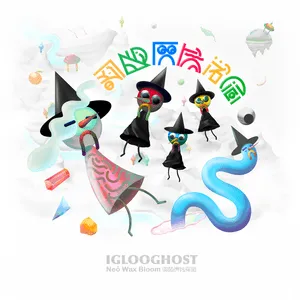
Neō Wax Bloom
Iglooghost
Uk Bass
Wonky
Electronic
Similar artists
1
/5
Various Artists
Afro-Funk
Alternative Rock
Ambient
1
/5
Kai Whiston
Idm
Hybrid Trap
Trap Edm
3
/5
Oneohtrix Point Never
Hauntology
Plunderphonics
Ambient
3
/5
Flying Lotus
Glitch Hop
Idm
Instrumental Hip Hop
3
/5
Burial
Classic Dubstep
Hauntology
Uk Bass
4
/5
Arca
Experimental
Ai
Electronic
3
/5
Nosaj Thing
Wonky
Glitch Hop
Idm
2
/5
Forest Swords
Hauntology
Idm
Electronic
2
/5
Oli XL
Experimental
Idm
Electronic
3
/5
Mount Kimbie
Future Garage
Post-Dubstep
Electronic
Download our mobile app
Get the Melodigging app and start digging for new genres on the go
Download on the App Store
Get it on Google Play
© 2026 Melodigging
Give feedback
Legal
Melodding was created as a tribute to
Every Noise at Once
, which inspired us to help curious minds keep digging into music's ever-evolving genres.