Your digging level
Description
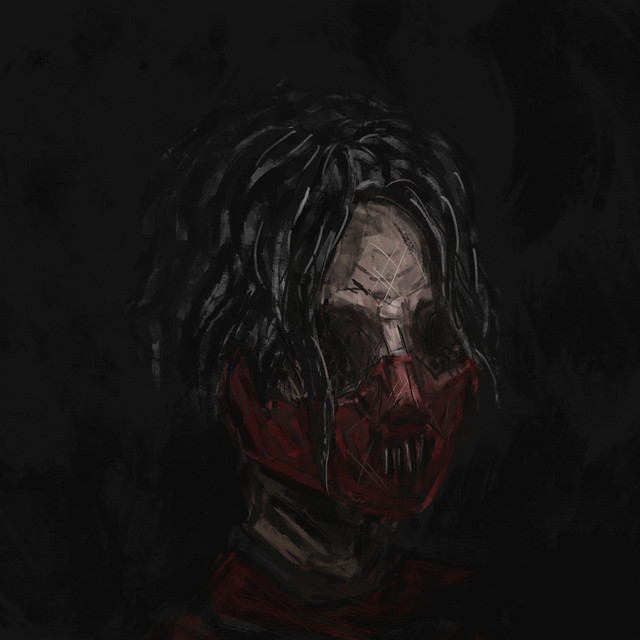
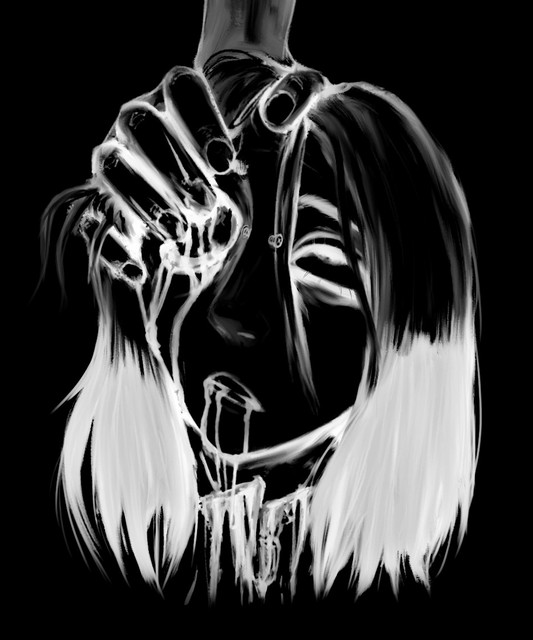
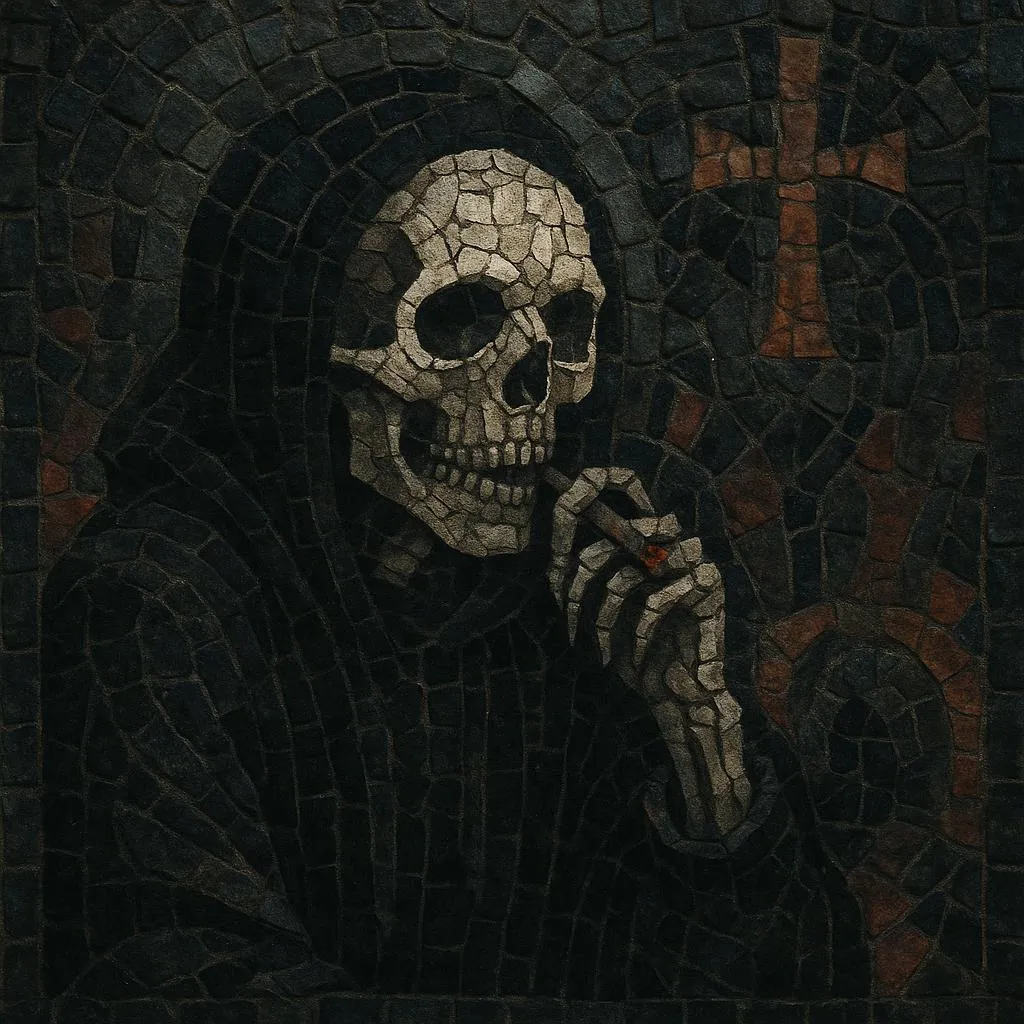
Necrotrap is a dark, morbid branch of trap that fuses the slow, sub‑heavy bounce of Southern trap with horrorcore’s macabre lyricism and witch house’s occult, lo‑fi haze. Producers sculpt bleak atmospheres with detuned bells, creaking pianos, church choirs, funeral organs, reversed pads, and sound‑design lifted from horror films or VHS hiss.
Beats typically center on distorted 808s, clipped saturation, and rattling hi‑hat grids full of triplets and burst rolls. Vocals range from deep, ominous deliveries and whispers to harsh growls and screamed ad‑libs, with themes of death, nihilism, occultism, isolation, and urban decay. The palette is intentionally abrasive and cinematic—equal parts trap banger and sonic horror short.

History
Necrotrap coalesced in the early–mid 2010s as SoundCloud and Bandcamp lowered the barrier to highly stylized, niche rap scenes. Producers and vocalists steeped in Southern U.S. trap rhythms pulled in the bleak mood and occult signifiers of horrorcore and the reverb‑soaked textures of witch house. Early dark‑trap and cloud‑rap communities laid the blueprint: blown‑out 808s, spectral pads, funereal keys, and whispered or monotone flows.
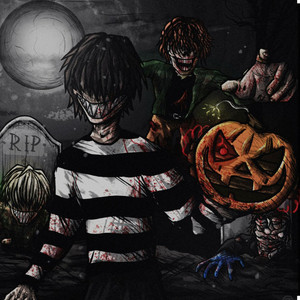
As the broader “SoundCloud rap” wave exploded, a subset pushed toward harsher, more cinematic darkness—distorting 808s to the edge, sampling horror scores, and embracing black‑metal/industrial aesthetics in cover art and fashion. Artists like Ghostemane and $uicideboy$ popularized a grim, lo‑fi heaviness, while TeamSESH affiliates normalized cold, minimal beats that felt like late‑night urban folklore. The term “necrotrap” gained traction among listeners and curators to demarcate this morbid, occult‑coded variant of trap.
The aesthetic quickly resonated outside the U.S.—notably in Eastern Europe (Russia/Belarus) and parts of Western Europe—where rap collectives adopted the style’s nocturnal atmospheres and fatalistic themes, sometimes blending local language and folklore. Parallel developments (trap metal, shadow rap) cross‑pollinated with necrotrap, exchanging vocal harshness, guitar textures, and horror ambience.
By the late 2010s, necrotrap’s signatures—saturated 808s, minor/Phrygian progressions, horror‑score sampling, whispered or growled delivery—became a recognizable toolkit. The style influenced trap metal’s aggression, shadow rap’s whispered menace, and darker strains of plugg and internet rap, while remaining a fertile niche for DIY producers exploring the boundary between club heft and cinematic dread.