


Genres
Artists
Albums
Make Music
Sign in
Sign in
Artists
Oriental Metal
Artists
Oriental Metal
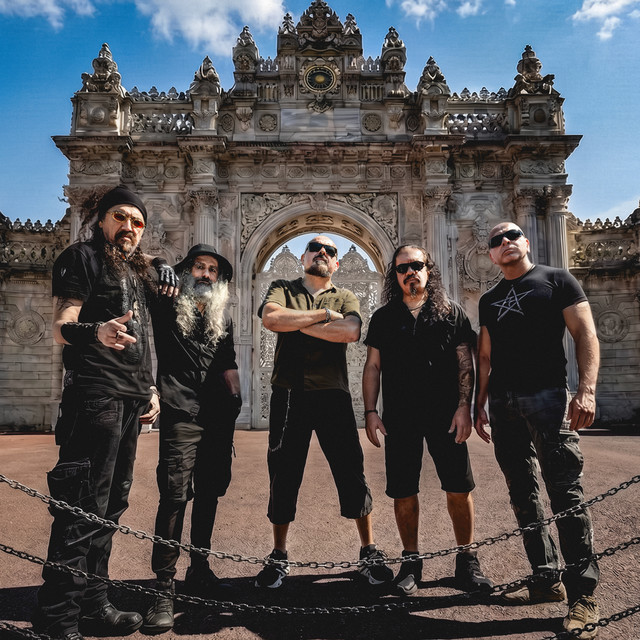
The HU
2018–2026
·
19 albums
Listen
3
/5
Genres
Indian Indie
Indian indie is the umbrella for independent, non-film music made in India across languages such as Hindi, English, and numerous regional tongues. It is defined more by its DIY production and artist-led release model than by a single sound. Musically, it spans indie pop and rock, folk-fusion, singer‑songwriter ballads, dream‑pop/shoegaze textures, and electronic‑leaning productions. Artists often blend Western harmony and song forms with raga‑tinged melodies, Indian rhythmic feels, and occasional use of traditional instruments like tabla, bansuri, or sitar. The scene grew rapidly with college festivals, small venues, and digital platforms (YouTube, streaming services, Bandcamp), plus boutique labels and festivals such as NH7 Weekender that created national visibility. Lyrically, it tends to be intimate and contemporary—touching on romance, urban life, identity, and nostalgia—while maintaining accessible hooks and warm, organic sonics.
Discover
Listen
Classify
Classify is a streaming-era microgenre that blends light classical technique with contemporary pop repertoire, typically presented as unobtrusive instrumental covers. It prioritizes soft dynamics, gentle tempos, and intimate recording to create a calm, elegant backdrop suitable for studying, working, or events. Most arrangements are for solo piano, string quartet, cello/piano duos, or small chamber ensembles. Harmonies remain diatonic and consonant, melodies are clearly voiced, and textures favor arpeggios, ostinati, and sustained legato lines. The overall aesthetic borrows from modern classical and new age moods while retaining the familiarity of pop song forms.
Discover
Listen
Channel Pop
Channel pop is a digital-era strain of mainstream pop shaped by video and creator platforms—especially YouTube and later TikTok and Instagram—where artists build audiences through frequent uploads on their own “channels.” Musically it favors intimate, highly polished but close-mic’d vocals, acoustic guitar or piano-led arrangements, restrained beats, and succinct, playlist-friendly structures. Many releases are cover-first (reimagining recent chart hits) with a steady flow of glossy singles, session-style performances, and creator collaborations that gradually blend into original material. Titles, artwork, and release cadence are optimized for search and recommendation algorithms, yielding a sound that is simultaneously personal and platform-aware.
Discover
Listen
Oriental Metal
Oriental metal is a subgenre of heavy metal that fuses the intensity of metal with modal systems, rhythms, instruments, and storytelling traditions from West Asia and North Africa. Instead of Western major/minor harmony, it foregrounds maqam-based melody (e.g., Hijaz, Rast, Nahawand, Kurd, Bayati), microtonal ornamentation, and cyclical iqa’at grooves alongside distorted guitars and double‑kick drumming. Typical timbres include electric guitars and bass locked to down‑tuned, palm‑muted riffs, blended with oud, saz/bağlama, qanun, ney, kamancheh, and darbuka/riq/bendir. Vocals may alternate between harsh growls and melismatic clean lines, and lyrics often draw on regional history, mythology, and spiritual themes. The result is a dramatic, “epic” sound that remains rhythmically danceable while sounding dark, exotic (to Western ears), and emotionally charged.
Discover
Listen
Folk Metal
Folk metal blends the power and riff-driven intensity of heavy metal with melodies, instruments, scales, and storytelling traditions from regional folk music. Typical arrangements combine distorted guitars, bass, and drums with fiddles, flutes, whistles, bagpipes, accordions, hurdy-gurdies, bouzoukis, and other traditional instruments. Bands often draw on myth, history, and local folklore for lyrical themes, ranging from epic sagas and battle hymns to drinking songs and pastoral ballads. The style spans a spectrum from aggressive and blackened approaches to upbeat, danceable, and festive moods, making it one of metal’s most diverse and regionally distinctive subgenres.
Discover
Listen
Heavy Metal
Heavy metal is a loud, guitar-driven style of rock defined by heavily distorted riffs, thunderous drums, and powerful vocals. Its musical language emphasizes minor modes, modal (Aeolian, Phrygian) riffing, and energy over groove, often featuring virtuosic guitar solos and dramatic dynamic contrasts. Emerging from late-1960s blues rock and psychedelic experimentation, heavy metal codified a darker, heavier sound with bands like Black Sabbath, Deep Purple, and Led Zeppelin. The genre values weight, intensity, and grandeur—whether through plodding, doom-laden tempos or galloping, high-energy rhythms—paired with themes that range from personal struggle and social critique to fantasy, mythology, and the occult.
Discover
Listen
Metal
Metal (often used to mean heavy metal in its broad, umbrella sense) is a loud, guitar-driven style of rock defined by high-gain distortion, emphatic and often martial rhythms, and a dense, powerful low end. It foregrounds riff-based songwriting, dramatic dynamics, virtuosic guitar solos, and commanding vocals that range from melodic wails to aggressive snarls and growls. Harmonically, metal favors minor modes, modal color (Aeolian, Phrygian), chromaticism, and tritone-inflected tension, while thematically it explores power, mythology, the occult, social critique, fantasy, and existential subjects. While adjacent to hard rock, metal typically pushes amplification, distortion, precision, and thematic intensity further, forming a foundation for many specialized subgenres.
Discover
Listen
Folk Rock
Folk rock is a fusion genre that blends the narrative lyricism, modal melodies, and acoustic timbres of traditional folk with the backbeat, amplification, and song structures of rock. It typically pairs acoustic or traditional instruments (acoustic guitar, mandolin, fiddle) with a rock rhythm section (electric guitar, bass, drums), often featuring chiming 12‑string guitar textures, close vocal harmonies, and socially conscious or storytelling lyrics. The result ranges from intimate, reflective ballads with a steady backbeat to more anthemic, roots‑driven rock. Emerging in the mid‑1960s through artists such as Bob Dylan and The Byrds, folk rock became a gateway for traditional and roots materials to enter mainstream popular music, and it seeded later movements from country rock and Americana to jangle pop and modern indie folk.
Discover
Listen
Rock
Rock is a broad family of popular music centered on amplified instruments, a strong backbeat, and song forms that foreground riffs, choruses, and anthemic hooks. Emerging from mid‑20th‑century American styles like rhythm & blues, country, and gospel-inflected rock and roll, rock quickly expanded in scope—absorbing folk, blues, and psychedelic ideas—while shaping global youth culture. Core sonic markers include electric guitar (often overdriven), electric bass, drum kit emphasizing beats 2 and 4, and emotive lead vocals. Rock songs commonly use verse–chorus structures, blues-derived harmony, and memorable melodic motifs, ranging from intimate ballads to high‑energy, stadium‑sized performances.
Discover
Listen
Mongolian Music
Mongolian music encompasses the traditional vocal and instrumental practices of the Mongolian steppe, centered on the morin khuur (horsehead fiddle), long song (urtyn duu), short song (bogino duu), epic song (tuuli), and the overtone-rich vocal art of khöömii (throat singing). Its melodic language is largely pentatonic, with expansive, arching phrases that evoke open landscapes, horses, and nomadic life. Textures range from solo voice with a sustained drone to heterophonic ensemble playing, and rhythms move fluidly between free, rubato narrative delivery and lively dance meters for bielgee (seated dance) and festive pieces. Ritual and religious strands—especially Buddhist chant and older shamanic practices—intertwine with courtly and folk repertories shaped during and after the Mongol Empire, yielding a music that is at once intimate, contemplative, and epic in scale.
Discover
Listen
Turkic-Mongolic Music
Turkic-Mongolic music is a broad family of Inner Asian musical traditions shaped by nomadic lifeways across the steppe, taiga, and desert zones from Mongolia and Siberia to Xinjiang and Central Asia. It emphasizes timbre, overtone color, and modal melody over dense harmony, often centering a drone or open fifths with anhemitonic pentatonic contour. Characteristic practices include overtone (throat) singing, epic chant, long-song with free rhythm, and dance songs with “galloping” rhythms that mimic horse movement. Common instruments include horse-head fiddles (morin khuur), two-string lutes (igil, topshuur, dombra, komuz), frame and shaman drums, and jaw harps (khomus/temir komuz). Texts frequently recount genealogies, heroic epics, pastoral imagery, and spiritual cosmologies linked to Tengrism, Buddhism, and Islam. Across Turkic- and Mongolic-speaking communities, local styles vary—Uyghur muqam cycles are long-form modal suites, Kazakh and Kyrgyz traditions foreground plucked lutes and instrumental toqs/kyuis, and Tuvan and Mongolian repertoires foreground throat singing and long-song aesthetics—yet all share a preference for modal melody, flexible rhythm, and timbre-focused expression.
Discover
Listen
Central Asian Throat Singing
Central Asian throat singing is a family of overtone-rich vocal techniques practiced across Mongolia, Tuva, and neighboring regions of Inner Asia. Singers shape the vocal tract to amplify specific harmonics above a low fundamental drone, producing the impression of two or more pitches at once. Traditionally performed by nomadic herders, these styles often imitate the sounds of wind, rivers, birds, and horses, and are closely tied to animist and steppe life-worlds. Substyles such as khöömii (overtone-focused), sygyt (whistling, high overtones), and kargyraa (very low, growling fundamentals) showcase distinctive timbral goals, breath control, and resonant vowel shaping. While deeply rooted in folk practice, throat singing has influenced contemporary ambient, drone, and experimental scenes, and it increasingly appears in cross-cultural collaborations and modern stage settings.
Discover
Listen
Central Asian Music
Central Asian music is a broad family of traditions shared across the Silk Road heartlands—today’s Uzbekistan, Tajikistan, Kazakhstan, Kyrgyzstan, and Turkmenistan, with strong ties to Uyghur, Pamiri, and other regional cultures. It blends Turkic nomadic song and epic recitation with Persianate courtly repertoire and Islamic modal theory, producing rich vocal melismas, intricate modal (maqom/maqam) systems, and cyclical rhythms (usul). Instrumentation centers on long‑necked lutes (dutar, tanbur, komuz, dombra), bowed fiddles (ghijak/kamancheh, qobyz), frame drums (doira/doyra), reed and woodwind instruments (surnay, nai), and zither or harp relatives (chang). Stylistically, it spans refined urban suites such as Shashmaqam to nomadic epic performance (akyn/jyrau/manaschi), wedding dance music driven by doira patterns, and intimate lyrical songs. Its timbral palette favors resonant plucked strings, bright double‑reed leads, and expressive, ornamented vocals.
Discover
Listen
Show all 13 genres
Albums
2026
2
/5
The Real You
The HU
Oriental Metal
2024
3
/5
The Trooper
The HU
Oriental Metal
2024
2
/5
The HU Live At Glastonbury
The HU
Oriental Metal
2024
1
/5
TATAR Warrior (Live At Glastonbury)
The HU
Oriental Metal
2024
2
/5
The Gereg (instrumentals)
Imaginary Future, From Ashes to New, Tinnesz, Sam, Bleeker, Adelitas Way, Imagi…
Oriental Metal
2023
1
/5
Bii Biyelgee (Acoustic)
The HU
Oriental Metal
2022
3
/5
Rumble of Thunder
Nothing More, Asking Alexandria, Bad Wolves, AWOLNATION, Hanson, Taylor, Asking…
Oriental Metal
2022
2
/5
Black Thunder
Nothing More, Asking Alexandria, Bad Wolves, AWOLNATION, Hanson, Taylor, Asking…
Oriental Metal
2022
2
/5
This Is Mongol
Nothing More, Asking Alexandria, Bad Wolves, AWOLNATION, Hanson, Taylor, Asking…
Oriental Metal
2021
2
/5
Through the Never
The HU
Oriental Metal
Rock
2021
2
/5
Through The Never
The HU
Oriental Metal
Rock
2020
3
/5
Sad But True
The HU
Oriental Metal
Folk Metal
2020
4
/5
The Gereg (Deluxe Edition)
The HU
Oriental Metal
Folk Metal
Heavy Metal
2020
1
/5
The Gereg
Nothing More, Asking Alexandria, Bad Wolves, AWOLNATION, Hanson, Taylor, Asking…
Oriental Metal
2020
3
/5
Sugaan Essena (Original Music from "Star Wars Jedi: Fallen Order")
The HU
Oriental Metal
Folk Metal
2019
1
/5
The Gereg
The HU
Oriental Metal
Folk Metal
Heavy Metal
2019
1
/5
The Gereg
The Hu
Mongolian Music
Oriental Metal
Turkic-Mongolic Music
2019
1
/5
The Great Chinggis Khaan
The HU
Oriental Metal
2018
1
/5
Yuve Yuve Yu
The HU
Oriental Metal
Metal
Similar artists
3
/5
Pentagram
Oriental Metal
Rock
Heavy Metal
4
/5
Mägo de Oz
Celtic Metal
Celtic Rock
Medieval Rock
3
/5
Alestorm
Pirate
Folk Metal
Power Metal
4
/5
Sabaton
Folk Metal
Heavy Metal
Power Metal
4
/5
Black Sabbath
Doom Metal
Hard Rock
Heavy Metal
4
/5
Iron Maiden
Heavy Metal
Metal
Nwobhm
4
/5
Nightwish
Fantasy Metal
Opera Metal
Power Metal
4
/5
Amon Amarth
Death Metal
Melodic Death Metal
Tolkien Metal
3
/5
Meshuggah
Djent
Progressive Groove Metal
Technical Groove Metal
1
/5
Various Artists
Afro-Funk
Alternative Rock
Ambient
Download our mobile app
Get the Melodigging app and start digging for new genres on the go
Download on the App Store
Get it on Google Play
© 2026 Melodigging
Give feedback
Legal
Melodding was created as a tribute to
Every Noise at Once
, which inspired us to help curious minds keep digging into music's ever-evolving genres.