Genres
Artists
Albums
Make Music
Sign in
Sign in
Artists
Djent
Artists
Djent
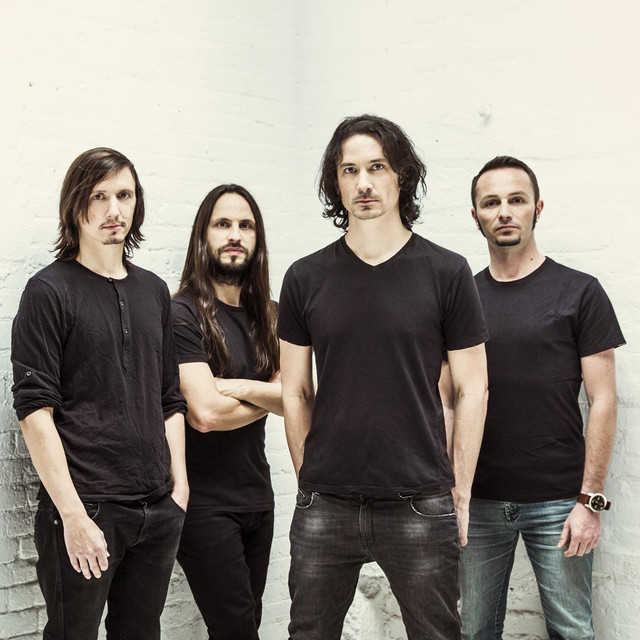
Meshuggah
1994–2025
·
37 albums
Listen
3
/5
Genres
Electronic Djent
Electronic djent is a hybrid microgenre that fuses the palm‑muted, polyrhythmic chug and extended‑range guitar vocabulary of djent with the sound design, structures, and drops of modern electronic music. Producers and guitarists build songs around tight, syncopated low‑string riffs, then interweave synth basses, arpeggiators, glitch edits, and half‑time drops drawn from dubstep, drum & bass, and IDM. The result feels at once mechanical and cinematic: staccato guitars lock to quantized drums while side‑chained pads and digital ‘wub’ basses breathe in the spaces between the accents. Although largely instrumental, the genre ranges from sleek, futuristic ‘chip‑djent’ and synthwave‑tinted palettes to heavier industrial and bass‑music crossovers. It is a quintessential internet‑era style: written in DAWs, shared on Bandcamp/YouTube, and refined by tight community feedback loops.
Discover
Listen
Indian Indie
Indian indie is the umbrella for independent, non-film music made in India across languages such as Hindi, English, and numerous regional tongues. It is defined more by its DIY production and artist-led release model than by a single sound. Musically, it spans indie pop and rock, folk-fusion, singer‑songwriter ballads, dream‑pop/shoegaze textures, and electronic‑leaning productions. Artists often blend Western harmony and song forms with raga‑tinged melodies, Indian rhythmic feels, and occasional use of traditional instruments like tabla, bansuri, or sitar. The scene grew rapidly with college festivals, small venues, and digital platforms (YouTube, streaming services, Bandcamp), plus boutique labels and festivals such as NH7 Weekender that created national visibility. Lyrically, it tends to be intimate and contemporary—touching on romance, urban life, identity, and nostalgia—while maintaining accessible hooks and warm, organic sonics.
Discover
Listen
Nu-Metalcore
Nu‑metalcore (often nicknamed "nu‑core") blends the bounce, hip‑hop inflections, and downtuned groove of late‑1990s nu metal with the breakdown‑heavy aggression and precise syncopation of 2000s metalcore. Expect sharply gated, low‑tuned riffs, halftime drops, and elastic grooves that swing between punchy chugs and percussive, djent‑like accents. Vocals typically jump from harsh screams and pitched‑down growls to rap‑leaning cadences and hooky, melodic choruses. Electronic textures—turntable cuts, glitch edits, sub‑drops, and 808 layers—are common, supporting a glossy yet crushing modern production aesthetic. Lyrically, the style carries nu metal’s confessional angst and social frustration while adopting metalcore’s cathartic intensity and mosh‑centric energy. The result is a contemporary, club‑ready heaviness that feels both nostalgic and forward‑looking.
Discover
Listen
Rap Metalcore
Rap metalcore is a hybrid style that fuses the rhythmic, lyrical flow of hip hop with the high-gain guitars, breakdowns, and screamed/sung hooks of metalcore. Compared to 1990s rap metal and nu metal, it keeps metalcore’s tighter, modern low-tuned riffing, double-time drumming, and cathartic breakdown structures, while foregrounding MC-style verses, rhyme schemes, and hip‑hop cadences. Production often blends live drums with programmed elements (808 subs, trap hats) and layers percussive, djent-leaning guitar chugs under rapped verses, then explodes into screamed or anthemic sung choruses. Lyrical themes span personal struggle, social commentary, resilience, and identity, delivered with a mix of rap’s directness and metalcore’s emotive intensity.
Discover
Listen
Thall
Thall is a hyper-percussive, ultra–low-tuned offshoot of djent and progressive metal popularized by Sweden’s Vildhjarta. The style emphasizes tightly gated, staccato down‑picking; dissonant chord voicings; and lurching, polymetric grooves that drop into sudden rests and accents. Characteristic techniques include rapid release bends, stark contrasts between pitch‑shifted highs and subterranean lows, and the use of lush, reverb‑heavy ambient interludes to heighten tension and reset the ear before the next rhythmic assault. The result is a sound that feels both mechanical and cinematic—aggressive yet spacious.
Discover
Listen
Soundclown
Soundclown is an internet-born remix and mashup style that thrives on comedic juxtaposition, bait‑and‑switch reveals, and hyper-referential sample collage. It blends pop hits, game and cartoon music, ad jingles, meme sounds, and viral speech into quick-cut audio gags. The genre developed across YouTube and SoundCloud, favoring shock humor, nostalgia, and absurdity over traditional song form. Hallmarks include sudden key/tempo whiplash, exaggerated pitch-shifts, ear‑rending “earrape” peaks, and punchline drops that transform a familiar source into something hilariously incongruent. Because it is fundamentally platform-native, soundclown is as much a memetic editing culture as a musical style. Its tracks often function like sonic shitposts: fast, punchy, and built for instant recognition and shareability.
Discover
Listen
Progressive Deathcore
Progressive deathcore is a fusion of deathcore’s crushing heaviness and breakdown-centric aggression with the adventurous songcraft, technicality, and textural breadth of progressive metal. Hallmarks include extended-range guitars (7–9 strings) in very low tunings, polymetric “djent”-leaning grooves, rapid meter changes, and long-form structures that move well beyond verse/chorus. You’ll hear a blend of palm‑muted syncopation, angular technical riffs, sweeping leads, and atmospheric keyboards or orchestration that add space between punishing passages. Vocals typically alternate between low growls, layered screams, and occasional clean passages; production is tight, modern, and punchy. Lyrically, the style often departs from deathcore’s horror tropes to explore sci‑fi, philosophy, cosmic imagery, and introspective themes, matching the music’s expansive, cinematic scope.
Discover
Listen
Djent
Djent is a substyle of progressive metal defined by ultra-tight, low‑tuned, palm‑muted guitar riffs that create a percussive, onomatopoeic "djent" sound. It favors extended‑range instruments (7–9 strings), precise rhythmic subdivision, and a highly articulate, modern production aesthetic. Sonically, djent emphasizes polyrhythms, syncopation, and metric modulation, often pairing dense, chugging grooves with ambient clean guitars, spacious synth pads, and melodic choruses. Vocals range from harsh screams and growls to soaring cleans, while drums and bass lock tightly to the rhythmic grid, accenting the guitar’s staccato patterns. Although the term took off online in the late 2000s, the core rhythmic and timbral blueprint traces to the 1990s work of Swedish band Meshuggah.
Discover
Listen
Progressive Groove Metal
Progressive groove metal fuses the weighty, syncopated riffing of groove metal with the ambitious song forms, odd meters, and thematic depth of progressive metal. It typically features down‑tuned 6–8‑string guitars, palm‑muted chugs interlocking with polyrhythmic drum patterns, and bass lines that emphasize grit and articulation over sheer speed. Compared with straight groove metal, the progressive strain favors shifting time signatures, polymeter (e.g., 3:2, 5:4 overlays), dynamic contrasts, and longer arrangements that build narratives. Vocals range from harsh growls and barks to clean, soaring passages, while lyrics often address big‑picture topics—environmentalism, philosophy, psychology, and social critique—alongside personal struggle.
Discover
Listen
Technical Groove Metal
Technical groove metal fuses the locked-in, head-nodding heft of groove metal with the intricate rhythmic thinking and precision of technical and progressive metal. Expect down-tuned, percussive riffing that emphasizes syncopation and polymeter, tight double-kick patterns, and sharply articulated accents that make complex ideas still feel visceral and body-moving. The guitars and drums often lock into repeating rhythmic cells that shift against the barline, creating a hypnotic push-and-pull that balances complexity with groove. Harmonically, it favors dissonant clusters, modal minor colors, and chromatic motion, while vocals tend toward harsh mid-to-low screams or barks. Production is typically dry, punchy, and surgical, highlighting rhythmic clarity and palm-muted impact.
Discover
Listen
Mathcore
Mathcore is an extreme offshoot of metalcore and hardcore punk characterized by rapid-fire shifts in meter, tempo, and texture. It emphasizes dissonant, angular riffing; complex, polymetric drum patterns; and whirlwind song structures that often feel deliberately chaotic. The genre fuses the precision and rhythmic gamesmanship of math rock with the aggression of hardcore and the density of extreme metal. Songs routinely feature sudden stops, blast beats, start–stop riffing, odd time signatures, and atonal or chromatic harmonies, producing a sound that is tense, volatile, and cathartic.
Discover
Listen
Groove Metal
Groove metal is a heavy metal subgenre defined by mid‑tempo, syncopated, and riff‑centric songwriting that prioritizes head‑nodding "groove" over sheer speed. Guitars are typically down‑tuned and palm‑muted, locking tightly to a punchy, backbeat‑driven drum feel and muscular bass lines. Vocals are usually aggressive shouts or barks with occasional melodic or anthemic passages, while lead guitars favor pinched harmonics, blues‑tinged bends, and compact, percussive phrases rather than long neo‑classical runs. Production tends to be tight and weighty, emphasizing a thick, modern rhythm‑guitar tone and precise drum transients. Stylistically, groove metal grew out of late‑’80s thrash and hardcore but slowed and widened the rhythms, borrowing the feel of funk metal’s syncopation and, in some cases, southern rock’s swagger.
Discover
Listen
Technical Thrash
Technical thrash is a virtuosic, hyper-precise offshoot of thrash metal that emphasizes complex song structures, fast tempo shifts, and advanced musicianship. It fuses the speed and aggression of classic thrash with the rhythmic intricacy and harmonic adventurousness of progressive music and jazz-influenced playing. Expect staccato, palm‑muted riffing in odd meters, polymetric drum work, extended instrumental passages, and lead guitar work that blends neoclassical runs with outside-note phrasing. Lyrically, technical thrash often explores science fiction, technology, psychology, and social critique, matching its cerebral musical approach with equally concept-driven themes.
Discover
Listen
Progressive Metal
Progressive metal blends the ambition and extended song forms of progressive rock with the heaviness, timbre, and energy of heavy metal. It is characterized by complex arrangements, frequent time‑signature changes, virtuosic instrumental passages, thematic or concept‑driven albums, and a wide dynamic range from delicate, atmospheric sections to aggressive, high‑gain climaxes. Harmonically it draws on modal interchange, chromatic voice‑leading, and jazz‑fusion colors, while rhythmically it favors polymeters, polyrhythms, and metric modulation. Keyboards and layered production often add orchestral or cinematic scope.
Discover
Listen
Death Metal
Death metal is an extreme subgenre of heavy metal defined by heavily distorted, low‑tuned guitars, rapid and complex riffing, blast beat drumming, and harsh guttural vocals. Its harmonic language favors chromaticism, dissonance, and tremolo-picked lines that create an ominous, abrasive atmosphere. Lyrically, death metal often explores dark or transgressive themes—mortality, mythology, anti-religion, psychological horror, and the macabre—sometimes with philosophical or social commentary. Production ranges from raw and cavernous to hyper-precise and technical, reflecting the genre’s many regional scenes and substyles. From the mid‑1980s Florida scene (Tampa) and parallel developments in the US, UK, and Sweden, death metal evolved into numerous branches including brutal death metal, technical death metal, melodic death metal, and death‑doom, each emphasizing different aspects of speed, complexity, melody, or heaviness.
Discover
Listen
Thrash Metal
Thrash metal is an extreme subgenre of heavy metal defined by blistering tempos, tightly palm‑muted low‑register riffs, and sharp, aggressive execution. Songs commonly drive at 180–240 BPM, pairing chugging, down‑picked rhythms with shredding leads and rapid alternate‑picked lines. Drumming emphasizes double‑kick work, skank/D‑beat patterns, and abrupt, syncopated accents that lock tightly with the guitars. Vocals range from rough, shouted delivery to snarling barks and occasionally cleaner, declamatory phrasing. Lyrically, thrash favors social critique, anti‑authoritarian themes, war and dystopia, and street‑level realism, matching the music’s urgency. The overall aesthetic is lean, fast, and technical—channeling the speed and directness of hardcore punk through the tonal weight and precision of heavy metal.
Discover
Listen
Metal
Metal (often used to mean heavy metal in its broad, umbrella sense) is a loud, guitar-driven style of rock defined by high-gain distortion, emphatic and often martial rhythms, and a dense, powerful low end. It foregrounds riff-based songwriting, dramatic dynamics, virtuosic guitar solos, and commanding vocals that range from melodic wails to aggressive snarls and growls. Harmonically, metal favors minor modes, modal color (Aeolian, Phrygian), chromaticism, and tritone-inflected tension, while thematically it explores power, mythology, the occult, social critique, fantasy, and existential subjects. While adjacent to hard rock, metal typically pushes amplification, distortion, precision, and thematic intensity further, forming a foundation for many specialized subgenres.
Discover
Listen
Heavy Metal
Heavy metal is a loud, guitar-driven style of rock defined by heavily distorted riffs, thunderous drums, and powerful vocals. Its musical language emphasizes minor modes, modal (Aeolian, Phrygian) riffing, and energy over groove, often featuring virtuosic guitar solos and dramatic dynamic contrasts. Emerging from late-1960s blues rock and psychedelic experimentation, heavy metal codified a darker, heavier sound with bands like Black Sabbath, Deep Purple, and Led Zeppelin. The genre values weight, intensity, and grandeur—whether through plodding, doom-laden tempos or galloping, high-energy rhythms—paired with themes that range from personal struggle and social critique to fantasy, mythology, and the occult.
Discover
Listen
Rock
Rock is a broad family of popular music centered on amplified instruments, a strong backbeat, and song forms that foreground riffs, choruses, and anthemic hooks. Emerging from mid‑20th‑century American styles like rhythm & blues, country, and gospel-inflected rock and roll, rock quickly expanded in scope—absorbing folk, blues, and psychedelic ideas—while shaping global youth culture. Core sonic markers include electric guitar (often overdriven), electric bass, drum kit emphasizing beats 2 and 4, and emotive lead vocals. Rock songs commonly use verse–chorus structures, blues-derived harmony, and memorable melodic motifs, ranging from intimate ballads to high‑energy, stadium‑sized performances.
Discover
Listen
Experimental
Experimental music is an umbrella term for practices that prioritize exploration, process, and discovery over adherence to established genre norms. It embraces new sound sources, nonstandard tuning systems, indeterminacy and chance operations, graphic and open-form scores, extended techniques, and technology-led sound design (tape, electronics, computers, and live processing). Rather than a single style, it is a methodology and ethos: testing hypotheses about sound, structure, and performance, often blurring boundaries between composition, improvisation, sound art, and performance art. Listeners can expect unfamiliar timbres, unusual forms, and an emphasis on how music is made as much as the resulting sound.
Discover
Listen
Show all 20 genres
Albums
2025
3
/5
Immutable - The Indelible Edition (2025 Remastered)
Meshuggah
Technical Groove Metal
Technical Thrash
2025
1
/5
Ligature Marks (Remastered)
Meshuggah
Technical Groove Metal
Technical Thrash
2025
1
/5
Ligature Marks (2025 remastered)
Ruthless, Eternal, The, All for Metal, Bach, Sebastian, Amorphis, Helloween, Go…
Technical Groove Metal
Technical Thrash
Progressive Groove Metal
2023
2
/5
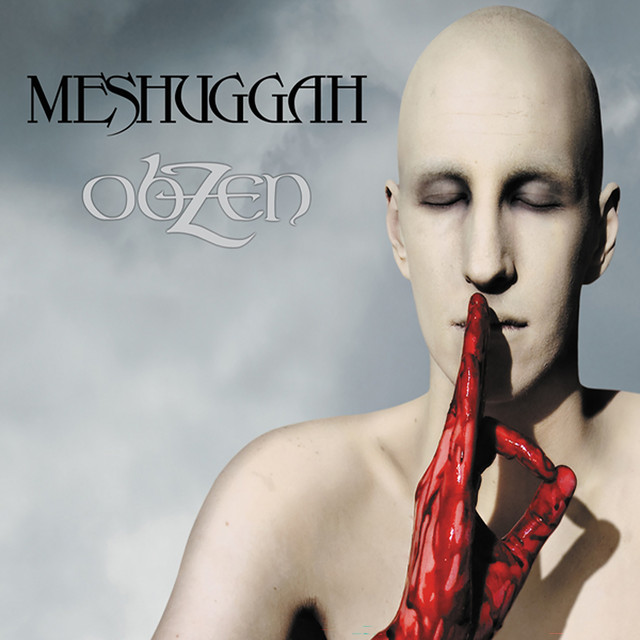
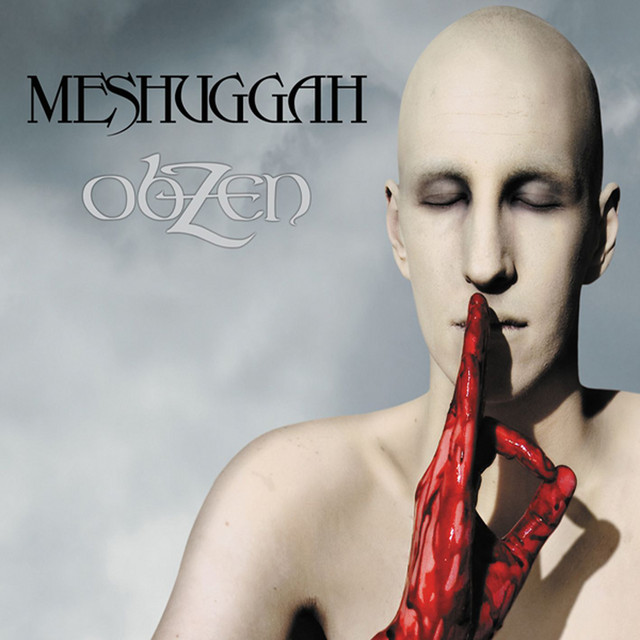
Obzen (15th Anniversary Remastered 2023 Edition)
Meshuggah
Technical Thrash
Technical Groove Metal
Progressive Groove Metal
2022
3
/5
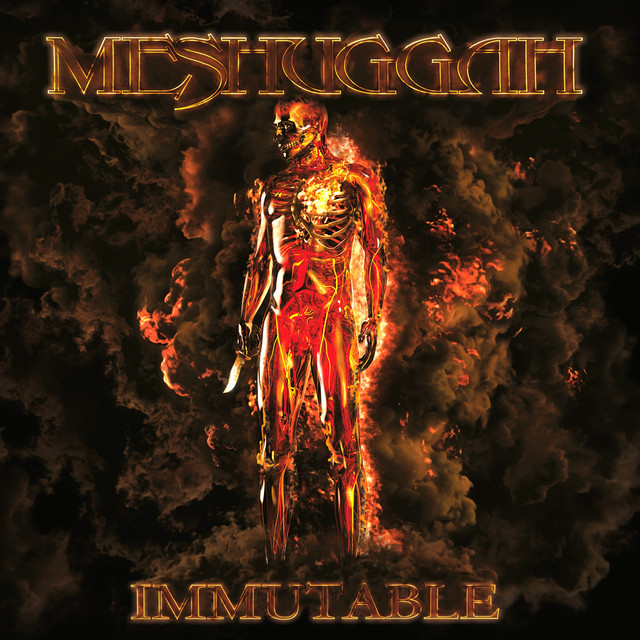
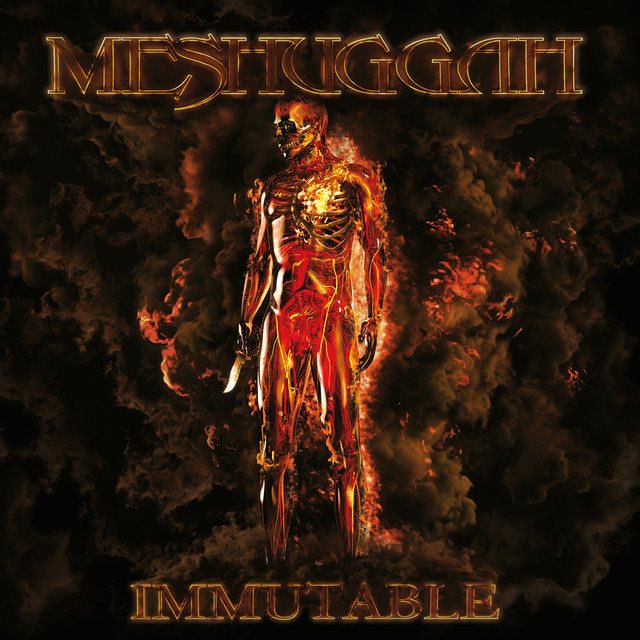
Immutable
Meshuggah
Technical Groove Metal
Technical Thrash
Progressive Groove Metal
2022
1
/5
Immutable
Meshuggah, Sonata Arctica, Sonata Arctica, Induction, At the Movies, Epica, Shi…
Technical Groove Metal
Technical Thrash
2016
1
/5
The Violent Sleep of Reason
Meshuggah
Technical Thrash
Technical Groove Metal
Djent
2016
3
/5
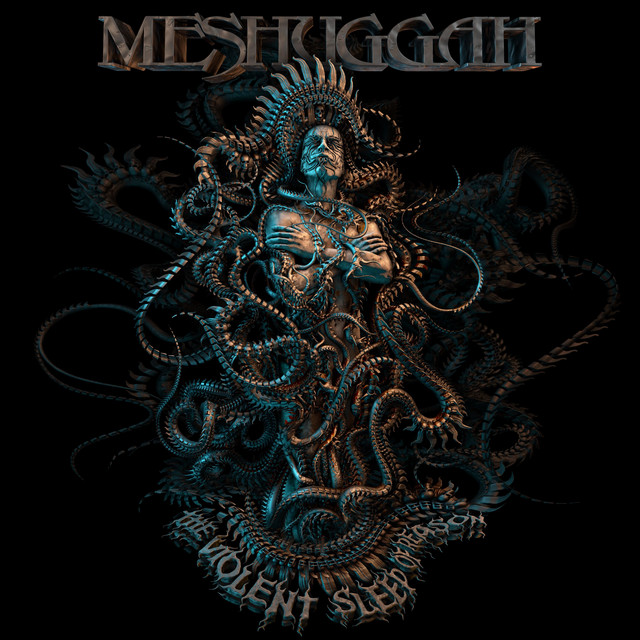
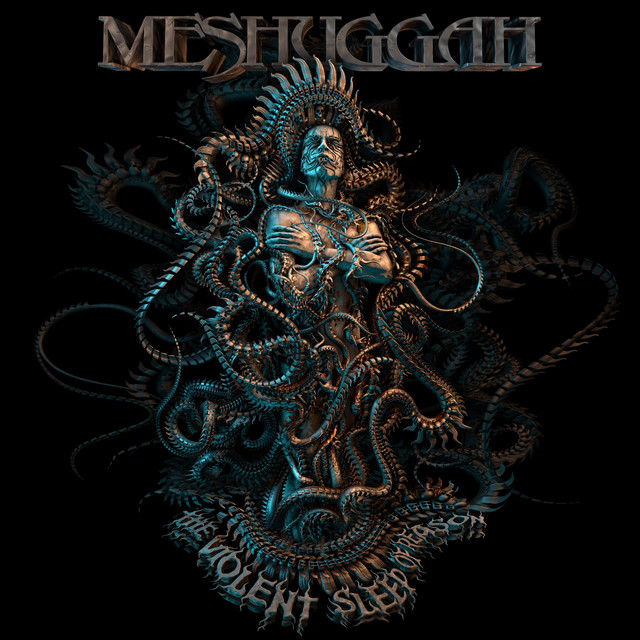
The Violent Sleep of Reason
Meshuggah
Technical Groove Metal
Technical Thrash
Progressive Groove Metal
2014
2
/5
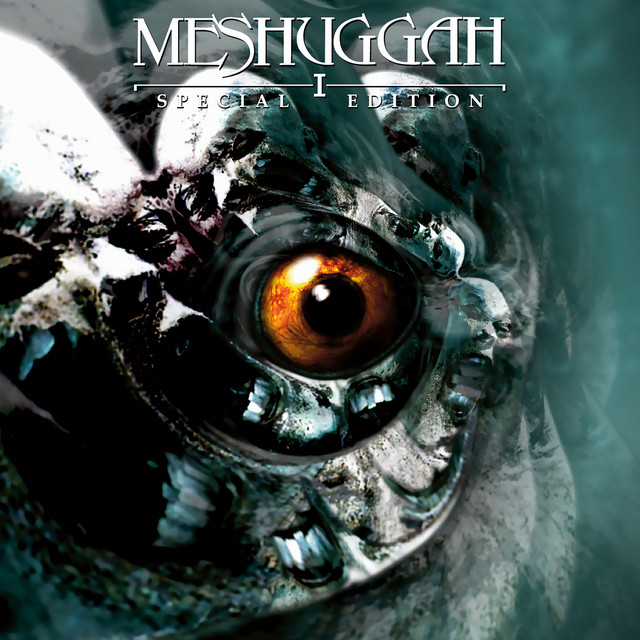
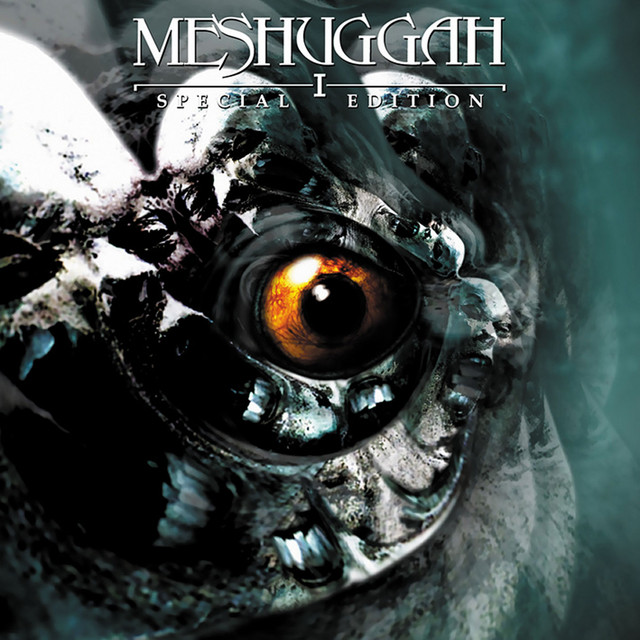
I (Special Edition)
Meshuggah
Technical Groove Metal
Technical Thrash
Progressive Groove Metal
2014
1
/5
The Ophidian Trek
Meshuggah
Technical Groove Metal
Technical Thrash
Death Metal
2012
3
/5
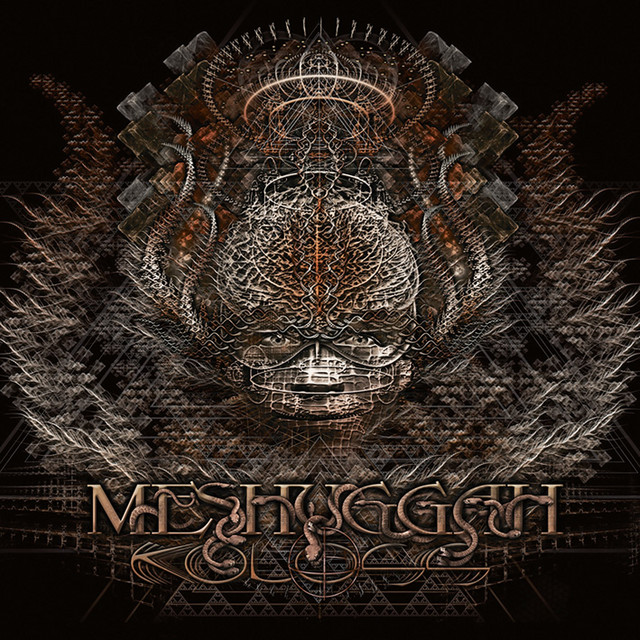
Koloss
Meshuggah
Technical Thrash
Technical Groove Metal
Progressive Groove Metal
2012
1
/5
Koloss
Meshuggah
Technical Groove Metal
Technical Thrash
Djent
2010
2
/5
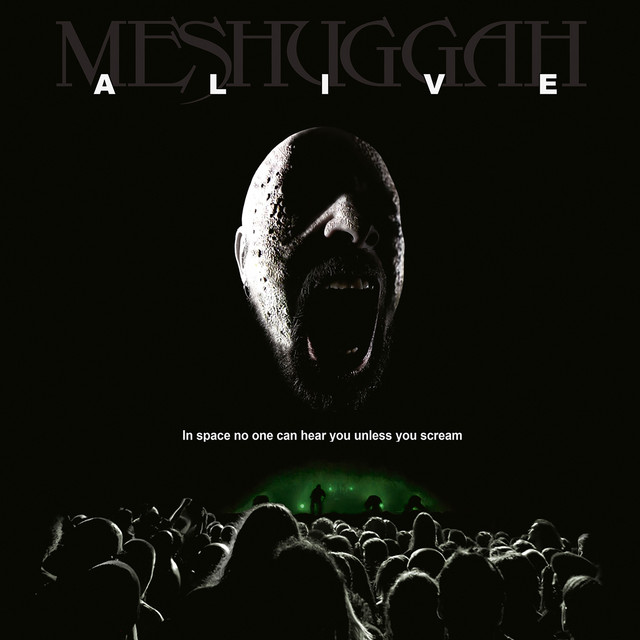
Alive
Meshuggah
Technical Groove Metal
2008
2
/5
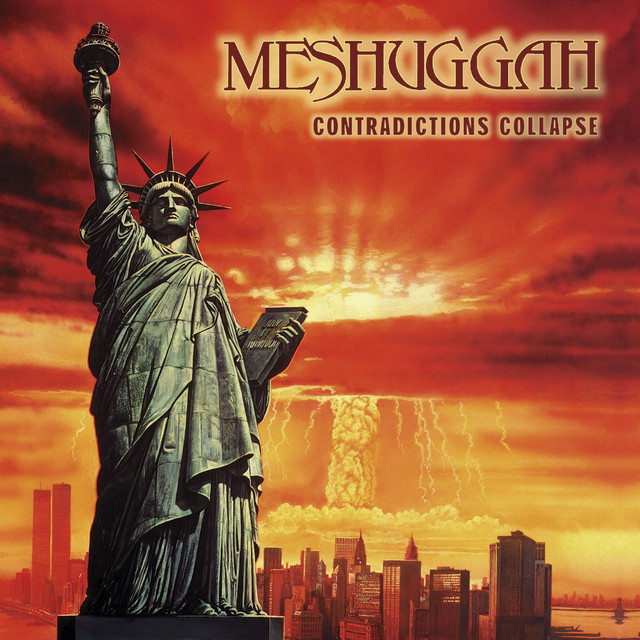
Contradictions Collapse (Reloaded)
Meshuggah
Technical Groove Metal
Thrash Metal
2008
1
/5
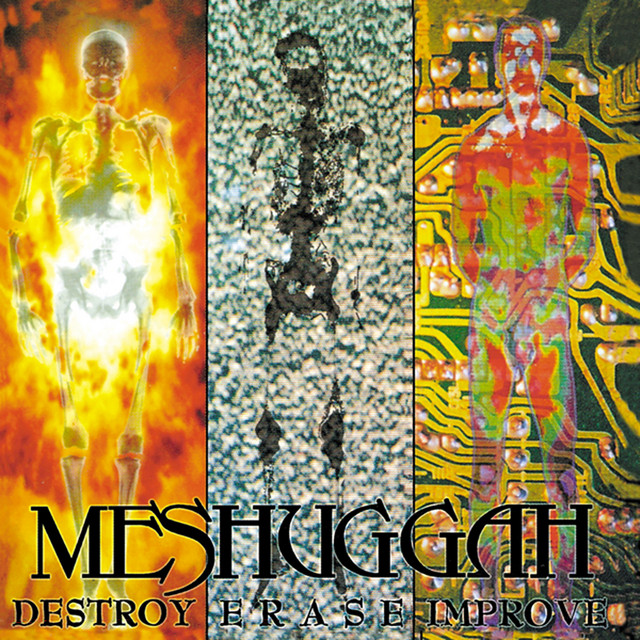
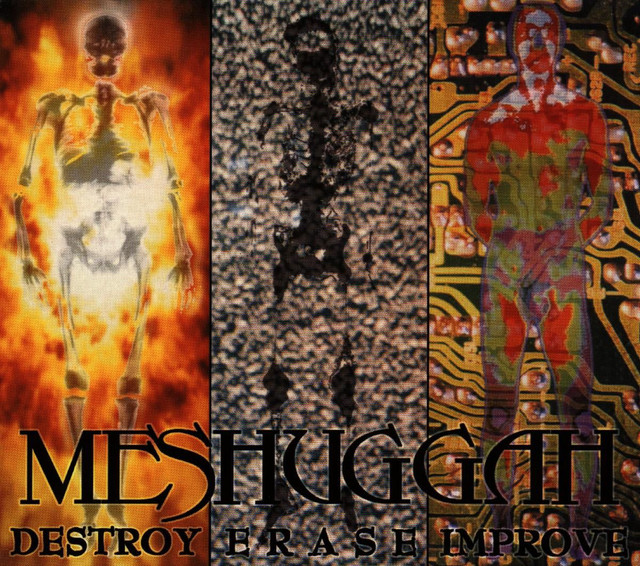
Destroy Erase Improve
Meshuggah
Djent
2008
4
/5
ObZen
Meshuggah
Technical Thrash
Technical Groove Metal
2008
1
/5
Obzen
Meshuggah
Technical Groove Metal
Technical Thrash
Progressive Groove Metal
2008
1
/5
obZen
Meshuggah, Sonata Arctica, Sonata Arctica, Induction, At the Movies, Epica, Shi…
Technical Groove Metal
Technical Thrash
2008
1
/5
obZen
Meshuggah
Djent
Death Metal
Experimental
2005
1
/5
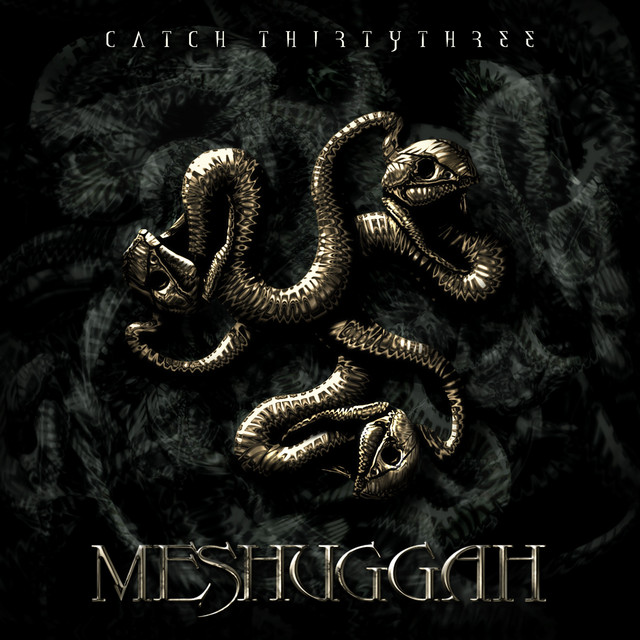
Catch Thirty Three
Meshuggah
Technical Thrash
Technical Groove Metal
Djent
2005
3
/5
Catch Thirty Three
Meshuggah
Technical Groove Metal
Technical Thrash
Progressive Groove Metal
2005
1
/5
Catch Thirtythree
Meshuggah
Djent
Heavy Metal
Rock
2004
1
/5
I (Special Edition)
Meshuggah
Technical Groove Metal
Technical Thrash
2002
2
/5
Nothing
Meshuggah
Djent
Technical Groove Metal
Technical Thrash
2002
3
/5
Nothing
Meshuggah
Technical Groove Metal
Technical Thrash
Progressive Groove Metal
2002
1
/5
Nothing
Meshuggah, Sonata Arctica, Sonata Arctica, Induction, At the Movies, Epica, Shi…
Technical Groove Metal
Technical Thrash
2002
1
/5
Nothing
Meshuggah
Djent
Progressive Metal
Rock
2001
1
/5
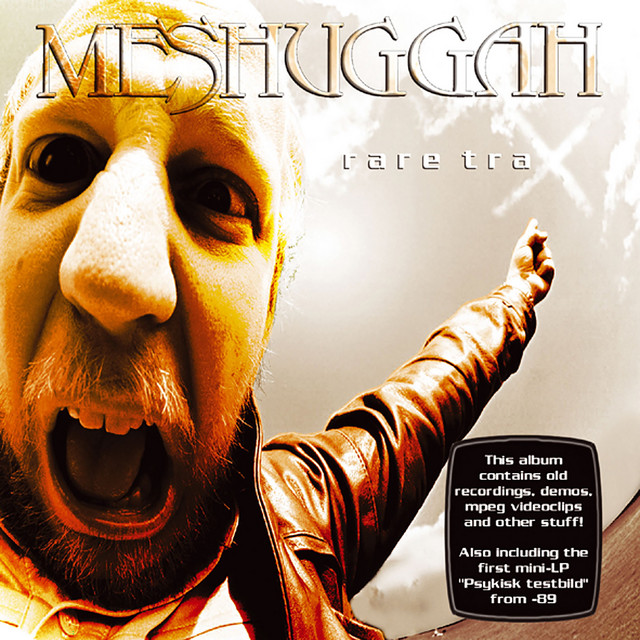
Rare Trax
Meshuggah
Technical Groove Metal
2001
2
/5
Rare Trax
Meshuggah
Technical Groove Metal
Technical Thrash
Heavy Metal
1998
1
/5
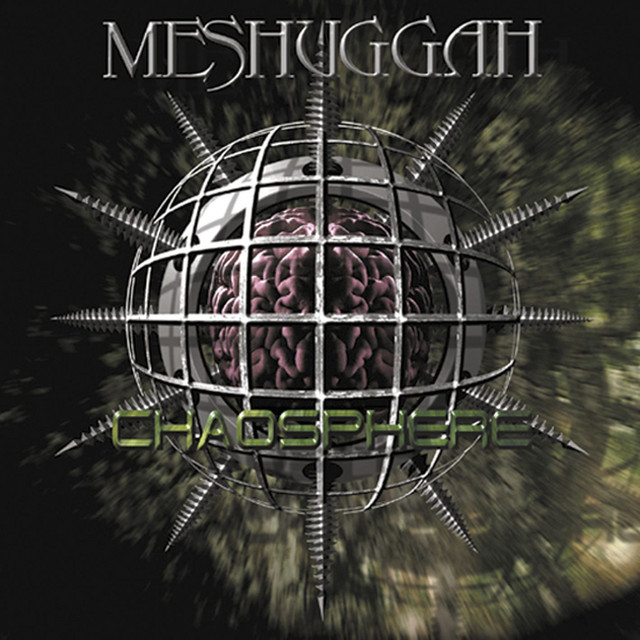
Chaosphere (25th Anniversary 2023 Remastered Edition)
Meshuggah
Technical Groove Metal
Technical Thrash
Heavy Metal
1998
1
/5
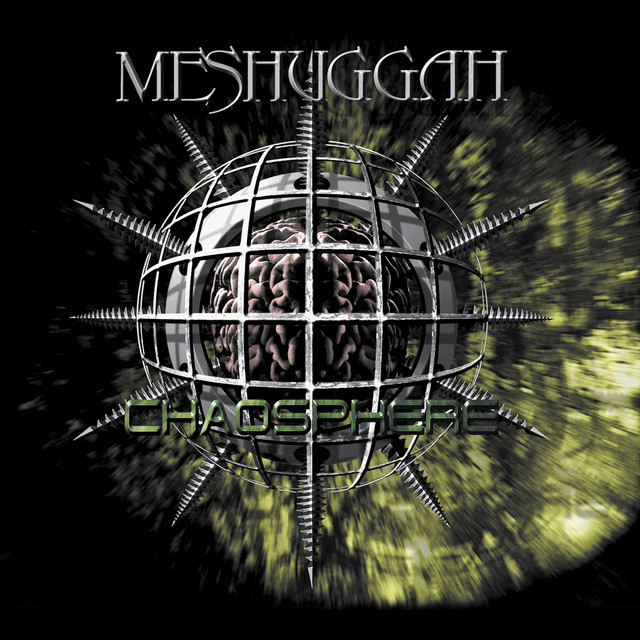
Chaosphere
Meshuggah
Technical Groove Metal
Technical Thrash
Progressive Groove Metal
1998
1
/5
Neurotica (25th Anniversary 2023 Remastered Edition)
Meshuggah
Technical Groove Metal
Technical Thrash
Progressive Groove Metal
1998
1
/5
Chaosphere
Meshuggah
Djent
Technical Groove Metal
Technical Thrash
1998
1
/5
Chaosphere (Reloaded)
Meshuggah
Technical Groove Metal
Technical Thrash
1995
3
/5
Destroy Erase Improve (Reloaded)
Meshuggah
Technical Groove Metal
Technical Thrash
1995
1
/5
Destroy Erase Improve (Reloaded)
Meshuggah
Technical Thrash
Technical Groove Metal
1994
2
/5
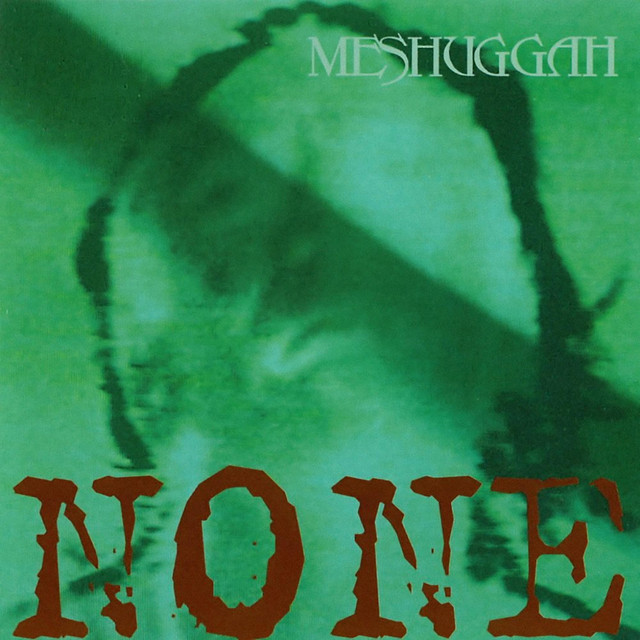
None
Meshuggah
Technical Thrash
Technical Groove Metal
Similar artists
4
/5
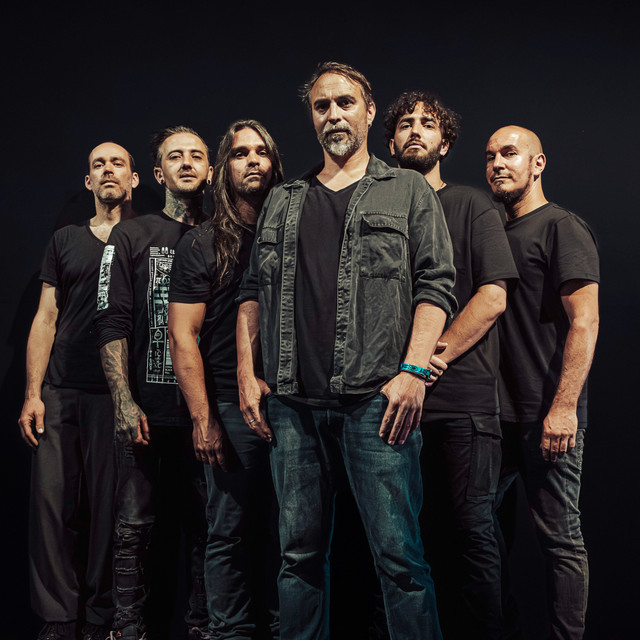
Gojira
French Death Metal
Progressive Groove Metal
Progressive Metal
2
/5
Klone
Progressive Groove Metal
Djent
Groove Metal
1
/5
Hacride
Djent
Groove Metal
Progressive Groove Metal
1
/5
Xerath
Djent
Groove Metal
Melodic Death Metal
2
/5
Voivod
Technical Thrash
Progressive Metal
Thrash Metal
4
/5
Polyphia
Instrumental Rock
Progressive Metal
Math Rock
3
/5
ERRA
Progressive Metal
Djent
Metalcore
3
/5
Jinjer
Slayer
Progressive Metal
Metalcore
3
/5
TesseracT
Djent
Progressive Metal
Metal
3
/5
Vildhjarta
Djent
Progressive Metal
Thall
Download our mobile app
Get the Melodigging app and start digging for new genres on the go
Download on the App Store
Get it on Google Play
© 2026 Melodigging
Give feedback
Legal
Melodding was created as a tribute to
Every Noise at Once
, which inspired us to help curious minds keep digging into music's ever-evolving genres.