Genres
Make Music
Artists
Albums
Challenges
Sign in
Sign in
Albums
By Meshuggah
Albums
By Meshuggah
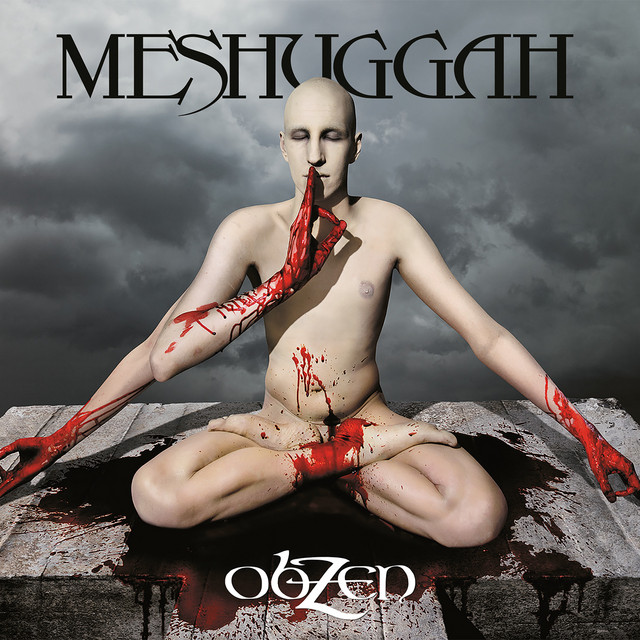
Obzen (15th Anniversary Remastered 2023 Edition)
March 31, 2023
Listen
2
/5
Genres
Technical Groove Metal
Technical groove metal fuses the locked-in, head-nodding heft of groove metal with the intricate rhythmic thinking and precision of technical and progressive metal. Expect down-tuned, percussive riffing that emphasizes syncopation and polymeter, tight double-kick patterns, and sharply articulated accents that make complex ideas still feel visceral and body-moving. The guitars and drums often lock into repeating rhythmic cells that shift against the barline, creating a hypnotic push-and-pull that balances complexity with groove. Harmonically, it favors dissonant clusters, modal minor colors, and chromatic motion, while vocals tend toward harsh mid-to-low screams or barks. Production is typically dry, punchy, and surgical, highlighting rhythmic clarity and palm-muted impact.
Discover
Listen
Progressive Groove Metal
Progressive groove metal fuses the weighty, syncopated riffing of groove metal with the ambitious song forms, odd meters, and thematic depth of progressive metal. It typically features down‑tuned 6–8‑string guitars, palm‑muted chugs interlocking with polyrhythmic drum patterns, and bass lines that emphasize grit and articulation over sheer speed. Compared with straight groove metal, the progressive strain favors shifting time signatures, polymeter (e.g., 3:2, 5:4 overlays), dynamic contrasts, and longer arrangements that build narratives. Vocals range from harsh growls and barks to clean, soaring passages, while lyrics often address big‑picture topics—environmentalism, philosophy, psychology, and social critique—alongside personal struggle.
Discover
Listen
Technical Thrash
Technical thrash is a virtuosic, hyper-precise offshoot of thrash metal that emphasizes complex song structures, fast tempo shifts, and advanced musicianship. It fuses the speed and aggression of classic thrash with the rhythmic intricacy and harmonic adventurousness of progressive music and jazz-influenced playing. Expect staccato, palm‑muted riffing in odd meters, polymetric drum work, extended instrumental passages, and lead guitar work that blends neoclassical runs with outside-note phrasing. Lyrically, technical thrash often explores science fiction, technology, psychology, and social critique, matching its cerebral musical approach with equally concept-driven themes.
Discover
Listen
Death Metal
Death metal is an extreme subgenre of heavy metal defined by heavily distorted, low‑tuned guitars, rapid and complex riffing, blast beat drumming, and harsh guttural vocals. Its harmonic language favors chromaticism, dissonance, and tremolo-picked lines that create an ominous, abrasive atmosphere. Lyrically, death metal often explores dark or transgressive themes—mortality, mythology, anti-religion, psychological horror, and the macabre—sometimes with philosophical or social commentary. Production ranges from raw and cavernous to hyper-precise and technical, reflecting the genre’s many regional scenes and substyles. From the mid‑1980s Florida scene (Tampa) and parallel developments in the US, UK, and Sweden, death metal evolved into numerous branches including brutal death metal, technical death metal, melodic death metal, and death‑doom, each emphasizing different aspects of speed, complexity, melody, or heaviness.
Discover
Listen
Metal
Metal (often used to mean heavy metal in its broad, umbrella sense) is a loud, guitar-driven style of rock defined by high-gain distortion, emphatic and often martial rhythms, and a dense, powerful low end. It foregrounds riff-based songwriting, dramatic dynamics, virtuosic guitar solos, and commanding vocals that range from melodic wails to aggressive snarls and growls. Harmonically, metal favors minor modes, modal color (Aeolian, Phrygian), chromaticism, and tritone-inflected tension, while thematically it explores power, mythology, the occult, social critique, fantasy, and existential subjects. While adjacent to hard rock, metal typically pushes amplification, distortion, precision, and thematic intensity further, forming a foundation for many specialized subgenres.
Discover
Listen
Experimental
Experimental music is an umbrella term for practices that prioritize exploration, process, and discovery over adherence to established genre norms. It embraces new sound sources, nonstandard tuning systems, indeterminacy and chance operations, graphic and open-form scores, extended techniques, and technology-led sound design (tape, electronics, computers, and live processing). Rather than a single style, it is a methodology and ethos: testing hypotheses about sound, structure, and performance, often blurring boundaries between composition, improvisation, sound art, and performance art. Listeners can expect unfamiliar timbres, unusual forms, and an emphasis on how music is made as much as the resulting sound.
Discover
Listen
Similar albums
2012
Koloss
Meshuggah
2012
Koloss
Meshuggah
2001
Terra Incognita
Gojira
2002
Nothing
Meshuggah
2016
The Violent Sleep of Reason
Meshuggah
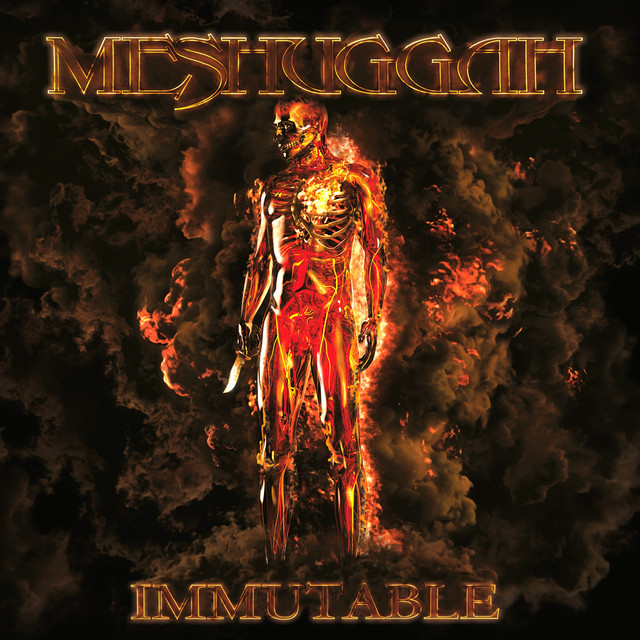
2022
Immutable
Meshuggah
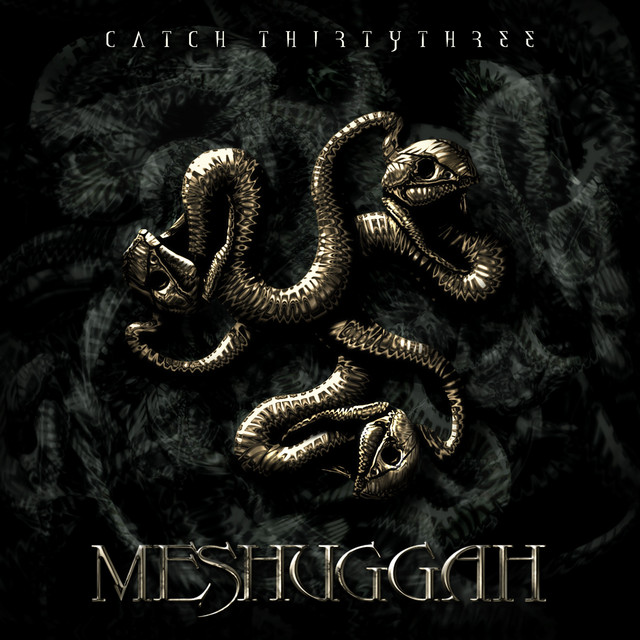
2005
Catch Thirty Three
Meshuggah
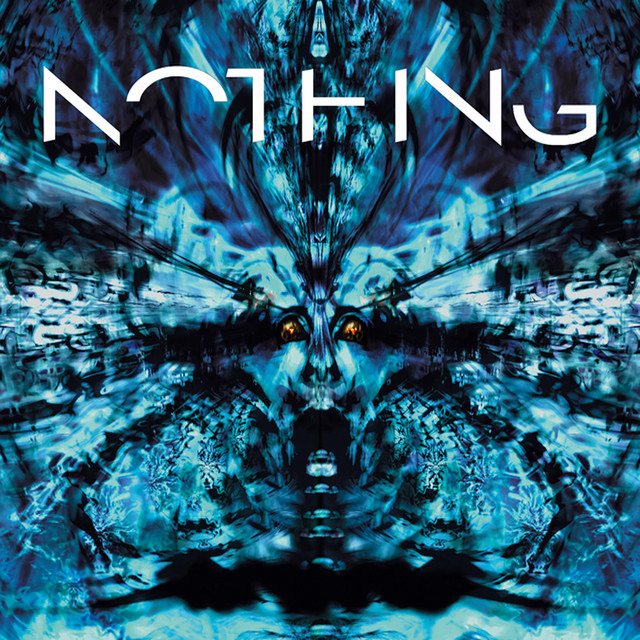
2002
Nothing
Meshuggah
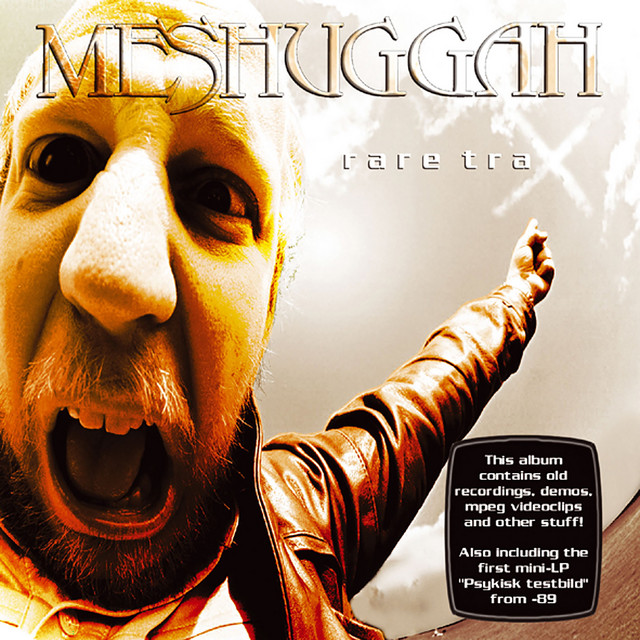
2001
Rare Trax
Meshuggah
2014
I (Special Edition)
Meshuggah
Download our mobile app
Get the Melodigging app and start digging for new genres on the go
Download on the App Store
Get it on Google Play
© 2026 Melodigging
Give feedback
Legal
Melodding was created as a tribute to
Every Noise at Once
, which inspired us to help curious minds keep digging into music's ever-evolving genres.