Genres
Artists
Albums
Make Music
Sign in
Sign in
Artists
Folk Metal
Artists
Folk Metal
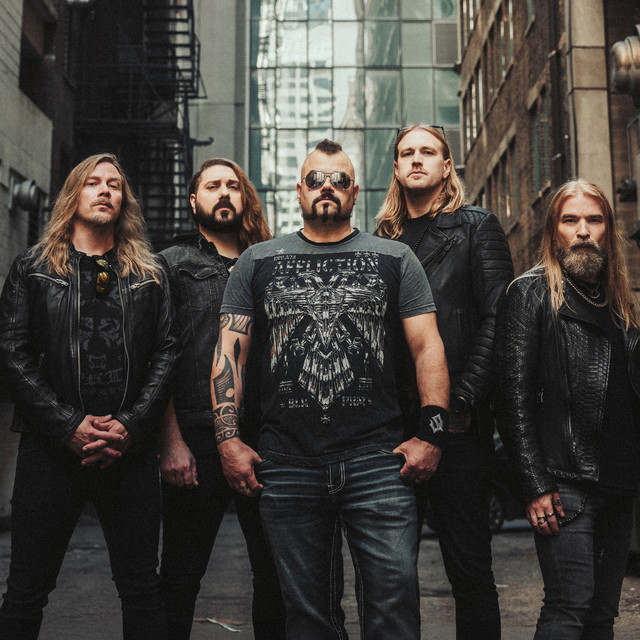
Sabaton
2014–2025
·
12 albums
Listen
4
/5
Genres
Epadunk
Epadunk (also called raggardunk) is a Swedish party‑centric microgenre that fuses high‑energy electronic dance templates with blunt, humorous and often risqué lyrics about rural cruising culture, alcohol and sex. Its name references EPA/A‑tractors—heavily modified slow‑moving cars driven by Swedish teens—that blast these tracks through oversized sound systems. Musically it draws on EDM and 1990s Eurodance hooks, sing‑along choruses and booming, car‑audio‑friendly low end. Culturally it sits inside the youth “EPA” scene and raggare tradition, where showing off vehicles and bass is part of the lifestyle. The sound crossed over nationally in 2022 when several epadunk acts dominated Sweden’s streaming charts.
Discover
Listen
Hard Motivation
Hard motivation is a functional, high-intensity micro-scene that blends the most powerful strains of modern EDM (hardstyle, big-room, trap, and dubstep) with an overt motivational ethos aimed at training, sports, and peak-performance contexts. It privileges explosive drops, distorted kicks, supersaw and screech leads, alarm-like stabs, and stadium-scale builds, often topped by hyped crowd chants or short motivational speeches. The result is music engineered to raise heart rate, focus, and determination—equally at home in the gym, combat sports warm‑ups, esports walk-ins, or highlight reels. While not a traditional genre with strict stylistic boundaries, hard motivation has coalesced online (YouTube, TikTok, streaming playlists) as a recognizable aesthetic that curates the "hardest" moments of EDM into a single, purpose-built sound.
Discover
Listen
Corrosion
Corrosion is a contemporary, industrial‑leaning strain of techno defined by heavily overdriven sound design, metallic percussion, and a dystopian, machine‑shop atmosphere. Producers foreground saturated kick drums, gritty bass lines, and corroded textures created through clipping, bit‑crushing, and re‑amping. A typical track runs at club tempos and emphasizes relentless propulsion over harmonic development, drawing on EBM’s body‑music pulse and noise/industrial’s timbral abrasion. The aesthetic prizes tactile, harsh sonics that feel physically worn—sonically “oxidized”—yet engineered for large sound systems.
Discover
Listen
The Wave
The Wave is a loosely defined cluster of American post-hardcore/emo bands that surged in the early 2010s as emo-pop’s mainstream moment faded. The name was a tongue‑in‑cheek scene tag that stuck in press coverage, but it points to a real overlap in sound, ethos, and touring networks. Musically, The Wave fuses the urgency of 1990s post‑hardcore and screamo with confessional, literate lyric writing associated with emo. Expect shouted or half‑sung/half‑spoken vocals, dynamic quiet‑loud builds, intricate but driving drums, and guitar textures that shift between glassy clean arpeggios and overdriven, emotive climaxes. The songs often emphasize catharsis, narrative detail, and community-minded DIY presentation.
Discover
Listen
Guitar Case
Guitar case is a modern, singer‑songwriter–leaning microgenre built around intimate, mostly acoustic performances that could plausibly be delivered on a street corner with a guitar case open for tips. Tracks typically foreground a warm acoustic guitar (strummed or finger‑picked), close‑miked vocals, and confessional, first‑person narratives. Production is deliberately sparse—often just voice and guitar, perhaps with light percussion, harmony vocals, or subtle textures—so that the storytelling remains the focus. Aesthetically, it draws on folk and contemporary pop sensibilities, with memorable hooks delivered in a relaxed, personable tone. Tempos tend to be moderate, the harmonic language familiar and diatonic, and the overall feel approachable, buskable, and audience‑friendly.
Discover
Listen
Epic Music
Epic music is a modern, production-oriented orchestral style designed to evoke awe, scale, and cinematic impact. It fuses the language of film scores—soaring strings, heroic brass, thunderous percussion, and choir—with contemporary sound design such as braaams, risers, and hybrid electronic elements. Originally emerging from trailer-music houses, the genre prioritizes dramatic arcs and clear, escalating structures tailored to short-form media. Pieces often build from a low, pulsing ostinato to a towering climax with layered melodies, heavy drums, and choral chants, aiming to inspire, energize, or convey high stakes in a matter of minutes.
Discover
Listen
Folk Metal
Folk metal blends the power and riff-driven intensity of heavy metal with melodies, instruments, scales, and storytelling traditions from regional folk music. Typical arrangements combine distorted guitars, bass, and drums with fiddles, flutes, whistles, bagpipes, accordions, hurdy-gurdies, bouzoukis, and other traditional instruments. Bands often draw on myth, history, and local folklore for lyrical themes, ranging from epic sagas and battle hymns to drinking songs and pastoral ballads. The style spans a spectrum from aggressive and blackened approaches to upbeat, danceable, and festive moods, making it one of metal’s most diverse and regionally distinctive subgenres.
Discover
Listen
Symphonic Metal
Symphonic metal fuses the power and riff-driven weight of heavy metal with the grandeur of orchestral music, choral writing, and operatic vocals. It often features full-scale symphonic arrangements—either via live orchestras and choirs or through sophisticated sampling—alongside distorted guitars, bass, and double-kick drumming. Hallmarks include cinematic songwriting, classical harmony (minor keys, modal colors, counterpoint), sweeping string ostinati, brass fanfares, and layered choirs. Vocal approaches range from operatic soprano leads to melodic rock vocals and occasional harsh growls. Lyrically, the genre leans toward myth, fantasy, history, philosophy, and romantic or existential themes, delivering an epic, theatrical atmosphere.
Discover
Listen
Power Metal
Power metal is a fast, melodic, and anthemic branch of heavy metal that emphasizes uplifting melodies, soaring clean vocals, triumphant choruses, and virtuosic guitar and keyboard leads. Its lyrical focus often centers on fantasy, mythology, historical epics, and heroic narratives, aiming for a cinematic sense of grandeur. The genre coalesced in the mid-1980s from the speed and melody of NWOBHM and speed metal, then split into two recognizable strains: the more aggressive, riff‑driven U.S. power metal and the highly melodic, keyboard‑rich European style. Hallmarks include double‑bass drumming, harmonized twin‑guitar lines, neoclassical flourishes, and rousing sing‑along refrains designed for large audiences.
Discover
Listen
Pop Metal
Pop metal is a radio-friendly strain of heavy music that blends the polish and hooks of pop with the guitar-driven power of hard rock and heavy metal. Characterized by anthemic choruses, glossy production, and melodic guitar solos, it favors catchy verse–pre‑chorus–chorus structures, harmonized vocals, and big, reverberant drums. The sound often employs layered rhythm guitars, high-gain yet smooth tones, and earworm toplines, while power ballads showcase cleaner guitars, keyboards, and soaring vocals. Visually and culturally, the style emerged alongside the glam/hair metal movement, leveraging MTV-ready aesthetics and crossover songwriting to reach mainstream audiences far beyond traditional metal scenes.
Discover
Listen
Speed Metal
Speed metal is a fast, precision-driven branch of heavy metal that crystallized at the turn of the 1980s. It emphasizes aggressive tempos, tightly synchronized riffing, and virtuosic lead guitar work, while generally retaining melodic, often clean or strident vocals. Compared with thrash metal, speed metal tends to be less percussive and more melodic, favoring galloping rhythms, twin-guitar harmonies, and classic verse–chorus structures. Drums often employ rapid double-time feels and double-bass patterns, while bass frequently mirrors the rhythm guitar to reinforce propulsion. Lyrical themes range from rebellion and street realism to fantasy, warfare, and sci‑fi.
Discover
Listen
Heavy Metal
Heavy metal is a loud, guitar-driven style of rock defined by heavily distorted riffs, thunderous drums, and powerful vocals. Its musical language emphasizes minor modes, modal (Aeolian, Phrygian) riffing, and energy over groove, often featuring virtuosic guitar solos and dramatic dynamic contrasts. Emerging from late-1960s blues rock and psychedelic experimentation, heavy metal codified a darker, heavier sound with bands like Black Sabbath, Deep Purple, and Led Zeppelin. The genre values weight, intensity, and grandeur—whether through plodding, doom-laden tempos or galloping, high-energy rhythms—paired with themes that range from personal struggle and social critique to fantasy, mythology, and the occult.
Discover
Listen
Metal
Metal (often used to mean heavy metal in its broad, umbrella sense) is a loud, guitar-driven style of rock defined by high-gain distortion, emphatic and often martial rhythms, and a dense, powerful low end. It foregrounds riff-based songwriting, dramatic dynamics, virtuosic guitar solos, and commanding vocals that range from melodic wails to aggressive snarls and growls. Harmonically, metal favors minor modes, modal color (Aeolian, Phrygian), chromaticism, and tritone-inflected tension, while thematically it explores power, mythology, the occult, social critique, fantasy, and existential subjects. While adjacent to hard rock, metal typically pushes amplification, distortion, precision, and thematic intensity further, forming a foundation for many specialized subgenres.
Discover
Listen
Rock
Rock is a broad family of popular music centered on amplified instruments, a strong backbeat, and song forms that foreground riffs, choruses, and anthemic hooks. Emerging from mid‑20th‑century American styles like rhythm & blues, country, and gospel-inflected rock and roll, rock quickly expanded in scope—absorbing folk, blues, and psychedelic ideas—while shaping global youth culture. Core sonic markers include electric guitar (often overdriven), electric bass, drum kit emphasizing beats 2 and 4, and emotive lead vocals. Rock songs commonly use verse–chorus structures, blues-derived harmony, and memorable melodic motifs, ranging from intimate ballads to high‑energy, stadium‑sized performances.
Discover
Listen
Show all 14 genres
Albums
2025
4
/5
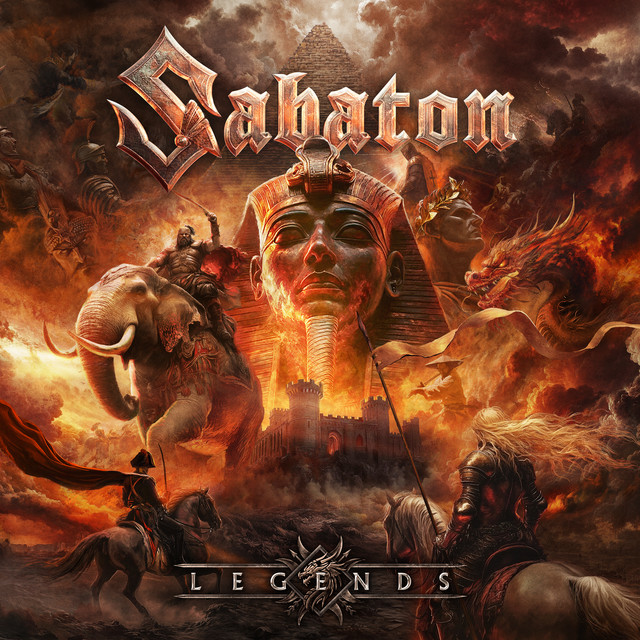
Legends
Sabaton
Folk Metal
Power Metal
Symphonic Metal
2025
3
/5
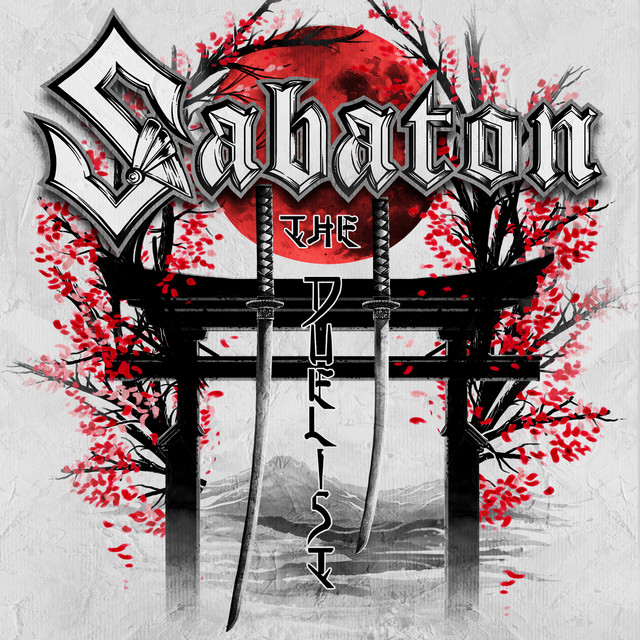
The Duelist
Sabaton
Power Metal
Folk Metal
Symphonic Metal
2025
3
/5
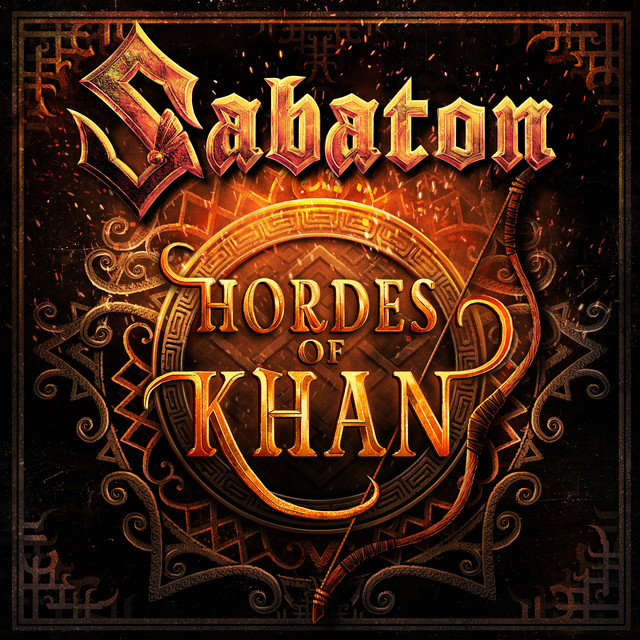
Hordes of Khan
Sabaton
Symphonic Metal
Folk Metal
Power Metal
2025
3
/5
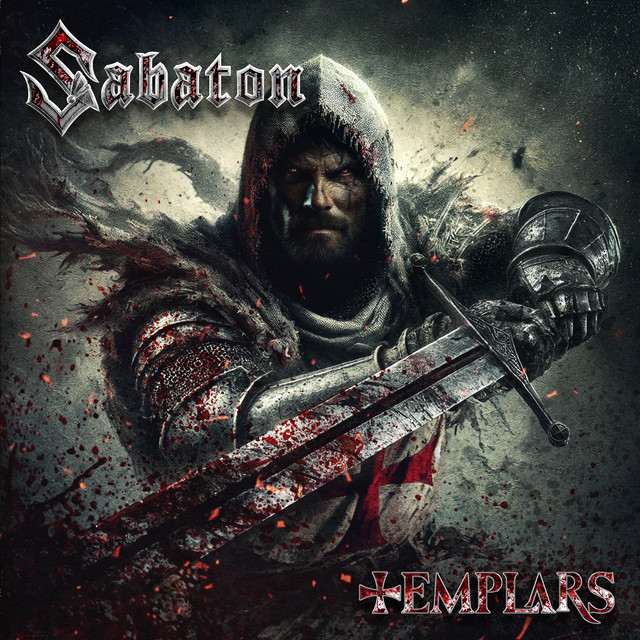
Templars
Sabaton
Folk Metal
Symphonic Metal
Power Metal
2022
3
/5
The Symphony to End All Wars
Sabaton
Epic Music
Heavy Metal
Metal
2022
4
/5
The War to End All Wars
Sabaton
Folk Metal
Power Metal
Symphonic Metal
2022
3
/5
The Unkillable Soldier
Sabaton
Symphonic Metal
Folk Metal
Heavy Metal
2021
3
/5
Defence of Moscow
Sabaton
Folk Metal
Symphonic Metal
Power Metal
2019
4
/5
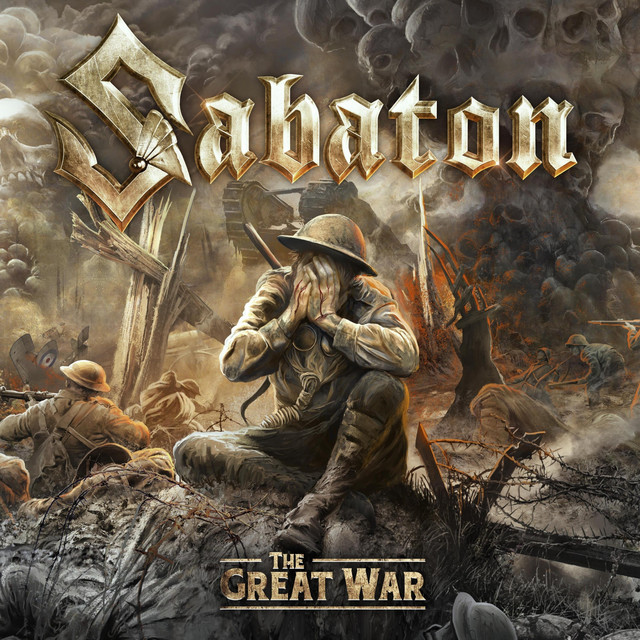
The Great War
Sabaton
Symphonic Metal
Folk Metal
Power Metal
2019
2
/5
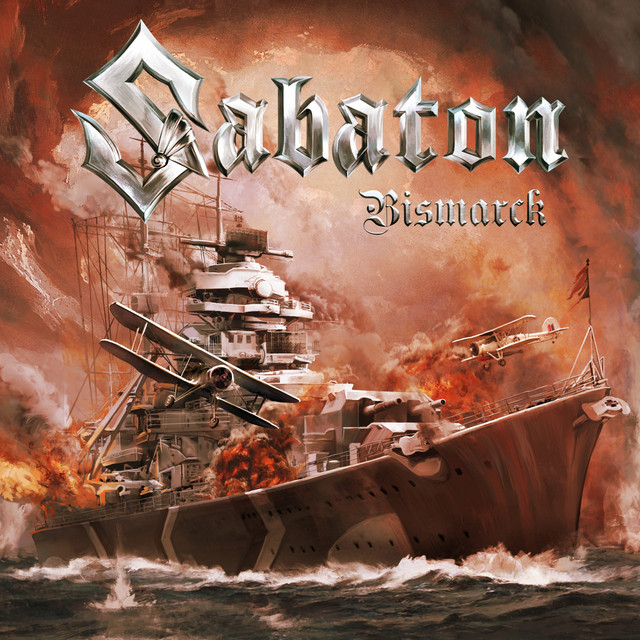
Bismarck
Sabaton
Folk Metal
Power Metal
Symphonic Metal
2016
4
/5
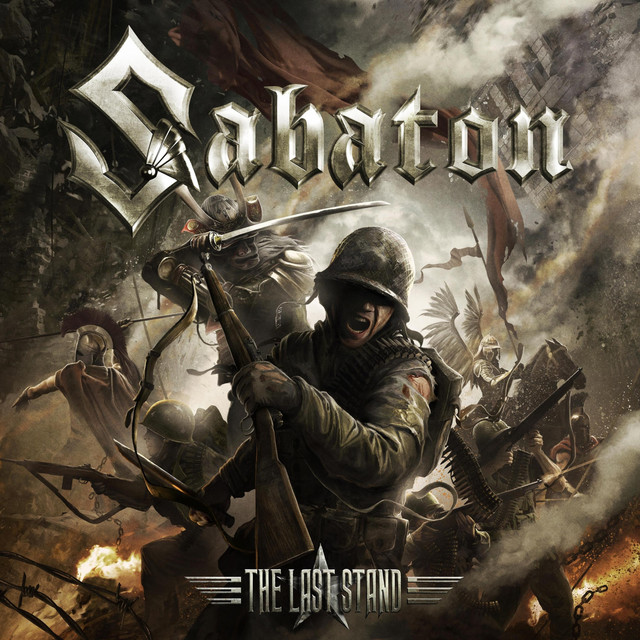
The Last Stand
Sabaton
Symphonic Metal
Folk Metal
Power Metal
2014
4
/5
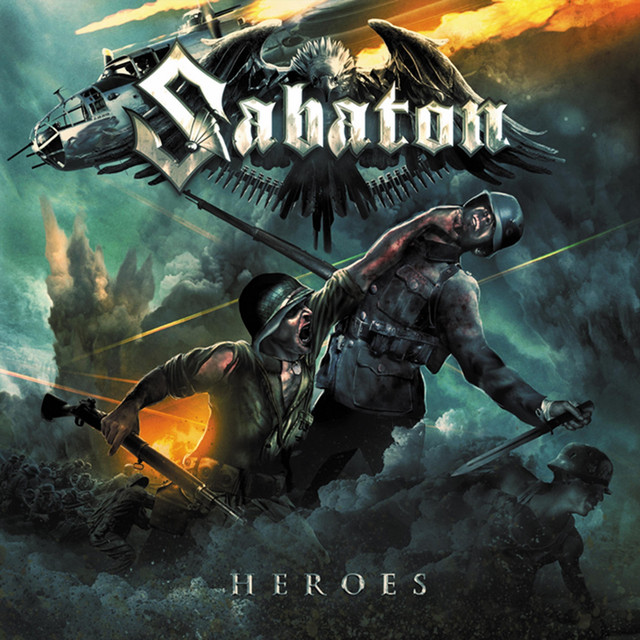
Heroes
Sabaton
Folk Metal
Symphonic Metal
Power Metal
Similar artists
4
/5
Nightwish
Fantasy Metal
Opera Metal
Power Metal
4
/5
Powerwolf
Heavy Metal
Pirate Metal
Power Metal
3
/5
Blind Guardian
Power Metal
Heavy Metal
Metal
3
/5
HammerFall
Folk Metal
Heavy Metal
Power Metal
3
/5
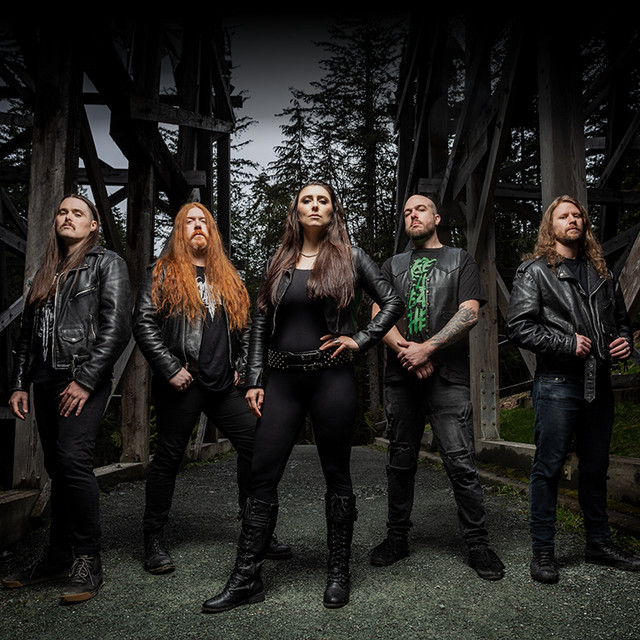
Unleash The Archers
Metal
Power Metal
Folk Metal
3
/5
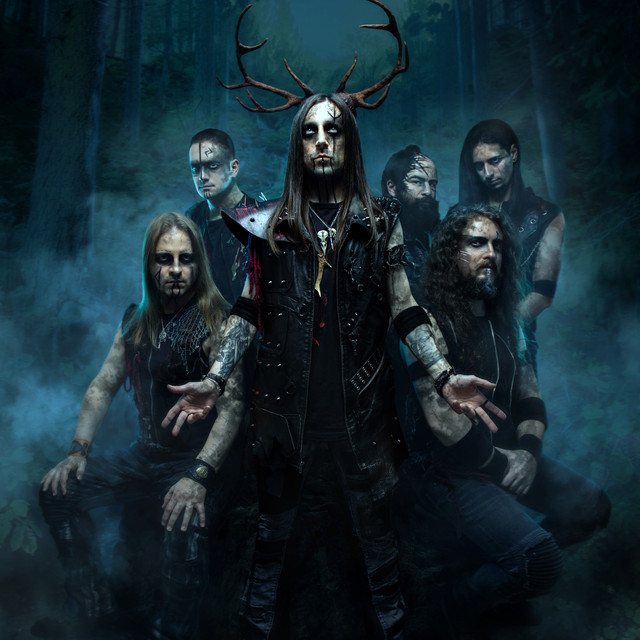
Elvenking
Power Metal
Folk Metal
Medieval Metal
3
/5
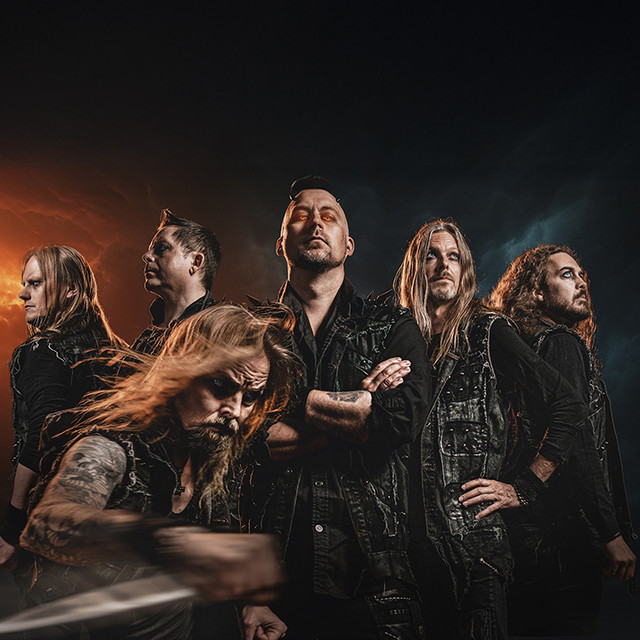
Bloodbound
Folk Metal
Heavy Metal
Metal
2
/5
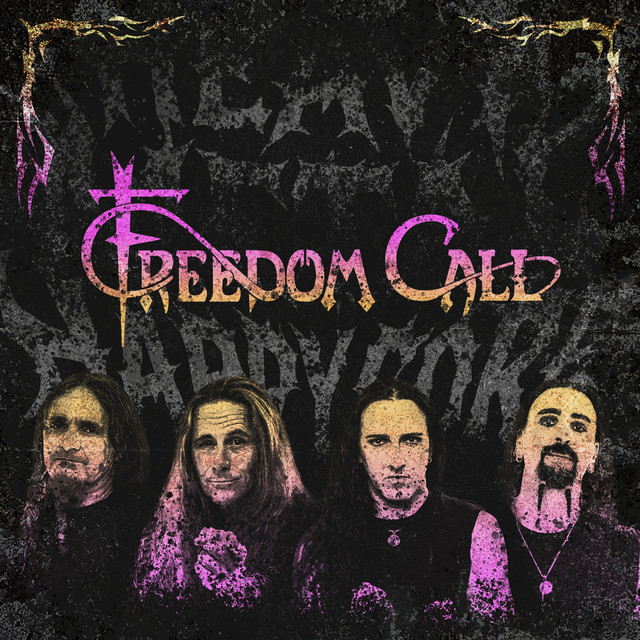
Freedom Call
Folk Metal
Heavy Metal
Metal
4
/5
Helloween
Power Metal
Heavy Metal
Speed Metal
3
/5
Epica
Opera Metal
Symphonic Metal
Gothic Metal
Download our mobile app
Get the Melodigging app and start digging for new genres on the go
Download on the App Store
Get it on Google Play
© 2026 Melodigging
Give feedback
Legal
Melodding was created as a tribute to
Every Noise at Once
, which inspired us to help curious minds keep digging into music's ever-evolving genres.