Genres
Artists
Albums
Make Music
Sign in
Sign in
Artists
Metal
Artists
Metal
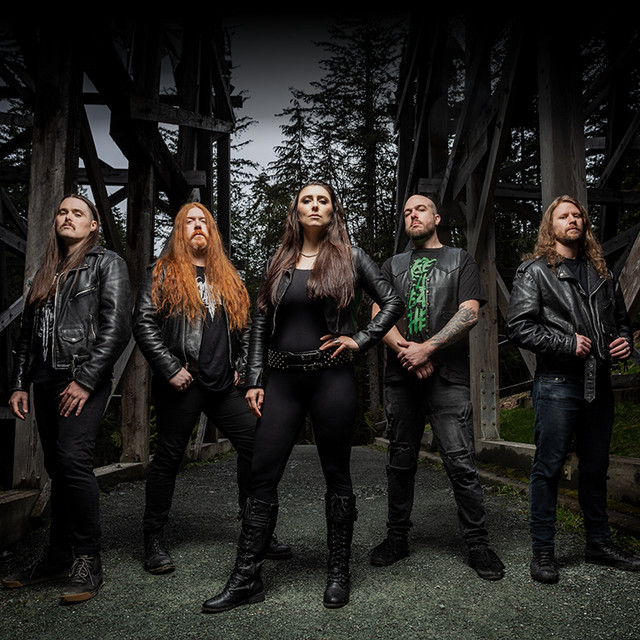
Unleash The Archers
2019
·
1 album
Listen
3
/5
Genres
Folk Metal
Folk metal blends the power and riff-driven intensity of heavy metal with melodies, instruments, scales, and storytelling traditions from regional folk music. Typical arrangements combine distorted guitars, bass, and drums with fiddles, flutes, whistles, bagpipes, accordions, hurdy-gurdies, bouzoukis, and other traditional instruments. Bands often draw on myth, history, and local folklore for lyrical themes, ranging from epic sagas and battle hymns to drinking songs and pastoral ballads. The style spans a spectrum from aggressive and blackened approaches to upbeat, danceable, and festive moods, making it one of metal’s most diverse and regionally distinctive subgenres.
Discover
Listen
Symphonic Metal
Symphonic metal fuses the power and riff-driven weight of heavy metal with the grandeur of orchestral music, choral writing, and operatic vocals. It often features full-scale symphonic arrangements—either via live orchestras and choirs or through sophisticated sampling—alongside distorted guitars, bass, and double-kick drumming. Hallmarks include cinematic songwriting, classical harmony (minor keys, modal colors, counterpoint), sweeping string ostinati, brass fanfares, and layered choirs. Vocal approaches range from operatic soprano leads to melodic rock vocals and occasional harsh growls. Lyrically, the genre leans toward myth, fantasy, history, philosophy, and romantic or existential themes, delivering an epic, theatrical atmosphere.
Discover
Listen
Gothic Symphonic Metal
Gothic symphonic metal blends the brooding atmosphere and romantic darkness of gothic metal with the orchestral grandeur and cinematic scale of symphonic metal. It typically features soaring, often classically trained female vocals contrasted with harsh growls or baritone male voices (“beauty-and-the-beast” style), layered choirs, and full string and brass arrangements supporting distorted guitars and double‑kick drums. The harmony favors minor keys, modal colors (Aeolian, Phrygian), and chromatic lines, while the arrangements borrow from classical and operatic writing: overture‑like intros, leitmotifs, and dynamic crescendos. Lyrically, it leans toward myth, fantasy, romance, spirituality, melancholy, and gothic literature, delivered with a dramatic, theatrical sensibility.
Discover
Listen
Power Metal
Power metal is a fast, melodic, and anthemic branch of heavy metal that emphasizes uplifting melodies, soaring clean vocals, triumphant choruses, and virtuosic guitar and keyboard leads. Its lyrical focus often centers on fantasy, mythology, historical epics, and heroic narratives, aiming for a cinematic sense of grandeur. The genre coalesced in the mid-1980s from the speed and melody of NWOBHM and speed metal, then split into two recognizable strains: the more aggressive, riff‑driven U.S. power metal and the highly melodic, keyboard‑rich European style. Hallmarks include double‑bass drumming, harmonized twin‑guitar lines, neoclassical flourishes, and rousing sing‑along refrains designed for large audiences.
Discover
Listen
Slayer
Slayer is a micro-genre label used to describe the most ferocious, ultra-fast strain of thrash metal centered on the sound and aesthetic pioneered by the band Slayer. It emphasizes blistering tempos, tightly palm-muted riffing, tremolo-picked lines, chaotic whammy-bar leads, and relentless double‑bass drumming. Lyrics and imagery lean toward horror, war, anti‑authoritarian themes, and occult or apocalyptic motifs. Compared to broader thrash, the "slayer" style is darker, faster, and more uncompromising, forming a template for much of extreme metal that followed.
Discover
Listen
Metal
Metal (often used to mean heavy metal in its broad, umbrella sense) is a loud, guitar-driven style of rock defined by high-gain distortion, emphatic and often martial rhythms, and a dense, powerful low end. It foregrounds riff-based songwriting, dramatic dynamics, virtuosic guitar solos, and commanding vocals that range from melodic wails to aggressive snarls and growls. Harmonically, metal favors minor modes, modal color (Aeolian, Phrygian), chromaticism, and tritone-inflected tension, while thematically it explores power, mythology, the occult, social critique, fantasy, and existential subjects. While adjacent to hard rock, metal typically pushes amplification, distortion, precision, and thematic intensity further, forming a foundation for many specialized subgenres.
Discover
Listen
Heavy Metal
Heavy metal is a loud, guitar-driven style of rock defined by heavily distorted riffs, thunderous drums, and powerful vocals. Its musical language emphasizes minor modes, modal (Aeolian, Phrygian) riffing, and energy over groove, often featuring virtuosic guitar solos and dramatic dynamic contrasts. Emerging from late-1960s blues rock and psychedelic experimentation, heavy metal codified a darker, heavier sound with bands like Black Sabbath, Deep Purple, and Led Zeppelin. The genre values weight, intensity, and grandeur—whether through plodding, doom-laden tempos or galloping, high-energy rhythms—paired with themes that range from personal struggle and social critique to fantasy, mythology, and the occult.
Discover
Listen
Sea Shanty
Sea shanty is a maritime work song that developed aboard sailing ships to coordinate group labor. It uses a strong, steady pulse and a call-and-response structure in which a lead singer (the shantyman) calls the verse and the crew responds in chorus to time their pulls, pushes, or turns together. Historically unaccompanied and sung in unison, shanties are tailored to specific tasks: short-drag (brief, forceful pulls), halyard/long-drag (heavier, fewer pulls per line), capstan/windlass (continuous, walking rhythm), and pumping shanties (repetitive, machine-like pulse). Lyrics mix practical timing cues with humor, bravado, longing, and port lore, and often use nonsense vocables (“way, hey,” “haul away”) to accent the work strokes. While closely related to broader “sea songs” and forebitters (off-duty songs), shanties are distinct in purpose: they are functional music designed to synchronize labor. The style flourished in the 19th century among English-speaking merchant navies, absorbing influences from British and Irish folk traditions and African-American and Afro-Caribbean work-song practices.
Discover
Listen
Show all 8 genres
Albums
2019
3
/5
Explorers
Unleash The Archers
Slayer
Gothic Symphonic Metal
Heavy Metal
Similar artists
4
/5
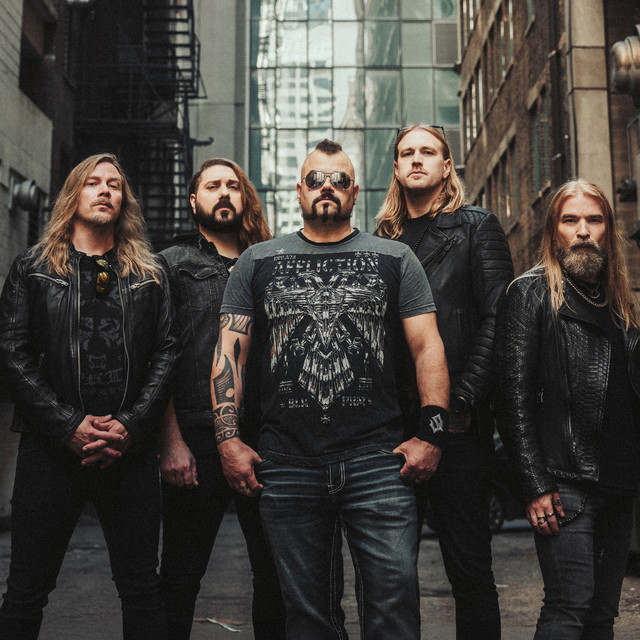
Sabaton
Folk Metal
Heavy Metal
Power Metal
4
/5
Nightwish
Fantasy Metal
Opera Metal
Power Metal
3
/5
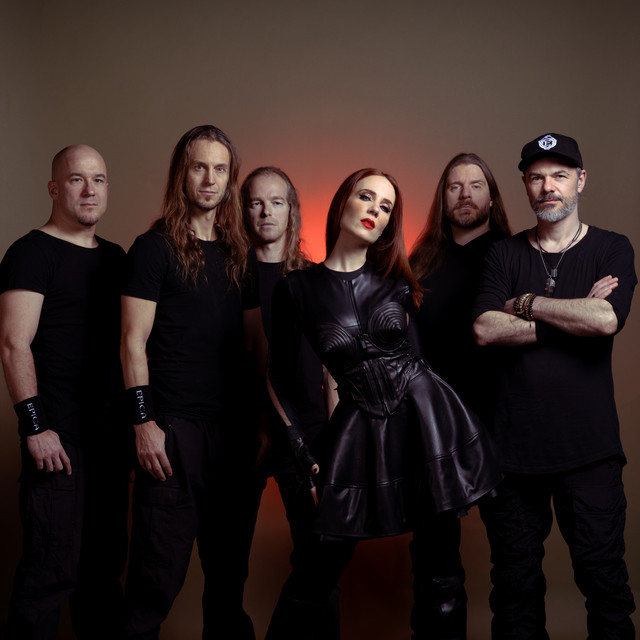
Epica
Opera Metal
Symphonic Metal
Gothic Metal
3
/5
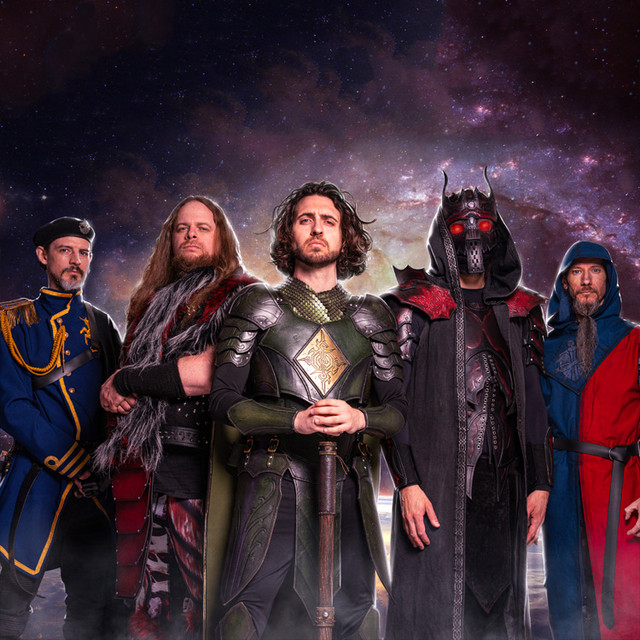
Gloryhammer
Symphonic Metal
Folk Metal
Metal
3
/5
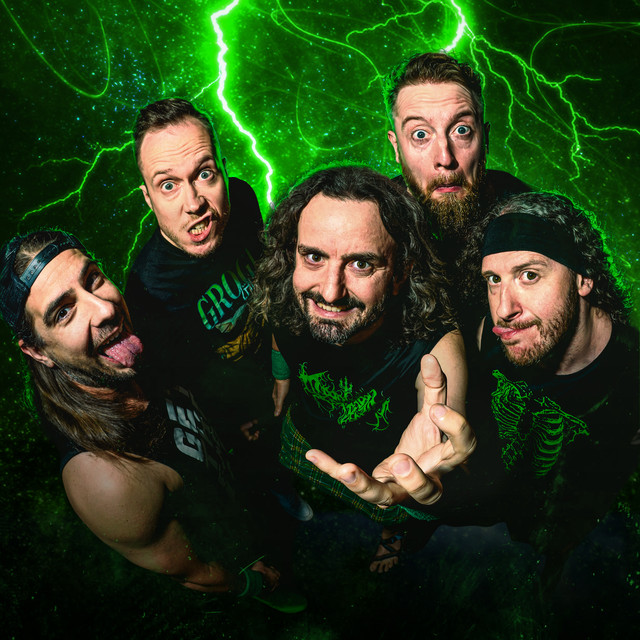
Alestorm
Pirate
Folk Metal
Power Metal
3
/5
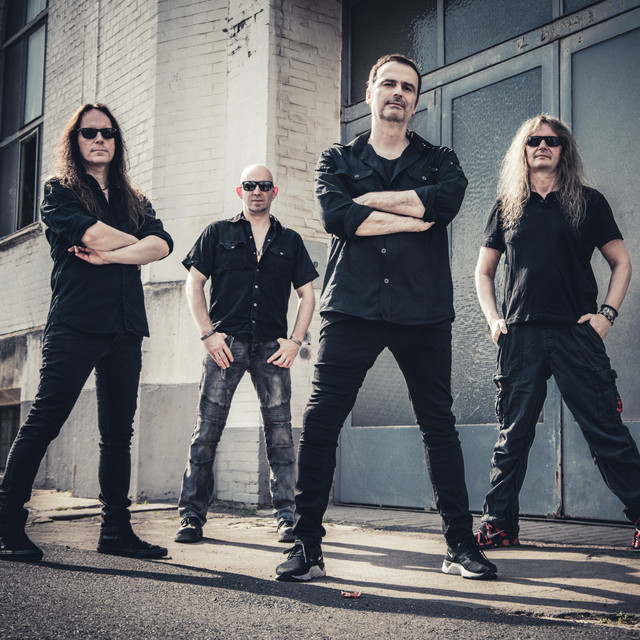
Blind Guardian
Power Metal
Heavy Metal
Metal
3
/5
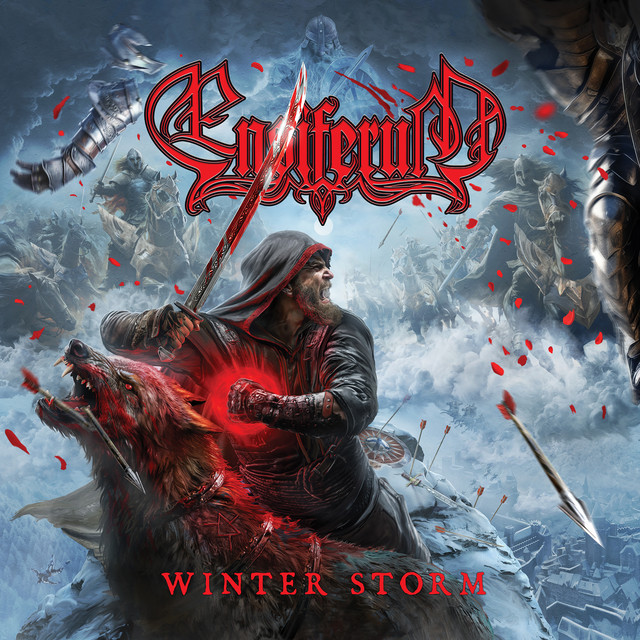
Ensiferum
Nordic Folk Metal
Folk Metal
Power Metal
3
/5
Wintersun
Melodic Death Metal
Metal
Viking Metal
4
/5
Powerwolf
Heavy Metal
Pirate Metal
Power Metal
3
/5
Brothers of Metal
Folk Metal
Medieval Metal
Power Metal
Download our mobile app
Get the Melodigging app and start digging for new genres on the go
Download on the App Store
Get it on Google Play
© 2026 Melodigging
Give feedback
Legal
Melodding was created as a tribute to
Every Noise at Once
, which inspired us to help curious minds keep digging into music's ever-evolving genres.