Genres
Artists
Albums
Make Music
Sign in
Sign in
Artists
Symphonic Metal
Artists
Symphonic Metal
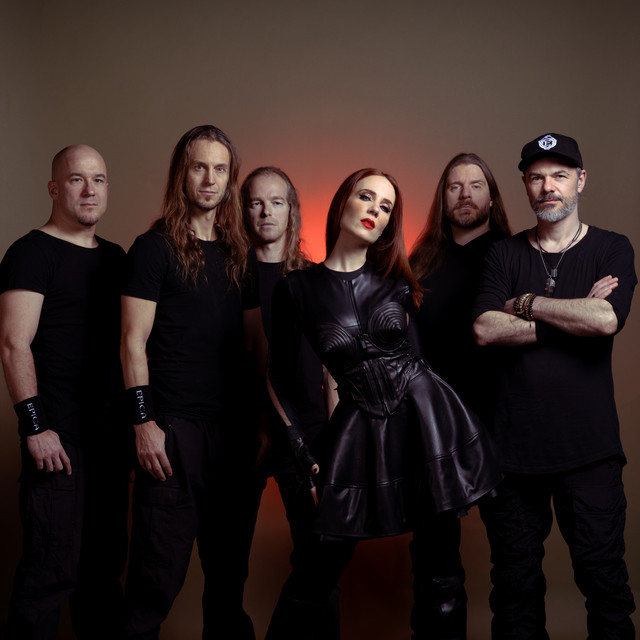
Epica
2003–2025
·
14 albums
Listen
3
/5
Genres
Neo Metal
Neo metal is a contemporary, hybrid branch of heavy music that fuses modern metal riffing and breakdown power with glossy, pop-aware songwriting and electronic production. It borrows the bounce and hip‑hop sensibility of late‑1990s/early‑2000s nu metal, the precision of metalcore and djent, and the synthetic textures of EDM, trap, and industrial. Hallmarks include down‑tuned 7–8‑string guitars, half‑time, groove‑led drums, sub‑heavy 808s, and an emotive vocal palette that shifts between screams, rap‑cadenced phrasing, and soaring pop choruses. Studio craft is central: sound design, side‑chained synths, layered vocals, and punchy, wide masters aim for festival‑scale impact while remaining radio/playlist friendly.
Discover
Listen
Nightrun
Nightrun is a synthwave-adjacent microgenre built for the sensation of cruising through a neon-lit city at night. It blends retro-’80s analog synth timbres, melodramatic minor-key harmonies, and steady four-on-the-floor or motorik grooves with a glossy, cinematic finish. Compared to broader synthwave, nightrun tends to be slightly leaner and more driving: pulsing bass arpeggios, gated snares, and shimmering pads frame soaring lead melodies that evoke nocturnal highways, sodium lights, and distant horizons. Tempos typically sit in the midtempo range (about 85–110 BPM), with arrangements that rise and fall like a night drive—quiet intros, long cruising sections, and cathartic choruses. Aesthetically, it borrows the neon futurism of 1980s action and thriller soundtracks, while adopting modern production sheen and sidechain pumping. The result is danceable yet reflective electronic music tailored to late-night motion and nostalgic escapism.
Discover
Listen
Symphonic Metal
Symphonic metal fuses the power and riff-driven weight of heavy metal with the grandeur of orchestral music, choral writing, and operatic vocals. It often features full-scale symphonic arrangements—either via live orchestras and choirs or through sophisticated sampling—alongside distorted guitars, bass, and double-kick drumming. Hallmarks include cinematic songwriting, classical harmony (minor keys, modal colors, counterpoint), sweeping string ostinati, brass fanfares, and layered choirs. Vocal approaches range from operatic soprano leads to melodic rock vocals and occasional harsh growls. Lyrically, the genre leans toward myth, fantasy, history, philosophy, and romantic or existential themes, delivering an epic, theatrical atmosphere.
Discover
Listen
Opera Metal
Opera metal is a style of metal that fuses heavy metal instrumentation with operatic composition and vocal technique. It typically features classically trained (often soprano or mezzo-soprano) lead vocals, dramatic song structures that resemble arias and scenes, and arrangements that borrow from opera and symphonic classical music (strings, choirs, overtures, and leitmotifs). Compared with broader symphonic metal, opera metal places more emphasis on explicit operatic singing, theatrical narration, and a “stage drama” feeling, often contrasting soaring operatic lines with distorted guitars, double-kick drumming, and sometimes harsh vocals. Lyrical themes frequently include tragedy, romance, myth, gothic literature, and grand historical or fantastical storytelling.
Discover
Listen
Gothic Metal
Gothic metal is a fusion of the heaviness and slow, atmospheric pull of doom metal with the dark romanticism and melodrama of gothic rock. It emphasizes minor-key harmony, thick guitar textures, and prominent keyboards or orchestral pads to create a brooding, cinematic mood. Vocals range from deep baritone croons and clean female sopranos to harsh growls—sometimes used together in the "beauty-and-the-beast" style. Lyrical themes often explore love and loss, mortality, melancholy, myth, and the supernatural, presented with a sense of theatricality. While centered in metal, the style borrows from dark wave’s somber synths and gothic rock’s atmosphere, leading to variations that lean toward doom, symphonic, or even alternative-leaning approaches.
Discover
Listen
Gothic Symphonic Metal
Gothic symphonic metal blends the brooding atmosphere and romantic darkness of gothic metal with the orchestral grandeur and cinematic scale of symphonic metal. It typically features soaring, often classically trained female vocals contrasted with harsh growls or baritone male voices (“beauty-and-the-beast” style), layered choirs, and full string and brass arrangements supporting distorted guitars and double‑kick drums. The harmony favors minor keys, modal colors (Aeolian, Phrygian), and chromatic lines, while the arrangements borrow from classical and operatic writing: overture‑like intros, leitmotifs, and dynamic crescendos. Lyrically, it leans toward myth, fantasy, romance, spirituality, melancholy, and gothic literature, delivered with a dramatic, theatrical sensibility.
Discover
Listen
Folk Metal
Folk metal blends the power and riff-driven intensity of heavy metal with melodies, instruments, scales, and storytelling traditions from regional folk music. Typical arrangements combine distorted guitars, bass, and drums with fiddles, flutes, whistles, bagpipes, accordions, hurdy-gurdies, bouzoukis, and other traditional instruments. Bands often draw on myth, history, and local folklore for lyrical themes, ranging from epic sagas and battle hymns to drinking songs and pastoral ballads. The style spans a spectrum from aggressive and blackened approaches to upbeat, danceable, and festive moods, making it one of metal’s most diverse and regionally distinctive subgenres.
Discover
Listen
Melodic Death Metal
Melodic death metal (often shortened to melodeath) blends the speed, aggression, and harsh vocals of death metal with the harmonized guitar leads, memorable melodies, and songcraft of traditional heavy metal and thrash. It is characterized by twin‑guitar harmonies, fast tremolo riffs, punchy palm‑muted rhythms, and growled or screamed vocals, often contrasted with catchy, clearly articulated lead lines. Compared to traditional death metal, the genre favors stronger tonal centers, consonant interval harmonies (thirds and sixths), and more accessible structures, while retaining double‑kick intensity and occasional blast beats. Production tends to be tighter and clearer than early death metal, and many bands incorporate keyboards for texture. The style is strongly associated with the early–mid 1990s Gothenburg scene in Sweden, though parallel strains also emerged in the UK and Finland.
Discover
Listen
Power Metal
Power metal is a fast, melodic, and anthemic branch of heavy metal that emphasizes uplifting melodies, soaring clean vocals, triumphant choruses, and virtuosic guitar and keyboard leads. Its lyrical focus often centers on fantasy, mythology, historical epics, and heroic narratives, aiming for a cinematic sense of grandeur. The genre coalesced in the mid-1980s from the speed and melody of NWOBHM and speed metal, then split into two recognizable strains: the more aggressive, riff‑driven U.S. power metal and the highly melodic, keyboard‑rich European style. Hallmarks include double‑bass drumming, harmonized twin‑guitar lines, neoclassical flourishes, and rousing sing‑along refrains designed for large audiences.
Discover
Listen
Melodic Metal
Melodic metal is a broad umbrella within heavy metal that emphasizes strong, memorable melodies, harmonized guitar leads, and singable choruses while retaining the energy and weight of metal. The style often borrows the speed and precision of speed/power metal, the twin-guitar harmonies of NWOBHM, and occasionally the virtuosity of neoclassical metal. While the guitars and rhythm section remain driving and assertive, songwriting prioritizes melodic hooks, clear thematic development, and emotionally expressive vocals. It overlaps with and feeds into adjacent styles such as power metal and symphonic metal, but it is defined less by specific orchestration or lyrical topics and more by a consistent commitment to melody throughout riffs, leads, and vocal lines.
Discover
Listen
Progressive Metal
Progressive metal blends the ambition and extended song forms of progressive rock with the heaviness, timbre, and energy of heavy metal. It is characterized by complex arrangements, frequent time‑signature changes, virtuosic instrumental passages, thematic or concept‑driven albums, and a wide dynamic range from delicate, atmospheric sections to aggressive, high‑gain climaxes. Harmonically it draws on modal interchange, chromatic voice‑leading, and jazz‑fusion colors, while rhythmically it favors polymeters, polyrhythms, and metric modulation. Keyboards and layered production often add orchestral or cinematic scope.
Discover
Listen
Gothic Rock
Gothic rock is a dark, atmospheric branch of post-punk that emphasizes brooding moods, melodic basslines, baritone or icy vocal deliveries, and guitar textures drenched in chorus, delay, and reverb. Its lyrics often explore themes of romanticism, existential dread, night, mysticism, and decay, drawing on Gothic literature and cinema as much as rock tradition. Sonically, it blends the stark rhythms and minimalism of post-punk with the theatricality of glam and the textural experimentation of art and psychedelic rock. Drum machines or tightly metronomic drumming underpin prominent, melodic bass figures, while guitars shimmer or scrape with chorus/flanger effects. The result is danceable yet somber music that feels both dramatic and introspective.
Discover
Listen
Metal
Metal (often used to mean heavy metal in its broad, umbrella sense) is a loud, guitar-driven style of rock defined by high-gain distortion, emphatic and often martial rhythms, and a dense, powerful low end. It foregrounds riff-based songwriting, dramatic dynamics, virtuosic guitar solos, and commanding vocals that range from melodic wails to aggressive snarls and growls. Harmonically, metal favors minor modes, modal color (Aeolian, Phrygian), chromaticism, and tritone-inflected tension, while thematically it explores power, mythology, the occult, social critique, fantasy, and existential subjects. While adjacent to hard rock, metal typically pushes amplification, distortion, precision, and thematic intensity further, forming a foundation for many specialized subgenres.
Discover
Listen
Heavy Metal
Heavy metal is a loud, guitar-driven style of rock defined by heavily distorted riffs, thunderous drums, and powerful vocals. Its musical language emphasizes minor modes, modal (Aeolian, Phrygian) riffing, and energy over groove, often featuring virtuosic guitar solos and dramatic dynamic contrasts. Emerging from late-1960s blues rock and psychedelic experimentation, heavy metal codified a darker, heavier sound with bands like Black Sabbath, Deep Purple, and Led Zeppelin. The genre values weight, intensity, and grandeur—whether through plodding, doom-laden tempos or galloping, high-energy rhythms—paired with themes that range from personal struggle and social critique to fantasy, mythology, and the occult.
Discover
Listen
Symphonic Rock
Symphonic rock is a style of rock that integrates orchestral instrumentation, classical forms, and large‑scale arrangements into the core sound of a rock band. Typical timbres include strings, brass, woodwinds, choir, mellotron, Hammond organ, piano, and analog synthesizers supporting guitars, bass, and drums. The genre emphasizes grand, cinematic dynamics, thematic development, and harmonic richness drawn from Western classical music, while retaining the energy and songcraft of rock. It often overlaps with progressive rock, but places a particular focus on lush orchestration, romantic melodicism, and overtly symphonic textures—ranging from studio overdubs and mellotron layers to fully scored collaborations with symphony orchestras.
Discover
Listen
Rock
Rock is a broad family of popular music centered on amplified instruments, a strong backbeat, and song forms that foreground riffs, choruses, and anthemic hooks. Emerging from mid‑20th‑century American styles like rhythm & blues, country, and gospel-inflected rock and roll, rock quickly expanded in scope—absorbing folk, blues, and psychedelic ideas—while shaping global youth culture. Core sonic markers include electric guitar (often overdriven), electric bass, drum kit emphasizing beats 2 and 4, and emotive lead vocals. Rock songs commonly use verse–chorus structures, blues-derived harmony, and memorable melodic motifs, ranging from intimate ballads to high‑energy, stadium‑sized performances.
Discover
Listen
Orchestral
Orchestral music refers to compositions written for an orchestra—a large ensemble typically built around a string section (violins, violas, cellos, double basses), complemented by woodwinds, brass, percussion, and often harp, keyboard, or other auxiliary instruments. A conductor coordinates the ensemble, shaping balance, phrasing, and expression. The style emphasizes coloristic timbre combinations, dynamic range from the softest pianissimo to explosive tuttis, and textures that can shift seamlessly between transparent chamber-like writing and monumental masses of sound. Orchestral writing underpins concert genres such as symphonies, overtures, and tone poems, as well as opera, ballet, and modern film and game scores. While orchestral writing evolved across centuries, its core craft centers on melody, counterpoint, harmony, register, and orchestration—the art of assigning musical ideas to instruments to achieve clarity, contrast, and narrative impact.
Discover
Listen
Classical
Classical music is the notated art-music tradition of Europe and its global descendants, characterized by durable forms, carefully codified harmony and counterpoint, and a literate score-based practice. The term “classical” can refer broadly to the entire Western art-music lineage from the Medieval era to today, not just the Classical period (c. 1750s–1820s). It privileges long-form structures (such as symphonies, sonatas, concertos, masses, and operas), functional or modal harmony, thematic development, and timbral nuance across ensembles ranging from solo instruments to full orchestras and choirs. Across centuries, the style evolved from chant and modal polyphony to tonal harmony, and later to post-tonal idioms, while maintaining a shared emphasis on written notation, performance practice, and craft.
Discover
Listen
Show all 18 genres
Albums
2025
2
/5
Avatar - The Final Incarnation -
Epica
Gothic Symphonic Metal
Opera Metal
Gothic Metal
2025
3
/5
Aspiral
Epica
Opera Metal
Gothic Symphonic Metal
Gothic Metal
2025
2
/5
T.I.M.E.
Epica
Opera Metal
Gothic Symphonic Metal
Gothic Metal
2025
2
/5
Cross The Divide
Epica
Opera Metal
Gothic Symphonic Metal
Gothic Metal
2024
2
/5
Arcana
Epica
Opera Metal
Gothic Symphonic Metal
Gothic Metal
2021
3
/5
Omega
Epica
Opera Metal
Melodic Death Metal
Power Metal
2016
The Holographic Principle
Epica
Symphonic Metal
2014
3
/5
The Quantum Enigma
Epica
Symphonic Metal
Opera Metal
Rock
2012
Requiem for the Indifferent
Epica
Progressive Metal
Symphonic Metal
2009
3
/5
Design Your Universe
Epica
Symphonic Metal
Metal
Rock
2007
3
/5
The Divine Conspiracy
Epica
Opera Metal
Symphonic Metal
Power Metal
2005
The Score: An Epic Journey
Epica
Classical
Orchestral
Rock
2005
Consign to Oblivion
Epica
Power Metal
Progressive Metal
Symphonic Metal
2003
The Phantom Agony
Epica
Heavy Metal
Power Metal
Symphonic Metal
Similar artists
4
/5
Nightwish
Fantasy Metal
Opera Metal
Power Metal
3
/5
Xandria
Opera Metal
Gothic Metal
Gothic Rock
3
/5
Exit Eden
Opera Metal
Gothic Metal
Gothic Symphonic Metal
3
/5
Avantasia
Fantasy Metal
Opera Metal
Symphonic Metal
3
/5
Beyond The Black
Gothic Metal
Gothic Symphonic Metal
Melodic Metal
4
/5
Within Temptation
Gothic Symphonic Metal
Gothic Metal
Gothic Rock
3
/5
Eleine
Gothic Metal
Gothic Symphonic Metal
Symphonic Metal
2
/5
Leaves' Eyes
Celtic Metal
Gothic Symphonic Metal
Folk Metal
2
/5
Edenbridge
Gothic Metal
Gothic Rock
Gothic Symphonic Metal
2
/5
Diabulus in Musica
Gothic Metal
Opera Metal
Power Metal
Download our mobile app
Get the Melodigging app and start digging for new genres on the go
Download on the App Store
Get it on Google Play
© 2026 Melodigging
Give feedback
Legal
Melodding was created as a tribute to
Every Noise at Once
, which inspired us to help curious minds keep digging into music's ever-evolving genres.