Genres
Artists
Albums
Make Music
Sign in
Sign in
Artists
Gothic Metal
Artists
Gothic Metal
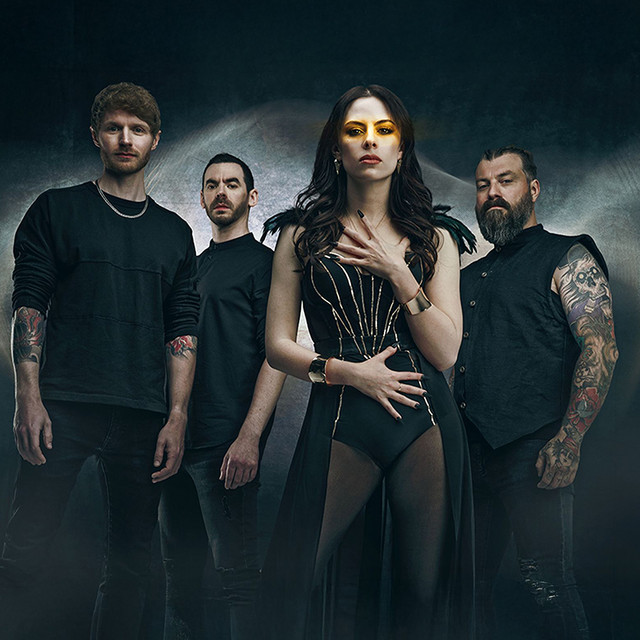
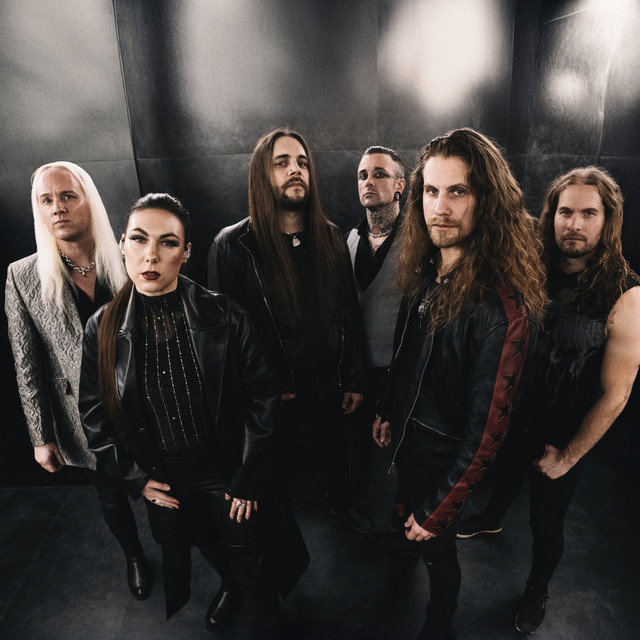
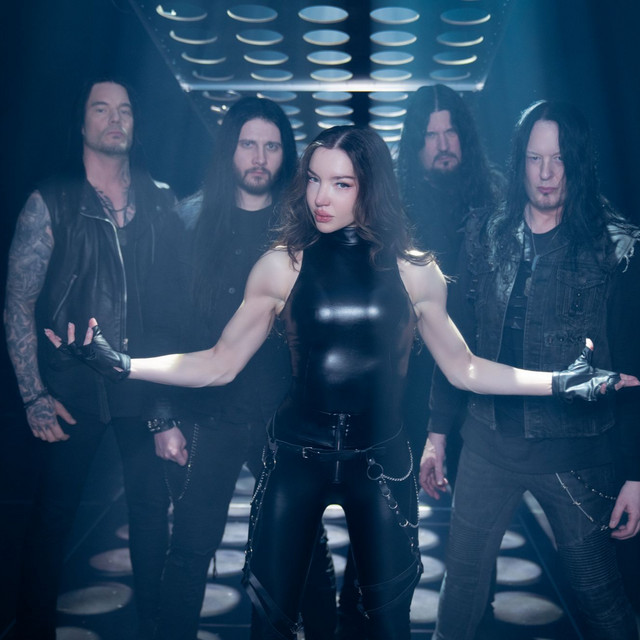
Beyond The Black
2025–2026
·
3 albums
Listen
3
/5
Genres
Modern Goth
Modern goth is a contemporary evolution of the original goth and darkwave aesthetics, blending post-punk basslines, reverb-drenched guitars, and analog synth textures with current production practices. It favors minor-key harmonies, baritone or breathy vocals, and skeletal drum-machine patterns that evoke a cinematic, nocturnal mood. Compared with 1980s forebears, modern goth leans more heavily on synthesizers, EBM-adjacent grooves, and minimalist arrangements, often shaped by DIY, modular, and bedroom-production workflows. The result is a sound that is dancefloor-friendly yet introspective, simultaneously cold, romantic, and starkly modern.
Discover
Listen
Gothic Metal
Gothic metal is a fusion of the heaviness and slow, atmospheric pull of doom metal with the dark romanticism and melodrama of gothic rock. It emphasizes minor-key harmony, thick guitar textures, and prominent keyboards or orchestral pads to create a brooding, cinematic mood. Vocals range from deep baritone croons and clean female sopranos to harsh growls—sometimes used together in the "beauty-and-the-beast" style. Lyrical themes often explore love and loss, mortality, melancholy, myth, and the supernatural, presented with a sense of theatricality. While centered in metal, the style borrows from dark wave’s somber synths and gothic rock’s atmosphere, leading to variations that lean toward doom, symphonic, or even alternative-leaning approaches.
Discover
Listen
Gothic Symphonic Metal
Gothic symphonic metal blends the brooding atmosphere and romantic darkness of gothic metal with the orchestral grandeur and cinematic scale of symphonic metal. It typically features soaring, often classically trained female vocals contrasted with harsh growls or baritone male voices (“beauty-and-the-beast” style), layered choirs, and full string and brass arrangements supporting distorted guitars and double‑kick drums. The harmony favors minor keys, modal colors (Aeolian, Phrygian), and chromatic lines, while the arrangements borrow from classical and operatic writing: overture‑like intros, leitmotifs, and dynamic crescendos. Lyrically, it leans toward myth, fantasy, romance, spirituality, melancholy, and gothic literature, delivered with a dramatic, theatrical sensibility.
Discover
Listen
Symphonic Metal
Symphonic metal fuses the power and riff-driven weight of heavy metal with the grandeur of orchestral music, choral writing, and operatic vocals. It often features full-scale symphonic arrangements—either via live orchestras and choirs or through sophisticated sampling—alongside distorted guitars, bass, and double-kick drumming. Hallmarks include cinematic songwriting, classical harmony (minor keys, modal colors, counterpoint), sweeping string ostinati, brass fanfares, and layered choirs. Vocal approaches range from operatic soprano leads to melodic rock vocals and occasional harsh growls. Lyrically, the genre leans toward myth, fantasy, history, philosophy, and romantic or existential themes, delivering an epic, theatrical atmosphere.
Discover
Listen
Melodic Metal
Melodic metal is a broad umbrella within heavy metal that emphasizes strong, memorable melodies, harmonized guitar leads, and singable choruses while retaining the energy and weight of metal. The style often borrows the speed and precision of speed/power metal, the twin-guitar harmonies of NWOBHM, and occasionally the virtuosity of neoclassical metal. While the guitars and rhythm section remain driving and assertive, songwriting prioritizes melodic hooks, clear thematic development, and emotionally expressive vocals. It overlaps with and feeds into adjacent styles such as power metal and symphonic metal, but it is defined less by specific orchestration or lyrical topics and more by a consistent commitment to melody throughout riffs, leads, and vocal lines.
Discover
Listen
Power Metal
Power metal is a fast, melodic, and anthemic branch of heavy metal that emphasizes uplifting melodies, soaring clean vocals, triumphant choruses, and virtuosic guitar and keyboard leads. Its lyrical focus often centers on fantasy, mythology, historical epics, and heroic narratives, aiming for a cinematic sense of grandeur. The genre coalesced in the mid-1980s from the speed and melody of NWOBHM and speed metal, then split into two recognizable strains: the more aggressive, riff‑driven U.S. power metal and the highly melodic, keyboard‑rich European style. Hallmarks include double‑bass drumming, harmonized twin‑guitar lines, neoclassical flourishes, and rousing sing‑along refrains designed for large audiences.
Discover
Listen
Slayer
Slayer is a micro-genre label used to describe the most ferocious, ultra-fast strain of thrash metal centered on the sound and aesthetic pioneered by the band Slayer. It emphasizes blistering tempos, tightly palm-muted riffing, tremolo-picked lines, chaotic whammy-bar leads, and relentless double‑bass drumming. Lyrics and imagery lean toward horror, war, anti‑authoritarian themes, and occult or apocalyptic motifs. Compared to broader thrash, the "slayer" style is darker, faster, and more uncompromising, forming a template for much of extreme metal that followed.
Discover
Listen
Metal
Metal (often used to mean heavy metal in its broad, umbrella sense) is a loud, guitar-driven style of rock defined by high-gain distortion, emphatic and often martial rhythms, and a dense, powerful low end. It foregrounds riff-based songwriting, dramatic dynamics, virtuosic guitar solos, and commanding vocals that range from melodic wails to aggressive snarls and growls. Harmonically, metal favors minor modes, modal color (Aeolian, Phrygian), chromaticism, and tritone-inflected tension, while thematically it explores power, mythology, the occult, social critique, fantasy, and existential subjects. While adjacent to hard rock, metal typically pushes amplification, distortion, precision, and thematic intensity further, forming a foundation for many specialized subgenres.
Discover
Listen
Symphonic Rock
Symphonic rock is a style of rock that integrates orchestral instrumentation, classical forms, and large‑scale arrangements into the core sound of a rock band. Typical timbres include strings, brass, woodwinds, choir, mellotron, Hammond organ, piano, and analog synthesizers supporting guitars, bass, and drums. The genre emphasizes grand, cinematic dynamics, thematic development, and harmonic richness drawn from Western classical music, while retaining the energy and songcraft of rock. It often overlaps with progressive rock, but places a particular focus on lush orchestration, romantic melodicism, and overtly symphonic textures—ranging from studio overdubs and mellotron layers to fully scored collaborations with symphony orchestras.
Discover
Listen
Show all 9 genres
Albums
2026
3
/5
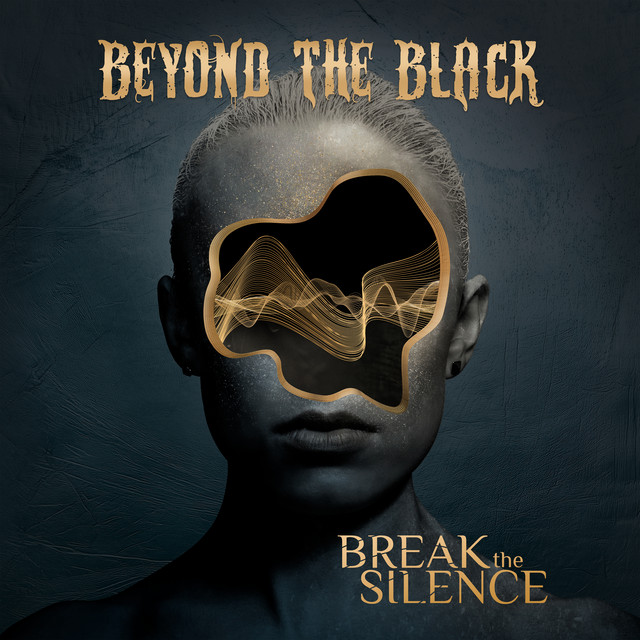
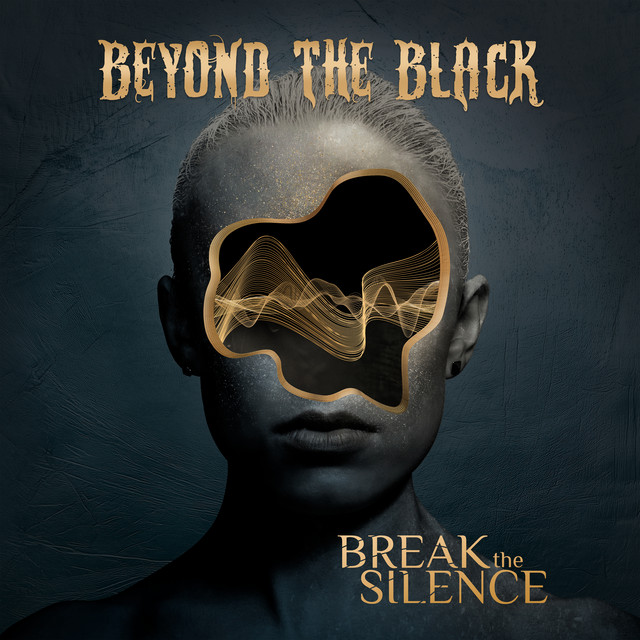
Break The Silence
Beyond The Black
Slayer
Gothic Symphonic Metal
Gothic Metal
2025
2
/5
Break The Silence
Beyond The Black
Gothic Symphonic Metal
Slayer
Gothic Metal
2025
2
/5
Rising High
Beyond The Black
Slayer
Gothic Symphonic Metal
Gothic Metal
Similar artists
4
/5
Nightwish
Fantasy Metal
Opera Metal
Power Metal
3
/5
Epica
Opera Metal
Symphonic Metal
Gothic Metal
4
/5
Within Temptation
Gothic Symphonic Metal
Gothic Metal
Gothic Rock
3
/5
Lacuna Coil
Gothic Metal
Symphonic Rock
Gothic Rock
3
/5
Amaranthe
Gothic Symphonic Metal
Metal
Trance Metal
3
/5
Eleine
Gothic Metal
Gothic Symphonic Metal
Symphonic Metal
3
/5
Avantasia
Fantasy Metal
Opera Metal
Symphonic Metal
2
/5
Leaves' Eyes
Celtic Metal
Gothic Symphonic Metal
Folk Metal
3
/5
Xandria
Opera Metal
Gothic Metal
Gothic Rock
3
/5
Arch Enemy
Melodic Death Metal
Metal
Death Metal
Download our mobile app
Get the Melodigging app and start digging for new genres on the go
Download on the App Store
Get it on Google Play
© 2026 Melodigging
Give feedback
Legal
Melodding was created as a tribute to
Every Noise at Once
, which inspired us to help curious minds keep digging into music's ever-evolving genres.