Genres
Artists
Albums
Make Music
Sign in
Sign in
Artists
Gothic Symphonic Metal
Artists
Gothic Symphonic Metal
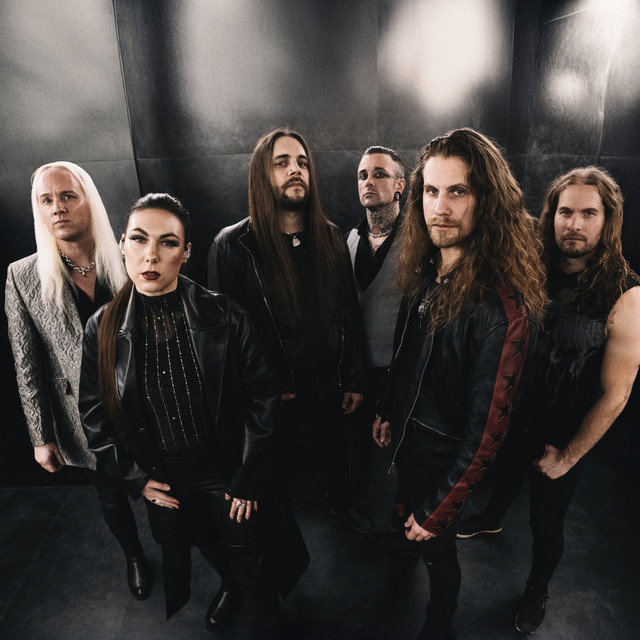
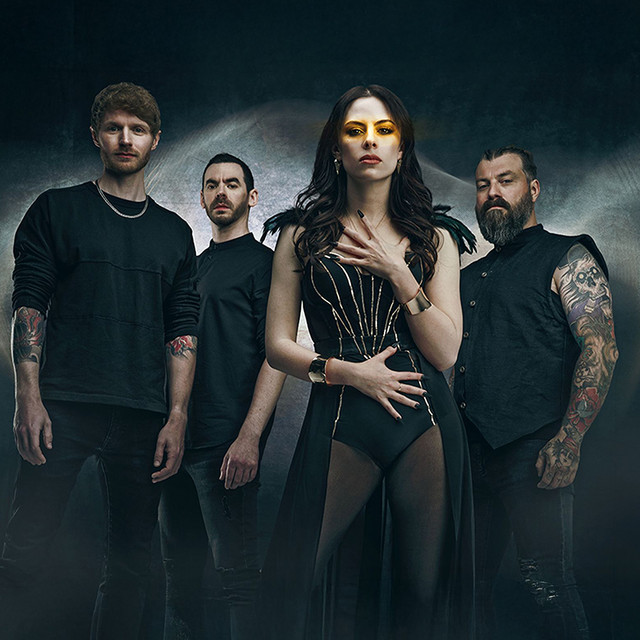
Amaranthe
2011–2024
·
12 albums
Listen
3
/5
Genres
Nu-Metalcore
Nu‑metalcore (often nicknamed "nu‑core") blends the bounce, hip‑hop inflections, and downtuned groove of late‑1990s nu metal with the breakdown‑heavy aggression and precise syncopation of 2000s metalcore. Expect sharply gated, low‑tuned riffs, halftime drops, and elastic grooves that swing between punchy chugs and percussive, djent‑like accents. Vocals typically jump from harsh screams and pitched‑down growls to rap‑leaning cadences and hooky, melodic choruses. Electronic textures—turntable cuts, glitch edits, sub‑drops, and 808 layers—are common, supporting a glossy yet crushing modern production aesthetic. Lyrically, the style carries nu metal’s confessional angst and social frustration while adopting metalcore’s cathartic intensity and mosh‑centric energy. The result is a contemporary, club‑ready heaviness that feels both nostalgic and forward‑looking.
Discover
Listen
Nightrun
Nightrun is a synthwave-adjacent microgenre built for the sensation of cruising through a neon-lit city at night. It blends retro-’80s analog synth timbres, melodramatic minor-key harmonies, and steady four-on-the-floor or motorik grooves with a glossy, cinematic finish. Compared to broader synthwave, nightrun tends to be slightly leaner and more driving: pulsing bass arpeggios, gated snares, and shimmering pads frame soaring lead melodies that evoke nocturnal highways, sodium lights, and distant horizons. Tempos typically sit in the midtempo range (about 85–110 BPM), with arrangements that rise and fall like a night drive—quiet intros, long cruising sections, and cathartic choruses. Aesthetically, it borrows the neon futurism of 1980s action and thriller soundtracks, while adopting modern production sheen and sidechain pumping. The result is danceable yet reflective electronic music tailored to late-night motion and nostalgic escapism.
Discover
Listen
Trance Metal
Trance metal fuses the driving four‑on‑the‑floor pulse and euphoric synth architecture of trance with the riff power, drumming intensity, and vocal extremity of modern metal. Typical tempos range between 130 and 160 BPM, with layered supersaw leads, arpeggiated synths, and side‑chained pads sharing space with downtuned rhythm guitars, double‑kick bursts, and both harsh and soaring clean vocals. Arrangements often mirror EDM forms—intro, build, breakdown, drop/chorus—while harmony leans on minor modes (Aeolian, Dorian, and Phrygian) and big, cinematic chord lifts. The style regularly borrows from Melodic Death Metal and Symphonic Metal for motif writing and orchestral texture, and from EDM/techno for drum programming, risers, filters, and sound‑design drama.
Discover
Listen
Melodic Metalcore
Melodic metalcore blends the harmonized guitar leads and minor-key melodicism of Gothenburg-style melodic death metal with the breakdown-heavy aggression and song structures of metalcore. It is characterized by dual vocal approaches that alternate between harsh screams and soaring clean choruses, along with tightly palm-muted riffs and double-kick driven drumming. Typical arrangements feature verse–pre-chorus–chorus structures, with a post-chorus hook, a melodic guitar solo, and a climactic breakdown. Tunings are often dropped (Drop C, Drop B, or lower), and guitar parts favor harmonized lines in thirds, pedal-point riffs, and modal color from Aeolian and Phrygian. Lyrical themes usually focus on resilience, introspection, personal struggle, and catharsis.
Discover
Listen
Gothic Symphonic Metal
Gothic symphonic metal blends the brooding atmosphere and romantic darkness of gothic metal with the orchestral grandeur and cinematic scale of symphonic metal. It typically features soaring, often classically trained female vocals contrasted with harsh growls or baritone male voices (“beauty-and-the-beast” style), layered choirs, and full string and brass arrangements supporting distorted guitars and double‑kick drums. The harmony favors minor keys, modal colors (Aeolian, Phrygian), and chromatic lines, while the arrangements borrow from classical and operatic writing: overture‑like intros, leitmotifs, and dynamic crescendos. Lyrically, it leans toward myth, fantasy, romance, spirituality, melancholy, and gothic literature, delivered with a dramatic, theatrical sensibility.
Discover
Listen
Melodic Death Metal
Melodic death metal (often shortened to melodeath) blends the speed, aggression, and harsh vocals of death metal with the harmonized guitar leads, memorable melodies, and songcraft of traditional heavy metal and thrash. It is characterized by twin‑guitar harmonies, fast tremolo riffs, punchy palm‑muted rhythms, and growled or screamed vocals, often contrasted with catchy, clearly articulated lead lines. Compared to traditional death metal, the genre favors stronger tonal centers, consonant interval harmonies (thirds and sixths), and more accessible structures, while retaining double‑kick intensity and occasional blast beats. Production tends to be tighter and clearer than early death metal, and many bands incorporate keyboards for texture. The style is strongly associated with the early–mid 1990s Gothenburg scene in Sweden, though parallel strains also emerged in the UK and Finland.
Discover
Listen
Metalcore
Metalcore is a fusion of hardcore punk’s urgency and ethos with heavy metal’s riff language and technicality. It is defined by tightly palm‑muted riffs, rapid double‑kick drumming, and frequent breakdowns—rhythmic, syncopated passages written to accentuate impact and crowd movement. Vocals typically alternate between harsh screams or growls and, in many bands, soaring clean choruses—a contrast that emphasizes both aggression and catharsis. Harmony and melody often borrow from melodic death metal, yielding minor‑key leads, harmonized guitars, and hook‑driven refrains. Modern production favors precise editing, dense guitar layering, and punchy drum sounds that keep complex rhythms clear at high intensity.
Discover
Listen
Symphonic Metal
Symphonic metal fuses the power and riff-driven weight of heavy metal with the grandeur of orchestral music, choral writing, and operatic vocals. It often features full-scale symphonic arrangements—either via live orchestras and choirs or through sophisticated sampling—alongside distorted guitars, bass, and double-kick drumming. Hallmarks include cinematic songwriting, classical harmony (minor keys, modal colors, counterpoint), sweeping string ostinati, brass fanfares, and layered choirs. Vocal approaches range from operatic soprano leads to melodic rock vocals and occasional harsh growls. Lyrically, the genre leans toward myth, fantasy, history, philosophy, and romantic or existential themes, delivering an epic, theatrical atmosphere.
Discover
Listen
Power Metal
Power metal is a fast, melodic, and anthemic branch of heavy metal that emphasizes uplifting melodies, soaring clean vocals, triumphant choruses, and virtuosic guitar and keyboard leads. Its lyrical focus often centers on fantasy, mythology, historical epics, and heroic narratives, aiming for a cinematic sense of grandeur. The genre coalesced in the mid-1980s from the speed and melody of NWOBHM and speed metal, then split into two recognizable strains: the more aggressive, riff‑driven U.S. power metal and the highly melodic, keyboard‑rich European style. Hallmarks include double‑bass drumming, harmonized twin‑guitar lines, neoclassical flourishes, and rousing sing‑along refrains designed for large audiences.
Discover
Listen
Melodic Metal
Melodic metal is a broad umbrella within heavy metal that emphasizes strong, memorable melodies, harmonized guitar leads, and singable choruses while retaining the energy and weight of metal. The style often borrows the speed and precision of speed/power metal, the twin-guitar harmonies of NWOBHM, and occasionally the virtuosity of neoclassical metal. While the guitars and rhythm section remain driving and assertive, songwriting prioritizes melodic hooks, clear thematic development, and emotionally expressive vocals. It overlaps with and feeds into adjacent styles such as power metal and symphonic metal, but it is defined less by specific orchestration or lyrical topics and more by a consistent commitment to melody throughout riffs, leads, and vocal lines.
Discover
Listen
Metal
Metal (often used to mean heavy metal in its broad, umbrella sense) is a loud, guitar-driven style of rock defined by high-gain distortion, emphatic and often martial rhythms, and a dense, powerful low end. It foregrounds riff-based songwriting, dramatic dynamics, virtuosic guitar solos, and commanding vocals that range from melodic wails to aggressive snarls and growls. Harmonically, metal favors minor modes, modal color (Aeolian, Phrygian), chromaticism, and tritone-inflected tension, while thematically it explores power, mythology, the occult, social critique, fantasy, and existential subjects. While adjacent to hard rock, metal typically pushes amplification, distortion, precision, and thematic intensity further, forming a foundation for many specialized subgenres.
Discover
Listen
Heavy Metal
Heavy metal is a loud, guitar-driven style of rock defined by heavily distorted riffs, thunderous drums, and powerful vocals. Its musical language emphasizes minor modes, modal (Aeolian, Phrygian) riffing, and energy over groove, often featuring virtuosic guitar solos and dramatic dynamic contrasts. Emerging from late-1960s blues rock and psychedelic experimentation, heavy metal codified a darker, heavier sound with bands like Black Sabbath, Deep Purple, and Led Zeppelin. The genre values weight, intensity, and grandeur—whether through plodding, doom-laden tempos or galloping, high-energy rhythms—paired with themes that range from personal struggle and social critique to fantasy, mythology, and the occult.
Discover
Listen
Rock
Rock is a broad family of popular music centered on amplified instruments, a strong backbeat, and song forms that foreground riffs, choruses, and anthemic hooks. Emerging from mid‑20th‑century American styles like rhythm & blues, country, and gospel-inflected rock and roll, rock quickly expanded in scope—absorbing folk, blues, and psychedelic ideas—while shaping global youth culture. Core sonic markers include electric guitar (often overdriven), electric bass, drum kit emphasizing beats 2 and 4, and emotive lead vocals. Rock songs commonly use verse–chorus structures, blues-derived harmony, and memorable melodic motifs, ranging from intimate ballads to high‑energy, stadium‑sized performances.
Discover
Listen
Show all 13 genres
Albums
2024
1
/5
Damnation Flame (Orchestral Version)
Amaranthe
Gothic Symphonic Metal
Melodic Metal
2024
3
/5
The Catalyst
Amaranthe
Trance Metal
Gothic Symphonic Metal
Metal
2021
3
/5
PvP
Amaranthe
Gothic Symphonic Metal
Melodic Metal
Metal
2020
4
/5
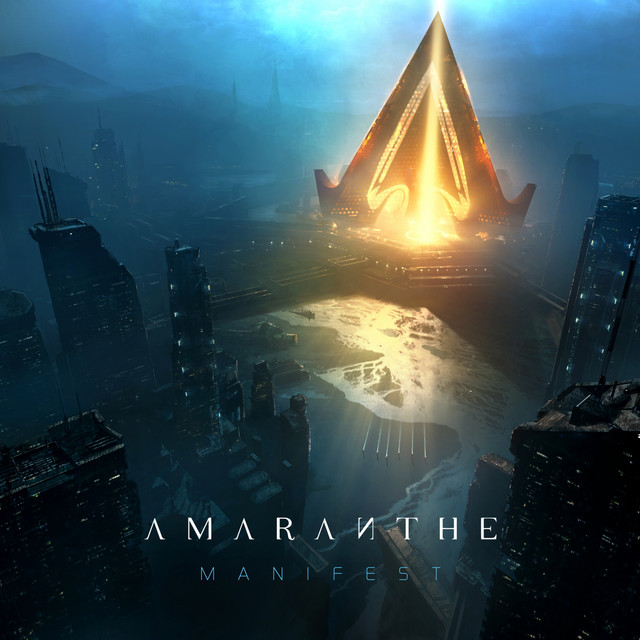
Manifest
Amaranthe
Trance Metal
Gothic Symphonic Metal
Heavy Metal
2020
2
/5
82nd All the Way
Amaranthe
Gothic Symphonic Metal
Melodic Death Metal
Metalcore
2018
1
/5
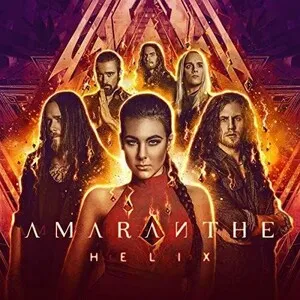
Helix
Amaranthe
Trance Metal
2018
1
/5
Inferno
Amaranthe
Gothic Symphonic Metal
2018
3
/5
Army Of The Night
Amaranthe
Gothic Symphonic Metal
Melodic Metal
Metal
2016
1
/5
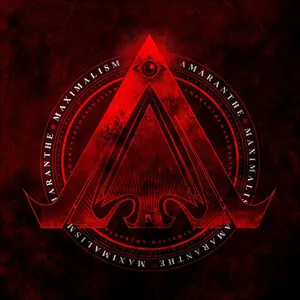
Maximalism
Amaranthe
Trance Metal
2014
1
/5
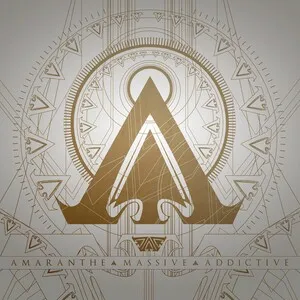
Massive Addictive
Amaranthe
Trance Metal
2013
1
/5
The Nexus
Amaranthe
Trance Metal
2011
3
/5
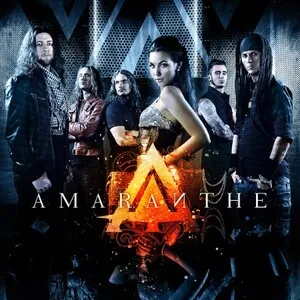
Amaranthe
Amaranthe
Trance Metal
Heavy Metal
Melodic Death Metal
Similar artists
3
/5
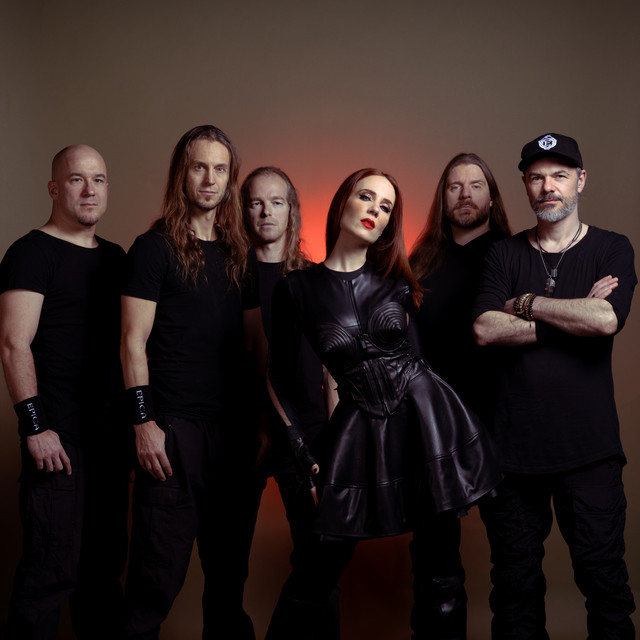
Epica
Opera Metal
Symphonic Metal
Gothic Metal
3
/5
Eluveitie
Celtic Metal
Folk Metal
Melodic Death Metal
3
/5
Equilibrium
Viking Metal
Folk Metal
Melodic Death Metal
4
/5
Nightwish
Fantasy Metal
Opera Metal
Power Metal
3
/5
Arch Enemy
Melodic Death Metal
Metal
Death Metal
3
/5
Beyond The Black
Gothic Metal
Gothic Symphonic Metal
Melodic Metal
3
/5
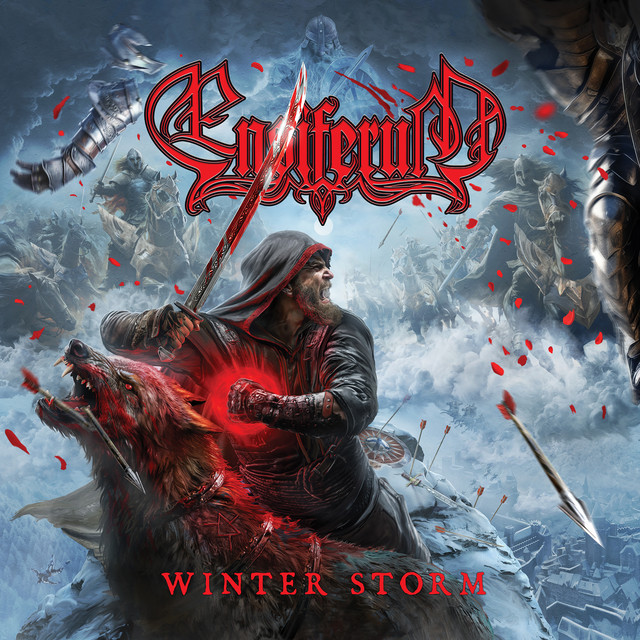
Ensiferum
Nordic Folk Metal
Folk Metal
Power Metal
3
/5
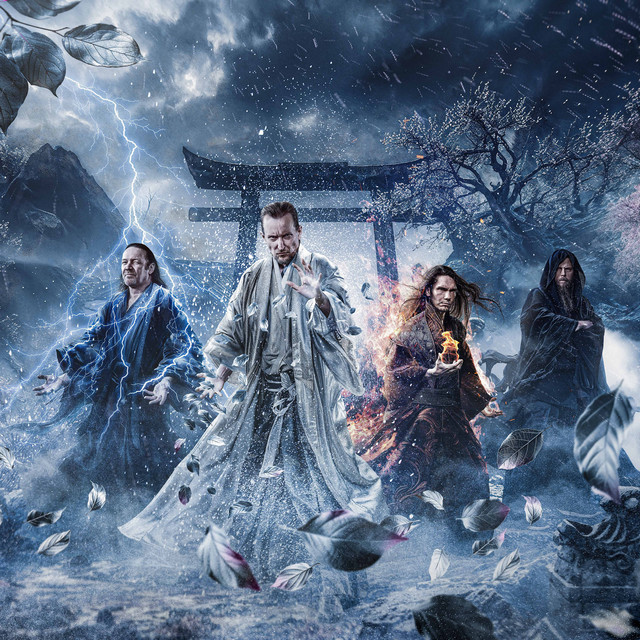
Wintersun
Melodic Death Metal
Metal
Viking Metal
3
/5
Metalite
Symphonic Power Metal
Power Metal
Symphonic Metal
3
/5
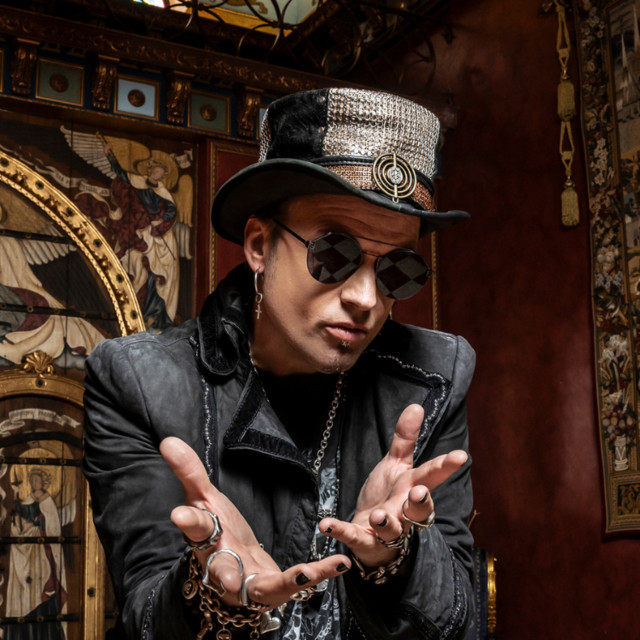
Avantasia
Fantasy Metal
Opera Metal
Symphonic Metal
Download our mobile app
Get the Melodigging app and start digging for new genres on the go
Download on the App Store
Get it on Google Play
© 2026 Melodigging
Give feedback
Legal
Melodding was created as a tribute to
Every Noise at Once
, which inspired us to help curious minds keep digging into music's ever-evolving genres.