Your digging level
Description
Nightrun is a synthwave-adjacent microgenre built for the sensation of cruising through a neon-lit city at night. It blends retro-’80s analog synth timbres, melodramatic minor-key harmonies, and steady four-on-the-floor or motorik grooves with a glossy, cinematic finish.
Compared to broader synthwave, nightrun tends to be slightly leaner and more driving: pulsing bass arpeggios, gated snares, and shimmering pads frame soaring lead melodies that evoke nocturnal highways, sodium lights, and distant horizons. Tempos typically sit in the midtempo range (about 85–110 BPM), with arrangements that rise and fall like a night drive—quiet intros, long cruising sections, and cathartic choruses.
Aesthetically, it borrows the neon futurism of 1980s action and thriller soundtracks, while adopting modern production sheen and sidechain pumping. The result is danceable yet reflective electronic music tailored to late-night motion and nostalgic escapism.
History
Nightrun emerges from the same retro-futurist impulse that birthed synthwave: a revival of 1980s electronic soundtracks, new wave synth-pop, and Italo-disco aesthetics. Early online scenes around bloghouse, chillwave, and the first wave of synthwave/retrowave fostered a shared sonic palette—analog-style basslines, arpeggiators, and gated reverbs—paired with neon, gridline visual motifs.
As synthwave diversified, a subset of producers leaned into a sleeker, more kinetic nighttime mood. They emphasized forward motion—steady 4/4 beats, motorik bass arps, and soaring leads—with less horror or metal influence than darksynth and fewer dreamy, washed textures than chillwave. Streaming services and curated playlists helped crystallize nightrun as its own listening lane: music for night drives and cityscapes.
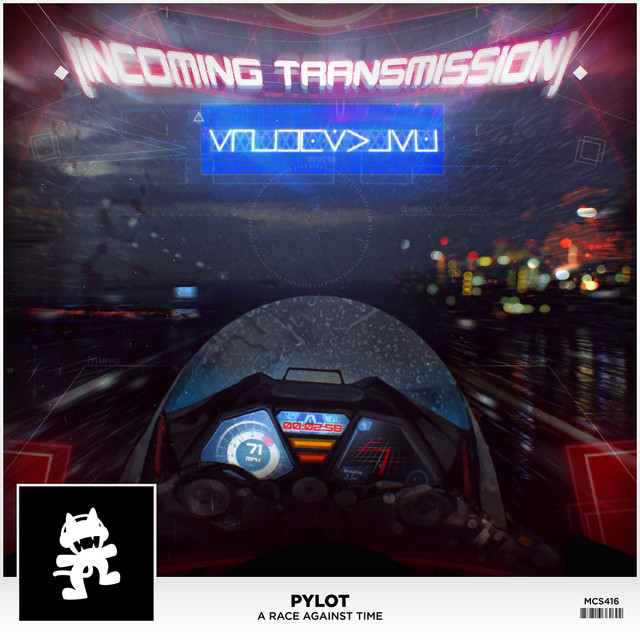
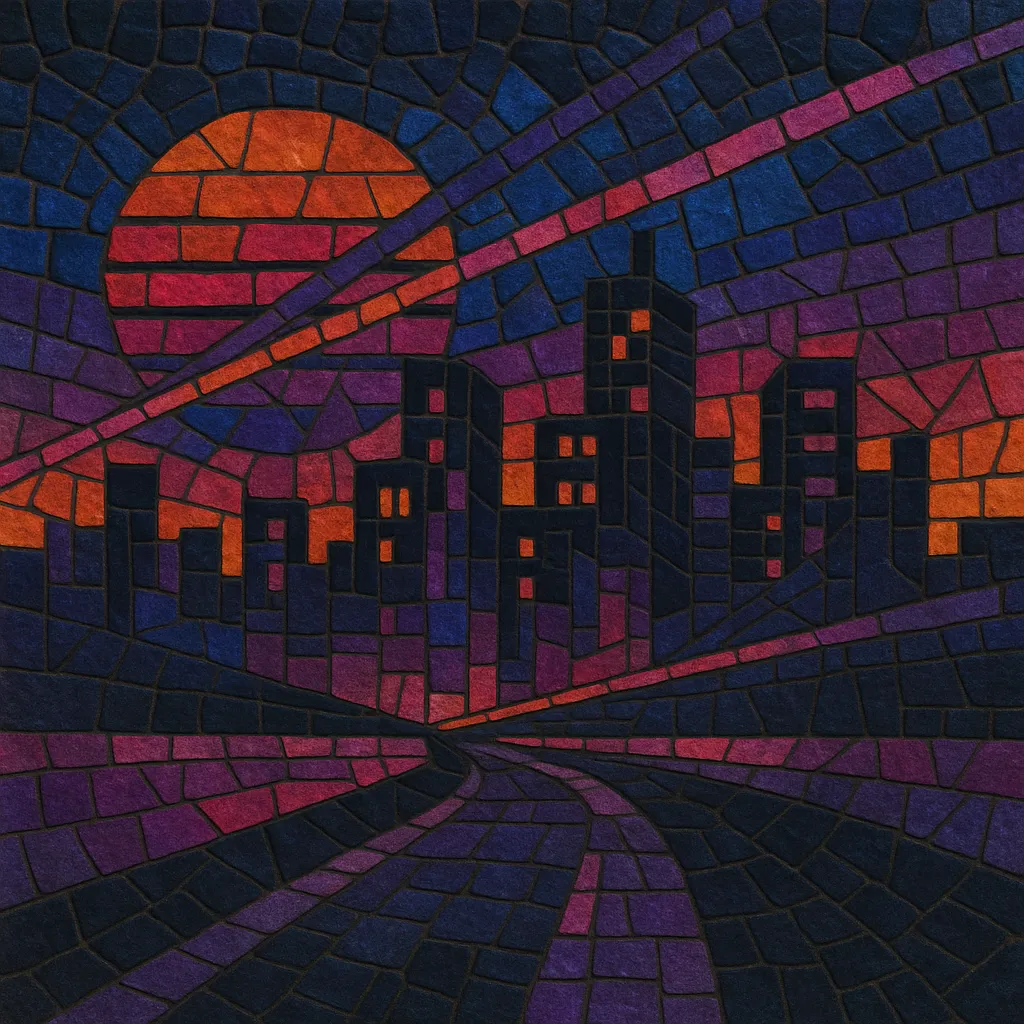
Cover art, video backdrops, and live visuals emphasize retro neon signage, rain-slicked asphalt, and cyber-noir skylines. The genre’s cinematic feel made it common in driving sims, fan edits, and synthwave film/shorts communities, further reinforcing the “night cruise” identity.
Nightrun thrives as an internet-first style. Producers from Europe, North America, and beyond share sound design tips, presets, and drum packs referencing classic hardware (Juno, DX7, Linn/DMX) while using modern DAWs. The sound remains accessible—melodic, midtempo, nostalgic—yet polished and club-capable.


Top albums