Your digging level

For this genre
0/8
🏆
Sign in, then listen to this genre to level up

Description

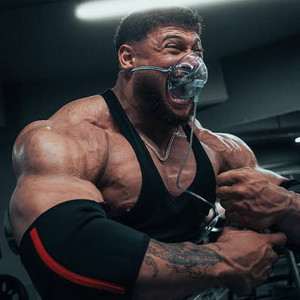
Hard motivation is a functional, high-intensity micro-scene that blends the most powerful strains of modern EDM (hardstyle, big-room, trap, and dubstep) with an overt motivational ethos aimed at training, sports, and peak-performance contexts.

It privileges explosive drops, distorted kicks, supersaw and screech leads, alarm-like stabs, and stadium-scale builds, often topped by hyped crowd chants or short motivational speeches. The result is music engineered to raise heart rate, focus, and determination—equally at home in the gym, combat sports warm‑ups, esports walk-ins, or highlight reels.

While not a traditional genre with strict stylistic boundaries, hard motivation has coalesced online (YouTube, TikTok, streaming playlists) as a recognizable aesthetic that curates the "hardest" moments of EDM into a single, purpose-built sound.


Sources: Spotify, Wikipedia, Discogs, RYM, MB, user feedback and other online sources

History

Origins (late 2000s–2010s)

Hard motivation emerged from the convergence of festival-ready EDM and the online "motivational" video culture of the 2010s. As hardstyle and big-room house spread from European festivals and Dutch labels to global audiences, editors on YouTube and later TikTok began pairing the most explosive drops and “alarm” leads with gym footage, fighting highlights, and self-help soundbites.

Consolidation on Streaming (mid–late 2010s)

By the mid‑2010s, large "motivation" channels and playlist brands standardized a sound palette: distorted hardstyle kicks at 150 BPM, big-room supersaw drops around 128–130 BPM, and trap/dubstep halftime breakdowns at 70/140 BPM. Producers and curators leaned into short forms optimized for clips—intro speech, cinematic rise, cathartic drop—propelling the tag "hard motivation" into a discoverable micro-genre across platforms.

Gym Culture and Viral Clips (2020s)

In the early 2020s, the fitness boom on social platforms and creators’ emphasis on performance aesthetics (PR attempts, fight camps, esports entrances) made hard motivation a ubiquitous soundtrack. Cross-pollination with phonk/gritty trap, as well as harder, euphoric hardstyle, kept the energy high while broadening the stylistic pool. Although decentralized and curator-driven, the scene stabilized around a recognizable production grammar and goal: maximize hype and resolve.

Aesthetic Traits

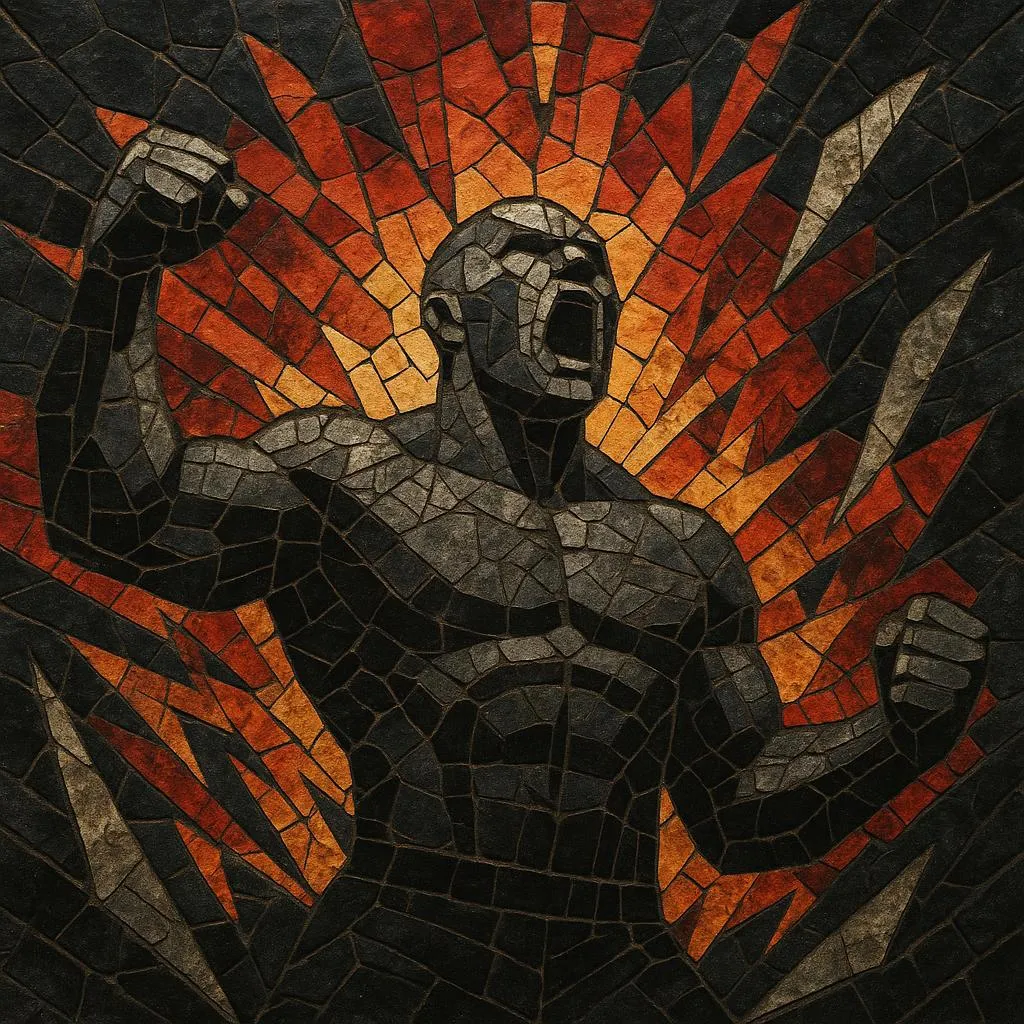
Hallmarks include aggressive tonal center in minor keys, dense sidechained supersaws and screeches, sub-heavy distorted kicks, snare rolls and risers for long builds, and short motivational vox cuts (speeches, chants). Visuals and branding tend to feature sports iconography, metallic/industrial textures, and language of discipline, grit, and triumph.

How to make a track in this genre

Tempo and Rhythm
•   Choose a tempo that fits the desired sub-flavor: 150 BPM (hardstyle drive), 128–130 BPM (big-room punch), or 140 BPM / 70 BPM halftime (trap/dubstep weight). •   Use four-on-the-floor kicks for big-room/hardstyle, or halftime/triplet switch-ups for drops that “hit heavier.” Add syncopated tom fills and clap/snare rolls during builds.
Sound Design and Instrumentation
•   Kicks: Layer a tight transient with a saturated/sub tail; for hardstyle, sculpt a distorted tail with pitch envelopes to achieve drive and "donk" clarity. •   Leads: Supersaws (7–9 voices, moderate detune), screech leads with resonant band-pass distortion, siren/alarm stabs for urgency. •   Bass: Reece layers or FM/sub stacks; for dubstep/trap breaks, use modulated wubs or formant filters. •   FX: White-noise risers, reverse cymbals, uplifters/downsweeps, crowd chants, and short vocal shouts. Sidechain pumping is essential.
Harmony and Melody
•   Favor minor keys (A minor, G minor, F# minor common). Keep harmony simple: i–VI–VII, i–VII–VI–VII, or i–V–VI loops to maintain focus. •   Write an anthemic, intervallic hook that survives heavy detune; limit note density in the lead so the kick and sub remain dominant.
Vocals and Motivational Elements
•   Use short, high-impact vox: 1–2 sentence motivational quotes, team chants, or call‑and‑response hype. Time-align phrases to land just before the drop. •   If rapping/singing, keep lines direct: themes of discipline, struggle, resolve, victory. Aim for punch-in phrases and gang shouts in the drop.
Arrangement
•   Typical form: Intro (8–16 bars) → Build (16–32) with snare rolls and risers → Drop (16–32) → Break/bridge (cinematic or halftime) → Second build → Final drop → Outro. •   Tease the hook in the intro, with full-energy statement in the first drop. Save a variation (key lift, added screech layer, or rhythm switch) for the final drop.
Mixing and Loudness
•   Prioritize kick–bass translation: carve 60–120 Hz for the kick/sub relationship; aggressive multiband saturation can help maintain presence at loud LUFS. •   Hard clipper into limiter is common for modern impact; preserve transient shape on the kick and snare.
Tools and Workflow
•   Common synths: Serum, Sylenth1, Spire; drums from hardstyle/big-room packs; vocal chops via time-stretch/granular. •   Reference against festival-ready masters; test in gym earbuds and small speakers for perceived punch.

Top tracks

Locked
Share your favorite track to unlock other users’ top tracks

Upcoming concerts

in this genre
Influenced by
Has influenced

Download our mobile app

Get the Melodigging app and start digging for new genres on the go
© 2026 Melodigging
Melodding was created as a tribute to Every Noise at Once, which inspired us to help curious minds keep digging into music's ever-evolving genres.
Buy me a coffee for Melodigging