Your digging level

For this genre
0/8
🏆
Sign in, then listen to this genre to level up

Description

Gym hardstyle is a social‑media‑driven offshoot of hardstyle tailored for high‑intensity training and fitness culture. It keeps the genre’s signature 150 BPM drive, colossal distorted kicks, and supersaw leads, but focuses on instantly motivational hooks, dramatic builds, and punchy, loop‑friendly drops designed to keep energy levels high during workouts.

Compared with festival‑oriented hardstyle, gym hardstyle strips arrangements to the essentials: hard‑hitting kick and bass, short anthemic melodies in minor keys, and crowd‑stirring vocal one‑liners or speech samples. The result is a darker, more relentless, and highly practical form of hardstyle optimized for gym playlists, TikTok/YouTube shorts, and pre‑set hype moments.


Sources: Spotify, Wikipedia, Discogs, RYM, MB, user feedback and other online sources

History

Origins

Gym hardstyle emerges from the Dutch-born hardstyle tradition (early 2000s) but coalesced as a distinct, fitness-focused micro‑scene in the 2010s. Producers began tailoring the classic hardstyle toolkit—reverse‑bass/modern punch kicks, 150 BPM tempo, and supersaws—specifically for training sessions, emphasizing aggressive momentum over long narrative breakdowns.

Online Acceleration

The late 2010s and early 2020s saw an explosion via YouTube, Spotify workout playlists, and short‑form video platforms. Bodybuilding and calisthenics channels adopted these tracks for PR attempts, hype reels, and transformation edits. Viral snippets (often sped up) cemented a recognizable aesthetic: terse motivational quotes, cinematic rises, and drop‑centric structures that slot neatly into 30–60 second clips.

Sound and Aesthetic

Drawing equally from euphoric hardstyle’s anthemic hooks and rawstyle’s gritty impact, gym hardstyle favors minor‑key riffs, simplified chord cycles, and towering, distorted kick tails that feel physical in a gym environment. The sound design is "functional"—engineered to feel loud and propulsive at moderate listening volumes on consumer headphones.

Scene and Use Cases

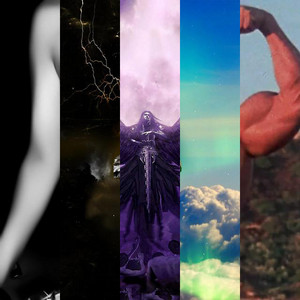
Instead of clubs and festivals, the primary "venue" is the gym floor and the fitness creator’s feed. Track lifecycles are short but potent: a strong drop paired with a memorable line can define a training meme for months. The subculture overlaps with motivational and physique‑builder iconography and frequently nods to internet fitness legends.

Present Day

Gym hardstyle continues to grow as a utility‑first style that influences broader "hard motivation" and "workout product" ecosystems. While many artists remain independent and platform‑native, the sound’s signatures—150 BPM kicks, concise hooks, and cinematic hype—have begun to inform edits across EDM subgenres.

How to make a track in this genre

Tempo, Meter, and Form
•   Tempo: 150 BPM (standard hardstyle pace). 4/4 meter. •   Structure: Keep it concise—Intro (8–16 bars) → Build (8–16) → Drop (16–32) → Short break → Second build/drop → Outro. Aim for strong drops landing around 0:30 and 1:00 for clip-friendly use.
Rhythm and Low End
•   Kick: Use a modern hardstyle punch with a saturated, tonal tail. Layer transient click + mid punch + distorted tail; tune tails to the track’s key for musical drive. •   Bass: Reinforce the kick tail’s fundamental with a clean sub layer in the drop; use reverse‑bass or galloping offbeats in verses/builds for forward motion.
Harmony and Melody
•   Key: Minor (A minor, G minor, F# minor are common for gritty weight). •   Harmony: Keep progressions simple (e.g., i–VI–III–VII or i–VII–VI–VII). Short, anthemic 4–8 bar motifs work best. •   Leads: Supersaw stacks (unison 7–16 voices, moderate detune), occasional screeches for emphasis, and supportive plucks/arp layers for builds.
Sound Design and FX
•   Build tools: Noise risers, pitch‑ramped snares, uplifters, and filtered saw stacks. Automate low‑pass and reverb size for tension. •   Impact: Emphasize downbeat impacts and "whoosh" transitions into drops. Use aggressive distortion (clipper + multiband sat) but preserve kick transients.
Vocals and Samples
•   Hooks: Short, motivational one‑liners or cinematic quotes. Process with slight saturation, slap or short room reverb, and tight delay throws. •   Editing: Consider a sped‑up alt version (+5–10% tempo/pitch) for short‑form platforms.
Mixing and Mastering
•   Headroom: Pre‑master peaks around −6 dBFS; preserve punch by avoiding over‑limiting. •   Balance: Kick sits 2–4 dB above the musical bed in drops. Sidechain leads and pads to the kick tail to keep the groove breathing. •   Master: Fast attack/medium release buss compression, clipper into a brickwall limiter for competitive loudness while retaining transient bite.
Arrangement Tips for the Gym
•   Front‑load energy: Deliver a recognisable motif within the first 15 seconds. •   Drop focus: Make the first drop the track’s signature; second drop can add a new counter‑melody or screech variation. •   Utility: Keep intros/outros DJ‑friendly but short; prioritize repeatable hype sections.

Top tracks

Locked
Share your favorite track to unlock other users’ top tracks

Upcoming concerts

in this genre
Influenced by

Download our mobile app

Get the Melodigging app and start digging for new genres on the go
© 2026 Melodigging
Melodding was created as a tribute to Every Noise at Once, which inspired us to help curious minds keep digging into music's ever-evolving genres.
Buy me a coffee for Melodigging