Genres
Artists
Albums
Make Music
Sign in
Sign in
Artists
Analog Horror
Artists
Analog Horror
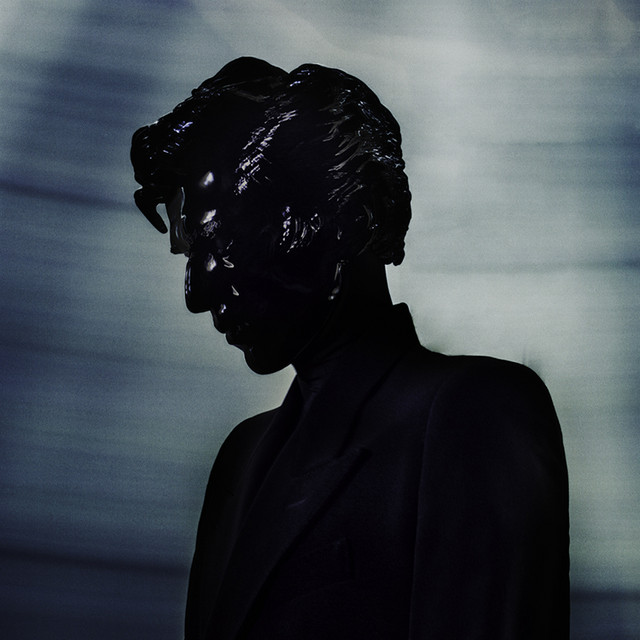
Vessel
Listen
3
/5
Genres
Analog Horror
Analog horror is an internet-born horror style that foregrounds the texture and limits of obsolete media. It is characterized by lo‑fi, band‑limited sound, tape hiss, wow and flutter, and the sonic vocabulary of public‑access TV, VHS cassettes, emergency broadcast signals, and numbers stations. In narrative terms, it tends toward cryptic, surreal plots presented as faux archival broadcasts, training films, or interrupted transmissions. Musically, the idiom leans on drones, minimal motifs, degraded samples, and detuned analog synths, using period‑authentic processing to evoke dread, nostalgia, and the uncanny.
Discover
Listen
Aussie Drill
Aussie drill is the Australian take on drill rap, fusing the dark, minor‑key production and sliding 808s of UK drill with local slang, Pacific Islander and Western Sydney street culture, and distinctly Australian accents. Typical tracks sit around 135–145 BPM, with syncopated hi‑hats, counter‑snares, and gliding 808 basslines beneath ominous piano, string, or choral stabs. Vocals are baritone‑leaning, aggressive, and often chanted by crews, with call‑and‑response ad‑libs and postcode shout‑outs that emphasize group identity and territorial pride. Lyrically, the style centers on loyalty, everyday struggles, rivalry, and social realities, but also includes aspirational and reflective moments. The sound rose quickly via YouTube and streaming platforms in the late 2010s, turning local crews into national talking points while drawing scrutiny from authorities and mainstream media.
Discover
Listen
Deconstructed Club
Deconstructed club is an experimental approach to dance music that dismantles the usual club structures (steady four-on-the-floor kicks, predictable breakdowns, and genre-pure palettes) and rebuilds them as jagged, collage-like forms. It combines extreme sound design, sudden dynamic shifts, and fragmented rhythms that reference—but refuse to settle into—familiar styles like reggaeton, jersey club, grime, techno, and dancehall. The aesthetic favors abrasive textures, hyper-detailed edits, and dramatic negative space. Samples are often cut into stuttering shards, drums arrive and vanish mid-bar, and synths lurch from crystalline to corroded. The result is club music that feels physical and cathartic yet conceptually critical, foregrounding ideas of hybridity, diasporic identity, and the politics of the dance floor.
Discover
Listen
Fake
“Fake” is an informal, streaming-era genre tag used for sound‑alike covers, karaoke takes, tribute recordings, and generic instrumental remakes that closely mimic current or classic hits. Rather than foregrounding the original songwriter’s concept, these recordings prioritize recognizability, search optimization, and fast turnaround. Session singers and studio players reproduce the hook, tempo, and arrangement with minimal reinterpretation; track and artist names often echo the original title or lyrical catchphrase to capture search traffic.
Discover
Listen
Jirai Kei
Jirai kei is a recent Japanese internet-born pop micro‑genre and aesthetic that blends cute, sugary sounds with darker, obsessive and self‑destructive themes. The term comes from a fashion/aesthetic scene associated with yamikawaii and menhera culture, and in music it describes songs that sound soft and adorable on the surface but conceal lyrics about toxic love, dependency, jealousy, and emotional volatility. Sonically, jirai kei draws from J‑pop and Vocaloid traditions (denpa/picopop brightness, catchy hooks) while adopting modern hyperpop gloss, trap/EDM percussion, and highly edited, youthful vocals. The contrast between childlike, pastel timbres and intense, confessional writing is central to the style, making it both immediately hooky and emotionally sharp—an audio embodiment of “cute but dangerous.”
Discover
Listen
Small Room
Small room is a contemporary micro‑genre that sits near bedroom pop and intimate indie folk, defined by hushed, close‑miked vocals, minimal arrangements, and soft dynamics. Its recordings emphasize the natural, dry sound of a single space—often literally a small room—creating an intimate, confessional atmosphere. Typical instrumentations include gentle acoustic or clean electric guitar, soft piano, understated electronic drums, and airy pads or lo‑fi textures. Tempos are moderate to slow, harmonic movement is simple and diatonic, and lyrics focus on introspection, relationships, and everyday detail. The overall aesthetic privileges understatement, warmth, and proximity, as if the artist were singing a private demo directly to the listener.
Discover
Listen
Lilith
Lilith is a mood-driven, internet-native microgenre that blends dark, feminine alternative pop with elements of trip hop, dream pop, witch house, and ethereal wave. It favors breathy or intimate vocals drenched in reverb, slow to mid-tempo grooves, spectral pads, and cinematic, minor-key harmonies that evoke occult, gothic, or mythic imagery. The overall sound is bass-forward yet gauzy: sub-heavy 808s or dusty breakbeats sit under shimmering guitars, distant choirs, and textural synths. Lyrically, Lilith leans into vulnerability, power, hauntings, and desire—frequently framed through confessional writing and ritual or nocturnal symbolism. It’s less a scene tied to a single city than a streaming-era aesthetic, cohering through playlists and social media communities.
Discover
Listen
New Isolationism
New isolationism is a contemporary strain of isolationist ambient and post-industrial minimalism that emerged in the 2010s, particularly around Scandinavian experimental labels and studios. It foregrounds intimate, close-mic’d sound, negative space, and a quiet-but-present noise floor; its pieces feel both internal and architectural, like rooms built from reverb tails, tape hiss, and soft electronics. Sonically, the style blends glacial drones, fragile chamber timbres (strings, organ, piano), lo‑fi electronics, and field recordings into stark, slow-evolving tableaux. Melodic information is sparse—often only a few tones or gestures—while rhythm is either absent or reduced to distant pulses, heartbeats, or mechanical cycles. Vocals, when they appear, are murmured, diaristic, or abstracted by pitch and time manipulation. Aesthetically, new isolationism is post‑internet and diaristic: it captures solitude, memory, and dislocation with a palette that feels personal yet estranged, drawing as much from contemporary gallery sound practice as from classic dark ambient.
Discover
Listen
Show all 8 genres
Similar artists
4
/5
Gesaffelstein
Analog Horror
Aussie Drill
Bedroom R&b
4
/5
SXMPRA
Drift Phonk
Phonk
Dark Trap
4
/5
Instupendo
Weirdcore
Analog Horror
Aussie Drill
3
/5
The Caretaker
Hauntology
Electronic
Ambient
3
/5
Maebi
Broken Transmission
Corecore
Analog Horror
3
/5
Bluerra-sai
Analog Horror
Aussie Drill
Liminal Space
3
/5
100 gecs
Hyperpop
Glitch
Bubblegum Bass
5
/5
Drake
Canadian Hip Hop
Hip Hop
Rap
5
/5
The Weeknd
Contemporary R&b
Alternative R&b
Pop
5
/5
Kanye West
Hip Hop
Pop Rap
Rap
Download our mobile app
Get the Melodigging app and start digging for new genres on the go
Download on the App Store
Get it on Google Play
© 2026 Melodigging
Give feedback
Legal
Melodding was created as a tribute to
Every Noise at Once
, which inspired us to help curious minds keep digging into music's ever-evolving genres.