Genres
Artists
Albums
Make Music
Sign in
Sign in
Artists
Weirdcore
Artists
Weirdcore
Instupendo
2016–2017
·
4 albums
Listen
4
/5
Genres
Corecore
Corecore is an internet-native, collage-heavy audiovisual microgenre that turns the endless stream of online content into emotionally charged montages. It typically pairs melancholic or atmospheric music with rapid-fire edits of news clips, social-media posts, movie fragments, webcam confessions, and found audio, using juxtaposition to evoke overload, alienation, and fragile intimacy in the age of feeds. While it is primarily known as a video-editing aesthetic (especially on TikTok), its musical identity leans on ambient, vaporwave, breakcore, and experimental collage, favoring texture, mood, and narrative over traditional song structure. Rather than having a fixed sonic palette, corecore uses existing tracks—often downtempo, hazy, or nostalgic—then re-contextualizes them with speech samples and visual montage to produce catharsis and social commentary.
Discover
Listen
Weirdcore
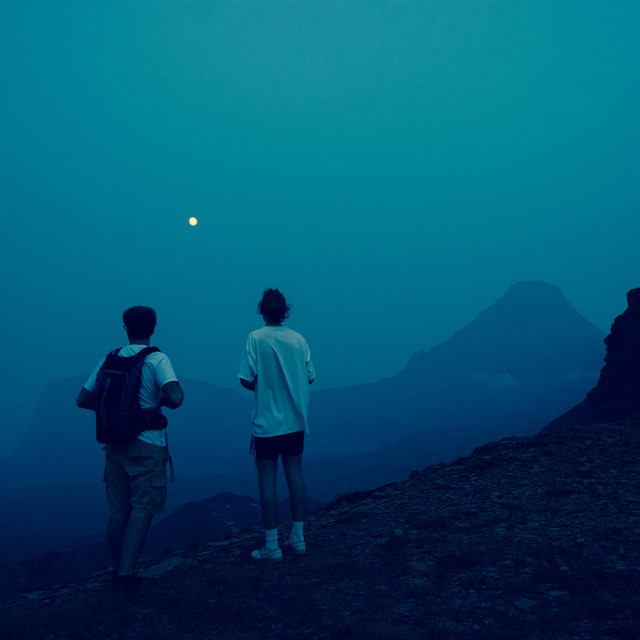
Weirdcore is an internet-native microgenre and aesthetic of experimental electronic music that leans into liminal nostalgia, eerie memory, and uncanny ambience. Its sound palette often combines misty pads, degraded samples, tape hiss, and bitcrushed percussion with disembodied voices, classroom and mall PA announcements, retro operating system chimes, and field recordings of empty or transitional spaces. Harmonically, weirdcore favors drones, slowly shifting modal clusters, and ambiguous, memory-warping intervals that feel familiar yet distorted. Rhythm ranges from beatless, foggy soundscapes to brittle, broken 2-step and slow, stumbling downtempo pulses. Heavy time-stretching, granular manipulation, wow-and-flutter, convolution reverbs, and spectral or cassette-style degradation are central to its texture. Although closely tied to a visual aesthetic (liminal spaces, late-night analog glow, low-resolution signage), weirdcore as a musical style is defined by its uncanny collage sensibility: sampling and warping everyday audio detritus until it becomes emotionally charged, melancholic, and faintly unsettling.
Discover
Listen
Analog Horror
Analog horror is an internet-born horror style that foregrounds the texture and limits of obsolete media. It is characterized by lo‑fi, band‑limited sound, tape hiss, wow and flutter, and the sonic vocabulary of public‑access TV, VHS cassettes, emergency broadcast signals, and numbers stations. In narrative terms, it tends toward cryptic, surreal plots presented as faux archival broadcasts, training films, or interrupted transmissions. Musically, the idiom leans on drones, minimal motifs, degraded samples, and detuned analog synths, using period‑authentic processing to evoke dread, nostalgia, and the uncanny.
Discover
Listen
Aussie Drill
Aussie drill is the Australian take on drill rap, fusing the dark, minor‑key production and sliding 808s of UK drill with local slang, Pacific Islander and Western Sydney street culture, and distinctly Australian accents. Typical tracks sit around 135–145 BPM, with syncopated hi‑hats, counter‑snares, and gliding 808 basslines beneath ominous piano, string, or choral stabs. Vocals are baritone‑leaning, aggressive, and often chanted by crews, with call‑and‑response ad‑libs and postcode shout‑outs that emphasize group identity and territorial pride. Lyrically, the style centers on loyalty, everyday struggles, rivalry, and social realities, but also includes aspirational and reflective moments. The sound rose quickly via YouTube and streaming platforms in the late 2010s, turning local crews into national talking points while drawing scrutiny from authorities and mainstream media.
Discover
Listen
Experimental Club Music
Experimental club music (often called post-club or deconstructed club) is a hybrid, avant‑garde approach to club production and performance that treats the dancefloor as a laboratory. It uses the grammar of contemporary club forms—heavy sub‑bass, kick patterns, samples, MC or chopped vocals—as raw material to be cut apart, collaged, and reassembled. Instead of four‑to‑the‑floor regularity, it favors asymmetry, abrupt contrasts, negative space, and extreme sound design drawn from noise, industrial, grime, ballroom/vogue, reggaeton, and internet culture. The result ranges from skeletal, percussive workouts to dense, cinematic soundscapes that can be as confrontational as they are cathartic. Just as importantly, the scene has been a site of diasporic, queer, and trans expression, where identity and politics are embedded in sonic choices and performance practice.
Discover
Listen
Nyc Pop
NYC pop is a contemporary, hook-forward strain of alternative pop centered on artists living and working in New York City. It blends the sheen of electropop and dance-pop with the songwriting sensibilities of indie pop and indie rock, often pairing bright synths, rhythmic guitars, and punchy drums with large, chantable choruses. Lyrically, it frequently references urban life, ambition, relationships, and self-discovery, capturing the speed, romance, and pressure-cooker energy of the city. Production is glossy but retains an indie edge: live instruments sit beside modern electronic textures, with crisp vocal stacking and ear-catching toplines designed for both radio and festival stages.
Discover
Listen
Sad Lo-Fi
Sad lo‑fi is a mellow, intimate offshoot of lo‑fi hip hop and bedroom production that centers on bittersweet harmonies, minimal drums, and a hushed, homespun sound. It often emphasizes tape‑like warmth, vinyl crackle, and gentle noise floors that turn small imperfections into expressive texture. Tracks typically sit at slow to mid tempos and use simple, looping chord progressions in minor keys, occasionally colored with jazzy extensions. Many pieces are instrumental; when vocals appear, they tend to be whispered, close‑mic’d, or sampled fragments conveying longing, heartbreak, and late‑night reflection.
Discover
Listen
Lo-Fi Hip Hop
Lo-fi hip hop is a mellow, sample-driven offshoot of hip hop that emphasizes warm, imperfect textures, simple loops, and relaxed grooves over virtuosic rapping or dense production. Producers often foreground tape hiss, vinyl crackle, and bit-depth artifacts to evoke a cozy, worn-in feeling that complements the genre’s minimal, repetitive structures. Built from boom-bap drum programming, jazzy chord progressions, and short melodic motifs, lo-fi hip hop typically functions as instrumental background music for reading, studying, or unwinding. Its aesthetics are closely tied to internet culture—especially 24/7 livestreams and anime-inspired visuals—making it one of the most recognizable “ambient hip hop” sounds of the streaming era.
Discover
Listen
Liminal Space
Liminal space is an internet-borne microgenre/aesthetic of ambient and vaporwave-adjacent music that aims to evoke the uncanny feeling of being in empty transitional places—deserted school corridors, unlit parking structures, late-night office lobbies, or closed shopping malls. Sonically, it blends hushed drones, diffuse synth pads, tape hiss, and faraway environmental noises with fragments of public-address announcements or detuned muzak. The harmonic language is static, unresolved, and memory-like, with slow fades, extreme reverberation, and time-stretching that flatten the sense of motion. The result is a dreamlike, nostalgic, and often eerie atmosphere that feels suspended between past and present, presence and absence.
Discover
Listen
Glitchcore
Glitchcore is an internet-born microgenre that fuses pop-forward songwriting with hyperactive, digitally mangled sound design. It is characterized by bitcrushed and over-distorted synths, stuttered edits, sudden beat-switches, and heavily pitch-shifted, Auto-Tuned vocals. Arrangements tend to be short, hook-centric, and maximalist, often compressing multiple sections and textures into tracks that last 90–150 seconds. The genre borrows the emotive directness of emo rap and bedroom pop, the rhythmic backbone of trap, and the candy-coated sheen of hyperpop and bubblegum bass, while leaning into deliberate digital artifacts—glitches, dropouts, resampling, and hard clip distortion—as expressive tools. Culturally, glitchcore is inseparable from online communities (Discord, SoundCloud, TikTok), where rapid iteration, meme literacy, and DIY production workflows shaped its sound and aesthetics.
Discover
Listen
Ambient Lo-Fi
Ambient lo-fi blends the spacious, texture-driven soundscapes of ambient music with the intimate, imperfect aesthetics of lo‑fi recording and production. Expect soft pads, tape hiss, vinyl crackle, gentle guitar swells, field recordings, muted pianos, and unobtrusive, often beatless or barely-there rhythms. Harmonic movement is slow and consonant, with modal or drone foundations and lots of reverb, flutter, and saturation to convey warmth and closeness. It thrives as background-friendly music for reading, studying, sleeping, or decompression, prioritizing atmosphere and tactile sound design over hooks or complex form.
Discover
Listen
Bubblegum Bass
Bubblegum bass is a hyper-sweet, high-gloss strain of experimental pop that exaggerates mainstream chart tropes until they feel surreal. It blends candy-coated melodies, plastic synth timbres, and pitch-shifted vocals with club-ready drums and maximalist sound design. Emerging around the London-based PC Music collective, the style often juxtaposes childlike hooks with abrasive textures, sudden drops, and tongue-in-cheek, consumerist imagery. The production is meticulous and synthetic—supersaws, metallic hits, hard sidechaining, and formant-shifted toplines—yet it retains an earworm pop sensibility. The result is music that feels both satirical and sincere: an ecstatic, futuristic twist on electropop and dance-pop that helped set the stage for the wider hyperpop movement.
Discover
Listen
Channel Pop
Channel pop is a digital-era strain of mainstream pop shaped by video and creator platforms—especially YouTube and later TikTok and Instagram—where artists build audiences through frequent uploads on their own “channels.” Musically it favors intimate, highly polished but close-mic’d vocals, acoustic guitar or piano-led arrangements, restrained beats, and succinct, playlist-friendly structures. Many releases are cover-first (reimagining recent chart hits) with a steady flow of glossy singles, session-style performances, and creator collaborations that gradually blend into original material. Titles, artwork, and release cadence are optimized for search and recommendation algorithms, yielding a sound that is simultaneously personal and platform-aware.
Discover
Listen
Lo-Fi House
Lo-fi house is a strain of house music that embraces imperfections—tape hiss, vinyl crackle, overdriven drums, and slightly detuned synths—to evoke warmth and nostalgia. It retains a classic 4/4 house pulse but softens the edges with hazy pads, subdued vocals, and wistful melodies. Emerging as an internet-driven micro–scene, the style often uses inexpensive or deliberately degraded production chains (cassette saturation, bit reduction, SP-404–style resampling) to achieve its character. The result is dance music that feels intimate and bedroom-made, equally suited to small dancefloors and solitary late-night listening.
Discover
Listen
New Isolationism
New isolationism is a contemporary strain of isolationist ambient and post-industrial minimalism that emerged in the 2010s, particularly around Scandinavian experimental labels and studios. It foregrounds intimate, close-mic’d sound, negative space, and a quiet-but-present noise floor; its pieces feel both internal and architectural, like rooms built from reverb tails, tape hiss, and soft electronics. Sonically, the style blends glacial drones, fragile chamber timbres (strings, organ, piano), lo‑fi electronics, and field recordings into stark, slow-evolving tableaux. Melodic information is sparse—often only a few tones or gestures—while rhythm is either absent or reduced to distant pulses, heartbeats, or mechanical cycles. Vocals, when they appear, are murmured, diaristic, or abstracted by pitch and time manipulation. Aesthetically, new isolationism is post‑internet and diaristic: it captures solitude, memory, and dislocation with a palette that feels personal yet estranged, drawing as much from contemporary gallery sound practice as from classic dark ambient.
Discover
Listen
Proto-Hyperpop
Proto-hyperpop is a retrospective label for the cluster of internet-born pop experiments in the early-to-mid 2010s that foreshadowed what would later be called “hyperpop.” It fused candy-coated melodies and pitched-up vocals with maximalist sound design, glossy synthetic timbres, and playful, self-aware pop tropes. Rather than being a single scene, proto-hyperpop emerged across YouTube nightcore edits, early PC Music releases, and adjacent electronic and indie-pop circles. It drew heavily from Eurodance and trance hooks, J-pop and Vocaloid aesthetics, chiptune brightness, and the irreverent futurism of experimental pop and deconstructed club, while keeping an addictive, radio-ready sense of melody.
Discover
Listen
Writing
Writing is a functional, streaming-era microgenre designed to support reading and writing by providing an unobtrusive sonic backdrop. It favors gentle dynamics, sparse textures, and a stable emotional temperature that reduces distraction while maintaining a subtle sense of flow. The sound palette commonly blends modern classical elements (felt piano, light strings), ambient pads and drones, soft post-rock guitars with long reverb tails, and understated downtempo or lo-fi rhythms. Tempos are typically slow to moderate (often 60–90 BPM) or pulse-free, with simple, repetitive motifs and gradual evolution rather than dramatic contrasts. Harmonically, it leans on consonant, slowly changing chords, modal centers, and extended triads for warmth, avoiding sharp dissonance or sudden modulations. Vocals, when present at all, are wordless; most tracks are instrumental to preserve focus.
Discover
Listen
Zess
Zess is a contemporary street‑party sound from Trinidad and Tobago that crystallized in the late 2010s among working‑class youth. Musically it blends soca’s call‑and‑response hooks and carnival energy with trap/dancehall drum programming, 808‑heavy low end, and Auto‑Tuned sing‑rap flows. Tempos are slower than power soca, and minor‑key melodies plus sub‑bass weight create a darker, bass‑forward club feel. Lyrically, zess is provocative: sexual bravado, street talk, and occasional gang‑related themes sit alongside celebratory “liming” and party anthems. The culture around it—often called the “zesser” movement—centers fashion, swagger, and Trinidadian Creole slang while keeping the music firmly aimed at dancing.
Discover
Listen
Alternative Pop
Alternative pop is a strand of pop music that keeps the melodic accessibility of mainstream pop while foregrounding unconventional songwriting, left‑field production, and an indie or art‑driven sensibility. It often blends acoustic and electronic timbres, juxtaposes intimate vocals with textural sound design, and favors mood, concept, and experimentation over radio‑formula structures. Hooks remain central, but they may sit within atypical forms, lo‑fi palettes, off‑kilter rhythms, or cinematic arrangements. Lyrically, alternative pop tends toward introspection, ambiguity, and subcultural reference points, addressing identity, technology, and contemporary alienation as frequently as classic pop themes like romance.
Discover
Listen
Ambient
Ambient is a form of electronic and electroacoustic music that prioritizes tone, atmosphere, and texture over conventional song structures and rhythmic drive. It typically features slow-moving harmonies, sustained drones, gentle timbral shifts, and extensive use of space and silence. Rather than drawing attention to itself through hooks or beats, ambient is designed to be as ignorable as it is interesting, rewarding both background listening and focused immersion. Artists often employ synthesizers, samplers, tape loops, field recordings, and subtle acoustic instruments, with reverb and delay creating a sense of place. Substyles range from luminous, consonant soundscapes to darker, more dissonant atmospheres.
Discover
Listen
Electronic
Electronic is a broad umbrella genre defined by the primary use of electronically generated or electronically processed sound. It encompasses music made with synthesizers, drum machines, samplers, computers, and studio/tape techniques, as well as electroacoustic manipulation of recorded or synthetic sources. The genre ranges from academic and experimental traditions to popular and dance-oriented forms. While its sonic palette is rooted in electricity and circuitry, its aesthetics span minimal and textural explorations, structured song forms, and beat-driven club permutations. Electronic emphasizes sound design, timbre, and studio-as-instrument practices as much as melody and harmony.
Discover
Listen
Show all 21 genres
Albums
2017
4
/5
Comfort Chain
Instupendo
Weirdcore
2016
3
/5
Icarus
Instupendo
Weirdcore
2016
3
/5
Falling
Instupendo
Weirdcore
2016
4
/5
Six Forty Seven
Instupendo
Weirdcore
Alternative Pop
Ambient
Similar artists
4
/5
Jack Stauber's Micropop
Weirdcore
Analog Horror
Digital Horror
4
/5
Rio Romeo
Weirdcore
Analog Horror
Fake
3
/5
Metaroom
Speedcore
Weirdcore
Analog Horror
3
/5
Bonjr
Dark Ambient
Weirdcore
Grave Wave
3
/5
Oliver Buckland
Weirdcore
Analog Horror
Digital Horror
3
/5
Never Get Used To People
Weirdcore
Analog Horror
Doomshop Phonk
5
/5
Kanye West
Hip Hop
Pop Rap
Rap
5
/5
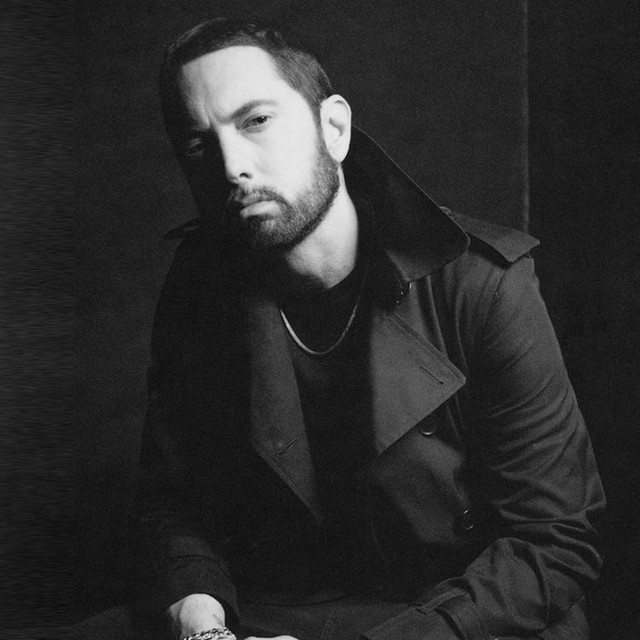
Eminem
Hip Hop
Hardcore Hip Hop
Pop Rap
5
/5
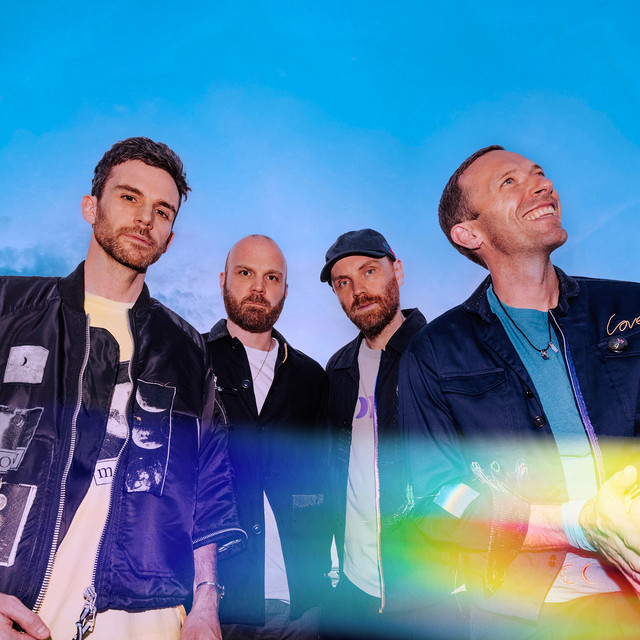
Coldplay
Rock
Permanent Wave
Alternative Rock
5
/5
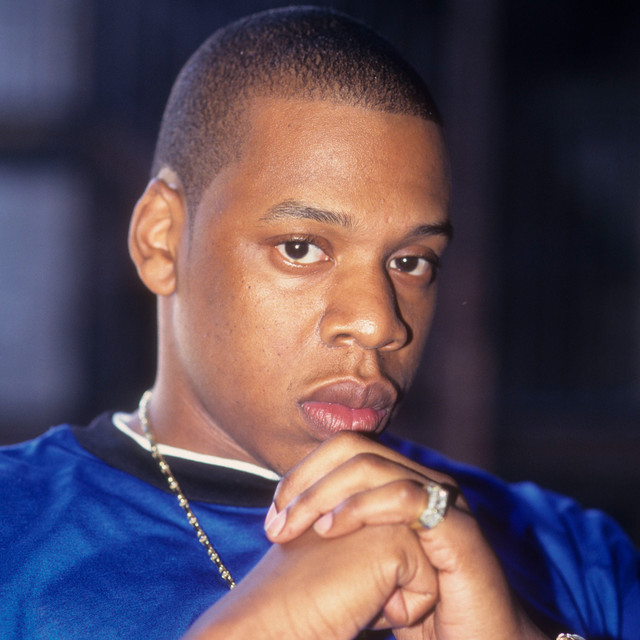
JAŸ-Z
East Coast Hip Hop
Hip Hop
Hardcore Hip Hop
Download our mobile app
Get the Melodigging app and start digging for new genres on the go
Download on the App Store
Get it on Google Play
© 2026 Melodigging
Give feedback
Legal
Melodding was created as a tribute to
Every Noise at Once
, which inspired us to help curious minds keep digging into music's ever-evolving genres.