Genres
Artists
Albums
Make Music
Sign in
Sign in
Artists
Weirdcore
Artists
Weirdcore
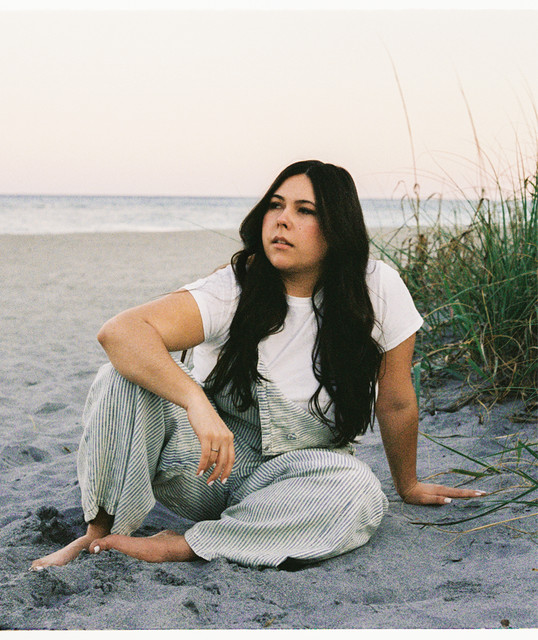
Rio Romeo
2020–2023
·
10 albums
Listen
4
/5
Genres
Rage
Rage is a high-energy, synth-forward trap production style characterized by bright, detuned supersaw leads, pounding 808s, and fast, looping drum patterns built for explosive rap performances. It emphasizes instant-impact hooks, minimal chord movement, and anthemic drops that feel closer to festival EDM crescendos than traditional hip hop breakdowns. The sound rose from the post–SoundCloud, punk-influenced branch of trap, drawing on the icy simplicity of Playboi Carti’s late-2010s palette and marrying it with trance/eurodance-styled leads and EDM trap dynamics. The result is a glossy, adrenalized bed for shouted, rebellious vocals—music designed for mosh pits, arena stages, and viral snippets alike.
Discover
Listen
Maimouna
Maimouna is a contemporary Francophone West- and Central‑African club style and dance craze that emerged in the early 2020s, most strongly associated with Côte d’Ivoire’s hyperactive urban party scene. It blends upbeat Afropop songcraft with street‑level chant, call‑and‑response hooks, and kinetic, percussion‑forward beats designed for viral dance challenges. Typical tracks ride a mid‑fast 100–118 BPM groove with shaker and cowbell patterns, handclaps, snare rushes, and short synth stabs or guitar licks. Vocals often mix Nouchi (Ivorian street slang) with French, using playful boasts, dance instructions, and catchy refrains. The production is bright and punchy, favoring simple harmonic loops so the crowd‑energy, chants, and choreography lead the experience.
Discover
Listen
Weirdcore
Weirdcore is an internet-native microgenre and aesthetic of experimental electronic music that leans into liminal nostalgia, eerie memory, and uncanny ambience. Its sound palette often combines misty pads, degraded samples, tape hiss, and bitcrushed percussion with disembodied voices, classroom and mall PA announcements, retro operating system chimes, and field recordings of empty or transitional spaces. Harmonically, weirdcore favors drones, slowly shifting modal clusters, and ambiguous, memory-warping intervals that feel familiar yet distorted. Rhythm ranges from beatless, foggy soundscapes to brittle, broken 2-step and slow, stumbling downtempo pulses. Heavy time-stretching, granular manipulation, wow-and-flutter, convolution reverbs, and spectral or cassette-style degradation are central to its texture. Although closely tied to a visual aesthetic (liminal spaces, late-night analog glow, low-resolution signage), weirdcore as a musical style is defined by its uncanny collage sensibility: sampling and warping everyday audio detritus until it becomes emotionally charged, melancholic, and faintly unsettling.
Discover
Listen
Analog Horror
Analog horror is an internet-born horror style that foregrounds the texture and limits of obsolete media. It is characterized by lo‑fi, band‑limited sound, tape hiss, wow and flutter, and the sonic vocabulary of public‑access TV, VHS cassettes, emergency broadcast signals, and numbers stations. In narrative terms, it tends toward cryptic, surreal plots presented as faux archival broadcasts, training films, or interrupted transmissions. Musically, the idiom leans on drones, minimal motifs, degraded samples, and detuned analog synths, using period‑authentic processing to evoke dread, nostalgia, and the uncanny.
Discover
Listen
Fake
“Fake” is an informal, streaming-era genre tag used for sound‑alike covers, karaoke takes, tribute recordings, and generic instrumental remakes that closely mimic current or classic hits. Rather than foregrounding the original songwriter’s concept, these recordings prioritize recognizability, search optimization, and fast turnaround. Session singers and studio players reproduce the hook, tempo, and arrangement with minimal reinterpretation; track and artist names often echo the original title or lyrical catchphrase to capture search traffic.
Discover
Listen
Isekai
Isekai (lit. "another world") in music refers to songs and scores written for anime and games where characters are transported—often accidentally or involuntarily—into a parallel universe or fantasy world. In practice, it is a sub-current of Japanese anisong and soundtrack culture whose soundworld emphasizes the wonder, peril, and empowerment arcs typical of isekai narratives. Musically, isekai blends high-impact J‑pop/J‑rock openings (OPs) with hybrid orchestral scores: soaring string ostinati, heroic brass, choir pads, and EDM/rock rhythm sections used to frame battles, leveling-up sequences, and portal moments. Endings (EDs) often pivot to lyrical, nostalgic or bittersweet pop to reflect homesickness, found-family bonds, or the protagonist’s inner monologue.
Discover
Listen
Melancholia
Melancholia is an internet-era microgenre centered on soft-focus, sorrow-tinged pop and indie songs that foreground intimacy, space, and emotional candor. Tracks are typically slow to mid‑tempo, sung in a close, almost confessional register, and framed by sparse, reverb‑soaked textures. Sonically it lives between dream pop, bedroom pop, and slowcore: shimmering guitars or wistful synth pads drift over understated beats; piano, acoustic guitar, and low‑key electronic drums carry muted, pulsing grooves. Harmonies often favor minor keys, suspended chords, and gentle extensions (7ths/9ths) that heighten a bittersweet glow. Lyrically, melancholia lingers on solitude, late‑night self‑reflection, breakups, and fragile hope. The genre coalesced through streaming playlists and social media, where its hush, negative space, and diaristic tone translate into a cohesive, instantly recognizable mood.
Discover
Listen
Sleep
Sleep is a functional music category designed to support falling asleep and sustaining restful, uninterrupted sleep. It favors extremely low stimulation: slow or absent pulse, very soft dynamics, long envelopes, and timbres that avoid sharp transients. Stylistically, it borrows from ambient and new-age traditions (drones, gentle pads, soft piano), environmental and field recordings (rain, waves, wind), and unobtrusive tonal fragments. Production emphasizes smooth spectral balance, minimal movement, and gradual change so the listener can disengage without sudden arousal. In the streaming era, “sleep” became a distinct, curated space: long-form tracks and continuous mixes, colored-noise beds, and sparse neoclassical motifs, optimized for bedtime routines, night-long playback, and bedroom acoustics.
Discover
Listen
Pov: Indie
"pov: indie" is a social-media-native microstyle built around short, cinematic indie-pop/indie-rock snippets designed to accompany a first-person (POV) narrative. Instead of being defined by a single new musical technique, it is defined by context: the music is chosen or written to feel like the soundtrack to a specific moment (a crush, a late-night walk, moving to a new city, seasonal nostalgia). Sonically it typically uses bright but soft guitars or synths, intimate vocals, simple memorable hooks, and production that reads clearly on phone speakers. The emotional tone is often wistful, tender, and “coming-of-age,” with lyrics that can be understood quickly in a 10–30 second clip.
Discover
Listen
Writing
Writing is a functional, streaming-era microgenre designed to support reading and writing by providing an unobtrusive sonic backdrop. It favors gentle dynamics, sparse textures, and a stable emotional temperature that reduces distraction while maintaining a subtle sense of flow. The sound palette commonly blends modern classical elements (felt piano, light strings), ambient pads and drones, soft post-rock guitars with long reverb tails, and understated downtempo or lo-fi rhythms. Tempos are typically slow to moderate (often 60–90 BPM) or pulse-free, with simple, repetitive motifs and gradual evolution rather than dramatic contrasts. Harmonically, it leans on consonant, slowly changing chords, modal centers, and extended triads for warmth, avoiding sharp dissonance or sudden modulations. Vocals, when present at all, are wordless; most tracks are instrumental to preserve focus.
Discover
Listen
Glitchcore
Glitchcore is an internet-born microgenre that fuses pop-forward songwriting with hyperactive, digitally mangled sound design. It is characterized by bitcrushed and over-distorted synths, stuttered edits, sudden beat-switches, and heavily pitch-shifted, Auto-Tuned vocals. Arrangements tend to be short, hook-centric, and maximalist, often compressing multiple sections and textures into tracks that last 90–150 seconds. The genre borrows the emotive directness of emo rap and bedroom pop, the rhythmic backbone of trap, and the candy-coated sheen of hyperpop and bubblegum bass, while leaning into deliberate digital artifacts—glitches, dropouts, resampling, and hard clip distortion—as expressive tools. Culturally, glitchcore is inseparable from online communities (Discord, SoundCloud, TikTok), where rapid iteration, meme literacy, and DIY production workflows shaped its sound and aesthetics.
Discover
Listen
Otacore
Otacore is a fan-driven, internet-native umbrella for music centered on anime, manga, gaming, and broader otaku culture. Rather than a single strict musical style, it describes a cluster of scenes where pop, electronic, rock, and rap intersect with anime aesthetics, story tropes, and character/fandom references. Typical otacore repertoires include Vocaloid productions, anisong-style pop/rock, high-energy EDM with kawaii sound design, nightcore-style edits, game-inspired chiptune flourishes, and cover cultures (English/Japanese) tied to anime and game franchises. Distribution and discovery are powered by platforms such as Nico Nico Douga, YouTube, SoundCloud, streaming playlists, and later TikTok, where memeability, fan videos (AMVs), and vtuber performances help songs spread globally.
Discover
Listen
Lilith
Lilith is a mood-driven, internet-native microgenre that blends dark, feminine alternative pop with elements of trip hop, dream pop, witch house, and ethereal wave. It favors breathy or intimate vocals drenched in reverb, slow to mid-tempo grooves, spectral pads, and cinematic, minor-key harmonies that evoke occult, gothic, or mythic imagery. The overall sound is bass-forward yet gauzy: sub-heavy 808s or dusty breakbeats sit under shimmering guitars, distant choirs, and textural synths. Lyrically, Lilith leans into vulnerability, power, hauntings, and desire—frequently framed through confessional writing and ritual or nocturnal symbolism. It’s less a scene tied to a single city than a streaming-era aesthetic, cohering through playlists and social media communities.
Discover
Listen
Lo Star
Lo star is a streaming-era umbrella tag used to group under-the-radar, low-profile artists who sit on the fringes of indie, alternative, DIY pop, and related scenes. Rather than denoting a single, tightly defined musical vocabulary, it marks a discovery space of self-produced or small-label projects with modest audiences, genre-fluid aesthetics, and a distinctly DIY approach to recording and release. Expect intimate vocals, inexpensive or home-studio production, hybrid acoustic/electronic textures, and songwriting that favors personal storytelling and immediacy over polish. Because it functions as a curatorial category for emerging or niche acts, the sonic palette spans indie rock and folk-pop to bedroom pop and lo-fi electronic, unified by scale, ethos, and distribution more than by strict musical rules.
Discover
Listen
Show all 14 genres
Albums
2023
1
/5
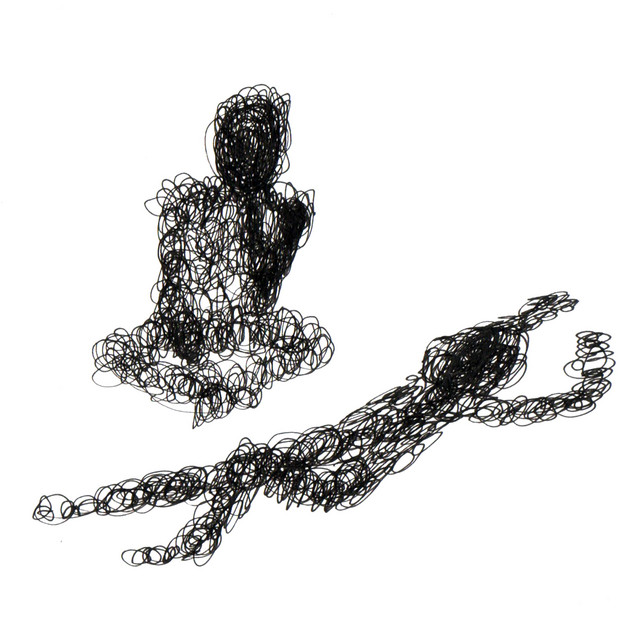
Everyday is the Best Day of My Life
Rio Romeo
Weirdcore
2023
2
/5
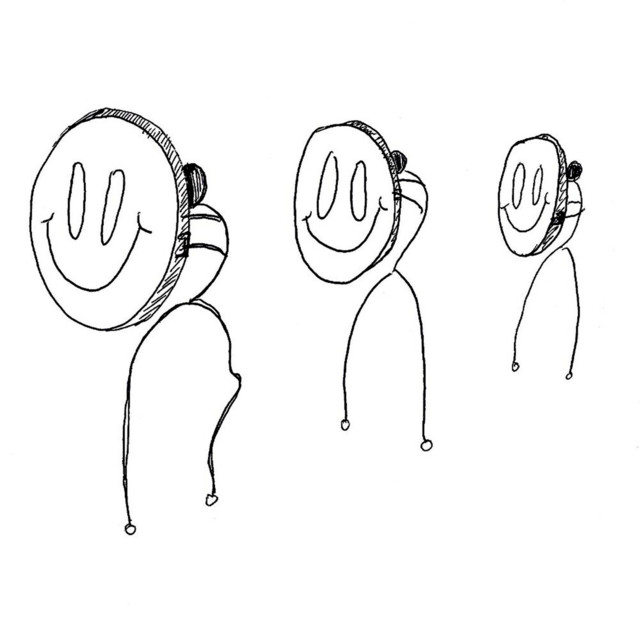
Over & Over
Rio Romeo
Weirdcore
2022
3
/5
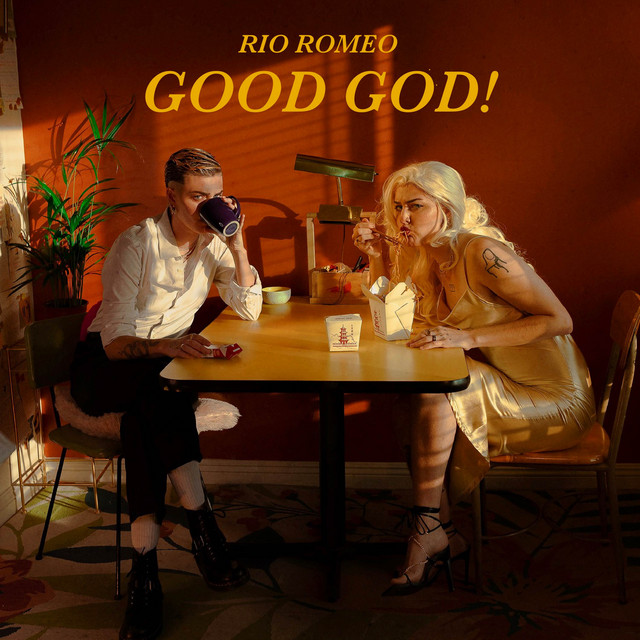
Good God!
Rio Romeo
Weirdcore
2022
2
/5
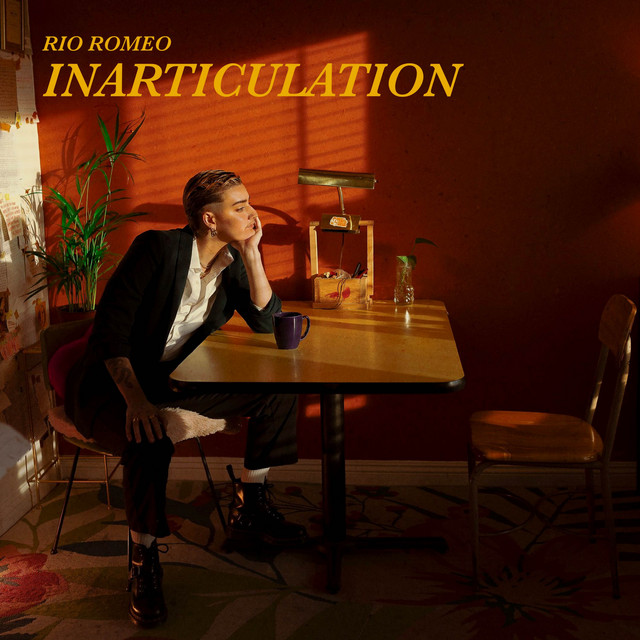
Inarticulation
Rio Romeo
Weirdcore
2022
2
/5
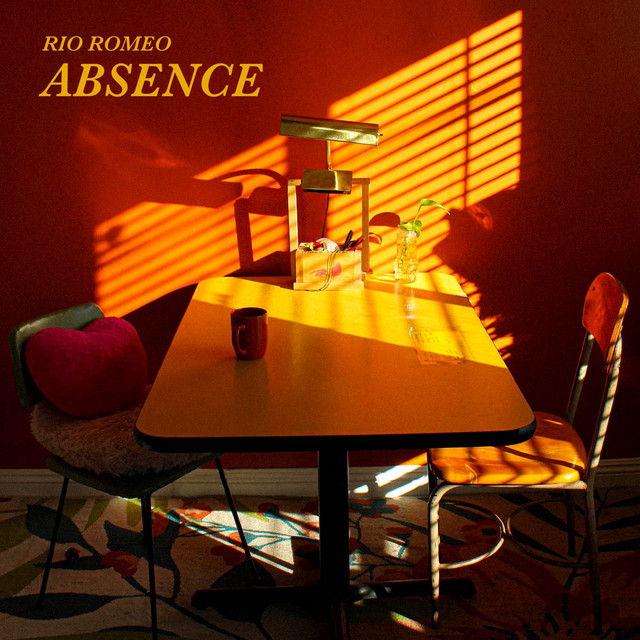
Absence
Rio Romeo
Weirdcore
2022
2
/5
Fuck The Supreme Court (Rant Song)
Rio Romeo
Weirdcore
2022
1
/5
Bet
Rio Romeo
Weirdcore
2021
1
/5
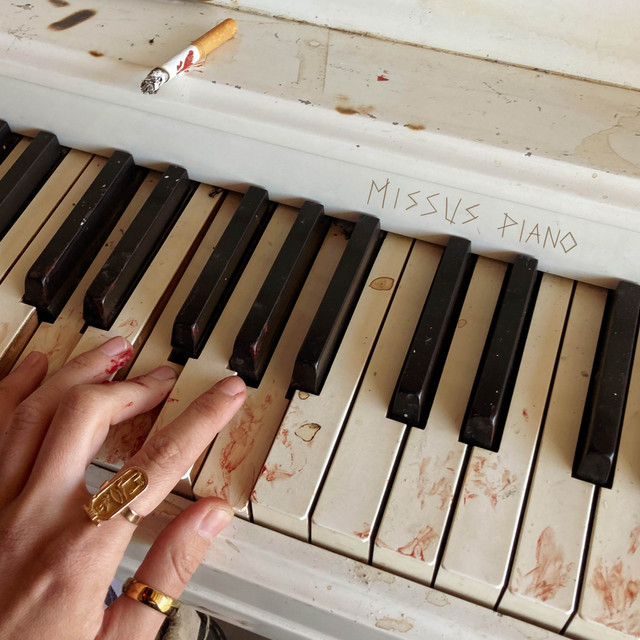
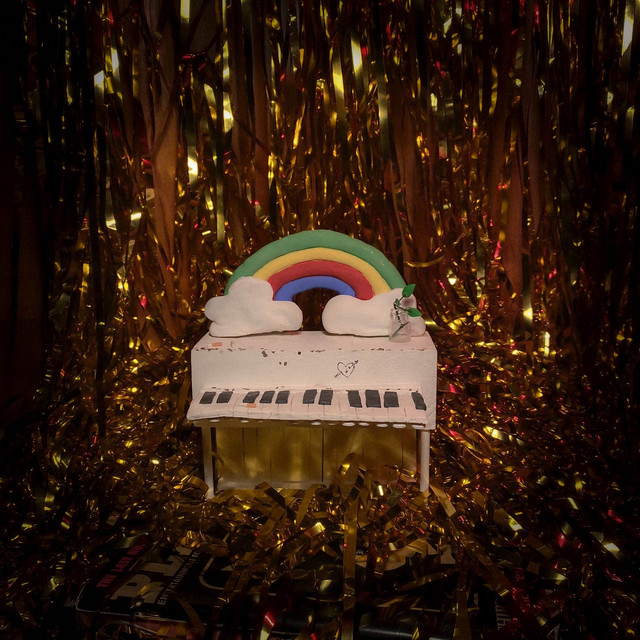
Missus Piano
Rio Romeo
Weirdcore
2021
2
/5
Butch 4 Butch
Rio Romeo
Weirdcore
2020
1
/5
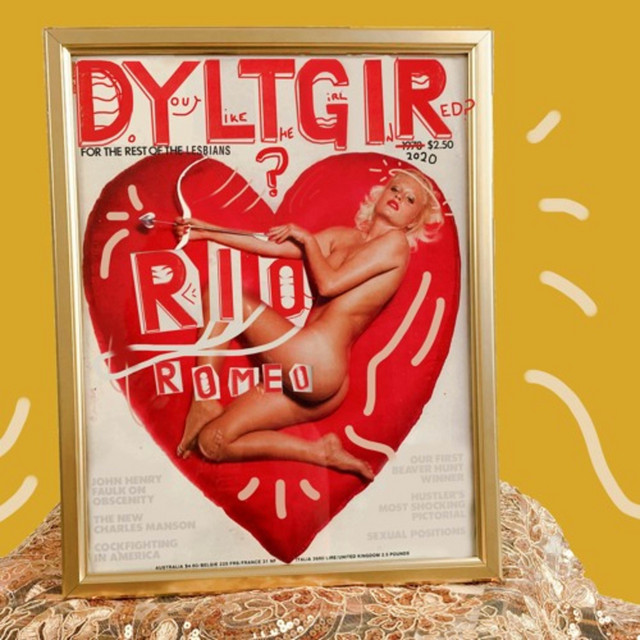
Dyltgir?
Rio Romeo
Weirdcore
Similar artists
5
/5
Lana Del Rey
Art Pop
Pop
Alternative Pop
5
/5
Billie Eilish
Art Pop
Pop
Alternative Pop
4
/5
Gigi Perez
Bedroom Pop
Indiecoustica
Isekai
4
/5
SYML
Modern Indie Pop
Indian Indie
Indiecoustica
4
/5
Patrick Watson
Indie Québécois
Indie Folk
Indie Rock
4
/5
Jack Stauber's Micropop
Weirdcore
Analog Horror
Digital Horror
4
/5
Instupendo
Weirdcore
Analog Horror
Aussie Drill
3
/5
Metaroom
Speedcore
Weirdcore
Analog Horror
3
/5
Bonjr
Dark Ambient
Weirdcore
Grave Wave
3
/5
Oliver Buckland
Weirdcore
Analog Horror
Digital Horror
Download our mobile app
Get the Melodigging app and start digging for new genres on the go
Download on the App Store
Get it on Google Play
© 2026 Melodigging
Give feedback
Legal
Melodding was created as a tribute to
Every Noise at Once
, which inspired us to help curious minds keep digging into music's ever-evolving genres.