Genres
Artists
Albums
Make Music
Sign in
Sign in
Artists
Shoegaze
Artists
Shoegaze
my bloody valentine
1988–2013
·
6 albums
Listen
3
/5
Genres
Zoomergaze
Zoomergaze is a Gen Z, internet-native evolution of shoegaze that fuses the genre’s dense, guitar-washed textures with hyperpop/digicore maximalism and modern trap/emo-rap rhythm programming. It favors blown‑out saturation, brickwalled dynamics, digital clipping, and wide stereo fields, often pairing jet‑engine guitars with 808 subs, jittery hi‑hats, breakbeat flourishes, and intimate, lightly Auto‑Tuned vocals. The mood leans dreamy yet emotionally raw—nostalgic, melancholic, and diaristic—delivered through DIY production that thrives on Bandcamp, SoundCloud, and TikTok discovery. Where classic shoegaze hid the singer in the mix, Zoomergaze keeps the voice present and personal, weaving confessional hooks into shimmering noise and glitchy, internet-era sound design.
Discover
Listen
Tech-Noir
Tech-noir is a musical subgenre and aesthetic within the synthwave and darksynth scenes, characterized by a dark, cinematic, and dystopian atmosphere. It draws heavy inspiration from 1980s science fiction and neo-noir films, blending retro-futuristic synthesizer melodies with driving basslines and industrial elements. The music often incorporates narrative storytelling, spoken word samples, and soundscapes that evoke a sense of urban decay, high-tech menace, and cynical romance.
Discover
Listen
Digital Horror
Digital horror is a contemporary horror aesthetic that focuses on dread emerging from networked technologies, software, and always‑on media. Narratives and sound worlds revolve around screens, social platforms, livestreams, malware, deepfakes, and the uncanny presence of algorithmic systems. In music and sound design, the style translates this fear of the digital into glitching textures, corrupted audio artifacts, synthetic drones, and the weaponization of familiar interface sounds (alerts, keyboards, notification pings). It often blends dark ambient, industrial noise, and hauntological sampling to suggest threats that live inside code, clouds, and data centers—consistent with the wider definition that emphasizes anxiety and supernatural menace arising from the Internet and modern media.
Discover
Listen
Doomshop Phonk
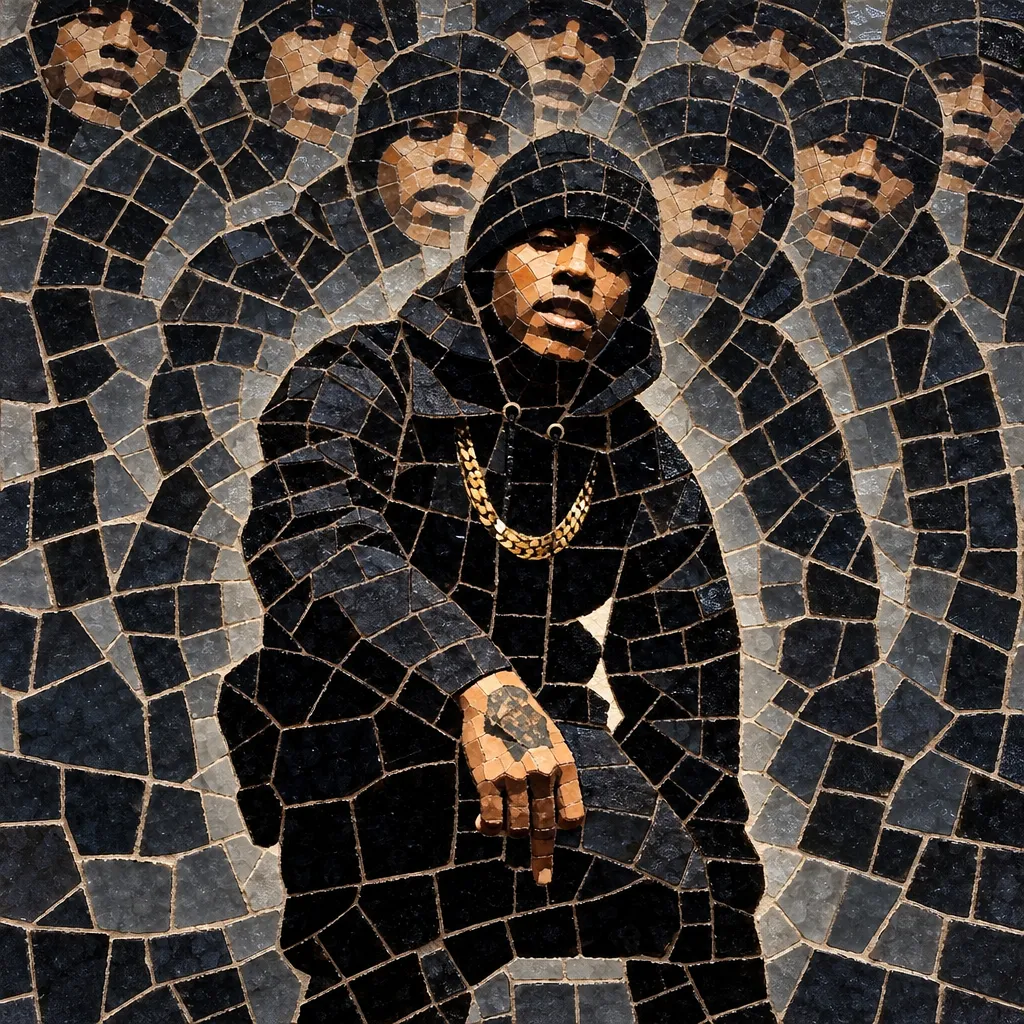
Doomshop phonk is a darker, grittier branch of phonk rooted in 1990s Memphis underground hip hop aesthetics and horrorcore imagery. It emphasizes slowed, pitched‑down rap vocals, eerie melodic loops, blown‑out 808 subs, and lo‑fi textures (tape hiss, vinyl crackle) to evoke a sinister, nocturnal atmosphere. The style was popularized online in the mid‑2010s through the Doom Shop/Doomshop collective, YouTube mixtapes, and SoundCloud communities. Compared with mainstream or drift phonk, doomshop phonk keeps tempos slower, mixes dirtier, and samples and programming closer to chopped‑and‑screwed and early Memphis traditions.
Discover
Listen
Indie Dream Pop
Indie dream pop blends the hazy, reverb-heavy atmospheres of classic dream pop with the songwriting sensibilities and DIY production ethos of indie music. Typical tracks feature soft, breathy vocals floating over lush guitar textures, analog-leaning synth pads, and understated drum grooves. The sound privileges mood and texture—chorus- and delay-washed guitars, shimmering synths, and gauzy reverbs—while keeping melodies tuneful and intimate. Compared with 1980s dream pop, the "indie" strand leans more on bedroom production, compact song forms, and approachable hooks. Lyrically, themes often center on memory, longing, youth, and small emotional details, delivered in a close-mic, confessional style. The overall aesthetic is nocturnal, nostalgic, and gently hypnotic.
Discover
Listen
Indie Shoegaze
Indie shoegaze is a modern fusion of indie rock songcraft with the texture-heavy aesthetics of classic shoegaze. It keeps the haze: washed-out guitars drenched in reverb and delay, breathy or buried vocals, and a strong emphasis on atmosphere. Unlike the denser, sometimes overwhelming walls of sound in late-’80s/early-’90s shoegaze, indie shoegaze tends to prize clearer hooks, jangly patterns, and compact song forms. The result is a gauzy, melodic sound that feels intimate and contemporary while still dreamily saturated.
Discover
Listen
Northern Gothic
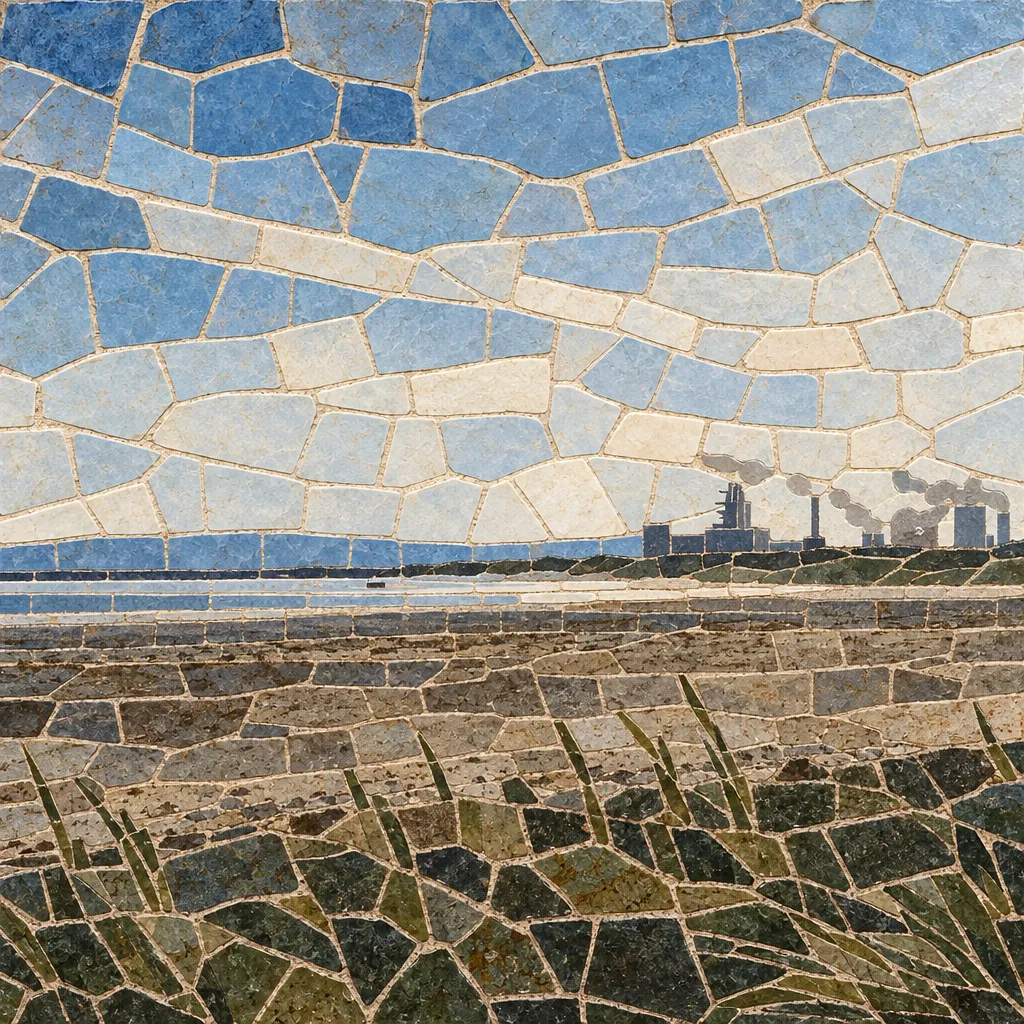
Northern gothic is a modern recontextualization of gothic sensibility rooted in the post‑industrial landscapes, politics, and culture of 21st‑century Northern England. It blends post‑punk austerity, industrial and dark ambient textures, hauntological memory work, and stark folk storytelling. The sound often evokes mills, moorland, sea ports, terraces, and cooling towers—spaces marked by deindustrialization—through tape patina, reverberant spaces, modular drones, and vernacular narratives. Compared with classic goth, it is less theatrical and more documentary or folkloric in tone, prioritizing regional specificity, minimalism, and social realism.
Discover
Listen
Phonk
Phonk is a dark, sample-heavy microgenre of hip hop and trap that resurrects the gritty aesthetics of 1990s Memphis rap. It blends chopped-and-screwed vocals, ominous minor-key loops, lo‑fi textures, and overdriven 808s to create a woozy, menacing atmosphere. While early phonk leaned on slowed vocal samples and cassette‑era grit, a later offshoot known as drift phonk foregrounded hard‑clipping 808 bass and bright cowbell patterns at faster tempos, becoming synonymous with car/drift videos and social media virality. Across its variants, phonk is united by retro Southern rap DNA, tape‑worn sonics, and an underground, DIY producer culture.
Discover
Listen
Spacegrunge
Spacegrunge is a modern hybrid that fuses the serrated, riff‑driven power of 1990s grunge with the expansive ambience of space rock and the hazy textures of shoegaze. It typically features heavy, detuned guitars wrapped in delay, reverb, and chorus; muscular, driving basslines; and roomy, mid‑tempo drums that swing between soft‑loud dynamics and tidal crescendos. Vocals often sit slightly submerged in the mix, conveying themes of cosmic isolation, nostalgia, and interior reflection. While rooted in alt‑rock songcraft, spacegrunge widens the sonic field with drones, synth pads, and atmospheric interludes, creating a sense of lift‑off without abandoning the grit and immediacy of guitar music.
Discover
Listen
Texasgaze
Texasgaze is a regional strain of modern shoegaze that crystallized in Texas during the 2010s. It blends the immersive guitar wash and hazy vocals of classic shoegaze with the grit and heft of Southern grunge, noise rock, and post-hardcore. Compared with dreamier UK-inspired scenes, texasgaze typically runs hotter and heavier: high‑gain guitars, drop‑tuned or thickly voiced riffs, and punchy, live‑room drums sit under breathy, often buried vocals. The result is both enveloping and physical—equal parts shimmering atmosphere and concrete, stage‑shaking impact.
Discover
Listen
Popgaze
Popgaze is a fusion style that marries the lush, reverb‑drenched textures of shoegaze and dream pop with the immediacy, hooks, and verse‑chorus structures of contemporary pop. Hallmarks include shimmering guitar layers, airy synth pads, warm choruses and delays, and breathy, multi‑tracked vocals that sit inside the mix rather than on top of it. While the soundscapes can be hazy and immersive, arrangements remain concise and hook‑forward, often emphasizing memorable toplines, bright chord voicings, and crisp rhythm sections. The result is music that feels both weightless and catchy: melancholic yet uplifting, nostalgic yet modern, designed to translate shoegaze’s atmosphere into radio‑friendly, playlist‑ready songs.
Discover
Listen
Animutation
Animutation is a surreal, collage-style form of short-form animation that emerged in the early 2000s on the web. Pieces typically juxtapose cut‑out photos of celebrities, public figures, and random objects with frenetic lip‑syncing and rapid, non‑sequitur edits. Most classics were authored in Adobe Flash (now Animate), embracing a deliberately crude, low‑resolution aesthetic: jagged edges, mismatched tweening, garish color clashes, and pop‑up gags layered over hyperactive foreign pop, dance, or novelty tracks. The result is a proto‑meme audio‑visual collage—equal parts absurdist humor, culture‑jamming, and internet folk art.
Discover
Listen
Slowcore
Slowcore is a minimalist strain of indie rock defined by extremely slow tempos, hushed dynamics, and sparse arrangements. It emphasizes space, sustain, and emotional restraint over volume or virtuosity, often using clean guitars, soft drumming, and intimate vocals to create a glacial, contemplative atmosphere. Lyrically, it gravitates toward introspection, memory, and everyday melancholy, with melodies that unfold patiently and harmonies that remain simple and diatonic. The result is music that feels heavy with quiet, where silence and decay are as expressive as the notes themselves.
Discover
Listen
Shoegaze
Shoegaze is a subgenre of alternative rock characterized by dense, immersive walls of guitar sound, heavily layered effects, and vocals that blend into the mix as another texture rather than a focal point. Typically mid-tempo and enveloping, it emphasizes timbre, atmosphere, and harmonic color over riff-driven hooks. Reverb, delay, chorus, tremolo, fuzz, and pitch-bending create a blurred, dreamlike quality—often described as a "wash"—while bass and drums provide a steady, understated foundation. The style emerged in the United Kingdom in the late 1980s; the term "shoegaze" was coined by the British press, referencing performers’ tendency to look down at their pedalboards during live shows.
Discover
Listen
Noise Pop
Noise pop blends the tunefulness and hook-centric structures of pop with abrasive textures such as feedback, distortion, and tape hiss. It typically features bright, simple melodies buried beneath a dense, overdriven "wall of sound," with vocals often mixed low or coated in reverb. The aesthetic draws on 1960s girl-group and power-pop songwriting but delivers it through punk-informed energy and noise-rock sonics, creating music that is simultaneously sweet and scuffed.
Discover
Listen
Dream Pop
Dream pop is a subgenre of alternative and indie rock that emphasizes atmosphere, texture, and mood over traditional rock dynamics. It is characterized by shimmering, reverb-laden guitars, soft and often breathy vocals, steady but subdued rhythms, and lush harmonic beds created with chorus, delay, and ambient-style processing. Rather than building around riffs or virtuosity, dream pop prioritizes hypnotic repetition, impressionistic lyrics, and a sense of weightless drift, frequently drawing on neo-psychedelia and ambient aesthetics. Its canonical sound coalesced in the mid-1980s (especially around the 4AD label), and later intersected with and helped seed shoegaze and many subsequent bedroom- and internet-era pop styles.
Discover
Listen
Indie Rock
Indie rock is a subgenre of rock and a branch of alternative rock that coalesced in the early–mid 1980s around independent labels and DIY practices in the United Kingdom, the United States, and New Zealand. Defined less by a single sound than by an ethos, indie rock favors non‑mainstream approaches, self‑recording and small‑label distribution, and an interest in pop‑informed melody and eclectic experimentation. Hallmarks include jangly or fuzzed guitars, intimate or deadpan vocals, off‑kilter song structures, and production that often preserves a raw, “authentic” feel rather than glossy studio polish.
Discover
Listen
Noise Rock
Noise rock is a subgenre of rock that deliberately embraces distortion, feedback, dissonance, and abrasive textures as primary musical materials rather than mere effects. It prioritizes timbre, volume, and sonic density over conventional melody and harmony, often using nonstandard tunings, prepared or detuned guitars, and extended techniques to generate harsh overtones and sheets of sound. Rhythm sections tend to be driving and repetitive, anchoring the chaos with motorik pulses, lurching grooves, or pummeling, minimal patterns. Vocals range from spoken and murmured to shouted and cathartic, with lyrics that skew cryptic, confrontational, or surreal. Aesthetically, noise rock traces a line from punk’s anti-virtuosity and DIY ethos through no wave’s iconoclasm and the avant-garde’s interest in sound-as-sound, yielding music that can be physically intense, psychologically unsettling, and artistically exploratory.
Discover
Listen
Halloween Music
Halloween music is a cross-genre repertoire defined less by a single stylistic syntax and more by its association with the secular holiday of Halloween and its themes of horror, the uncanny, and the supernatural. It spans novelty hit singles, haunted-house sound‑effects albums, spooky children’s songs, horror-film cues, and goth/industrial and dark electronic tracks that surge in popularity every October. Common sonic markers include minor keys, tritones and diminished harmony, pipe or theater organs, eerie strings, theremin- or synth-like glides, creaks, howls, and thunderclaps. Lyrically and iconographically it references monsters, ghosts, witches, vampires, skeletons, and trick‑or‑treat imagery. Because it is tied to a season and a cultural ritual, Halloween music functions as a flexible umbrella that can encompass vintage novelty rock (e.g., Monster Mash), cinematic horror scores, and danceable pop suitable for parties, provided it evokes a spooky, playful, or theatrically macabre mood.
Discover
Listen
Sadistic Horror
Sadistic horror is a horror film subgenre whose narratives and imagery center on captivity, cruelty, and the spectacle of bodily threat. In music terms, it favors cues that amplify dread and pain through abrasive textures, infrasonic pressure, and sudden shock stingers. Prominently featuring scenes of torture and degradation, its scoring language leans on extended techniques for strings and winds, metallic percussion and foley, granular and spectral processing, and atonal or microtonal harmonies. The result is a claustrophobic, oppressive sound world designed to make the audience feel trapped alongside the on‑screen victims.
Discover
Listen
Rock
Rock is a broad family of popular music centered on amplified instruments, a strong backbeat, and song forms that foreground riffs, choruses, and anthemic hooks. Emerging from mid‑20th‑century American styles like rhythm & blues, country, and gospel-inflected rock and roll, rock quickly expanded in scope—absorbing folk, blues, and psychedelic ideas—while shaping global youth culture. Core sonic markers include electric guitar (often overdriven), electric bass, drum kit emphasizing beats 2 and 4, and emotive lead vocals. Rock songs commonly use verse–chorus structures, blues-derived harmony, and memorable melodic motifs, ranging from intimate ballads to high‑energy, stadium‑sized performances.
Discover
Listen
Parody Music
Parody music is a humorous or satirical approach to music in which an existing song, composer’s voice, or recognizable style is deliberately imitated, altered, or lyrically re-written to make its traits appear exaggerated, ridiculous, or newly meaningful. Unlike simple covers, parody pieces transform musical and/or lyrical content to comment on the original work, current events, or pop culture. Parody can target specific songs, an artist’s broader stylistic fingerprints, or an entire genre’s conventions—often walking a line between affectionate homage and pointed satire.
Discover
Listen
Supernatural Horror
Supernatural horror (as a musical style) is the sound-world crafted to evoke the occult, ghosts, possession, mythic beasts, and uncanny entities from folklore. It blends orchestral tension, choral ritualism, experimental timbres, and sound design to suggest forces beyond human comprehension. Expect atonal clusters, whispering choirs, pipe organ or harmonium, bowed metals, infrasound, eerie drones, and sudden dynamic shocks. The goal is to conjure dread and numinous awe—sonically staging hauntings, curses, exorcisms, and encounters with the Other.
Discover
Listen
Claymation
Claymation (clay animation) is a form of stop-motion animation in which characters, props, and environments are sculpted from clay or similarly pliable materials such as Plasticine, then photographed frame by frame to create the illusion of movement. Each frame captures a tiny repositioning of the clay model; when the frames are played in sequence, the figures appear to come alive. Claymation covers several sub-techniques, from fully articulated puppets built around wire or metal armatures, to clay painting (moving, smearing, and reshaping clay on a flat surface), and replacement animation (swapping pre-sculpted mouth shapes or entire heads). Beyond film and television, claymation became a signature look in commercials and music videos thanks to its tactile charm, squash-and-stretch expressiveness, and hand-made imperfections that audiences find personable and nostalgic.
Discover
Listen
Show all 24 genres
Albums
2013
3
/5
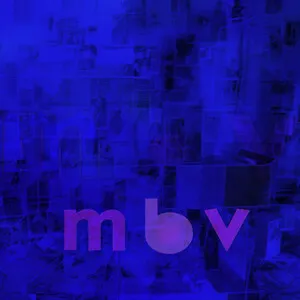
m b v
My Bloody Valentine
Shoegaze
Dream Pop
Rock
1991
3
/5
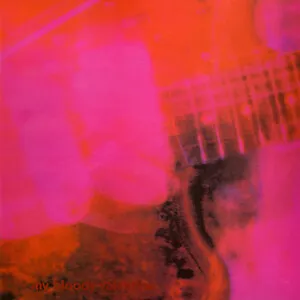
Loveless
my bloody valentine
Indie Rock
Rock
Animutation
1991
4
/5
Loveless
my bloody valentine
Noise Pop
Shoegaze
Alternative Rock
1988
3
/5
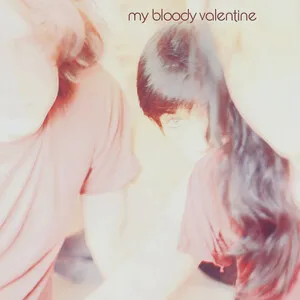
Isn't Anything
My Bloody Valentine
Noise Pop
Shoegaze
Rock
Loveless
my bloody valentine
Claymation
Loveless
my bloody valentine
Sadistic Horror
Similar artists
3
/5
Parannoul
Korean Shoegaze
Shoegaze
Dream Pop
2
/5
Swirlies
Shoegaze
Dream Pop
Indie Shoegaze
4
/5
Jane Remover
Dariacore
Hyperpop
Hyper-Rock
3
/5
The Radio Dept.
Dream Pop
Nordic Shoegaze
Shoegaze
3
/5
Yo La Tengo
Indie Rock
Rock
Noise Pop
3
/5
DIIV
New York Shoegaze
Shoegaze
Indie Rock
3
/5
Candy Claws
Neo-Psychedelia
Dream Pop
Shoegaze
3
/5
Sweet Trip
Dream Pop
Idm
Shoegaze
4
/5
Beach House
Dream Pop
Indie Rock
Dreamo
3
/5
Blonde Redhead
Dream Pop
Indie Rock
Experimental Indie
Download our mobile app
Get the Melodigging app and start digging for new genres on the go
Download on the App Store
Get it on Google Play
© 2026 Melodigging
Give feedback
Legal
Melodding was created as a tribute to
Every Noise at Once
, which inspired us to help curious minds keep digging into music's ever-evolving genres.