Genres
Artists
Albums
Make Music
Sign in
Sign in
Artists
Shoegaze
Artists
Shoegaze
Swirlies
1993–1996
·
2 albums
Listen
2
/5
Genres
Indie Shoegaze
Indie shoegaze is a modern fusion of indie rock songcraft with the texture-heavy aesthetics of classic shoegaze. It keeps the haze: washed-out guitars drenched in reverb and delay, breathy or buried vocals, and a strong emphasis on atmosphere. Unlike the denser, sometimes overwhelming walls of sound in late-’80s/early-’90s shoegaze, indie shoegaze tends to prize clearer hooks, jangly patterns, and compact song forms. The result is a gauzy, melodic sound that feels intimate and contemporary while still dreamily saturated.
Discover
Listen
New England Shoegaze
New England shoegaze is a regional strand of the shoegaze and dream‑pop tradition centered on the U.S. New England states, with Boston and the college‑town circuit (Providence, Northampton, New Haven) as its main hubs. It blends classic UK shoegaze guitar wash with the DIY grit of New England indie and noise rock: dense, fuzz‑laden layers; roomy, plate‑like reverbs; breathy, low‑in‑the‑mix vocals; and a slightly colder, wintry atmosphere. Compared with West Coast or UK counterparts, it often feels rougher‑hewn and more basement‑show oriented, folding in post‑hardcore urgency and lo‑fi intimacy while retaining shimmering, dreamy overtones.
Discover
Listen
Popgaze
Popgaze is a fusion style that marries the lush, reverb‑drenched textures of shoegaze and dream pop with the immediacy, hooks, and verse‑chorus structures of contemporary pop. Hallmarks include shimmering guitar layers, airy synth pads, warm choruses and delays, and breathy, multi‑tracked vocals that sit inside the mix rather than on top of it. While the soundscapes can be hazy and immersive, arrangements remain concise and hook‑forward, often emphasizing memorable toplines, bright chord voicings, and crisp rhythm sections. The result is music that feels both weightless and catchy: melancholic yet uplifting, nostalgic yet modern, designed to translate shoegaze’s atmosphere into radio‑friendly, playlist‑ready songs.
Discover
Listen
Slowcore
Slowcore is a minimalist strain of indie rock defined by extremely slow tempos, hushed dynamics, and sparse arrangements. It emphasizes space, sustain, and emotional restraint over volume or virtuosity, often using clean guitars, soft drumming, and intimate vocals to create a glacial, contemplative atmosphere. Lyrically, it gravitates toward introspection, memory, and everyday melancholy, with melodies that unfold patiently and harmonies that remain simple and diatonic. The result is music that feels heavy with quiet, where silence and decay are as expressive as the notes themselves.
Discover
Listen
Indietronica
Indietronica is a hybrid of indie rock/pop songwriting and electronic music production. It blends guitars, bass, and live vocals with drum machines, samplers, soft-synths, and laptop-based sequencing, often favoring intimate, breathy vocal deliveries and hooky melodic lines. The sound typically features crisp programmed beats, warm analog-style synths, glitchy micro-edits, and dreamy pads, with arrangements that move between reflective verses and euphoric, danceable choruses. Lyrics lean toward introspection and romance, while production aesthetics range from lo‑fi bedroom textures to polished, club‑ready gloss.
Discover
Listen
Shoegaze
Shoegaze is a subgenre of alternative rock characterized by dense, immersive walls of guitar sound, heavily layered effects, and vocals that blend into the mix as another texture rather than a focal point. Typically mid-tempo and enveloping, it emphasizes timbre, atmosphere, and harmonic color over riff-driven hooks. Reverb, delay, chorus, tremolo, fuzz, and pitch-bending create a blurred, dreamlike quality—often described as a "wash"—while bass and drums provide a steady, understated foundation. The style emerged in the United Kingdom in the late 1980s; the term "shoegaze" was coined by the British press, referencing performers’ tendency to look down at their pedalboards during live shows.
Discover
Listen
Noise Pop
Noise pop blends the tunefulness and hook-centric structures of pop with abrasive textures such as feedback, distortion, and tape hiss. It typically features bright, simple melodies buried beneath a dense, overdriven "wall of sound," with vocals often mixed low or coated in reverb. The aesthetic draws on 1960s girl-group and power-pop songwriting but delivers it through punk-informed energy and noise-rock sonics, creating music that is simultaneously sweet and scuffed.
Discover
Listen
Indie Rock
Indie rock is a subgenre of rock and a branch of alternative rock that coalesced in the early–mid 1980s around independent labels and DIY practices in the United Kingdom, the United States, and New Zealand. Defined less by a single sound than by an ethos, indie rock favors non‑mainstream approaches, self‑recording and small‑label distribution, and an interest in pop‑informed melody and eclectic experimentation. Hallmarks include jangly or fuzzed guitars, intimate or deadpan vocals, off‑kilter song structures, and production that often preserves a raw, “authentic” feel rather than glossy studio polish.
Discover
Listen
Dream Pop
Dream pop is a subgenre of alternative and indie rock that emphasizes atmosphere, texture, and mood over traditional rock dynamics. It is characterized by shimmering, reverb-laden guitars, soft and often breathy vocals, steady but subdued rhythms, and lush harmonic beds created with chorus, delay, and ambient-style processing. Rather than building around riffs or virtuosity, dream pop prioritizes hypnotic repetition, impressionistic lyrics, and a sense of weightless drift, frequently drawing on neo-psychedelia and ambient aesthetics. Its canonical sound coalesced in the mid-1980s (especially around the 4AD label), and later intersected with and helped seed shoegaze and many subsequent bedroom- and internet-era pop styles.
Discover
Listen
Noise Rock
Noise rock is a subgenre of rock that deliberately embraces distortion, feedback, dissonance, and abrasive textures as primary musical materials rather than mere effects. It prioritizes timbre, volume, and sonic density over conventional melody and harmony, often using nonstandard tunings, prepared or detuned guitars, and extended techniques to generate harsh overtones and sheets of sound. Rhythm sections tend to be driving and repetitive, anchoring the chaos with motorik pulses, lurching grooves, or pummeling, minimal patterns. Vocals range from spoken and murmured to shouted and cathartic, with lyrics that skew cryptic, confrontational, or surreal. Aesthetically, noise rock traces a line from punk’s anti-virtuosity and DIY ethos through no wave’s iconoclasm and the avant-garde’s interest in sound-as-sound, yielding music that can be physically intense, psychologically unsettling, and artistically exploratory.
Discover
Listen
Alternative Rock
Alternative rock is a broad umbrella for guitar-based rock that emerged from the independent and college-radio scenes as a counterpoint to mainstream, commercial rock. It blends the energy and ethos of punk with the textural and songwriting experiments of post-punk, new wave, jangle pop, and noise rock, often foregrounding introspective or socially aware lyrics. Across its many strains—from the melodic minimalism of college rock to the loud-quiet-loud dynamics of grunge and the artful experimentation of Radiohead-era modernism—alternative rock prioritizes authenticity, sonic individuality, and a do-it-yourself approach. Its sound ranges from chiming, chorus-laden clean guitars to abrasive distortion and feedback, supported by straightforward rock rhythms or off-kilter grooves, and production that can be either raw and live-sounding or polished yet unconventional.
Discover
Listen
Rock
Rock is a broad family of popular music centered on amplified instruments, a strong backbeat, and song forms that foreground riffs, choruses, and anthemic hooks. Emerging from mid‑20th‑century American styles like rhythm & blues, country, and gospel-inflected rock and roll, rock quickly expanded in scope—absorbing folk, blues, and psychedelic ideas—while shaping global youth culture. Core sonic markers include electric guitar (often overdriven), electric bass, drum kit emphasizing beats 2 and 4, and emotive lead vocals. Rock songs commonly use verse–chorus structures, blues-derived harmony, and memorable melodic motifs, ranging from intimate ballads to high‑energy, stadium‑sized performances.
Discover
Listen
Experimental
Experimental music is an umbrella term for practices that prioritize exploration, process, and discovery over adherence to established genre norms. It embraces new sound sources, nonstandard tuning systems, indeterminacy and chance operations, graphic and open-form scores, extended techniques, and technology-led sound design (tape, electronics, computers, and live processing). Rather than a single style, it is a methodology and ethos: testing hypotheses about sound, structure, and performance, often blurring boundaries between composition, improvisation, sound art, and performance art. Listeners can expect unfamiliar timbres, unusual forms, and an emphasis on how music is made as much as the resulting sound.
Discover
Listen
Show all 13 genres
Albums
1996
2
/5
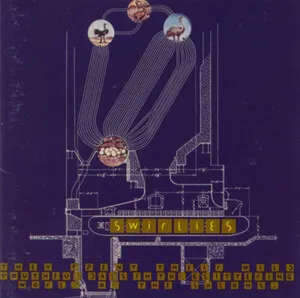
They Spent Their Wild Youthful Days in the Glittering World of the Salons
Swirlies
Noise Pop
Shoegaze
Alternative Rock
1993
3
/5
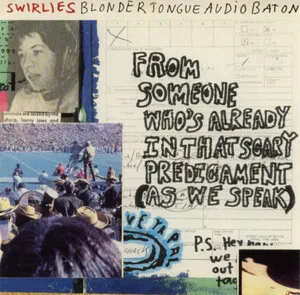
Blonder Tongue Audio Baton
Swirlies
Noise Pop
Indie Rock
Rock
Similar artists
3
/5
Parannoul
Korean Shoegaze
Shoegaze
Dream Pop
3
/5
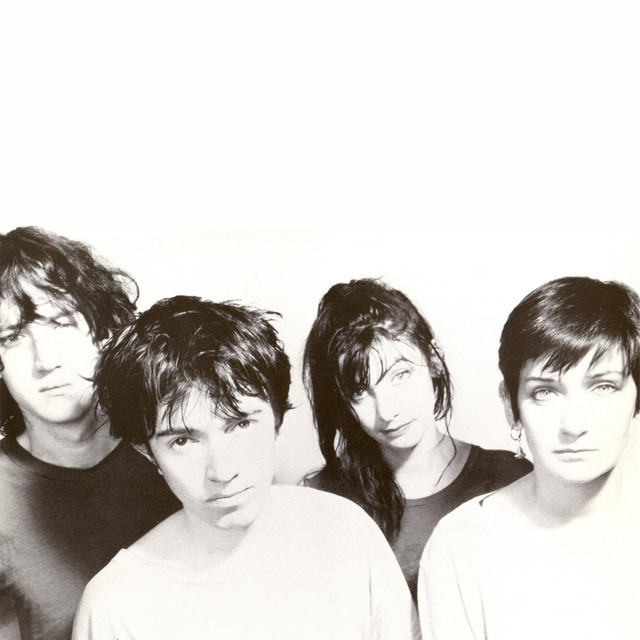
my bloody valentine
Shoegaze
Noise Pop
Dream Pop
3
/5
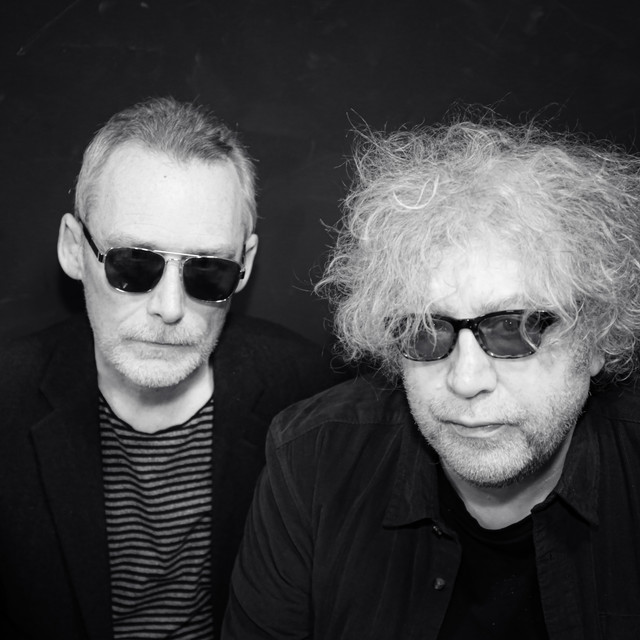
The Jesus and Mary Chain
Noise Pop
Post-Punk
Dream Pop
1
/5
Various Artists
Afro-Funk
Alternative Rock
Ambient
4
/5
Jane Remover
Dariacore
Hyperpop
Hyper-Rock
3
/5
The Radio Dept.
Dream Pop
Nordic Shoegaze
Shoegaze
3
/5
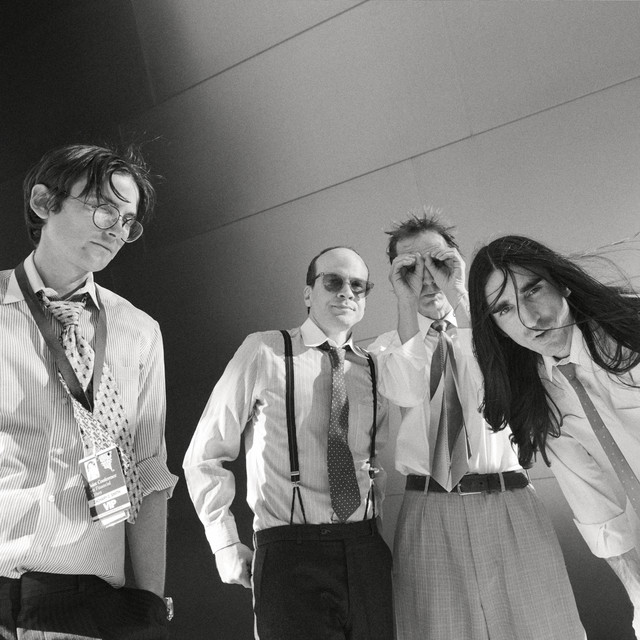
DIIV
New York Shoegaze
Shoegaze
Indie Rock
2
/5
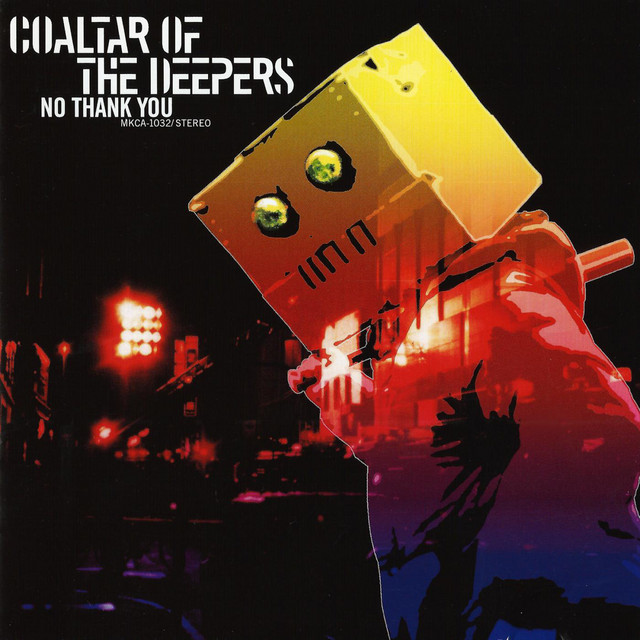
Coaltar Of The Deepers
Shoegaze
Dream Pop
Indie Dream Pop
1
/5
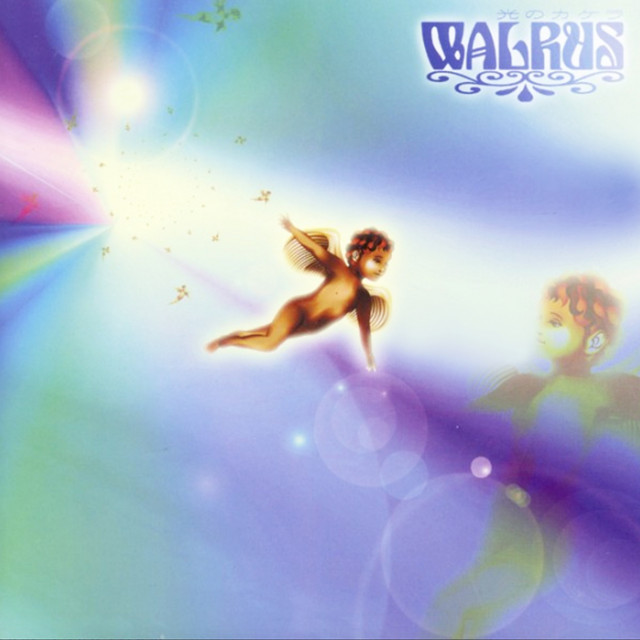
WALRUS
Shoegaze
Alternative Rock
Dream Pop
3
/5
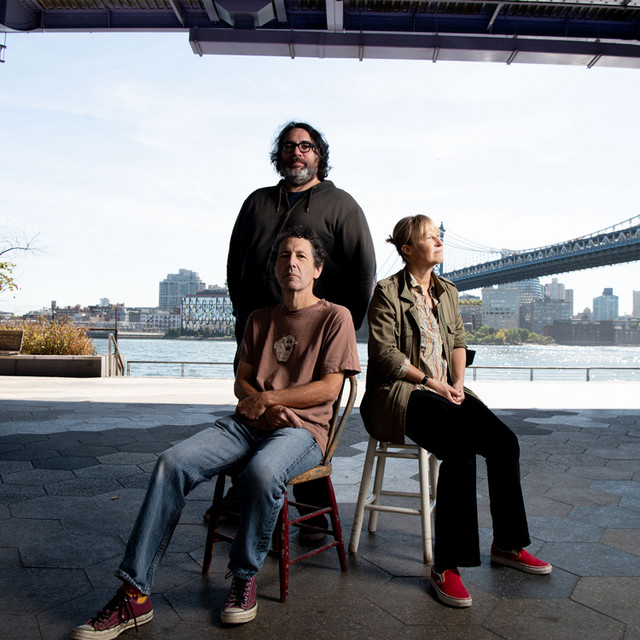
Yo La Tengo
Indie Rock
Rock
Noise Pop
Download our mobile app
Get the Melodigging app and start digging for new genres on the go
Download on the App Store
Get it on Google Play
© 2026 Melodigging
Give feedback
Legal
Melodding was created as a tribute to
Every Noise at Once
, which inspired us to help curious minds keep digging into music's ever-evolving genres.