Your digging level

For this genre
0/8
🏆
Sign in, then listen to this genre to level up

Description

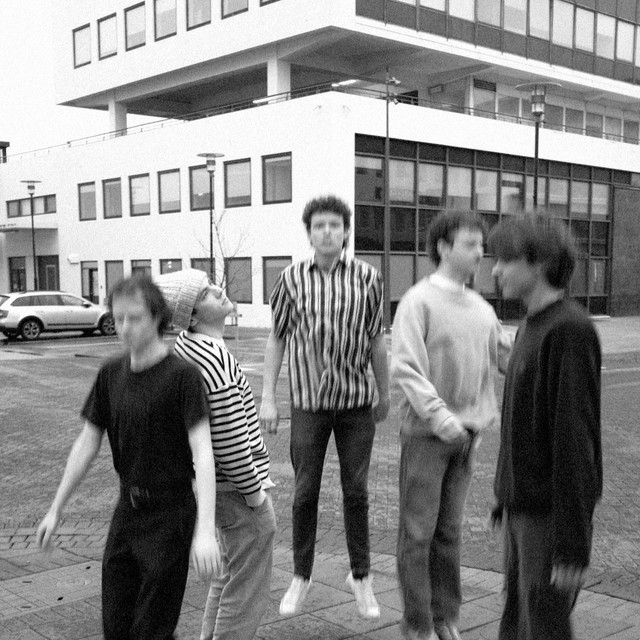
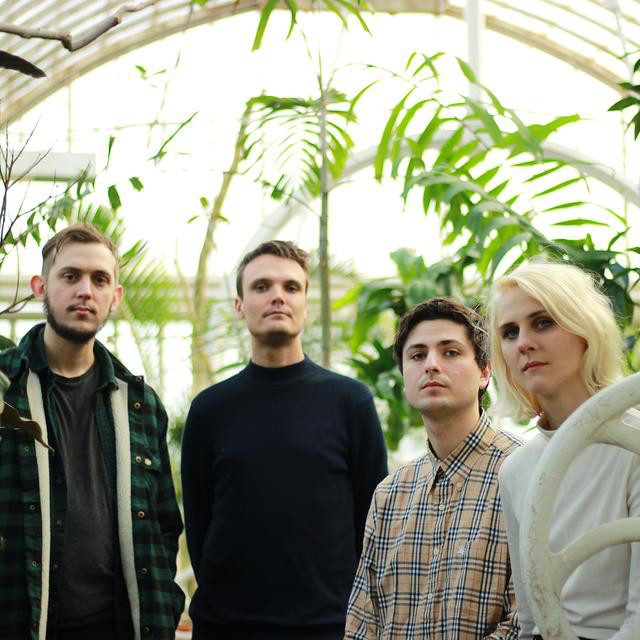
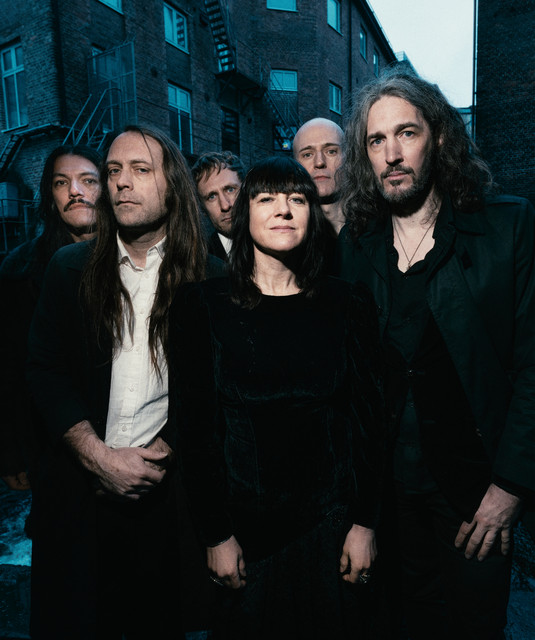
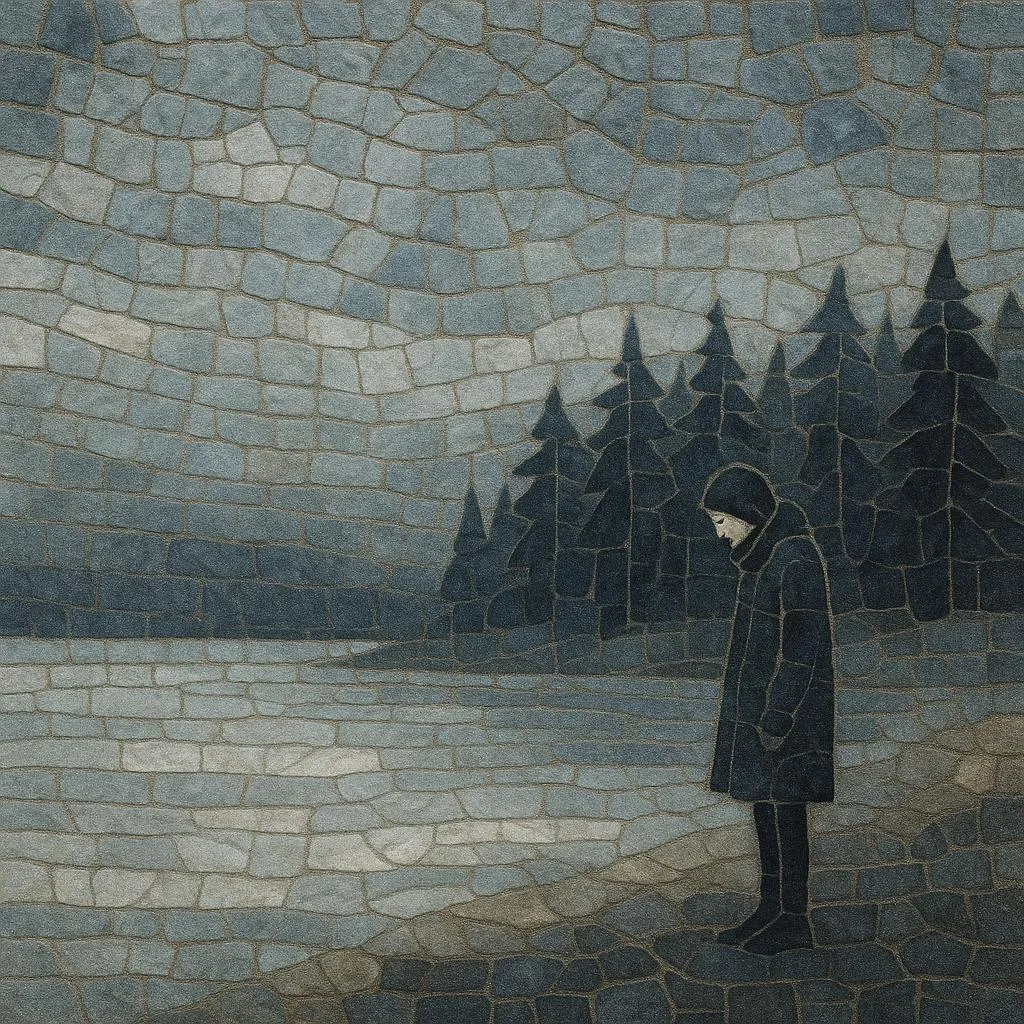
Nordic shoegaze is a regional strain of shoegaze and dream‑pop that took root across Scandinavia, marked by glacial atmospheres, high‑gain yet carefully sculpted guitar wash, and vocals that blur into the mix like distant breath in cold air.

Compared with its UK forebears, the Nordic sound leans toward cleaner transients and expansive, wintery reverb tails, often drawing on post‑rock pacing, minimalist motifs, and an austere melodic sensibility. The result is music that can be both thunderous and airy—melancholic but radiant—evoking coastlines, forests, and long polar nights.


Sources: Spotify, Wikipedia, Discogs, Rate Your Music, MusicBrainz, and other online sources

History

Origins (2000s)

Shoegaze’s first wave emerged in late‑1980s Britain, but a distinctly Nordic articulation coalesced in the 2000s as Scandinavian bands absorbed classic shoegaze and noise‑pop while channeling local aesthetics—spare design, vast natural spaces, and a penchant for understated melodicism. Early standard‑bearers helped set a regional template: saturated guitar textures, restrained vocals, and arrangements that favored dynamic arcs over verse‑chorus literalism.

Consolidation and Scene‑building (2010s)

Throughout the 2010s, independent labels, festivals, and tightly knit city scenes in Oslo, Gothenburg, Malmö, Copenhagen, Helsinki, and Reykjavík nurtured a new cohort. These artists blended dense pedal chains with post‑rock dynamics and ambient sensibilities, refining a sound at once heavy and fjord‑clear. Cross‑pollination with adjacent Nordic traditions—post‑metal, experimental pop, and choral or folk timbres—further distinguished the style.

Present Day

Nordic shoegaze now spans a spectrum from windswept dream‑pop to monolithic, feedback‑rich walls of sound. Its influence can be heard in regional post‑metal and blackgaze, as well as in indie and dream‑leaning scenes worldwide that adopt its hallmark: vast, melancholic spaciousness with a bright, icy sheen.

How to make a track in this genre

Core Textures and Tuning
•   Build thick guitar beds with layered reverb and delay (plate/room + modulated delay), complemented by gentle chorus or vibrato. Stack multiple takes with small EQ offsets to create width without mud. •   Use open or modal tunings (e.g., DADGAD, Open D/E variants) to sustain drones and resonant overtones that feel expansive and icy.
Harmony and Melody
•   Favor minor or modal centers (Dorian, Aeolian, Mixolydian color tones). Write simple, memorable toplines that can sit low in the mix; let chords and overtones imply additional harmony. •   Employ pedal points and slow harmonic rhythm; allow one or two chords to breathe for many bars, relying on evolving timbre rather than constant changes.
Rhythm and Dynamics
•   Drums should be supportive and textural: motorik pulses for momentum, or spacious half‑time grooves with soft kick and brushed/snare‑rim articulation. Sidechain subtly to keep the low end roomy. •   Shape long crescendos/decrescendos; automate reverb sends and filter sweeps to create tidal swells and winter‑bright “air.”
Vocals and Lyrics
•   Record vocals softly and close, then blend them into the guitar bed with compression and reverb so they function like another instrument. •   Explore themes of distance, nature, memory, and nocturnal light; Scandinavian languages or English both work—keep imagery spare and evocative.
Production Aesthetics
•   Aim for clarity inside density: high‑pass competing layers, carve 200–500 Hz to avoid buildup, and preserve shimmering highs (but tame harshness around 2–4 kHz). •   Consider field recordings (wind, shoreline, room tone) and subtle synth pads to extend the stereo field without crowding guitars.

Top tracks

Locked
Share your favorite track to unlock other users’ top tracks
Influenced by
Has influenced
Challenges
Digger Battle
Let's see who can find the best track in this genre

Download our mobile app

Get the Melodigging app and start digging for new genres on the go
© 2026 Melodigging
Melodding was created as a tribute to Every Noise at Once, which inspired us to help curious minds keep digging into music's ever-evolving genres.
Buy me a coffee for Melodigging